
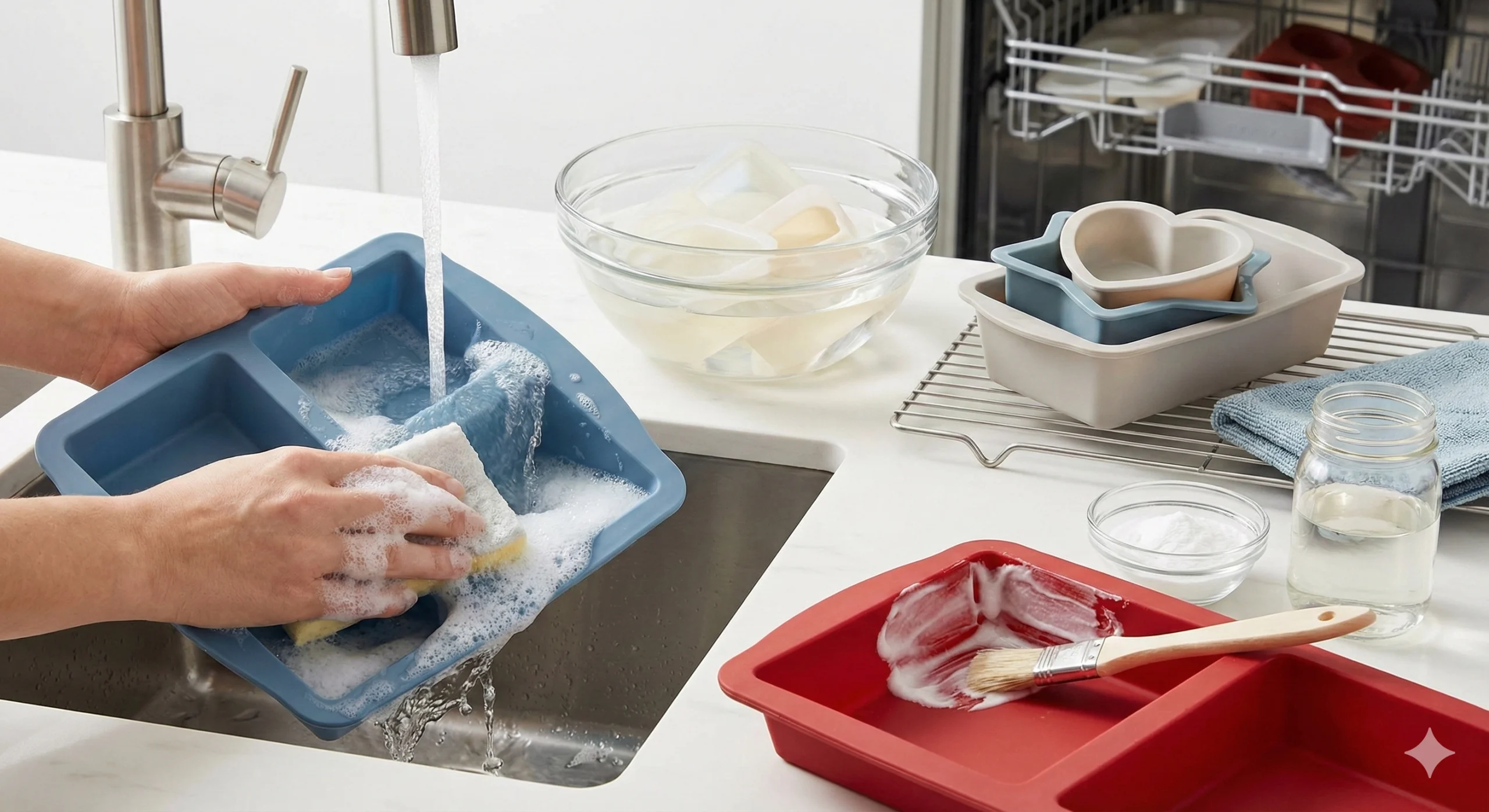
You can clean silicone molds effectively by rinsing them with warm water immediately after use and applying mild dish soap with a soft sponge for standard maintenance. Over time, residue from resins, fats, or sugars can build up, creating a sticky film that compromises the quality of your finished products. This buildup not only affects the aesthetic of your output but can also lead to permanent surface damage if not addressed correctly. By implementing a professional cleaning protocol, you protect your production efficiency and extend the lifespan of your equipment. Mastering how to clean silicone molds is essential for any business relying on the high-quality Hualin Sili product line.
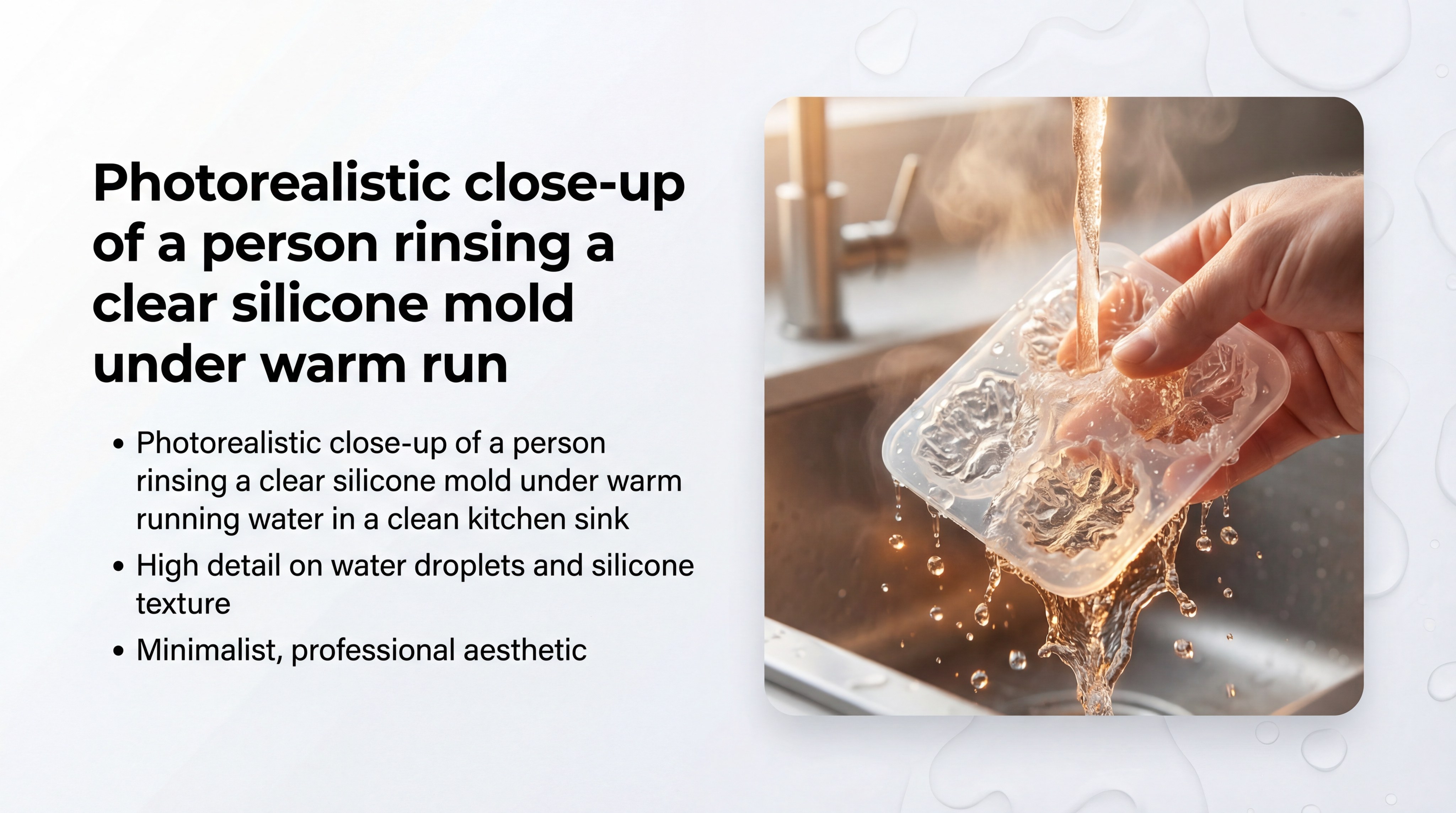
You should start by rinsing the surface with warm water to understand how to clean silicone molds for everyday use to prevent material hardening. This simple step ensures that loose particles from liquid silicone molds are flushed away before they can bond with the porous surface.
Rinse immediately with warm water
Rinsing your equipment right after the demolding process prevents stubborn residues from setting in deep crevices.
Here is the secret:
- Use warm running water to loosen debris.
- Focus on corners where material traps.
- Avoid using boiling water unless necessary.
The sooner you act, the easier the maintenance becomes.
Use mild soap and soft sponges
For standard grime, you should use a pH-neutral dish soap paired with a non-abrasive cloth to protect the mold’s “skin.”
Think about this:
- Apply soap directly to the sponge.
- Use circular motions to lift oils.
- Rinse thoroughly to remove all suds.
Key Takeaway: Daily maintenance prevents the accumulation of films that degrade the non-stick surface over time.
| Method | Benefit | Tool Required |
|---|---|---|
| Warm Rinse | Removes loose debris | Running water |
| Soap Wash | Eliminates surface oils | Soft sponge |
Consistent daily cleaning is the foundation of long-term mold durability and performance.
How to remove stubborn grease and stains?
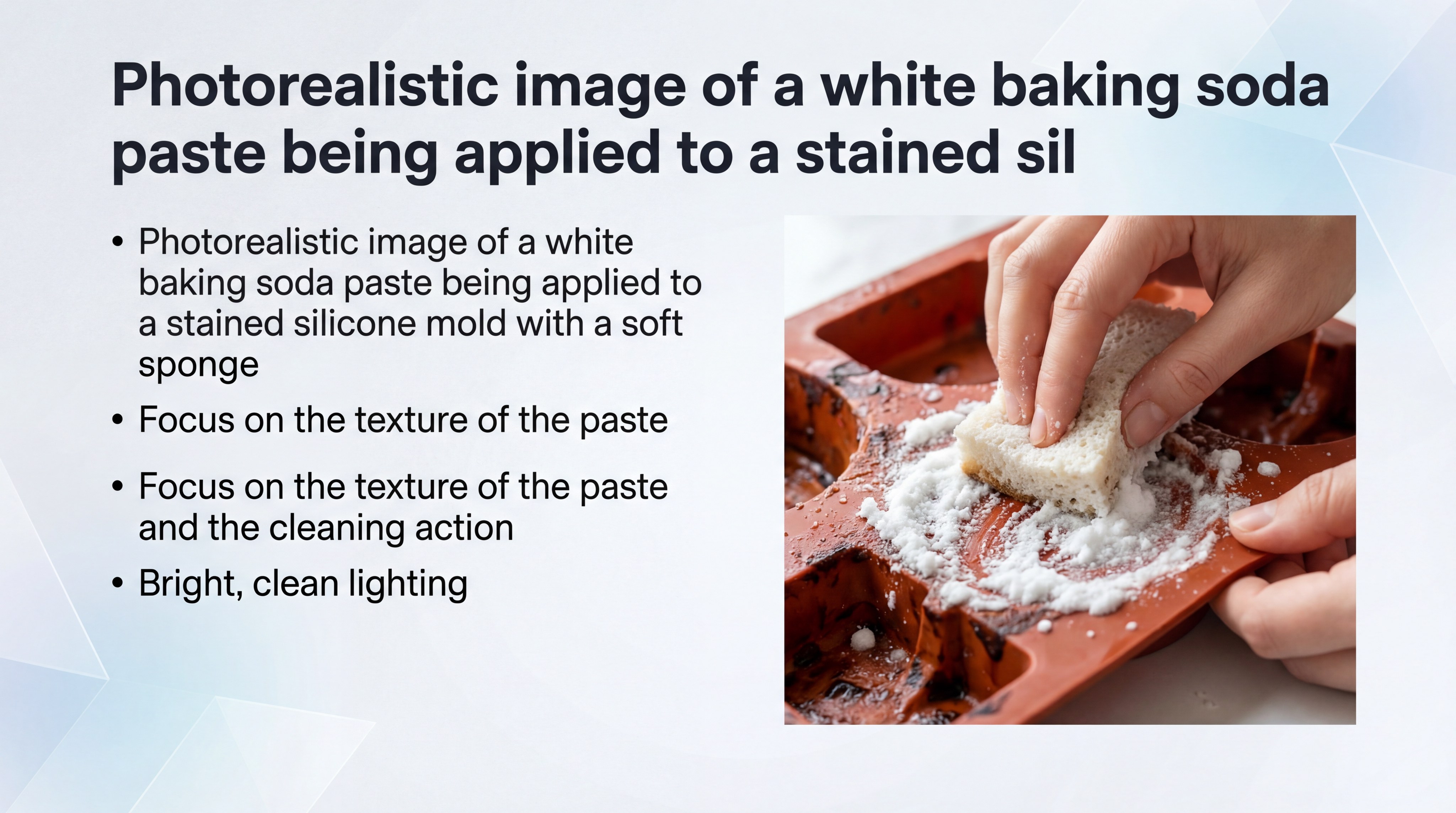
Creating a baking soda paste is a proven method for how to clean silicone molds that have acquired oily residues from solid silicone molds production. This alkaline solution breaks down complex fats without introducing the risk of chemical degradation to the polymer.
Apply a baking soda paste
When standard washing fails, a thick paste made of baking soda and water provides the gentle abrasion needed to lift stains.
The best part?
- Mix a 3:1 ratio of soda to water.
- Cover the stained areas completely.
- Let it sit for at least 15 minutes.
This natural approach is safe for both industrial and food-grade applications.
Scrub gently to lift residue
You must use a soft-bristled brush to work the paste into the texture of the mold without causing micro-scratches.
Believe it or not:
- Use a dedicated soft toothbrush for detail.
- Rinse with cold water to check progress.
- Repeat if the surface still feels “filmy.”
Key Takeaway: Baking soda acts as an effective, non-toxic degreaser for molds that handle high-fat or pigmented materials.
| Challenge | Solution | Advantage |
|---|---|---|
| Oily Film | Baking Soda Paste | Non-abrasive cleaning |
| Pigment Stains | Prolonged Soaking | Deep pigment lifting |
This method ensures your molds remain pristine even after heavy use with difficult ingredients.
What is the best way to eliminate odors?

Soaking the material in a white vinegar solution is the most effective approach for how to clean silicone molds that hold strong scents. Because silicone is slightly porous, it can trap volatile molecules that vinegar naturally neutralizes through a mild acidification process.
Soak in a white vinegar solution
A solution of equal parts white vinegar and warm water acts as a natural deodorizer and mild sanitizer for your equipment.
Here is the thing:
- Submerge the mold completely in the mix.
- Allow 30 minutes for deep penetration.
- Rinse with fresh water to clear the vinegar scent.
Vinegar is a cost-effective way to maintain a neutral scent profile in your production line.
Heat the mold at low temperatures
If smells persist, you can “bake out” the odors by placing the clean mold in a low-heat oven for a short duration.
But wait, there’s more:
- Set your oven to approximately 250°F (120°C).
- Heat for 15 to 20 minutes maximum.
- Ensure the mold is rated for this temperature.
Key Takeaway: Combining vinegar soaks with low-heat treatments eliminates even the most persistent fragrance or food odors.
| Odor Source | Treatment | Duration |
|---|---|---|
| Fragrance Oils | Vinegar Soak | 30 Minutes |
| Food Aromas | Low-Heat Baking | 15-20 Minutes |
Eliminating odors is critical to preventing cross-contamination between different product batches.
How to maintain the mold surface quality?
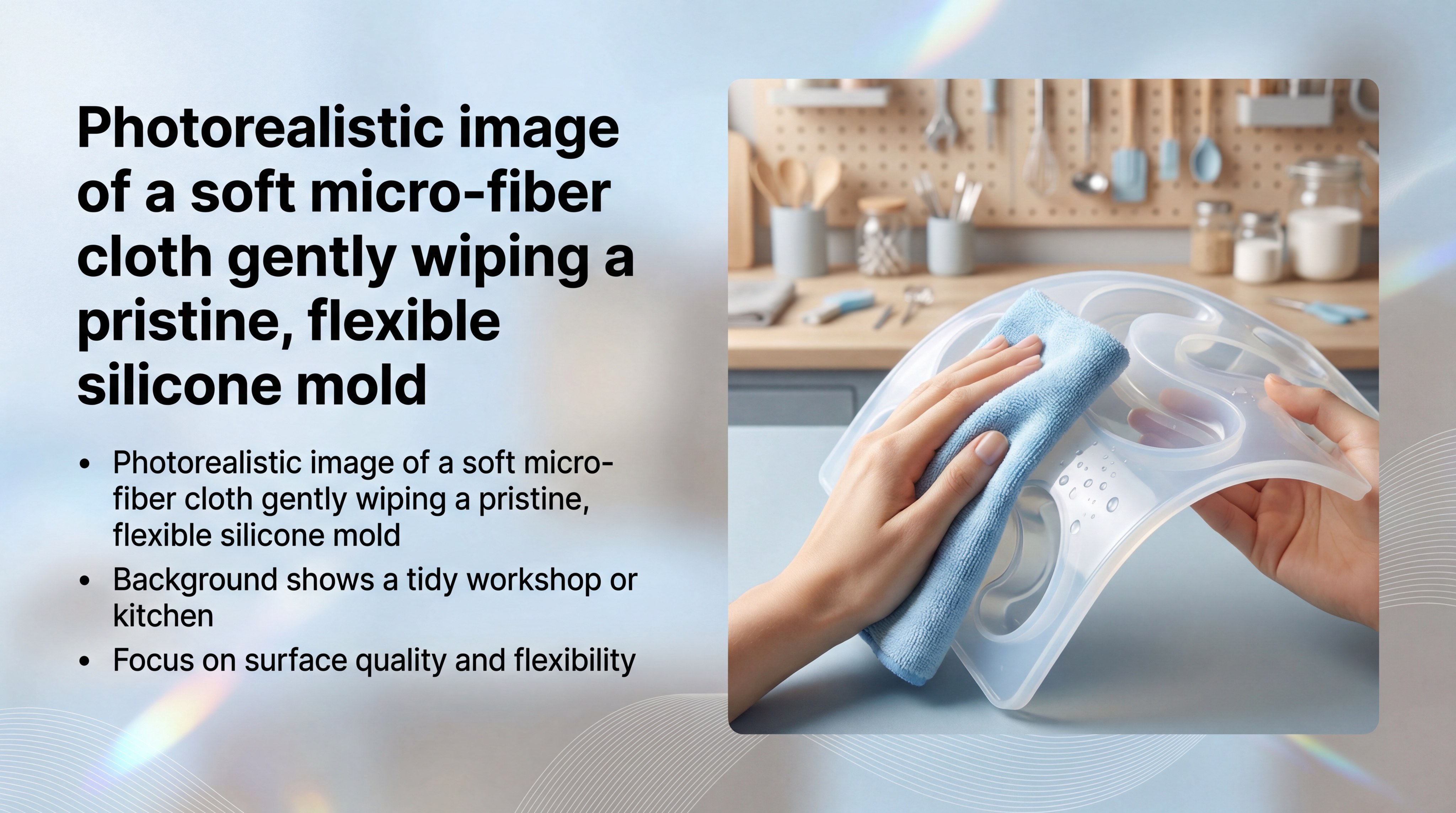
You must avoid harsh chemicals to preserve the integrity when learning how to clean silicone molds to ensure they stay flexible for custom silicone molds projects. Using caustic agents can cause the silicone to become brittle or develop a permanent stickiness that ruins demolding.
Avoid harsh chemical detergents
Strong industrial cleaners and bleach can strip the protective surface of the silicone, leading to premature material failure.
Think about it:
- Stick to pH-neutral cleaning agents.
- Avoid cleaners with heavy fragrances.
- Never use bleach on food-grade silicone.
Protecting the chemical bonds of the silicone ensures your molds last for years of service.
Keep away from sharp metal tools
Physical damage is often irreparable, so you should always use plastic or silicone scrapers instead of metal knives.
Here is the deal:
- Use fingers to peel back edges first.
- Apply plastic tools for stubborn releases.
- Inspect regularly for small nicks or tears.
Key Takeaway: Maintaining surface quality requires a “soft-touch” approach using mild agents and non-metallic tools.
| Risk Factor | Consequence | Prevention |
|---|---|---|
| Caustic Chemicals | Brittle Silicone | Neutral Soap |
| Sharp Metals | Surface Tears | Plastic Tools |
Prioritizing surface integrity is the most effective way to reduce long-term equipment replacement costs.
Are temperature limits important for care?
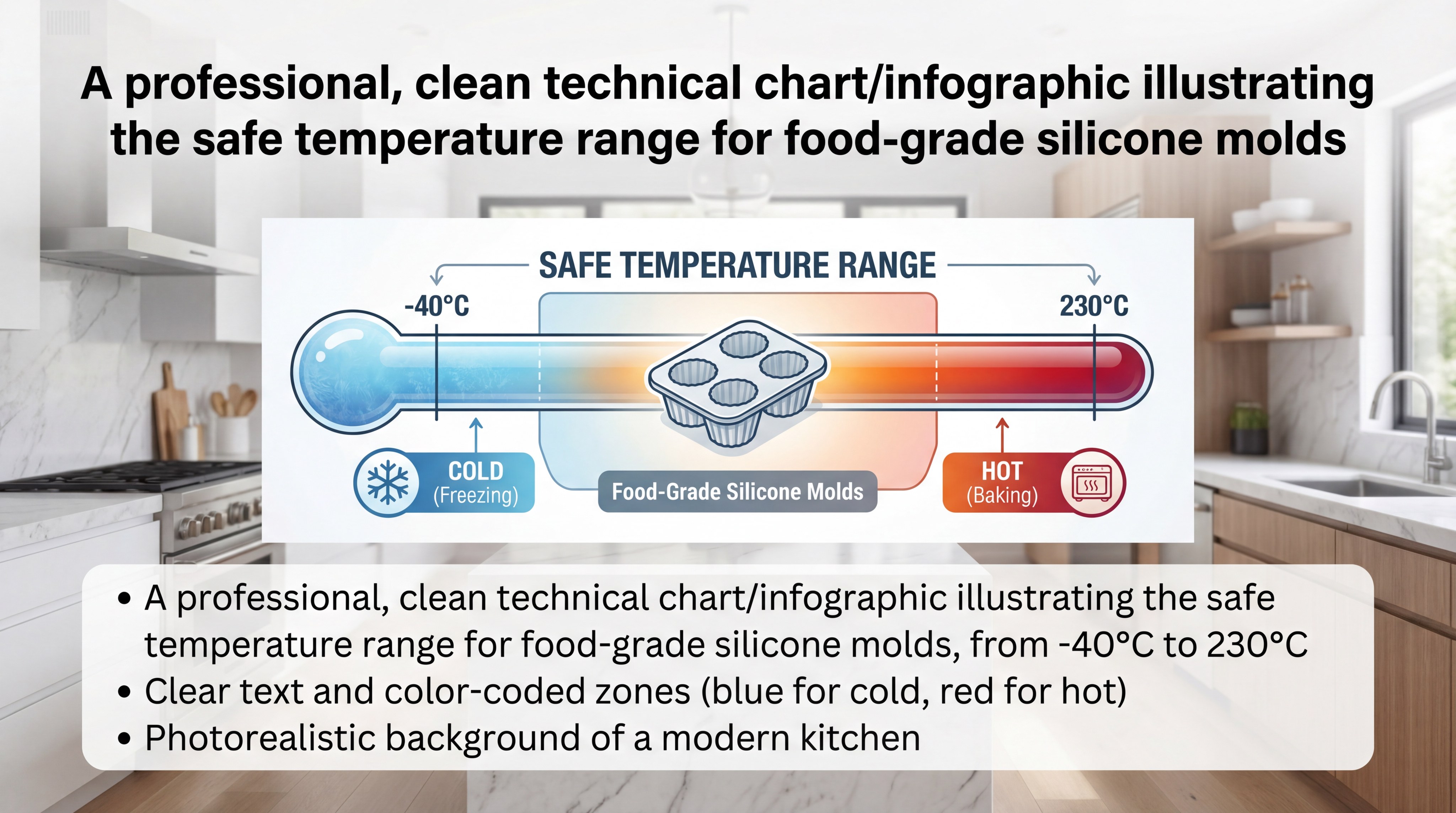
Monitoring manufacturer ratings is crucial for how to clean silicone molds without causing thermal degradation that leads to warping. Every grade of silicone has a specific operational window that must be respected during both the production and cleaning phases.
Monitor manufacturer heat ratings
Exceeding the heat threshold can cause the silicone to break down chemically, resulting in a chalky or sticky texture.
It’s simple:
- Check the embossed rating on the mold.
- Adjust your oven or dishwasher heat accordingly.
- Keep records of high-heat cycles for each mold.
Staying within these limits ensures the material maintains its original elasticity and dimensions.
Prevent sudden temperature shocks
While silicone is thermally stable, you should avoid moving a mold directly from a freezer to a high-heat oven.
Look at this:
- Allow molds to reach room temperature.
- Use gradual heating steps if possible.
- Avoid ice baths immediately after baking.
Key Takeaway: Respecting temperature limits prevents internal stress on the silicone bonds, stopping warping and cracking.
| State | Temperature Range | Safety Tip |
|---|---|---|
| Standard Baking | Up to 230°C | Avoid heating elements |
| Deep Freezing | Down to -40°C | Thaw before cleaning |
Proper temperature management is an often-overlooked secret to maximizing the lifecycle of professional molds.
How should silicone molds be stored safely?
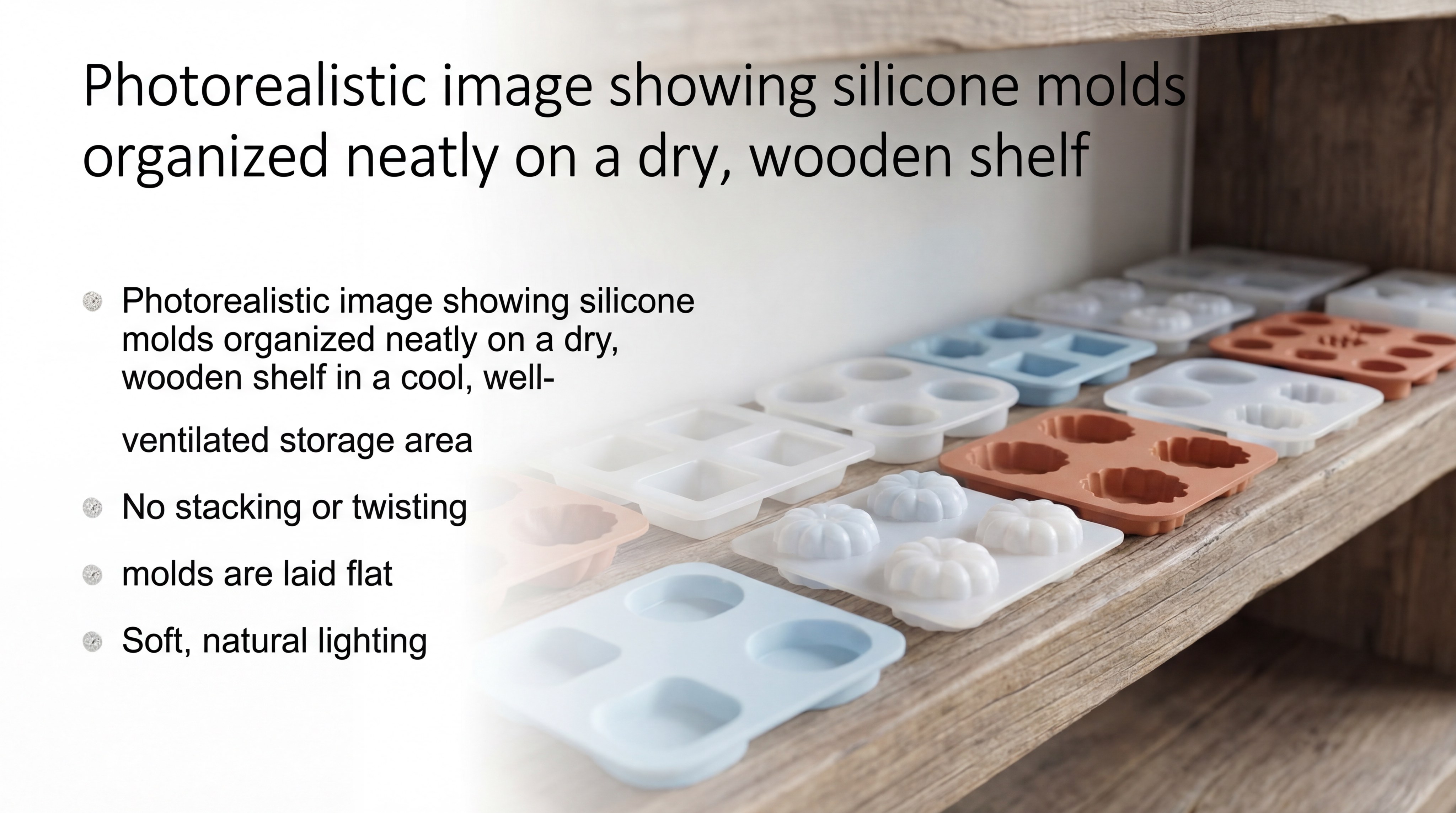
Ensuring that every cavity is completely air-dried is a vital part of how to clean silicone molds for long-term storage in a silicone mold factory environment. Trapped moisture is the leading cause of microbial growth which can permanently stain and ruin high-value equipment.
Ensure items are completely air-dried
Molds must be bone-dry before being stacked or put into containers to prevent the development of musty odors.
The reality is:
- Dry molds upside down on a rack.
- Wipe deep crevices with a lint-free cloth.
- Use a fan to accelerate the drying process.
Dry storage is the only way to ensure your molds remain hygienic for their next use.
Avoid overstretching or twisting
Storing molds in their natural, flat shape prevents them from developing permanent deformations or “sets” that affect accuracy.
Bottom line:
- Lay molds flat on shelves or in bins.
- Do not fold molds to save storage space.
- Keep them away from direct sunlight exposure.
Key Takeaway: Proper storage conditions, including dryness and flat placement, protect the mold’s shape and hygiene.
| Storage Issue | Result | Solution |
|---|---|---|
| Residual Moisture | Mold/Mildew growth | Air-dry on racks |
| Stacking/Folding | Permanent deformation | Store flat/uncompressed |
Safe storage habits are just as important as the cleaning process itself for maintaining production standards.
Which common cleaning mistakes should you avoid?
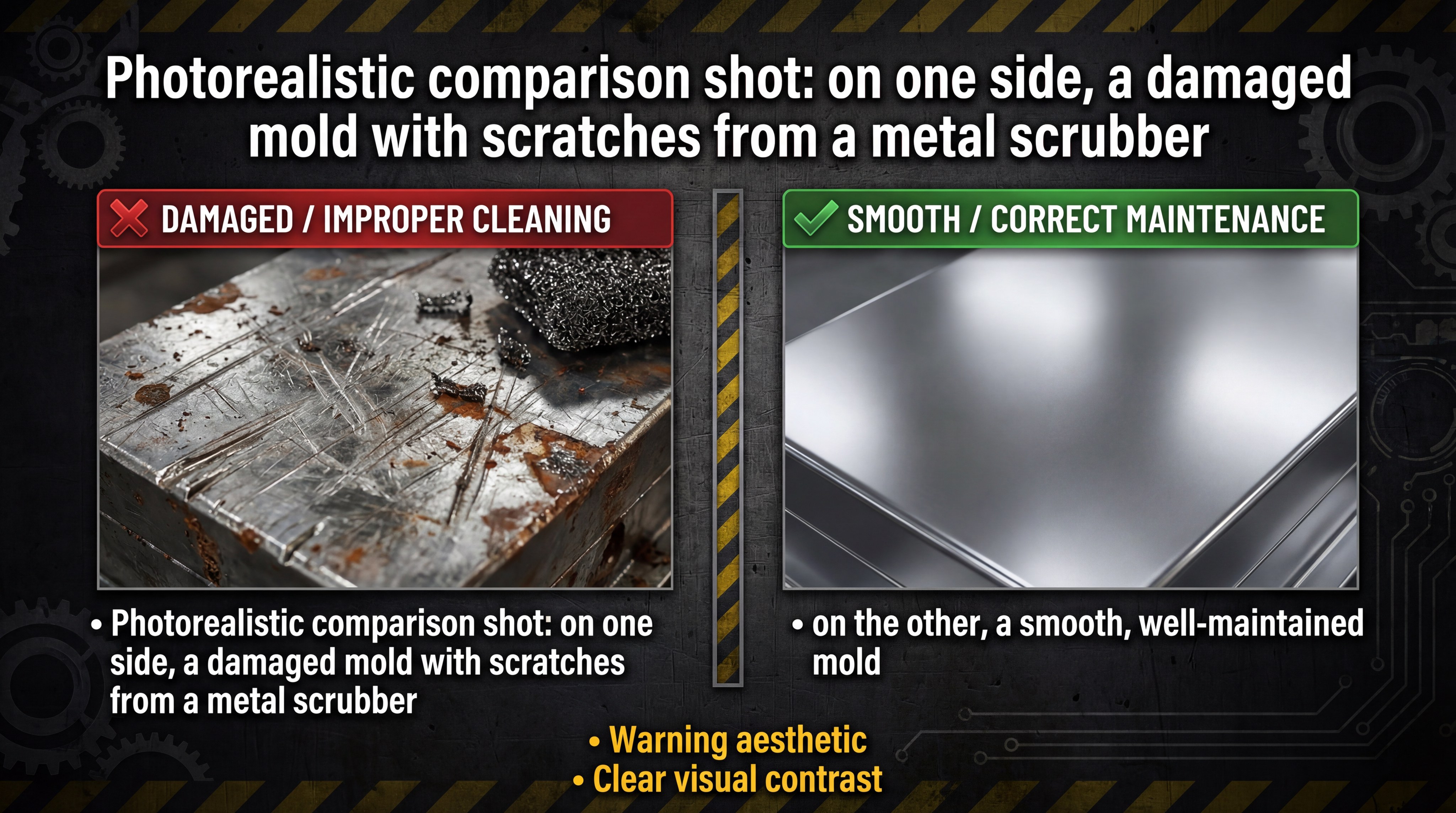
You should never use abrasive scrubbers if you want to master how to clean silicone molds without scratching the surface and causing sticking. These tiny abrasions create pockets where residues hide, making each subsequent cleaning session more difficult and less effective.
Dangers of using abrasive scrubbers
Using steel wool or scouring pads destroys the glossy finish of the silicone, leading to a dull appearance in your finished products.
Think twice:
- Discard any metal-based scrubbing tools.
- Stick to soft sponges and microfiber cloths.
- Educate staff on the sensitivity of the surface.
Once the surface is scratched, the non-stick properties of the mold are compromised forever.
Risks of storing damp equipment
Storing molds while they still harbor moisture leads to bacterial colonization that can produce unpleasant enzymes.
Here is the truth:
- Check corners for hidden water droplets.
- Avoid using airtight containers for damp molds.
- Re-wash any mold that smells “musty” after storage.
Key Takeaway: Avoiding mechanical abrasion and ensuring total dryness are the two most critical rules for mold longevity.
| Mistake | Consequence | Professional Fix |
|---|---|---|
| Abrasive Scrubbing | Loss of non-stick surface | Use soft sponges only |
| Damp Storage | Bacterial/Mildew growth | Verify dryness before binning |
By avoiding these common errors, you can double the expected service life of your silicone equipment.
Can you wash silicone molds in a dishwasher?
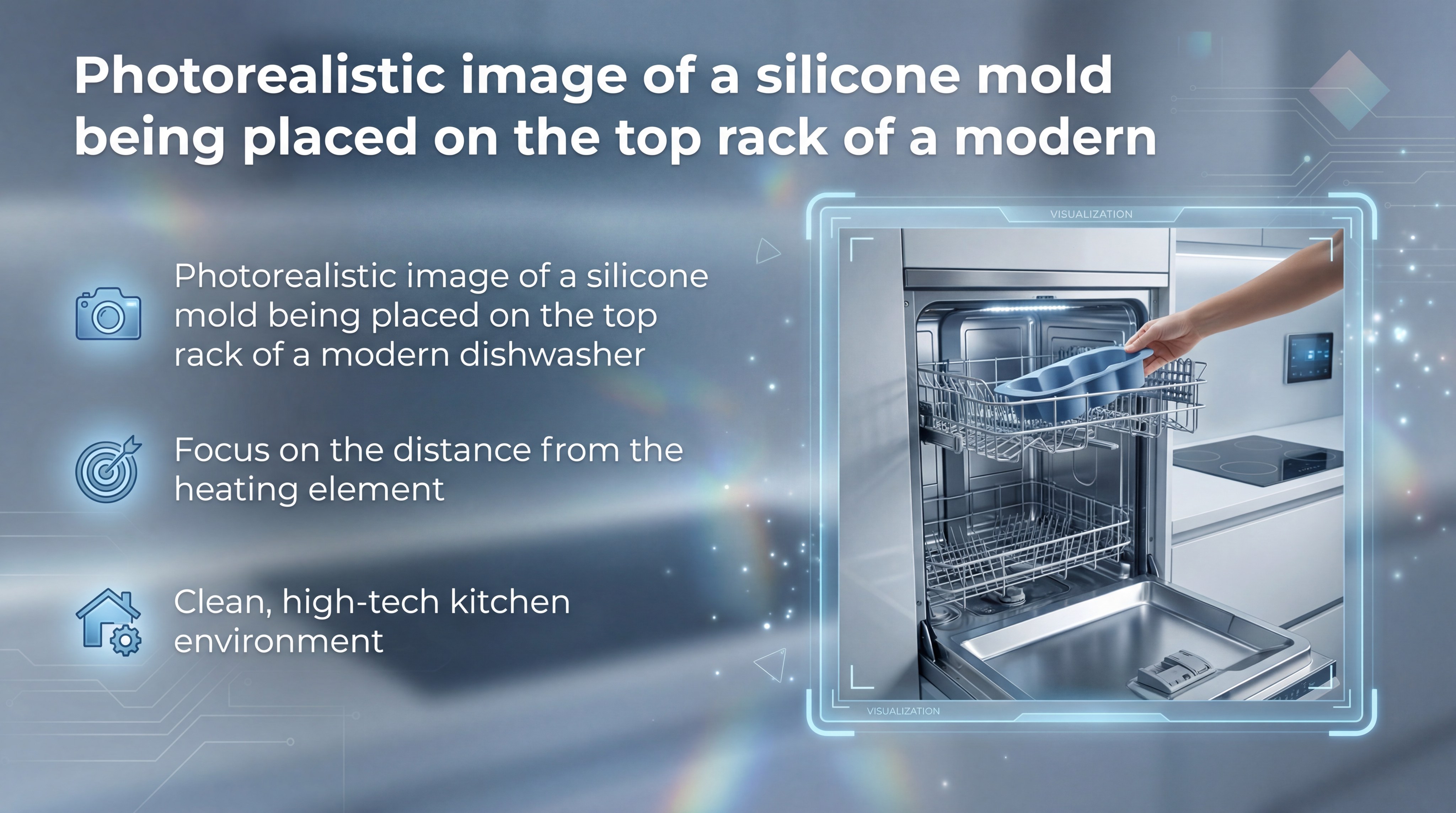
While top-rack placement is possible, manual washing is often preferred for how to clean silicone molds safely to avoid the drying effects of high-heat cycles. Understanding the various types of silicone molds helps you decide when a machine wash is appropriate.
Benefits of manual hand-washing
Hand-washing allows you to apply targeted pressure on residue while using gentler detergents than those found in dishwashers.
You know what?
- Use warm water and standard dish soap.
- Control the water temperature precisely.
- Focus on detailed areas a machine might miss.
Manual care is generally the safest way to preserve the moisture-retaining components of the silicone.
Proper placement in dishwasher racks
If you use a dishwasher, you must place the molds on the top rack to keep them away from the heating element.
Don’t forget:
- Secure the mold so it doesn’t flip over.
- Use a fragrance-free, mild detergent tab.
- Turn off the “heated dry” cycle if possible.
Key Takeaway: Dishwashers are convenient but should be used sparingly and only on top racks to prevent material drying.
| Cleaning Type | Pros | Cons |
|---|---|---|
| Hand Wash | Maximum control and safety | More labor-intensive |
| Dishwasher | High-volume efficiency | Risk of thermal stress |
Choosing the right washing method depends on your production volume and the complexity of the mold design.
How do you ensure food-grade mold hygiene?
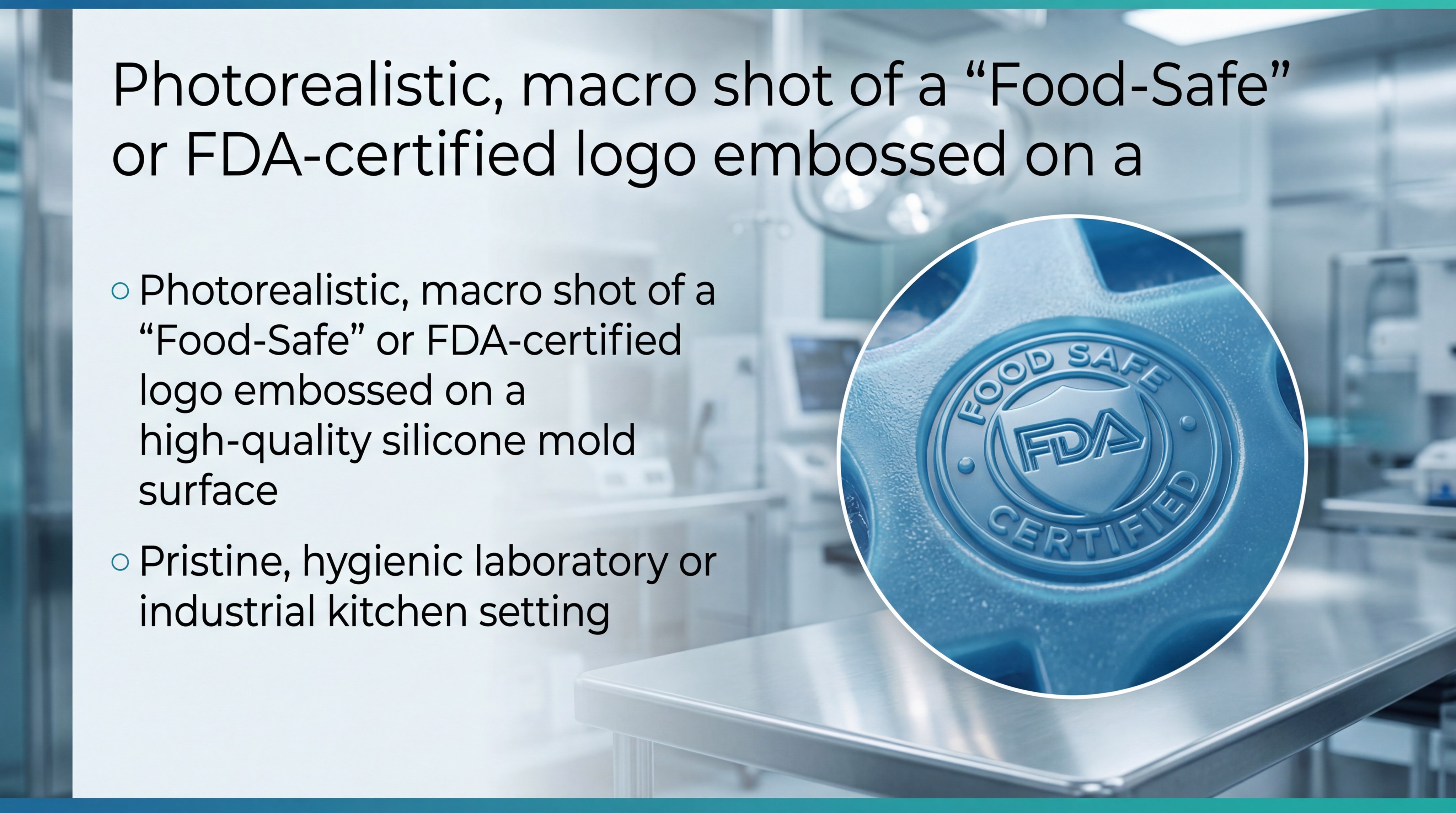
Verifying safety standards and periodic sanitization are key steps in how to clean silicone molds used for food production to prevent contamination. You must ensure that the silicone is FDA-compliant and maintained to the highest sanitary standards to protect your end consumers.
Verifying material safety standards
Regularly inspect your molds for “blooming,” which is a white powdery residue that can indicate material degradation.
Check this out:
- Purchase only FDA-approved food-grade silicone.
- Replace molds that show signs of peeling.
- Verify safety certificates from your supplier.
High-quality food-grade material is non-leaching and resists microbial growth more effectively than industrial grades.
Periodic sanitization for food use
Beyond standard washing, food-grade molds should be sanitized periodically using a boiling water bath or vinegar.
The best way:
- Submerge in boiling water for 2-3 minutes.
- Ensure the mold is rated for 100°C.
- Dry in a sterile, dust-free environment.
Key Takeaway: Food hygiene relies on both the quality of the starting material and a rigorous sanitization schedule.
| Hygiene Task | Frequency | Method |
|---|---|---|
| Material Audit | Every 6 months | Inspect for blooming/peeling |
| Sanitization | Weekly (High use) | Boiling water or vinegar |
Maintaining food-grade hygiene is not just about cleanliness; it is a critical component of regulatory compliance.
Do sticky materials require special cleaning?
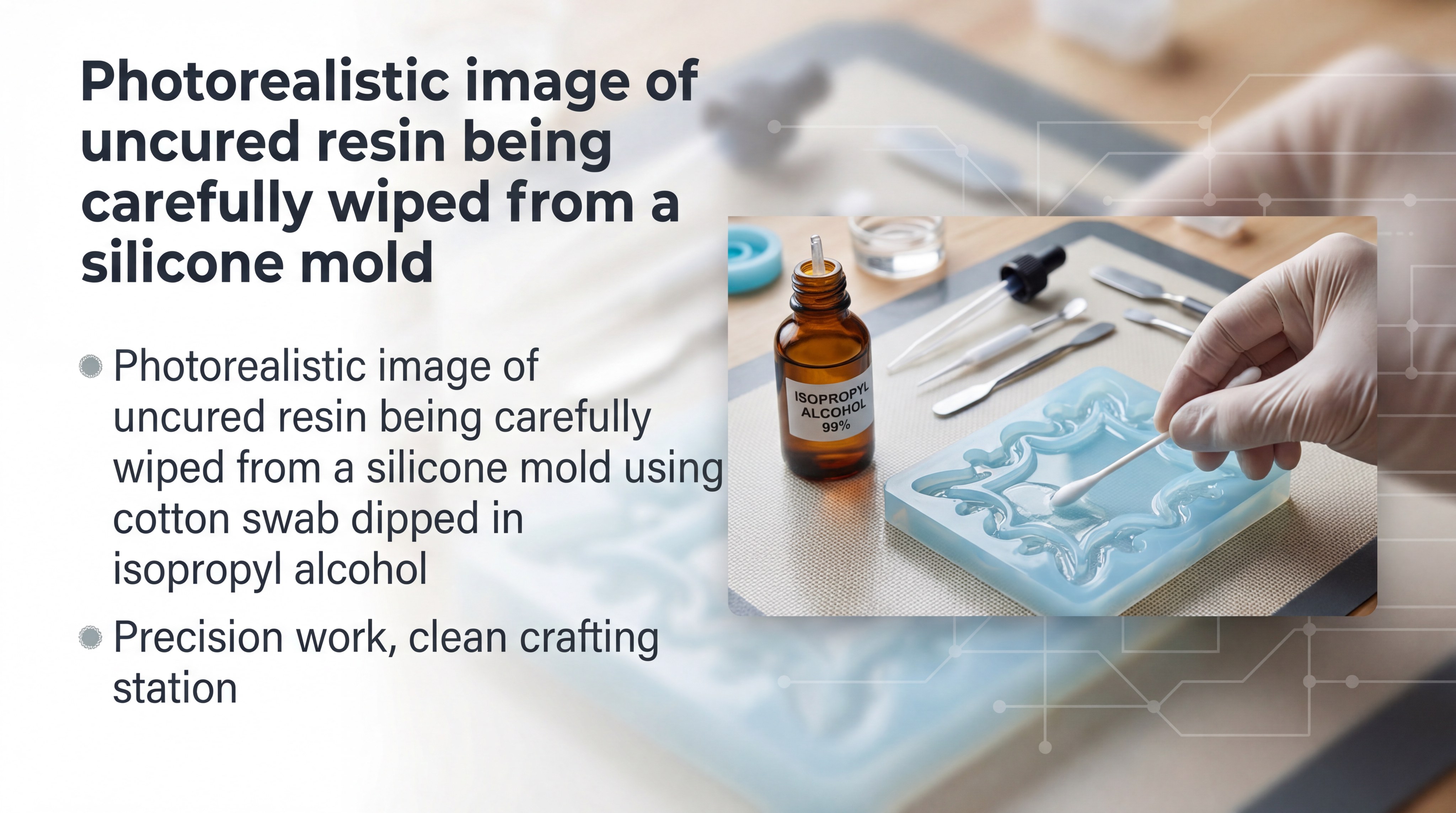
Using isopropyl alcohol for resin is a specialized tactic for how to clean silicone molds after crafting with reactive or ultra-sticky chemicals. Identifying the right solvent is essential when working with different mold silicone rubber variants to avoid melting the mold surface.
Light oiling for sticky ingredients
For high-sugar materials, a very light coating of neutral oil can act as a sacrificial layer that makes cleaning much faster.
Guess what?
- Apply a tiny amount with a brush.
- Wipe away any excess before filling.
- Avoid using cooking sprays with additives.
This preventative step reduces the mechanical stress placed on the mold during the demolding of sticky items.
Removing resin with isopropyl alcohol
If you use molds for epoxy or resin art, alcohol is the only solvent that effectively dissolves uncured resin without damage.
Here is the trick:
- Dampen a cotton swab with 70% alcohol.
- Wipe uncured resin spots immediately.
- Wash with soap and water afterward.
Key Takeaway: Sticky residues require specific chemical interventions like light oiling or alcohol wipes to ensure a clean release.
| Material | Solvent/Aid | Cleaning Tip |
|---|---|---|
| Sugar/Candy | Vegetable Oil | Use a very thin film |
| Epoxy Resin | Isopropyl Alcohol | Clean while resin is uncured |
Specialized cleaning techniques are the only way to handle advanced crafting materials without ruining your molds.
Summary of Cleaning Methods
| Method | Best Used For | Advantages | Disadvantages |
|---|---|---|---|
| Mild Soap & Water | General maintenance | Gentle and safe | May not remove heavy grease |
| Baking Soda Paste | Stubborn grease/stains | Non-toxic and effective | Requires manual scrubbing |
| Vinegar Soak | Odor removal | Sanitizes and deodorizes | Can leave temporary smell |
| Isopropyl Alcohol | Resin/Crafting residue | Dissolves residue fast | Not suitable for food-grade |
Using the correct method for each specific residue is the professional way to maintain production quality.
*
Conclusion
Maintaining your professional silicone equipment doesn’t have to be a challenge. Whether you are dealing with stubborn grease, persistent odors, or reactive resin residues, the right cleaning protocol ensures your molds remain productive for years. If you are experiencing issues with material sticking or surface degradation, we are here to provide expert guidance and high-performance solutions.
Please contact us today for assistance with your custom molding needs or to learn more about our durable silicone materials. At our core, we are committed to bringing your vision to life through superior material science and dedicated support.
*
FAQ
Can I use bleach to disinfect my silicone molds?
No. Bleach is a caustic chemical that can cause the silicone to become brittle and lose its non-stick properties over time.
What’s the best way to remove a soapy smell from a mold?
Baking. Placing the clean mold in a low-temperature oven (250°F) for 15 minutes can help “bake out” odors trapped in the silicone.
Can I use a metal scraper for stubborn resin?
Never. Metal tools will create micro-scratches on the surface that will cause future materials to stick permanently.
What’s the best frequency for deep cleaning?
Monthly. Even with daily washing, a monthly deep clean with vinegar or baking soda helps prevent the buildup of invisible films.
Can I stack wet molds to save space?
No. Stacking wet molds traps moisture and creates an ideal environment for mold and mildew growth which ruins the equipment.