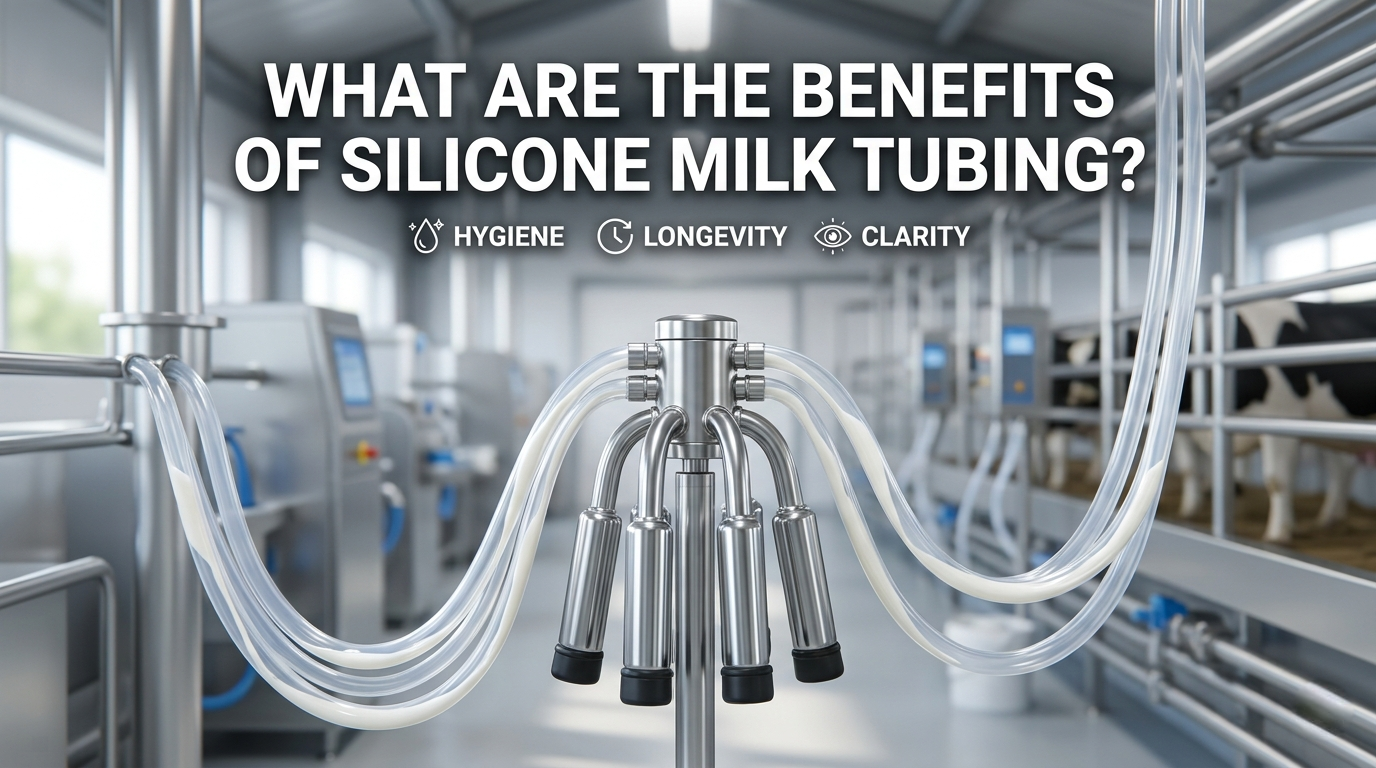
These flexible conduits provide unparalleled hygiene, thermal resistance, and longevity for modern dairy farms. Constantly replacing cracked rubber hoses creates massive financial burdens. Contaminated batches resulting from degraded equipment ruin your daily profits instantly. Upgrading your farm infrastructure eliminates this frequent headache entirely. Integrating premium Silicone Milk Tubing transforms daily operations into a streamlined process.
1. Why Does Silicone Milk Tubing Outperform Rubber Equivalents?
Replacing traditional rubber with Silicone Milk Tubing solves frequent cracking problems immediately. Traditional rubber degrades rapidly upon exposure to harsh farm environments. Sun exposure hardens organic polymers very quickly. Synthetic elastomers resist oxidation much better than natural latex alternatives. You need materials capable of surviving rigorous daily usage.
How Do Material Properties Matter?
But here’s the kicker… material purity dictates overall farm efficiency.
- Synthetic polymers reject ozone damage naturally.
- Tear strength remains consistent across years.
- Flexibility stays intact during winter months.
These specific traits prevent microscopic fractures from developing. Your equipment stays operational longer without unexpected failures.
Key Takeaway: Choosing synthetic elastomers prevents costly downtime during peak production hours.
| Feature | Rubber Hose | Premium Synthetic |
| Lifespan | Short | Extended |
| Flexibility | Varies | Excellent |
| Ozone Resistance | Poor | High |
This comparison highlights why modern operations abandon outdated rubber components rapidly.
2. How Does Silicone Milk Tubing Ensure Dairy Hygiene?
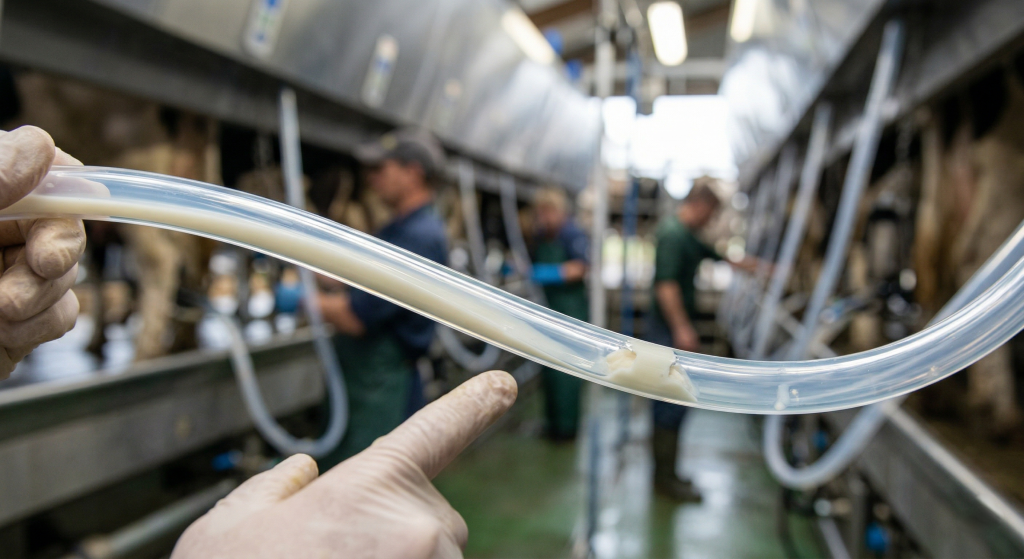
Food-grade Silicone Milk Tubing blocks microbial growth through its non-porous surface structure. Standard materials often develop tiny interior scratches over time. Bacteria colonies thrive inside those microscopic crevices. Smooth internal walls prevent organic matter from sticking. Your sanitation protocols become significantly more effective.
Can Bacteria Grow Inside The Hoses?
What’s the real story? Microbes cannot attach easily without rough surfaces.
- Non-stick interiors flush clean rapidly.
- Odor retention drops near zero percent.
- Visual inspection confirms internal cleanliness.
Farm managers notice fewer rejected batches after upgrading their infrastructure. Clean transport lines guarantee better final product quality.
Key Takeaway: Smooth internal surfaces drastically reduce contamination risks across your facility.
| Hygiene Factor | Standard Material | Advanced Elastomer |
| Porosity | High | Zero |
| Odor Retention | Moderate | None |
| Cleaning Speed | Slow | Fast |
Reduced porosity directly correlates with improved sanitation results across daily testing.
3. Will Silicone Milk Tubing Withstand Extreme Temperatures?
Thermal stability makes Silicone Milk Tubing perfect for intense thermal sanitation protocols. Boiling water destroys cheaper plastic alternatives rapidly. Freezing winter nights cause severe brittleness in standard PVC. These advanced conduits handle massive temperature swings flawlessly. You can run aggressive sterilization cycles without fear.
What Happens During Boiling Cleaning Cycles?
Ready for the good part? High heat does not melt these robust components.
- Boiling water flows through without deformation.
- Steam sterilization works perfectly every time.
- Freezing ambient air will not cause snapping.
Operations located in harsh climates benefit immensely from thermal resilience. Your maintenance crew spends less time fixing seasonal weather damage.
Key Takeaway: Broad thermal tolerance allows aggressive sanitation without degrading your equipment.
| Temperature Condition | PVC Response | Advanced Elastomer |
| Freezing Cold | Snaps | Flexes |
| Boiling Water | Melts | Stable |
| Steam Wash | Warps | Unaffected |
Thermal stability guarantees year-round performance regardless of local climate extremes.
4. Can Silicone Milk Tubing Handle High Farm Pressure?
Reinforced Silicone Milk Tubing withstands intense vacuum forces generated by milking machines. Flimsy hoses collapse inward under heavy suction loads. Flow rates drop when conduits lose their structural integrity. Thick walls maintain perfect circular profiles during operation. Your pumping efficiency remains consistent constantly.
Do Vacuum Systems Cause Hose Collapse?
This is where it gets interesting… proper wall thickness prevents suction failure entirely.
- Heavy suction leaves internal diameters unchanged.
- Pulsation systems operate smoothly without restrictions.
- Liquid volume transfers at maximum planned speeds.
Farmers relying on high-capacity machinery require sturdy conduits. Consistent flow prevents machinery from overworking.
Key Takeaway: Structural integrity under pressure maximizes your pumping equipment efficiency.
| Pressure Factor | Thin Wall | Thick Wall |
| Shape Retention | Fails | Succeeds |
| Flow Rate | Drops | Constant |
| Vacuum Handling | Poor | Superior |
Maintaining a circular profile ensures maximum volume transfer during heavy processing.
5. How Long Does Silicone Milk Tubing Actually Last?
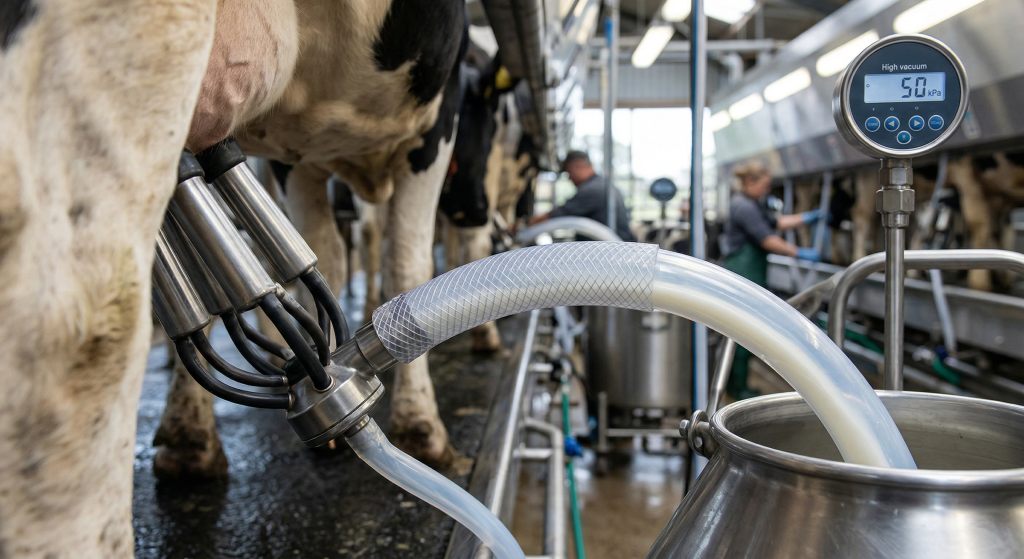
Durability testing proves Silicone Milk Tubing lasts significantly longer than conventional options. Organic materials rot when exposed to barn environments. Ammonia fumes degrade lesser plastics within months. These robust polymers resist chemical attacks naturally. You buy replacement parts far less frequently.
Does UV Light Damage The Material?
You might be wondering… sunlight poses zero threat over long periods.
- Direct sunshine causes no surface cracking.
- Color clarity remains stable outdoors.
- Tensile strength ignores prolonged UV exposure.
Outdoor pasture installations require materials capable of surviving nature. Your investment pays off through extended operational lifespans.
Key Takeaway: Exceptional environmental resistance dramatically reduces your annual equipment replacement budget.
| Exposure Type | Natural Rubber | Synthetic Polymer |
| UV Rays | Cracks | Resists |
| Farm Chemicals | Degrades | Survives |
| Moisture | Rots | Unaffected |
Long-term survival against farm elements proves the superior return on investment.
6. Is Silicone Milk Tubing Environmentally Friendly?
Using Silicone Milk Tubing reduces farm waste by limiting discarded plastic components. PVC throws toxic chemicals into landfills continuously. Replacing cheap hoses weekly generates massive garbage piles. Durable goods lower your total environmental footprint significantly. You contribute less trash while maintaining high standards.
Can Farms Recycle Old Dairy Components?
Here’s the deal: incinerating this material releases only harmless compounds.
- Burning leaves harmless silica ash behind.
- No toxic fumes enter the atmosphere.
- Long lifespans mean fewer discarded items.
Modern agriculture demands sustainable operational practices. Upgrading materials aligns your farm with eco-friendly industry trends.
Key Takeaway: Durable non-toxic materials help farms meet strict modern sustainability goals.
| Eco Metric | Cheap Plastic | Advanced Polymer |
| Replacement Rate | Frequent | Rare |
| Burn Emissions | Toxic | Harmless |
| Landfill Impact | High | Low |
Reducing physical waste through durable goods creates a cleaner agricultural environment.
7. What Certifications Should Silicone Milk Tubing Pass?
Regulatory compliance demands Silicone Milk Tubing meets strict FDA guidelines. Uncertified materials leach dangerous chemicals into consumer beverages. Auditors penalize farms using unauthorized fluid transport lines. Proper documentation guarantees safety during unannounced inspections. You avoid devastating fines easily.
Why Do LFGB Ratings Matter?
What’s the real story? European standards ensure maximum chemical purity.
- FDA compliance prevents domestic legal trouble.
- LFGB testing proves zero chemical leaching.
- ISO certifications guarantee consistent manufacturing quality.
Selling premium dairy goods requires flawless safety records. Certified components protect your brand reputation absolutely.
Key Takeaway: Utilizing certified materials shields your business from catastrophic regulatory penalties.
| Certification | Region | Focus Area |
| FDA | USA | Food Contact |
| LFGB | Europe | Chemical Purity |
| ISO 9001 | Global | Quality Control |
Properly documented materials serve as an insurance policy against compliance failures.
8. How Do You Clean Silicone Milk Tubing Effectively?
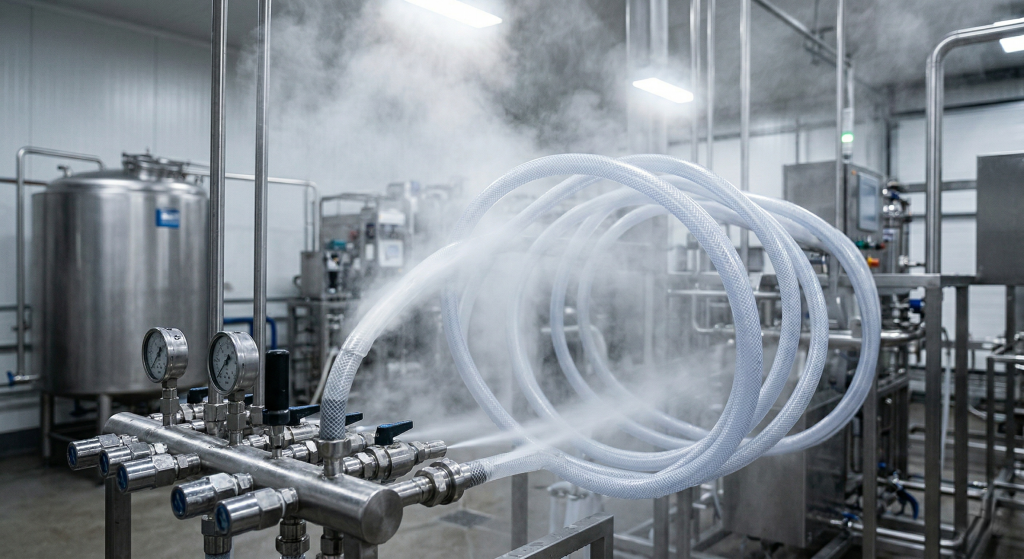
Alkaline detergents clean Silicone Milk Tubing without causing internal surface damage. Abrasive brushes ruin soft plastics instantly. Chemical reactions weaken natural rubber permanently. These robust elastomers handle strong caustics perfectly. You clean faster using concentrated industrial solutions.
Are Strong Chemicals Safe For Cleaning?
Ready for the good part? Industrial cleaners will not dissolve these conduits.
- Acid washes remove mineral buildup safely.
- Caustic sodas dissolve fat without degrading walls.
- Hot water rinses flush chemicals away easily.
Sanitation teams finish tasks quicker when equipment handles aggressive chemicals. Your labor costs decrease noticeably over time.
Key Takeaway: Chemical resistance allows faster sanitation using potent industrial cleaning agents.
| Cleaning Agent | Weak Material | Robust Material |
| Acid Wash | Weakens | Survives |
| Caustic Soda | Melts | Resists |
| Abrasive Force | Scratches | Defends |
Strong chemical resistance translates directly into reduced sanitation labor hours.
9. Does Silicone Milk Tubing Come In Transparent Options?
Clear variants of Silicone Milk Tubing allow immediate visual flow inspection. Opaque hoses hide dangerous internal blockages easily. Farmers cannot detect coagulated clumps inside black rubber. Transparent walls reveal problems before disasters happen. You monitor production quality continuously.
Why Should Farmers Monitor Liquid Flow?
This is where it gets interesting… seeing the fluid prevents massive equipment damage.
- Bubbles indicate dangerous air leaks instantly.
- Color changes warn about udder infections.
- Blockages become visible before pumps overheat.
Visual feedback empowers workers adjusting machinery settings actively. Your team responds to issues immediately instead of guessing.
Key Takeaway: Transparent walls provide crucial diagnostic feedback during active mechanical operations.
| Visibility Level | Issue Detection | Pump Protection |
| Opaque Black | Blind | Low |
| Semi-Clear | Moderate | Medium |
| Fully Transparent | Immediate | High |
Immediate visual confirmation remains the easiest diagnostic tool available today.
10. How Can You Choose The Right Silicone Milk Tubing?
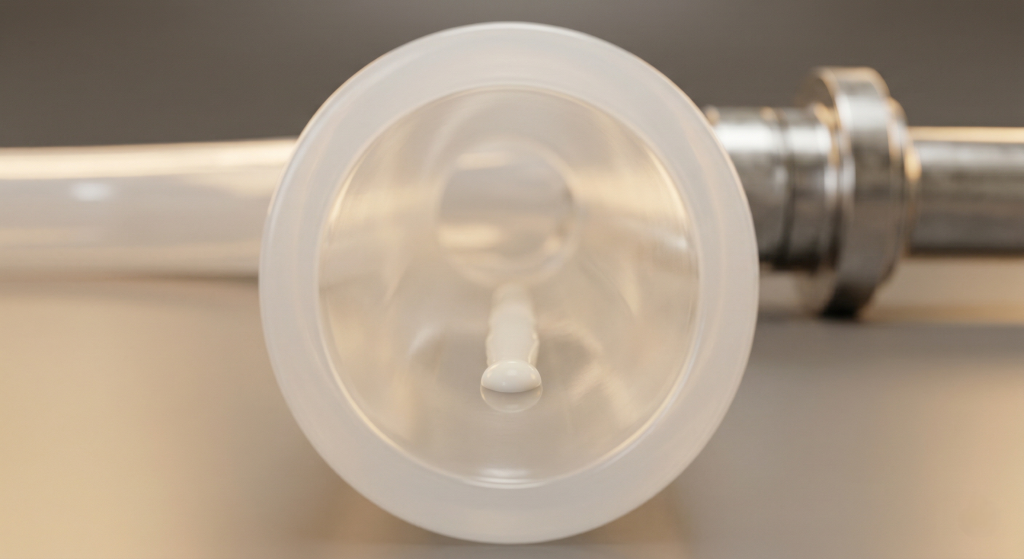
Selecting proper conduits requires evaluating specific inner diameters precisely. Loose fittings cause air leaks constantly. Tight fits tear material during installation. Matching wall thickness against vacuum strength prevents collapse. You must measure current machinery carefully.
How Important Is Factory Manufacturing Capacity?
You might be wondering… buying directly from capable manufacturers ensures consistency.
- Class 100k clean rooms prevent contamination during molding.
- High-tonnage machines produce perfectly uniform walls.
- In-house testing labs guarantee tensile strength.
Working with an established factory guarantees reliable supply chains. Your farm never halts production waiting for parts.
Key Takeaway: Partnering with a capable manufacturer secures your operational stability long-term.
| Supplier Type | Quality Control | Supply Speed |
| Middleman | Unknown | Slow |
| Small Shop | Variable | Inconsistent |
| Certified Factory | Flawless | Fast |
Direct factory partnerships eliminate middleman delays entirely while improving overall quality.
Integrating advanced components solves frequent agricultural headaches while improving overall profitability. Our 13,000 Sqm facility utilizes FDA-compliant materials inside a Class 100k clean room environment. We manufacture precision components supporting global industries relentlessly. Please contact us today regarding custom solutions. Service Oriented, Excellence, Customer First, Joint Development.
FAQ
Q1: Can I use boiling water to clean the hoses?
Yes, absolutely. The material handles extreme thermal shocks without warping or melting.
Q2: What’s the best way to prevent hose collapse?
Choose options featuring thicker walls. Proper thickness resists heavy vacuum suction effortlessly.
Q3: How do I know if the material is safe for food?
Check the manufacturing certifications. Reliable factories provide FDA or LFGB testing documents upon request.
Q4: Can I leave the equipment outside in the sun?
Yes, you can. Synthetic elastomers resist UV radiation naturally without cracking or degrading.
Q5: What’s the best method for finding blockages?
Install transparent variants. Clear walls let operators spot clogs and air leaks instantly.