
Silicone bags are versatile storage solutions designed for modern households seeking durability. You come home from grocery shopping, watching fresh lettuce wilt inside flimsy wrappers. Throwing away spoiled produce wastes hard-earned money quickly. Upgrading kitchen routines requires a sustainable, airtight solution. Premium Silicone Bags provide an ideal environment for keeping meals fresh longer.
What Are Silicone Bags Made Of?
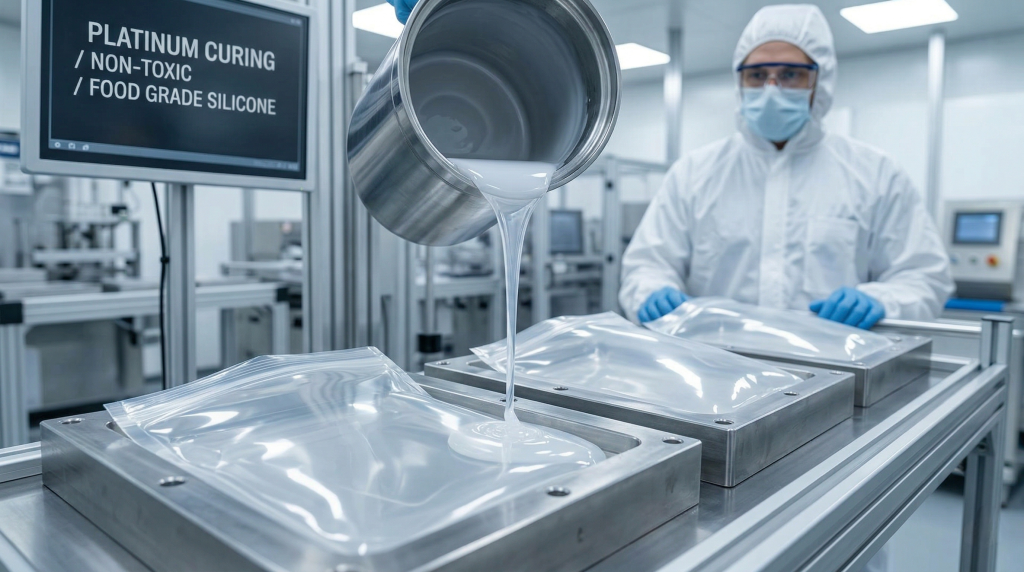
Silicone Bags consist of polymers derived from abundant natural silica. High-quality Silicone Bags utilize platinum-cured materials for extreme durability. These flexible containers resist tearing perfectly. Manufacturers build them for rigorous daily application.
Why Does Material Quality Matter?
Here is the deal: cheap alternatives contain harmful chemical fillers. Authentic silicone remains completely stable under severe thermal stress. Families appreciate this non-toxic composition immensely.
- Platinum processing guarantees absolute material purity.
- High tensile strength prevents accidental ruptures.
- Non-porous surfaces stop bacterial growth immediately.
Key Takeaway: Verifying base materials protects your family from hidden toxins.
| Feature | Platinum Cured | Peroxide Cured |
| Purity | Absolute | Moderate |
| Odor | Zero | Slight |
| Strength | Very High | Average |
Manufacturing choices dictate overall product safety and lifespan.
Are Silicone Bags Safe For Food Storage?
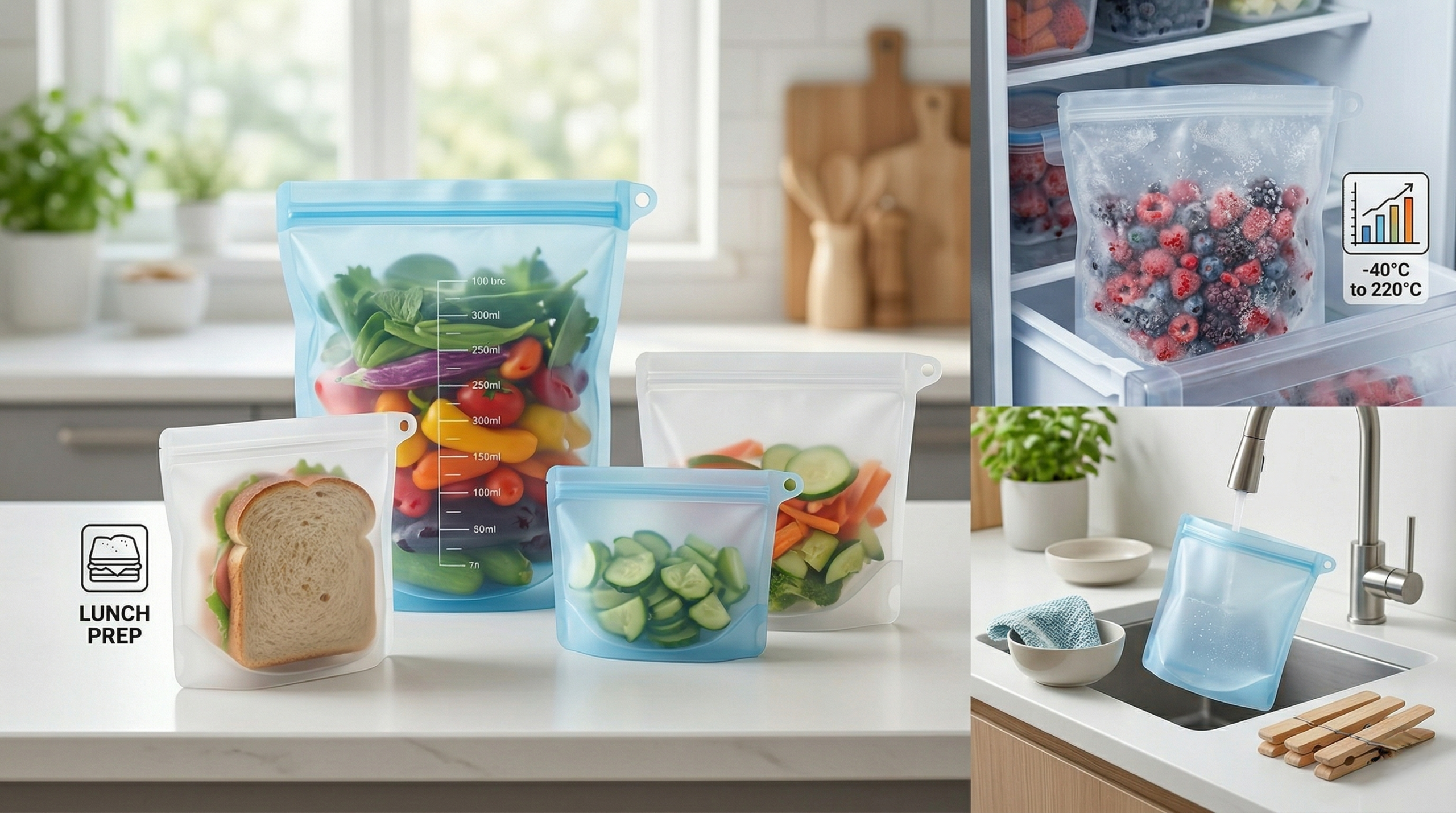
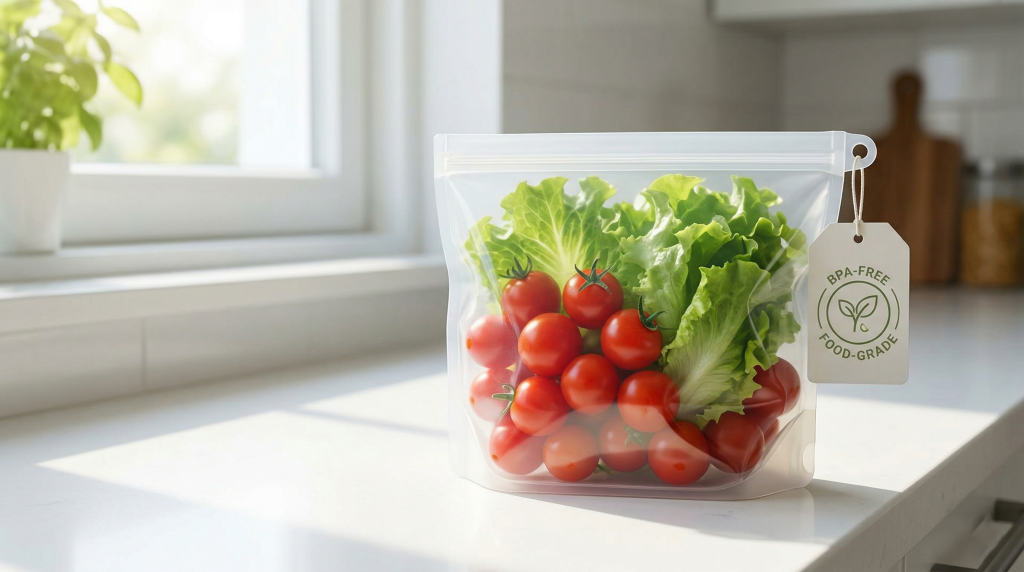
Food-grade Silicone Bags pose zero health risks when storing consumables. They lack harmful chemicals like BPA or phthalates entirely. Medical industries utilize this exact polymer for critical care applications. Families trust these containers for lunch preparation daily.
How Does Silicone Prevent Contamination?
What is the real story? Traditional plastics leach dangerous microplastics into meals over time. Silicone maintains molecular stability constantly across temperature changes. You can rest easy knowing dinners remain completely untainted.
- Hypoallergenic surfaces repel common food allergens.
- Chemical resistance stops highly acidic reactions.
- Tight seals block external airborne pathogens.
Key Takeaway: Medical-grade stability makes these containers perfect for family meals.
| Hazard | Plastic Wrappers | Silicone Containers |
| Microplastics | High Risk | Zero Risk |
| Chemical Leaching | Probable | None |
| Porosity | High | Low |
Scientific testing confirms stable polymers outperform traditional packaging drastically.
How Do Silicone Bags Compare To Plastic Alternatives?
Unlike fragile single-use plastics, premium Silicone Bags offer years of continuous utility. A single pouch replaces thousands of disposable wrappers effortlessly. They feature superior temperature tolerance and incredible mechanical strength. Users save significant money over an extended period.
What Makes Reusable Options Superior?
Ready for the good part? Investing upfront eliminates recurring monthly grocery expenses forever. You reduce household landfill waste dramatically. Cooking becomes much more convenient with stand-up designs.
- Thick walls prevent nasty freezer burn.
- Stand-up designs allow easy liquid pouring.
- Airtight closures stop messy sauce spills.
Key Takeaway: Ditching single-use plastics improves both personal finances and environmental health.
| Metric | Disposable Plastic | Reusable Silicone |
| Lifespan | One week | Five years |
| Temperature Range | Very narrow | Extremely broad |
| Waste Output | Massive | Minimal |
Financial savings accumulate rapidly after switching away from disposable options.
Can Silicone Bags Withstand Extreme Temperatures?
These versatile Silicone Bags handle temperatures ranging from deep freezing up to boiling heat. They will not melt or shatter under severe thermal stress. Moving a prepped meal directly into hot water works perfectly. Users love this seamless cooking transition during busy evenings.
How Do They Handle Heat?
This is where it gets interesting: you can bake food safely inside them without worry. Advanced polymers maintain structural integrity during extreme thermal shocks. Busy parents appreciate saving dirty dishes this specific way.
- Safe for prolonged oven baking applications.
- Perfect for precise sous-vide water baths.
- Excellent for rapid microwave defrosting cycles.
Key Takeaway: Broad thermal tolerance simplifies meal preparation and cleanup routines.
| Environment | Safe Usage | Max Temperature |
| Freezer | Yes | -40°C |
| Microwave | Yes | 220°C |
| Oven | Yes | 220°C |
Thermal resilience allows unparalleled versatility across different cooking methods.
How Should You Clean Silicone Bags Properly?
Maintaining your Silicone Bags requires only warm soapy water or a standard dishwasher cycle. Inverting them allows thorough scrubbing of tricky internal corners. Removing food residues immediately prevents stubborn stains forming. Proper drying guarantees long-lasting kitchen hygiene.
What Are The Best Washing Methods?
But here is the kicker: tossing them into a dishwasher saves massive manual labor. Placing them securely over prongs keeps them open during cycles. Hand washing works best for extending delicate item lifespans.
- Use mild dish detergents always.
- Avoid abrasive scouring pads completely.
- Air dry on wooden racks overnight.
Key Takeaway: Simple maintenance routines keep your containers pristine for years.
| Cleaning Method | Effort Required | Result Quality |
| Dishwasher | Very Low | Excellent |
| Hand Wash | Moderate | Perfect |
| Boiling Water | Low | Sanitized |
Consistent cleaning habits extend container life significantly while maintaining hygiene.
Do Silicone Bags Retain Strong Odors?
While naturally resistant, Silicone Bags can absorb pungent smells like garlic occasionally. Removing these scents requires simple household baking soda applications. Baking soda neutralizes trapped acidic compounds incredibly effectively. White vinegar solutions also work wonders for stubborn smells.
How Can You Eliminate Persistent Smells?
You might be wondering: what happens after storing heavily chopped onions inside? Creating a thick baking soda paste solves this completely. Leaving this mixture overnight draws out unwanted aromas perfectly.
- Coat interior walls with thick paste.
- Let sit for twelve consecutive hours.
- Rinse thoroughly with warm running water.
Key Takeaway: Natural household ingredients easily refresh containers after storing pungent foods.
| Odor Source | Recommended Treatment | Wait Time |
| Onion/Garlic | Baking Soda Paste | 12 Hours |
| Spicy Curry | White Vinegar Soak | 2 Hours |
| Fish | Lemon Juice Rinse | 1 Hour |
Proactive odor management keeps your storage system smelling fresh constantly.
What Are The Best Uses For Silicone Bags?
Beyond kitchen duties, Silicone Bags organize travel toiletries and electronic cables beautifully. Their waterproof nature protects valuable items during rough outdoor adventures. Packing healthy snacks becomes incredibly convenient for busy commuters. Creative organizers find endless clever applications daily.
Can I Use Them Outside The Kitchen?
Here is the deal: these pouches excel at protecting delicate electronics near open water. Makeup enthusiasts use them for storing liquid cosmetics during flights. Parents organize small plastic toys effortlessly.
- Waterproofing mobile phones at sandy beaches.
- Organizing messy art supplies incredibly quickly.
- Storing wet bathing suits after swimming sessions.
Key Takeaway: Flexible storage solutions adapt perfectly to any domestic organizational challenge.
| Use Case | Benefit | Ideal Size |
| Meal Prep | Portion Control | Medium |
| Toiletries | Leak Prevention | Small |
| Beach Gear | Water Resistance | Large |
Expanding usage beyond food storage maximizes return on your investment.
How Long Will Silicone Bags Actually Last?
With proper care, high-quality Silicone Bags function flawlessly for five to ten years. Their durable construction resists degradation from daily washing cycles. They never become brittle like cheap plastic containers do over time. Long lifespans make them highly economical long-term investments.
What Causes Premature Wear?
What is the real story? Sharp kitchen knives cause fatal punctures almost instantly upon contact. Abrasive sponges create microscopic scratches over several months. Avoiding sharp metal objects preserves structural integrity completely.
- Keep away from direct open flames.
- Never use sharp metal carving utensils.
- Store flat avoiding heavy material creasing.
Key Takeaway: Following basic care guidelines guarantees decades of reliable container performance.
| Damage Type | Prevention Method | Severity |
| Punctures | Avoid sharp objects | Fatal |
| Stains | Wash immediately | Cosmetic |
| Scratches | Use soft sponges | Minor |
Protecting against mechanical damage guarantees maximum longevity for every pouch.
Are Silicone Bags Truly Eco-Friendly?
Replacing thousands of disposable wrappers makes Silicone Bags an exceptionally green choice. Manufacturing them requires less fossil fuels than producing endless single-use plastics. They do not break down into toxic microplastics across our oceans. Specialized recycling facilities can process them highly efficiently.
How Do They Benefit Our Planet?
Ready for the good part? Every reusable pouch prevents massive domestic landfill accumulation. Carbon footprints shrink when households stop buying disposable goods monthly. Wildlife stays protected from floating plastic marine debris.
- Reduces domestic trash output drastically daily.
- Lowers global petroleum consumption rates steadily.
- Supports circular economy initiatives effectively worldwide.
Key Takeaway: Sustainable storage choices directly contribute toward a cleaner global environment.
| Environmental Factor | Single-Use Plastics | Reusable Silicone |
| Ocean Pollution | Severe | Negligible |
| Microplastic Shedding | High | Zero |
| Recyclability | Poor | Specialized |
Shifting consumer habits toward reusable goods reduces global pollution drastically.
How To Choose The Right Silicone Bags?
Selecting optimal Silicone Bags requires evaluating closure mechanisms and material thickness carefully. Pinch-press seals offer incredible convenience for quick snack access. Slider bars provide maximum leak protection for storing liquid soups. Consider your primary daily needs before making a purchase.
Which Features Matter Most?
This is where things get interesting: bottom designs dictate usability during meal preparation. Flat bottoms allow bags to stand upright during messy filling. Transparent sides help identify internal contents instantly.
- Look for pure platinum curing methods.
- Check maximum temperature ratings before buying.
- Confirm seals close tightly without visible gaps.
Key Takeaway: Evaluating specific product features guarantees your purchase matches daily routines.
| Feature | Best For | Benefit |
| Flat Bottom | Soups and liquids | Hands-free filling |
| Pinch Seal | Snacks and dry goods | Quick access |
| Slider Bar | Heavy marinades | Maximum security |
Matching container designs perfectly with specific culinary tasks optimizes cooking experiences.
Conclusion
Upgrading kitchen storage transforms messy cabinets into organized, highly efficient spaces. Eliminating disposable wrappers saves money while protecting our fragile ecosystem. You deserve high-quality solutions that simplify daily meal preparation effortlessly. For personalized recommendations regarding your setup, please contact us today anytime. We remain committed toward engineering sustainable products raising global family health.
FAQ
Q1: Can I put these bags in the dishwasher?
Yes, they handle dishwasher cycles perfectly without sustaining any structural damage. Placing them over prongs keeps them completely open for thorough cleaning.
Q2: What’s the best way to dry them completely?
Air drying upside down works best for removing internal water droplets. Using a wooden rack allows proper air circulation, preventing hidden moisture buildup.
Q3: How do I know if my bags are food-grade?
Check manufacturer specifications for platinum-cured materials before finalizing your purchase. Authentic products will never turn white when stretched tightly across corners.
Q4: Can I freeze liquids safely inside them?
Yes, but always leave room for expansion at the top. Liquids expand when frozen, so filling them partially prevents seal rupture.
Q5: Are these containers safe for boiling water?
Absolutely, they tolerate high temperatures easily without melting or degrading structurally. This feature makes them ideal for precise sous-vide cooking applications globally.