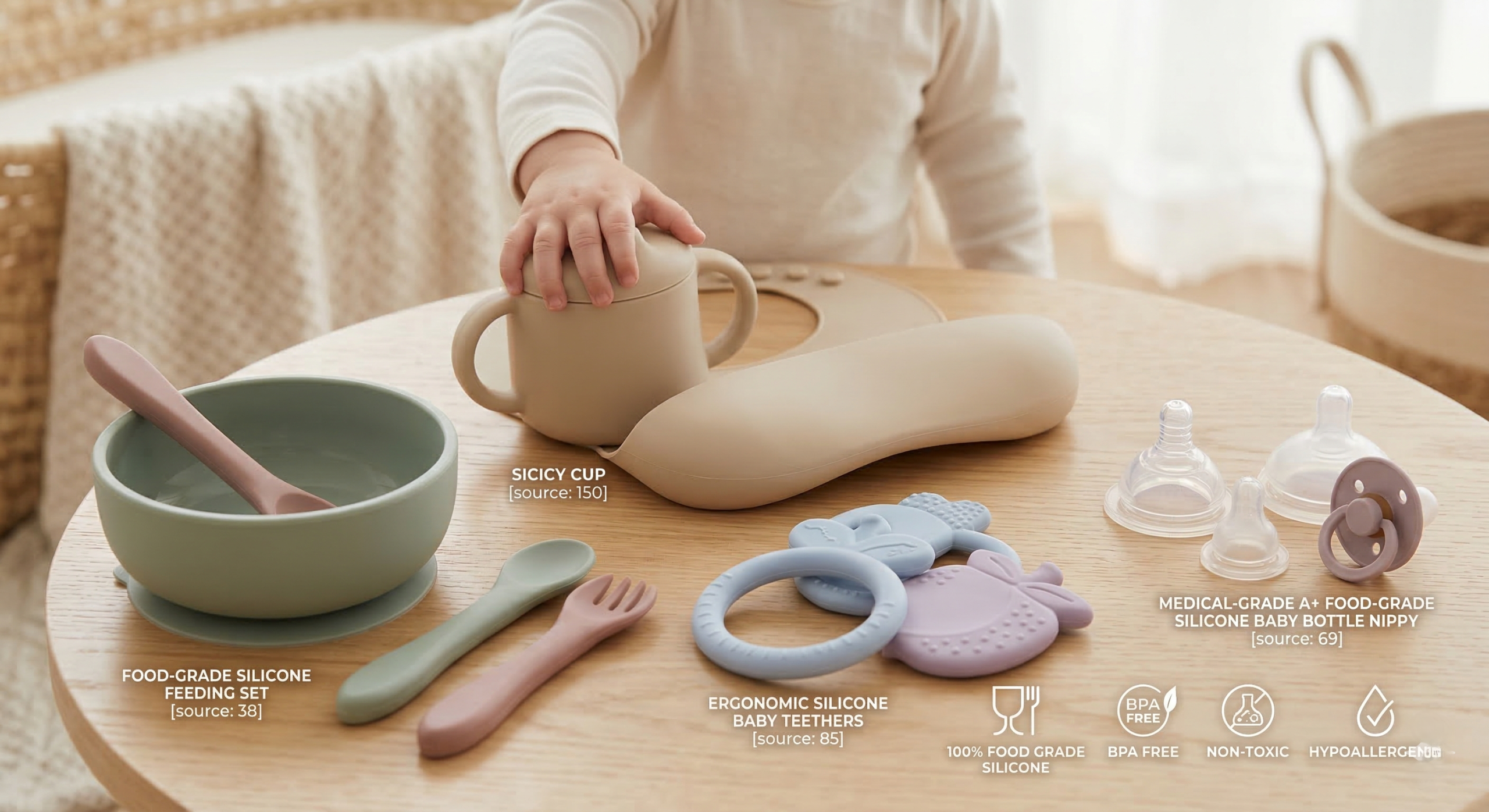
Yes, food grade silicone is the gold standard for safety in modern infant care products. Many traditional manufacturing materials rely on cheap plastics that may leach harmful chemicals when heated or worn down over time. This creates a significant risk for brand owners and parents who demand the highest purity for is silicone safe for babies applications. By integrating high-purity Mother & Baby Care Solutions, you can provide a chemically inert and durable alternative that ensures total peace of mind.
Why is Food Grade Silicone Best for Baby Products?
Food grade silicone is superior because it is a non-porous, hypoallergenic material that resists bacterial growth and chemical degradation. Its inert nature means it does not react with food or liquids, ensuring that no unwanted flavors or toxins are transferred to the child. You will find that its soft texture is also gentler on developing teeth and gums compared to rigid plastics.
Essential Benefits of Silicone for Newborns
Silicone provides a unique combination of flexibility and safety that is unmatched by synthetic rubbers. Because it is free from petroleum-based chemicals, it remains the preferred choice for sensitive skin and oral contact.
Think about this:
- Hypoallergenic properties reduce skin irritation risks.
- Non-porous surfaces prevent mold and mildew buildup.
- Soft-touch finish mimics natural textures for comfort.
Durability and Longevity in Daily Use
Unlike plastic which becomes brittle over time, silicone maintains its structural integrity even after years of heavy use. This resilience makes it a cost-effective choice for B2B distributors looking to minimize product returns and defects.
Here is the thing:
- High tensile strength prevents tearing from biting.
- Resistance to UV light prevents fading or cracking.
- Compression sets ensure products retain their original shape.
Key Takeaway: Silicone’s chemical stability and physical resilience make it the most reliable material for high-frequency baby product use.
| Feature | Impact on Safety/Durability |
|---|---|
| Non-Porous Surface | Eliminates bacterial hideouts and odors |
| High Tensile Strength | Reduces choking hazards from broken pieces |
This data confirms why silicone outlasts traditional materials in demanding nursery environments.
Is Silicone Safe for Babies in Modern Manufacturing?
Yes, the manufacturing process for is silicone safe for babies involves high-temperature curing that removes volatile organic compounds. Modern factories utilize closed-loop systems to ensure that no external contaminants enter the material stream during production. This controlled environment is essential for maintaining the high standards required for maternal and infant health products.
Adhering to Safety Standards for Every Industry
Compliance with international regulations is the foundation of any reputable silicone manufacturing operation. When you review industry-specific standards, you see that FDA and LFGB certifications are mandatory for proving non-toxicity.
Check this out:
- FDA (US) standards focus on food contact safety.
- LFGB (Europe) requires stricter testing for sensory neutrality.
- ISO 9001 systems ensure batch-to-batch consistency.
Comparing Silicone to Traditional Plastic Polymers
Silicone stands apart from plastics because it does not require plasticizers like bisphenol-A to remain flexible. While many plastics claim to be “BPA-free,” they often substitute other bisphenols that may still carry hormonal risks.
Look at this:
- Silicone is made from silica (sand), not petroleum.
- It does not off-gas harmful chemicals at room temperature.
- The material remains stable without the need for toxic stabilizers.
Key Takeaway: Modern manufacturing protocols ensure that silicone remains a clean, petroleum-free alternative to hazardous plastics.
| Material Type | Primary Safety Advantage |
|---|---|
| Food Grade Silicone | Zero leaching of plasticizers or BPA |
| Standard Plastics | High risk of chemical migration over time |
This comparison highlights the fundamental chemical superiority of silicone in sensitive baby applications.
What Makes Food Grade Silicone Non-Toxic?
The non-toxic nature of silicone stems from its inorganic backbone of silicon and oxygen atoms. This molecular structure is incredibly stable, preventing the material from breaking down into smaller, ingestible particles. Unlike organic polymers, it does not provide a food source for bacteria, keeping the product naturally hygienic.
The Role of Silica in Material Purity
Silica is the primary raw material used to create the siloxane chains that form silicone rubber. This earth-derived element is abundant and inherently safe, providing a clean foundation for all food-contact grades.
Here is the secret:
- High-purity silica ensures a transparent and clean base.
- Inorganic structure resists environmental oxidation.
- Natural resistance to high-energy radiation and ozone.
Eliminating BPA, Phthalates, and Heavy Metals
A major advantage of silicone is the total absence of endocrine-disrupting chemicals often found in lower-grade synthetics. By choosing high-purity grades, you ensure that the final product is free from lead, mercury, and other heavy metal contaminants.
But wait, there’s more:
- Zero phthalates used for flexibility or softening.
- Naturally PVC-free without the need for additives.
- Compliant with REACH regulations for chemical safety.
Key Takeaway: The inorganic origin of silicone eliminates the need for the toxic additives commonly found in plastic production.
| Contaminant | Presence in Silicone |
|---|---|
| BPA/BPS | 0% |
| Phthalates | 0% |
These metrics demonstrate the inherent purity of silica-based polymers for infant products.
How Does Medical Grade Silicone Differ for Baby Care?
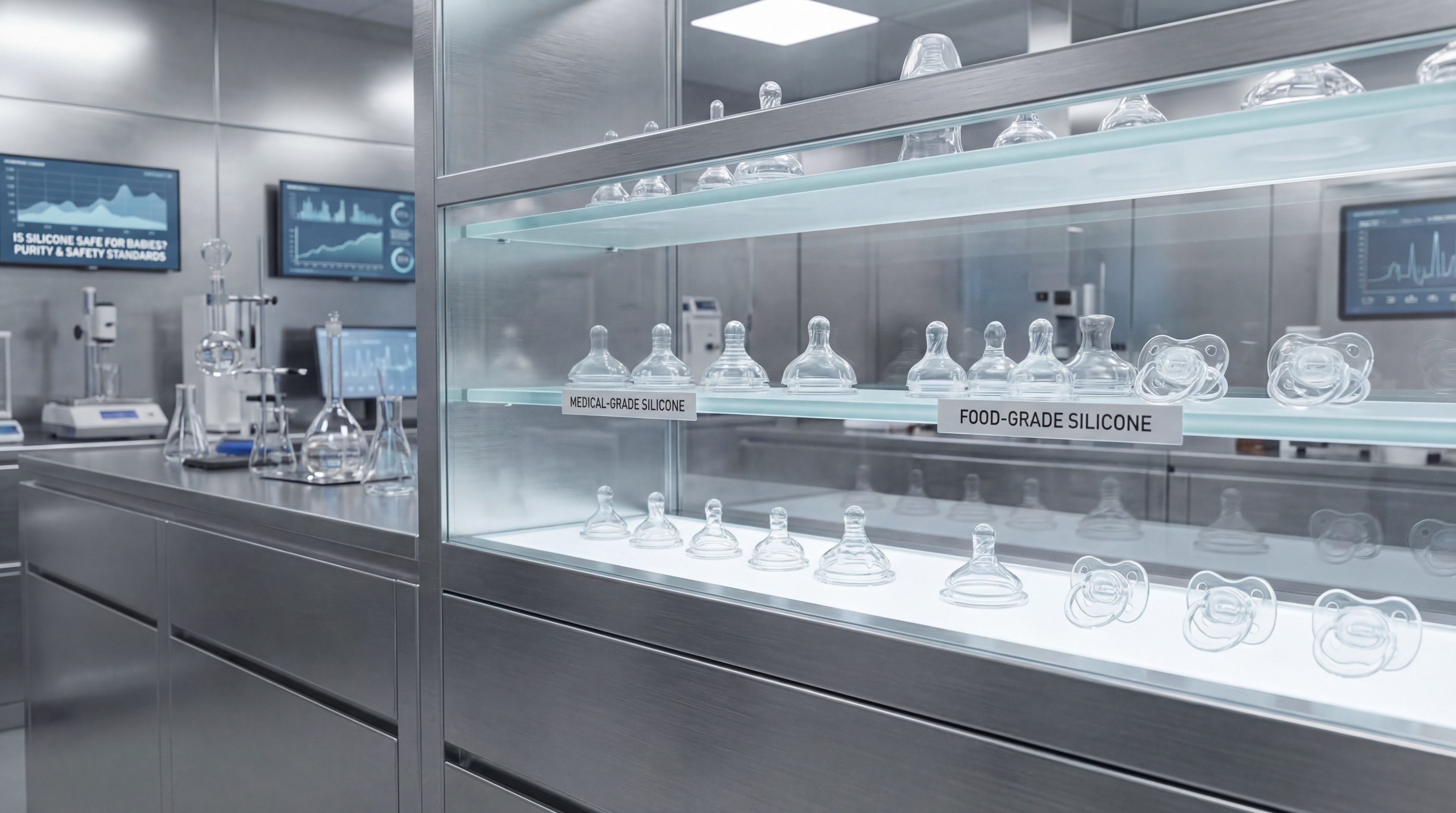
Medical grade silicone offers the highest level of purity by utilizing platinum-cured catalysts instead of peroxide. This ensures that is silicone safe for babies even in the most sensitive applications like bottle nipples and medical-grade pacifiers. For many brands, choosing medical grade silicone parts is a strategic move to signify premium safety and quality.
The Superior Purity of Liquid Silicone Rubber (LSR)
Liquid Silicone Rubber is processed in a sterile, automated injection molding environment to prevent human error and contamination. This method produces parts with high clarity and no residual odors, which is critical for infant acceptance.
You’ll want to see this:
- Automated dosing ensures precise chemical ratios.
- Platinum curing eliminates “blooming” or white residue.
- Closed systems prevent airborne dust from entering the mold.
Biocompatibility Standards for Sensitive Skin
Medical-grade materials are tested for cytotoxicity and skin irritation to ensure they are safe for prolonged contact. This level of testing goes beyond standard food-grade requirements to protect the most vulnerable users.
It gets even better:
- ISO 10993 testing validates biological safety.
- Latex-free composition prevents common allergic reactions.
- Ultra-smooth surface reduces friction against delicate skin.
Key Takeaway: Medical grade and LSR technology represent the peak of safety, offering unmatched purity for premium baby gear.
| Process Type | Purity Level |
|---|---|
| Platinum-Cured LSR | Extreme (No byproducts) |
| Peroxide-Cured | High (Standard food grade) |
Technical processing choices directly determine the final safety profile of the silicone component.
Is Silicone Safe for Babies to Chew on During Teething?
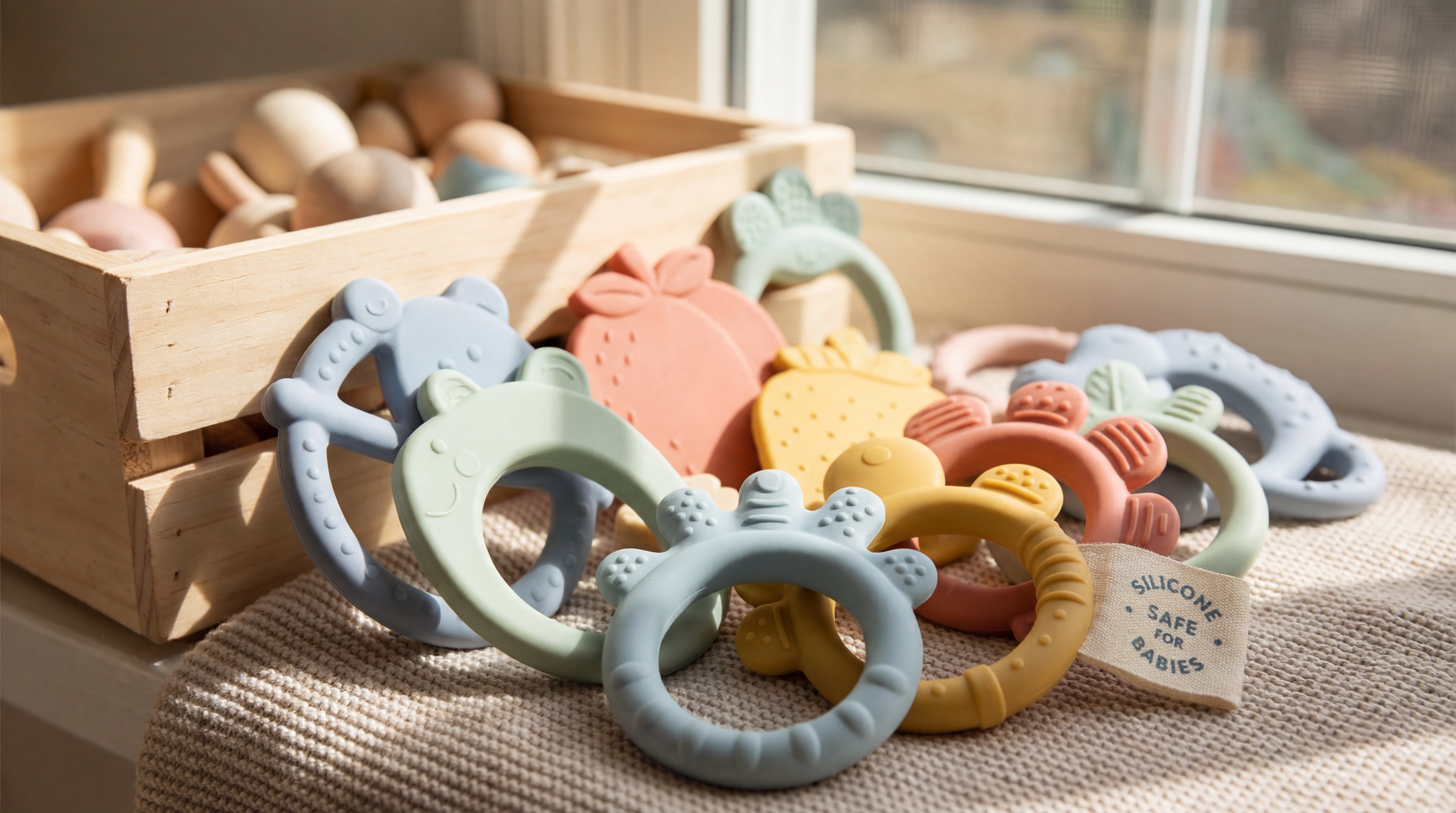
Yes, silicone is the ideal teething material because it provides the perfect balance of firmness for gum relief and softness for safety. It can be chilled in the refrigerator to provide a cooling effect without becoming so hard that it damages the mouth. Its high tear strength ensures that even the most aggressive chewers cannot bite off small pieces that could lead to choking.
Soft Textures for Soothing Sore Gums
The varying shore hardness of silicone allows for the creation of multiple textures on a single teething toy. These ridges and bumps help massage the gums and stimulate the sensory development of the child.
Look at this:
- Adjustable hardness levels (Shore A) for different teething stages.
- Integrated textures for sensory stimulation.
- Consistent temperature retention for cooling relief.
Structural Integrity and Anti-Choking Design
Because silicone is molded as a single piece, there are no joints or small parts that can break off during use. This structural unity is a key safety feature that protects babies from accidental ingestion.
Here is why it matters:
- One-piece construction eliminates weak points.
- High elongation prevents snapping under pressure.
- Bite-resistant material maintains its shape indefinitely.
Key Takeaway: Silicone teethers provide a safer, more effective solution for gum relief than liquid-filled or plastic alternatives.
| Hazard | Silicone Performance |
|---|---|
| Choking | Low risk due to high tear strength |
| Puncturing | Superior resistance compared to water-filled toys |
The physical properties of silicone make it the safest choice for products intended for oral exploration.
Which Silicone Baby Products are Most Essential?
Feeding sets, pacifiers, and hygienic bibs are the most essential items for any modern is silicone safe for babies product line. These items come into direct contact with food or the baby’s mouth multiple times a day, making material safety non-negotiable. You should focus on ergonomic designs that support self-feeding and healthy oral development.
Ergonomic Spoons and Self-Feeding Utensils
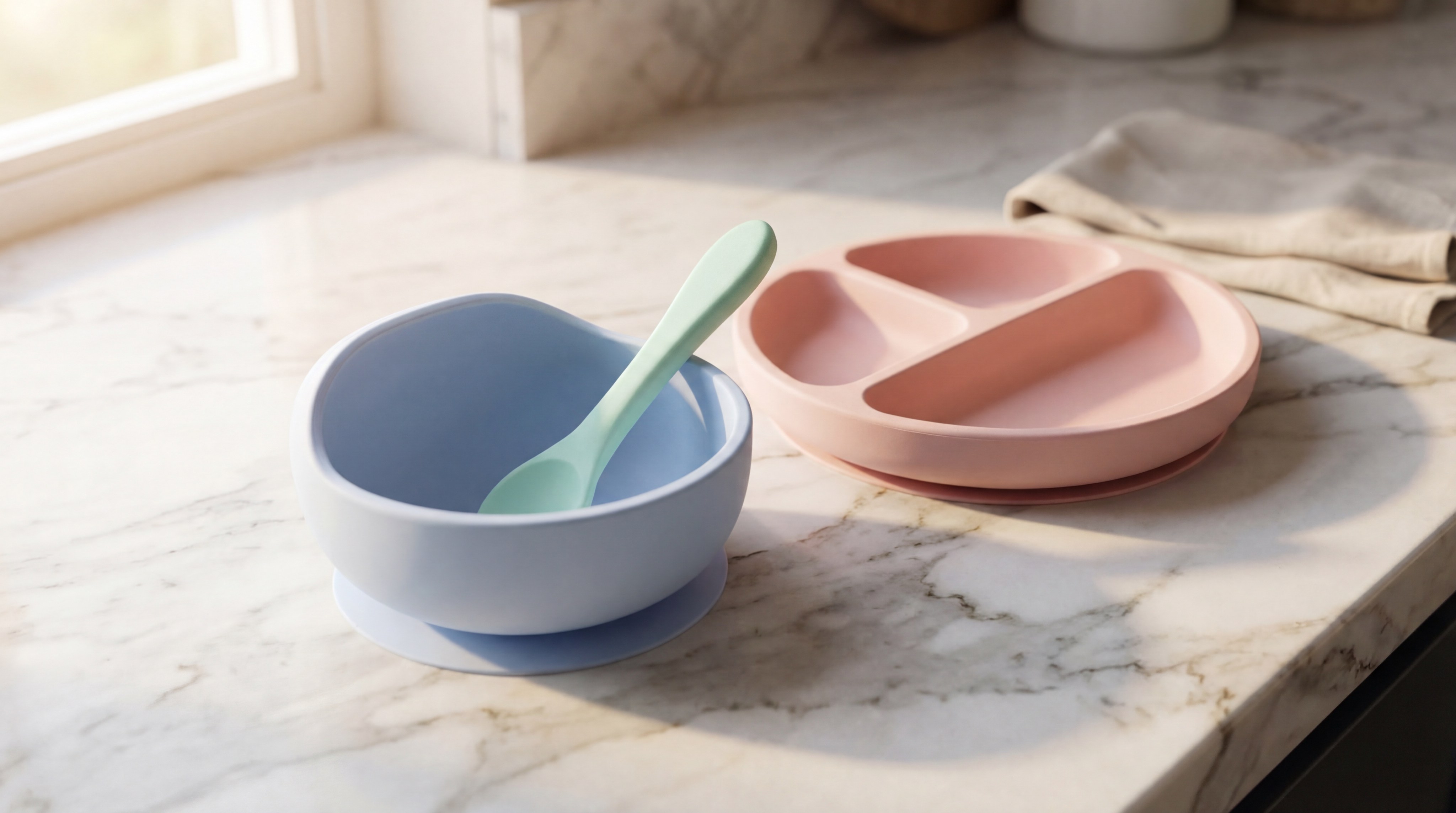
Soft-tip spoons prevent injury to sensitive mouths while allowing babies to practice their fine motor skills. Silicone’s natural grip also makes it easier for small hands to hold compared to slippery plastic or metal.
Consider these facts:
- Flexible tips protect soft palates and gums.
- Non-slip handles improve grip for toddlers.
- Shallow bowls prevent overfeeding during transitions.
Anti-Colic Bottle Nipples and Pacifiers
Precision-molded nipples mimic the natural feel of breastfeeding to reduce nipple confusion and improve latching. Silicone’s ability to maintain a consistent flow rate is vital for preventing the ingestion of excess air.
Check this out:
- Variable flow rates accommodate different growth stages.
- Integrated vents reduce air intake and colic.
- Orthodontic shapes support healthy jaw alignment.
Hygienic Suction Bowls and Feeding Mats
Strong suction bases prevent spills and messes, while the easy-clean surface allows for rapid sanitation between meals. These custom silicone products are essential for maintaining a clean and safe eating environment.
Think about this:
- Vertical walls help toddlers scoop food easily.
- Wide suction bases stick to most high-chair trays.
- Raised edges on mats contain liquid spills effectively.
Key Takeaway: Prioritizing essential feeding and soothing items ensures your brand covers the most critical touchpoints of baby safety.
| Product Category | Essential Safety Feature |
|---|---|
| Feeding Spoons | Soft, rounded edges for gum protection |
| Suction Bowls | Secure attachment to prevent hot food spills |
Focusing on these core products maximizes both consumer utility and infant safety.
Is Silicone Safe for Babies When Heating or Freezing?
Yes, silicone is remarkably stable across a wide temperature range, making it safe for both microwave heating and freezer storage. Unlike many plastics, it does not release harmful chemicals or develop micro-cracks when exposed to extreme thermal shifts. This versatility allows you to go from storing breast milk in the freezer to warming it in a bottle without changing containers.
Thermal Stability from Microwave to Freezer
The siloxane bonds in silicone are highly resistant to thermal energy, maintaining their properties from -60°C to 230°C. This makes silicone the only material safe for sterilization in high-heat autoclaves and boiling water.
Here is the thing:
- Microwave safe for quick food preparation.
- Dishwasher safe for high-temperature sanitization.
- Freezer safe for storing homemade baby purees.
Prevention of Chemical Leaching at High Temperatures
Research shows that is silicone safe for babies because it does not migrate into food even at boiling temperatures. This is a critical advantage over plastics, which can release endocrine disruptors when exposed to heat.
You’ll want to see this:
- No “plastic taste” or odor transfer to food.
- Resistant to steam and boiling water degradation.
- Maintains flexibility even in sub-zero temperatures.
Key Takeaway: Silicone’s extreme temperature tolerance makes it the most versatile and safe material for modern kitchen-to-nursery workflows.
| Environment | Silicone Reaction |
|---|---|
| Boiling Water | No degradation or chemical release |
| Deep Freezer | Remains flexible and crack-resistant |
Thermal stability is a primary differentiator that makes silicone safer for heating infant nutrition.
Why Partner with an ISO Certified Silicone Factory?
Partnering with an ISO-certified facility ensures that your is silicone safe for babies products are manufactured under a strict Quality Management System. This certification guarantees that the factory follows standardized procedures for material sourcing, production, and final inspection. Learning more about our manufacturing excellence will help you understand how we mitigate risks for global B2B clients.
Ensuring Consistency Through Rigorous Quality Control
In-house mold making and automated production lines reduce the variability that can lead to product defects. A certified factory will conduct 100% inspections on critical dimensions and appearance to ensure every unit is perfect.
Here is why it matters:
- Incoming material testing prevents contaminated raw stock.
- In-process monitoring catches defects before they scale.
- Final inspection reports provide documented safety proof.
The Importance of Raw Material Traceability
A professional factory maintains detailed records of every batch of raw silicone used in production. This traceability is essential for meeting the strict regulatory requirements of the medical and infant care industries.
Look at this:
- Batch numbers link finished products to raw material lots.
- Certification of Compliance (CoC) provided for every order.
- Third-party lab testing validates non-toxic claims.
Key Takeaway: ISO certification and material traceability are the ultimate safeguards for maintaining brand reputation and infant safety.
| Quality Metric | Factory Protocol |
|---|---|
| Dimensions | Precision measurement with CCD visual systems |
| Purity | FDA/LFGB compliant material documentation |
Professional manufacturing standards are the only way to guarantee consistent safety in high-volume production.
How Should Parents Clean Silicone Baby Essentials?
Parents can easily clean silicone products because they are compatible with almost all household sterilization methods. Whether using a steam sterilizer, boiling water, or a standard dishwasher, silicone maintains its finish without clouding or becoming sticky. This ease of maintenance is a major selling point for busy families prioritizing hygiene.
Dishwasher Safety and High-Heat Sterilization
Silicone is naturally hydrophobic and repels water, which allows it to dry quickly and stay clean longer. It can withstand the harsh detergents and high heat of a dishwasher without losing its vibrant color or soft texture.
It gets even better:
- Top-rack dishwasher safe for daily cleaning.
- Safe for 5-minute boiling water sterilization.
- Compatible with UV and steam sterilizing machines.
Maintaining Odor and Stain Resistance Over Time
Because it is a non-porous material, silicone does not absorb food smells or stains from colorful purees like carrots or squash. This ensures that the products remain looking and smelling new even after months of use.
Check this out:
- Smooth surface prevents food particles from sticking.
- Inert chemistry resists staining from acidic foods.
- Quick-dry properties inhibit the growth of bacteria.
Key Takeaway: Low-maintenance hygiene is a primary driver for silicone’s popularity among parents and healthcare providers.
| Cleaning Method | Effect on Silicone |
|---|---|
| Steam Sterilizer | 100% safe, ensures total sanitation |
| Standard Scrubbing | Effective due to non-stick surface |
The simplicity of sanitizing silicone products supports long-term health and product satisfaction.
What is the Future of Sustainable Silicone Baby Gear?
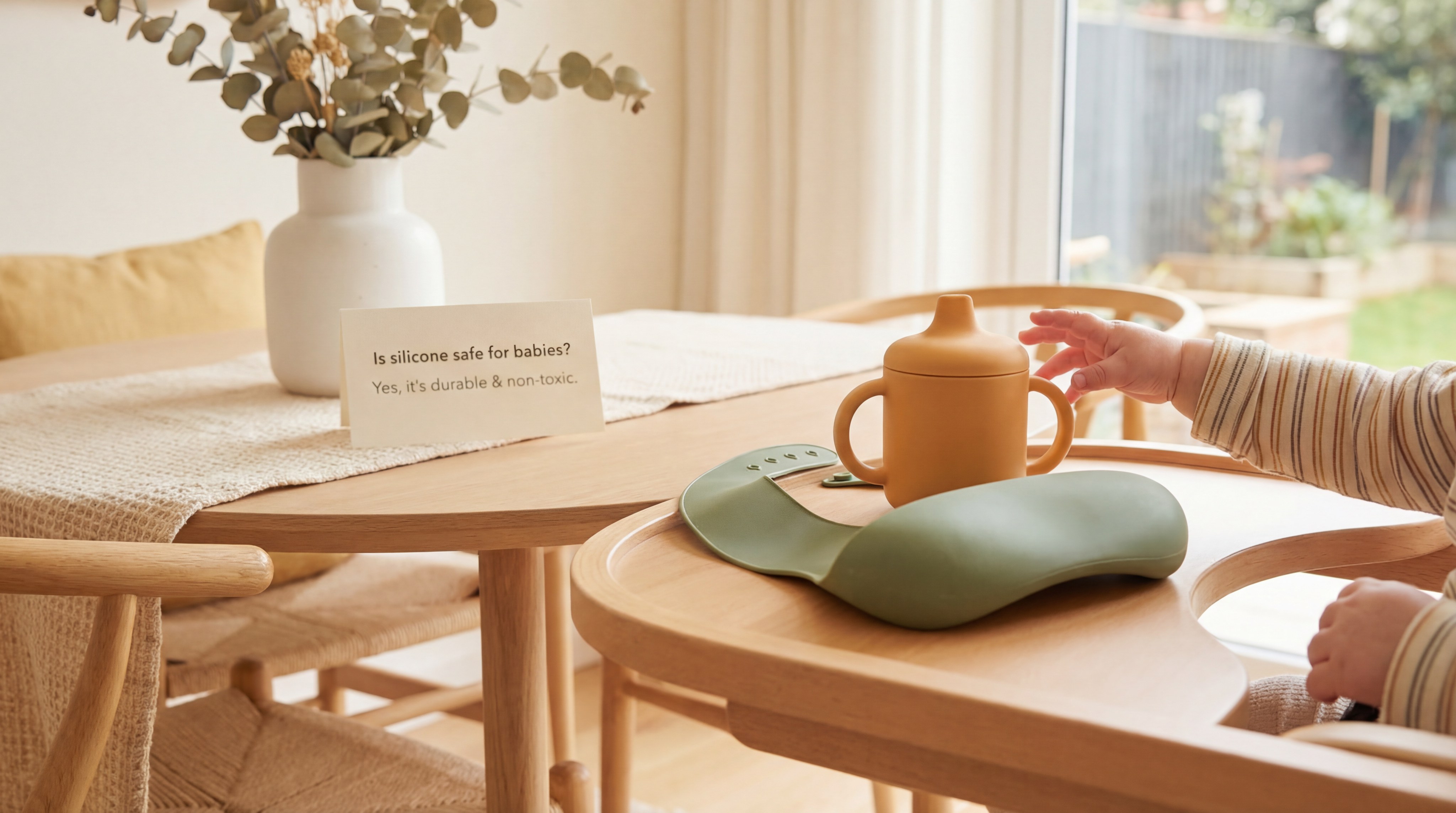
The future of the industry is focused on circularity and reducing the environmental impact of traditional plastic waste. As more consumers ask is silicone safe for babies, they are also looking for products that are eco-friendly and long-lasting. Silicone’s extreme durability means fewer products end up in landfills, making it a sustainable choice for the next generation.
Reducing Plastic Waste with Eco-Friendly Alternatives
Switching from disposable or short-lived plastics to reusable silicone significantly reduces a household’s carbon footprint. Silicone can eventually be recycled back into industrial lubricants or recycled rubber products at the end of its life cycle.
Here is the goal:
- Longer product lifespans reduce total consumption.
- Replacement of single-use plastics in the nursery.
- Lower environmental toxicity compared to PVC or lead.
Innovations in Liquid Silicone Injection Molding
Advancements in LSR technology are allowing for even thinner, lighter, and more complex designs that use less raw material. This precision manufacturing reduces waste during the production process and enables new functional features for baby care.
Look at this:
- Overmolding allows for hybrid material safety.
- Multi-cavity molds increase efficiency and reduce energy use.
- Precision dosing minimizes raw material scrap.
Key Takeaway: Silicone is the bridge between high-performance safety and a more sustainable, plastic-free future for baby products.
| Sustainability Factor | Silicone Advantage |
|---|---|
| Lifespan | 5-10x longer than equivalent plastic items |
| Recyclability | Possible through specialized industrial programs |
Investing in silicone is a commitment to both infant health and global environmental responsibility.
Frequently Asked Questions
Can I put silicone baby products in the microwave?
Yes, food grade silicone is microwave-safe and can withstand temperatures up to 230°C. It does not leach chemicals even when exposed to high heat for extended periods.
What’s the best way to remove a stain from a silicone bib?
A simple mixture of baking soda and water is the best natural way to remove stubborn stains. Because silicone is non-porous, most stains sit on the surface and are easily lifted.
Can I freeze breast milk in silicone containers?
Yes, silicone is freezer-safe and remains flexible even at sub-zero temperatures. It protects the nutritional integrity of the milk without adding any odors or chemicals.
What is the best age to start using silicone spoons?
Four to six months is the ideal time as babies begin their transition to solid foods. The soft texture protects their developing gums during this sensitive phase.
Can I sterilize silicone pacifiers every day?
Yes, daily sterilization in boiling water is safe and recommended for infants under six months old. Silicone will not degrade or become brittle from frequent high-heat exposure.
Conclusion
Choosing food grade silicone addresses the critical concerns of chemical leaching, bacterial growth, and product durability that plague traditional plastic alternatives. We understand that your priority is providing a safe, non-toxic environment for the next generation. Our mission is to support your brand with precision-engineered solutions that meet the highest global safety benchmarks. If you are ready to upgrade your product line or need expert guidance on material selection, please contact us today. Together, we can build a future where every baby product is built on a foundation of purity, quality, and care.