
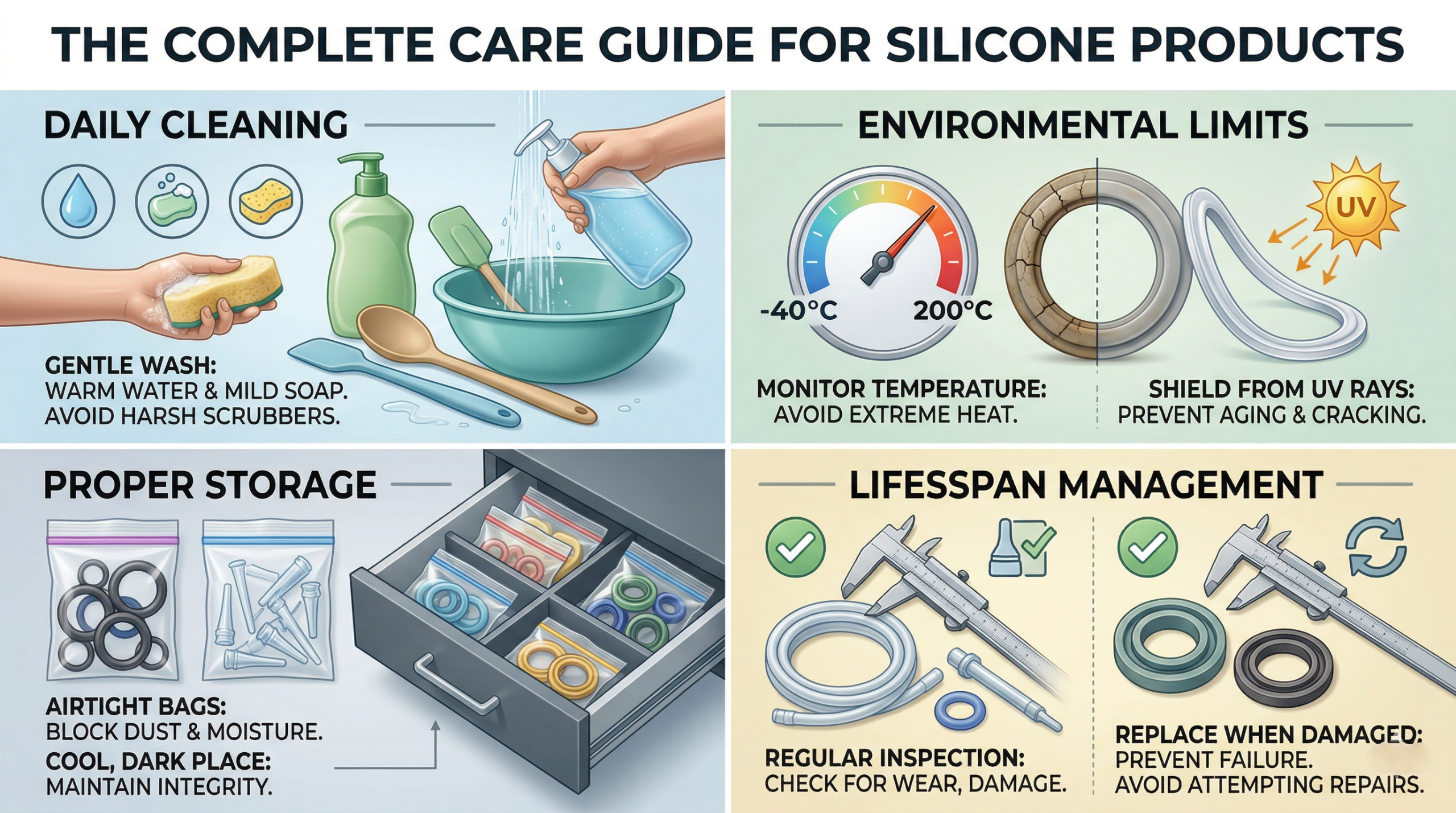
The complete care guide for silicone products requires regular washing, avoiding sharp abrasives, and maintaining proper storage away from extreme heat. You often face frustrating problems regarding premature component failure within harsh industrial settings. Replacing degraded seals or keypads constantly wastes money and disrupts production timelines. Proper maintenance offers a reliable fix for keeping your equipment running smoothly. built with high-grade materials require specific handling for retaining their durability. Partnering with certified manufacturers gives you confidence in managing these components effectively.
What Are the Basics of Silicone Products Care?
The basics of caring for Silicone Products require gentle washing, avoiding extreme chemical exposure, and storing them indoors safely. You must protect every piece of equipment from abrasive damages for functioning correctly over time. This simple routine prevents premature material degradation effectively. Maintaining these standards protects your long-term investment.
Why Is Routine Maintenance Required?
Routine maintenance prevents minor issues from escalating into major operational failures. Here is the deal… when you ignore daily cleaning, dirt and oils build up rapidly. You will experience fewer production downtimes by sticking closely with strict schedules.
- It extends total lifespan of that item.
- It keeps surface textures smooth and hygienic.
- It guarantees high performance during high-stress applications.
How Does Temperature Affect Them?
High temperatures cause untreated materials to warp rapidly, while freezing conditions might reduce flexibility. You must strictly monitor operational environments for avoiding sudden thermal shocks.
This is where it gets interesting… high-quality manufacturing prevents most thermal damage inherently. However, prolonged exposure toward extreme heat will still reduce durability.
| Factor | Ideal Range | Impact of Extremes |
| Temperature | -40°C up through 200°C | Warping or cracking |
| Cleaning | Mild Soap | Chemical breakdown |
| Storage | Dry, dark place | Structural degradation |
This table illustrates that staying within recommended parameters drastically reduces risks regarding structural failure.
Key Takeaway: Implementing basic care routines safeguards your components against environmental and mechanical stress reliably.
How to Clean Food-Grade Silicone Products?
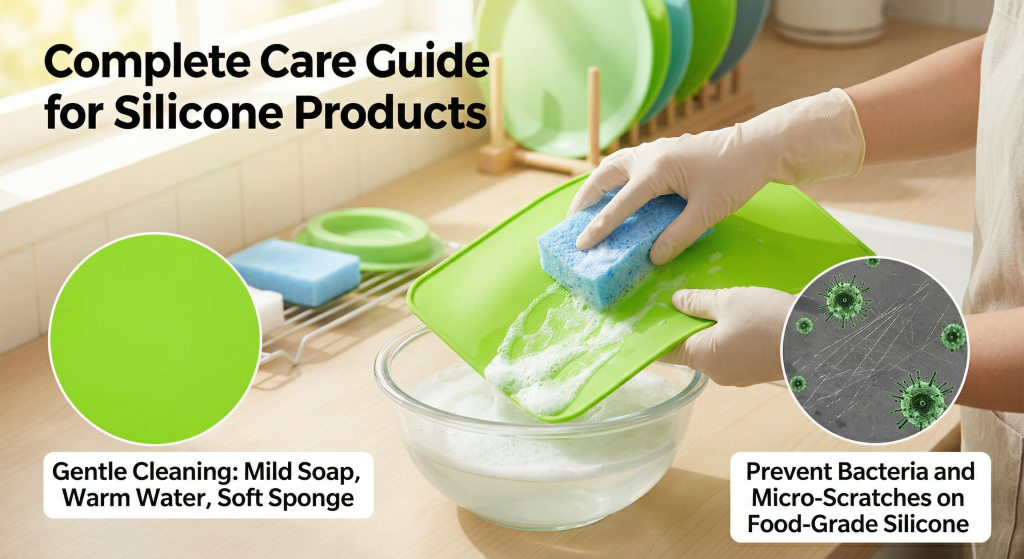
Cleaning food-grade Silicone Products involves using warm water, mild dish soap, and non-abrasive sponges for removing residue safely. You must wash these items immediately after use for preventing stubborn food particles from hardening. Harsh scouring pads create micro-scratches where harmful bacteria easily multiply. A gentle approach preserves non-toxic properties of this material.
What Is the Best Daily Cleaning Method?
The most effective daily cleaning method utilizes simple mixtures of warm water and grease-cutting soap. What is the real story? Food grease binds tightly onto rubber surfaces if left unwashed over extended periods. You should soak heavily soiled items for ten minutes before wiping them down.
- Always use soft cloths for avoiding scratches.
- Rinse thoroughly with clean water for removing soap residue.
- Air dry completely before putting items away.
Can You Use Dishwashers Safely?
You can place most food-grade items inside dishwashers without risking any structural damage. High heat settings sanitize materials effectively while removing grease.
Ready for the good part? Placing them on top racks prevents direct contact against heating elements. You save time and effort while maintaining impeccable hygiene standards.
| Cleaning Method | Efficacy | Risk Level |
| Hand Wash | High | Low |
| Dishwasher | Very High | Low (Top Rack) |
| Abrasive Scrub | Moderate | High (Scratches) |
This comparison highlights that dishwashers offer maximum sanitation alongside minimal risk when used properly.
Key Takeaway: Adopting gentle cleaning routines keeps your food-grade items safe, hygienic, and ready for repeated use.
What Avoids Damage to Medical Silicone Products?
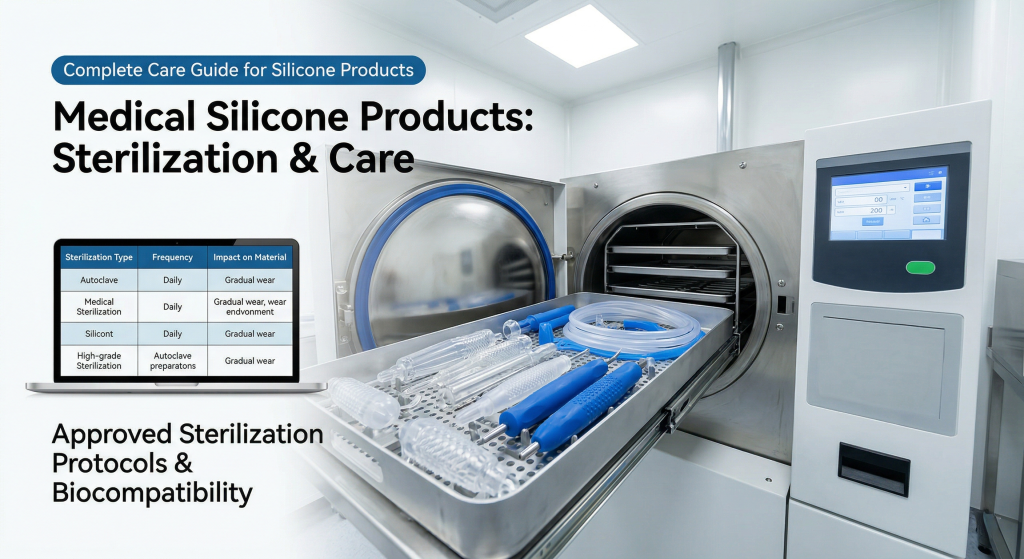
Preventing damage toward medical Silicone Products requires strict adherence toward approved sterilization protocols and handling procedures. You must never expose these precision components toward unapproved harsh chemical solvents. Proper handling maintains biocompatibility required for patient safety. Facility managers save resources by enforcing rigorous handling guidelines.
Are Abrasive Cleaners Safe?
Abrasive cleaners degrade delicate surface structures of medical grade items rapidly. You might be wondering… why minor scratches matter so much within healthcare settings. Microscopic abrasions harbor dangerous pathogens that resist standard cleaning efforts.
- Scratches compromise sterile barriers.
- Damaged surfaces fail compliance audits easily.
- Rough textures cause patient discomfort during use.
How to Handle Sterilization Properly?
Medical facilities typically utilize autoclaves for sterilizing components effectively between uses. You must follow manufacturer-specific temperature and duration guidelines strictly.
The truth of this matter lies here… excessive autoclave cycles eventually weaken even strongest rubber bonds. Rotating your inventory helps distribute thermal stress evenly across all available units.
| Sterilization Type | Frequency | Impact on Material |
| Autoclave | Daily | Gradual wear |
| Chemical Soak | Weekly | Surface dullness |
| UV Light | Occasional | Potential discoloration |
This chart reveals that managing autoclave cycles effectively extends operational life regarding medical gear.
Key Takeaway: Strict adherence toward approved sterilization methods prevents premature degradation while maintaining critical hygienic standards.
How Do UV Rays Impact Silicone Products?
Prolonged UV ray exposure causes untreated Silicone Products to harden, discolor, and eventually crack under mechanical stress. You must keep sensitive components away from direct sunlight during long-term storage. Outdoor applications require specially formulated materials for resisting constant solar radiation. Protecting your equipment from solar damage saves massive replacement costs.
Does Sunlight Cause Discoloration?
Direct sunlight breaks down chemical bonds inside this material, leading toward noticeable yellowing or fading. But wait, there is more, color changes often serve as primary warning signs regarding structural weakness. You should inspect discolored items closely for microscopic surface cracks.
- Yellowing indicates chemical degradation has started.
- Dark colors might fade unevenly over time.
- The material loses its original aesthetic appeal quickly.
How to Store Items for Longevity?
Storing items inside dark, temperature-controlled cabinets minimizes risks regarding UV degradation greatly. You should use opaque containers for parts remaining unused over several months.
Here is the catch… even indoor fluorescent lighting emits low levels of radiation continuously. Keeping items inside sealed boxes blocks out all harmful light sources completely.
| Exposure Source | Risk Level | Preventative Measure |
| Direct Sunlight | Extreme | Use opaque storage |
| Fluorescent Light | Low | Keep inside closed drawers |
| Near Windows | High | Apply UV window films |
This data emphasizes that blocking direct light sources remains your most effective defense against degradation.
Key Takeaway: Shielding your components from UV rays preserves both their visual appeal and structural integrity.
Can You Repair Scratched Silicone Products?
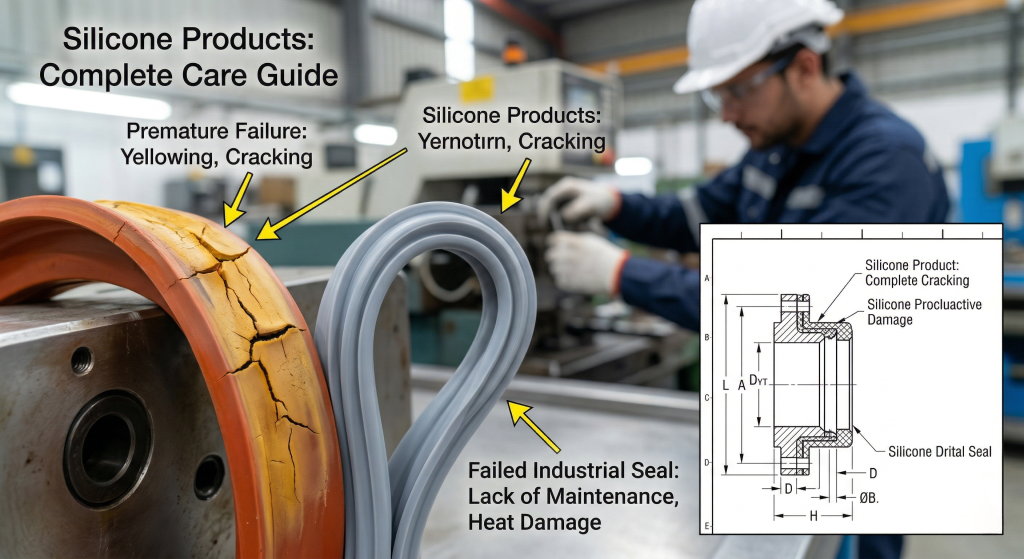
Repairing scratched Silicone Products remains largely impossible because this material does not melt back together seamlessly. You must focus entirely on prevention rather than attempting structural repairs. Applying adhesives rarely creates durable bonds upon these non-stick surfaces. Replacing damaged components promptly prevents systemic failures within mechanical setups.
Are Minor Surface Scratches Fixable?
Minor surface scratches cannot be polished or buffed out like you would with metal. What does this mean for you? A scratched seal will likely fail under high pressure very quickly. You cannot rely on temporary patches for critical applications.
- Sanding makes surface textures rougher.
- Chemical fillers do not adhere properly.
- Damaged seals leak fluids immediately.
When Should You Replace the Item?
You should discard any item showing deep cuts, severe discoloration, or lost flexibility. Operating machinery with compromised parts increases risks regarding catastrophic breakdown.
Look at it this way… replacing one faulty seal costs far less than fixing massive fluid leaks. Regular inspections help identify failing parts before they cause secondary damage.
| Damage Type | Recommended Action | Risk if Ignored |
| Micro-scratches | Monitor closely | Bacterial growth |
| Deep Cuts | Replace immediately | Fluid leakage |
| Hardening | Replace soon | Complete shattering |
This evaluation matrix shows that proactive replacement always costs less than ignoring visible damage.
Key Takeaway: Acknowledging the unrepairable nature of rubber encourages better handling and timely replacements.
How to Remove Stains from Silicone Products?
Removing stubborn stains from Silicone Products requires targeted treatments using baking soda or hydrogen peroxide. You must tackle discolorations quickly before pigments set permanently into these materials. Scrubbing aggressively with wire brushes destroys smooth finishes completely. A calculated chemical approach restores original appearances safely.
Will Baking Soda Remove Tough Odors?
Baking soda neutralizes trapped odors and lifts light stains without scratching delicate surfaces. Let me explain… making thick pastes with water allows mixtures penetration into microscopic pores. You simply rub pastes over stains and wait twenty minutes.
- It pulls out absorbed food smells.
- The paste acts as gentle exfoliants.
- It washes away cleanly with warm water.
Is Hydrogen Peroxide Safe for Stains?
Hydrogen peroxide acts as mild bleaching agents working exceptionally well upon organic stains. You can soak deeply discolored items inside low-concentration solutions overnight.
Why does this matter? It offers non-toxic alternatives against harsh industrial bleaches that ruin rubber. Rinsing items thoroughly afterward leaves no dangerous chemical residue behind.
| Stain Type | Best Treatment | Action Time |
| Food Colors | Baking Soda Paste | 20 minutes |
| Mold/Mildew | Hydrogen Peroxide | Overnight |
| Grease | Mild Dish Soap | Immediate |
This breakdown demonstrates that matching right cleaners against specific stains yields best results.
Key Takeaway: Utilizing gentle household chemicals effectively removes stains and odors without degrading your components.
What Storage Methods Suit Silicone Products?
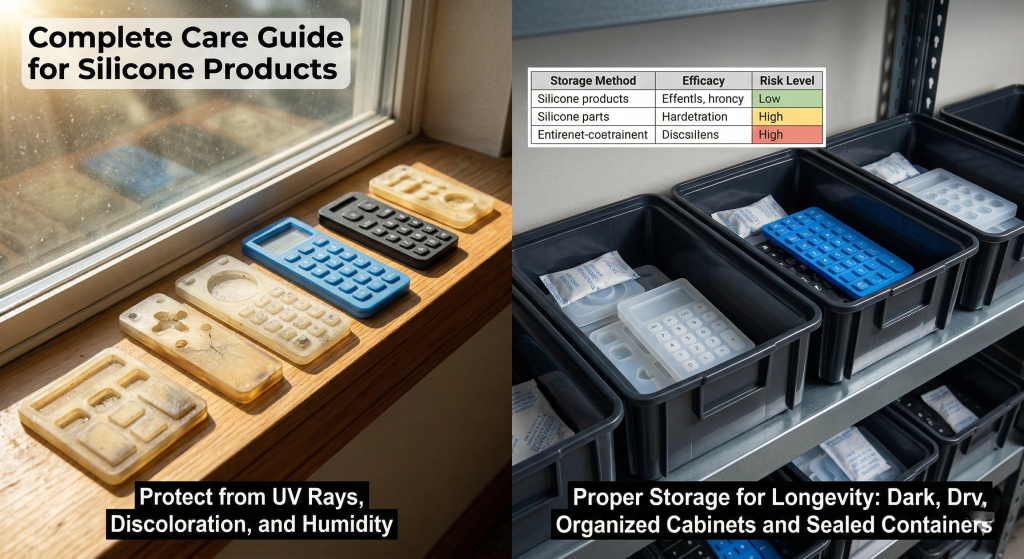
Proper storage for Silicone Products involves maintaining cool, dry, and clean environments for preventing degradation. You must keep spare parts away from heavy machinery generating extreme heat. Throwing items randomly into toolboxes causes them warping under heavy weights. Organizing your inventory meticulously extends shelf life regarding every part.
Should You Keep Them in Airtight Bags?
Airtight bags shield delicate components from ambient dust, moisture, and chemical fumes effectively. The bottom line is… sealing parts inside individual bags prevents cross-contamination across busy workshops. You should squeeze out excess air before sealing pouches tightly.
- Bags prevent accidental chemical spills reaching parts.
- They keep identical components separated and organized.
- Transparent bags allow quick visual inventory checks.
How Does Humidity Play a Role Here?
High humidity levels encourage mold growth upon surfaces, especially if items were stored slightly damp. You must verify that every component remains perfectly dry before placing it into long-term storage.
Consider this… utilizing desiccant packs inside your storage bins controls ambient moisture effectively. Maintaining stable climates prevents rubber from becoming sticky or degraded.
| Storage Condition | Potential Hazard | Solution |
| High Humidity | Mold development | Silica gel packets |
| Heavy Weight | Physical warping | Flat shelving |
| Open Air | Dust accumulation | Sealed plastic bags |
This summary indicates that controlling micro-environments around your stored parts prevents passive degradation.
Key Takeaway: Implementing disciplined storage systems protects your uninstalled inventory from invisible environmental threats.
How to Prevent Dust on Silicone Products?
Preventing dust accumulation upon Silicone Products involves managing static electricity and keeping environments clean. You will notice that these rubbery surfaces naturally attract small particles like magnets. Wiping parts with dry cloths often makes static cling worse. Adopting targeted anti-static strategies keeps your components looking professional.
Why Does Silicone Attract Dust?
The material naturally holds slight static charges pulling tiny airborne particles directly onto its surface. Does this sound familiar? You clean components perfectly, only finding them covered with lint five minutes later. Washing items with water temporarily neutralizes this frustrating magnetic effect.
- Static charge builds up during friction.
- Dry air conditions worsen dust attraction.
- Textured surfaces trap dirt more easily than smooth ones.
Does Anti-Static Coating Work Well?
Certain specialized coatings temporarily reduce static charges upon surfaces, keeping dust away. You can apply light anti-static sprays designed specifically for rubber materials.
What is the final verdict? These sprays wear off eventually and require periodic reapplication. Maintaining higher humidity inside your workspace also naturally dissipates static charges.
| Dust Prevention Method | Effectiveness | Maintenance Required |
| Anti-Static Spray | Moderate | Needs reapplication |
| Water Rinse | High | Short-term fix |
| Humidifier | Very High | Constant operation |
This chart proves that managing ambient room conditions provides most consistent defense against dust.
Key Takeaway: Neutralizing static electricity through controlled environments minimizes dust attraction upon sensitive rubber surfaces.
Are Industrial Silicone Products Maintained Differently?
Heavy-duty industrial Silicone Products require rigorous inspection schedules and specialized chemical cleaning protocols. You operate machinery where failed seals cause massive production delays. These tough components endure extreme pressures that consumer goods never experience. Implementing standardized industrial maintenance programs reduces unexpected mechanical failures dramatically.
What Are Heavy-Duty Cleaning Protocols?
Industrial cleaning protocols utilize ultrasonic baths alongside specialized, non-corrosive industrial solvents. Now, here is the secret… ultrasonic waves blast microscopic debris out from deep crevices without scratching surfaces. You must calibrate cleaning equipment matching specific hardness ratings regarding your rubber.
- Ultrasonic tanks clean multiple parts simultaneously.
- Mild solvents dissolve industrial greases safely.
- Rinsing stations remove all residual chemicals instantly.
How Often Should You Inspect Seals?
You should mandate visual inspections regarding critical seals during every routine maintenance shutdown. Operating personnel must look for signs showing flattening, cracking, or severe discoloration.
Think about it… catching worn seals early prevents catastrophic blowouts during peak production hours. Keeping detailed logbooks helps track exact lifecycles for every installed component.
| Inspection Type | Frequency | Focus Area |
| Visual Check | Weekly | Surface cracks |
| Compression Test | Monthly | Material elasticity |
| Ultrasonic Clean | Quarterly | Deep embedded grime |
This schedule details proactive approaches toward managing high-stress components within factory settings.
Key Takeaway: Executing strict industrial maintenance protocols drastically lowers risks regarding unexpected machinery downtime.
How to Extend Silicone Products Lifespan?
Maximizing lifespans regarding Silicone Products demands combinations of proactive cleaning, smart storage, and careful handling. You drastically reduce your annual replacement budget by treating these components carefully. Neglect remains the primary reason these durable parts fail prematurely outdoors. A culture promoting careful maintenance benefits your entire operational workflow.
Does Consistent Care Save Costs?
Consistent care eliminates needs for emergency replacements alongside expensive overnight shipping fees. Want to know a great perk? Well-maintained parts perform at peak efficiency, reducing energy consumption across mechanical systems. You stop wasting money upon constant reorders when your inventory lasts twice as long.
- Fewer replacement orders save administrative time.
- Predictable lifespans improve budget forecasting.
- High efficiency reduces secondary machinery wear.
What Are the Long-Term Benefits?
Long-term benefits include higher production yields alongside stronger reputations regarding quality control. You build trust with your clients when your equipment never fails unexpectedly.
It all boils down to this… investing time into routine maintenance yields massive dividends over years. Your facility operates smoothly because every tiny component functions exactly as designed.
| Maintenance Habit | Immediate Result | Long-Term Benefit |
| Daily Cleaning | Hygienic surface | Extended material life |
| Safe Storage | No dust buildup | Zero physical warping |
| Heat Control | Intact shape | Prevention of cracks |
This final breakdown confirms that daily habits translate directly into long-term financial success.
Key Takeaway: Committing toward detailed care strategies maximizes your return on investment and guarantees reliable performance.
FAQ
Q1: Can I use bleach to sanitize my items?
No, you cannot. Bleach causes chemical structures within rubber to break down rapidly, leading toward hardening, cracking, and complete loss of flexibility over time.
Q2: What’s the best way to store spare parts?
Keep them inside airtight plastic bags within dark drawers. This method prevents dust accumulation while blocking harmful UV rays from degrading sensitive materials.
Q3: How do I know if a seal needs replacing?
Check for deep scratches, loss of elasticity, or severe discoloration. If parts feel brittle or fail returning toward original shapes after compression, they require immediate replacement.
Q4: Can I fix a ripped rubber keypad?
No, fixing ripped keypads remains impossible. Adhesives do not bond securely onto non-stick materials, so you must replace damaged units immediately for maintaining function.
Q5: What’s the best method to remove sticky residue?
Rubbing pastes made from baking soda and water works perfectly. The mild abrasiveness lifts sticky residues without causing micro-scratches upon smooth surfaces.
Final Thoughts
Proper care routines prevent premature degradation, saving you money and eliminating unexpected operational downtime. We provide high-quality manufacturing solutions designed specifically for withstanding toughest industrial and medical environments. If you need reliable components performing flawlessly under pressure, reach out toward our engineering team. Please contact us today for discussing your custom manufacturing requirements. Excellence in precision manufacturing drives our commitment toward your long-term success.