
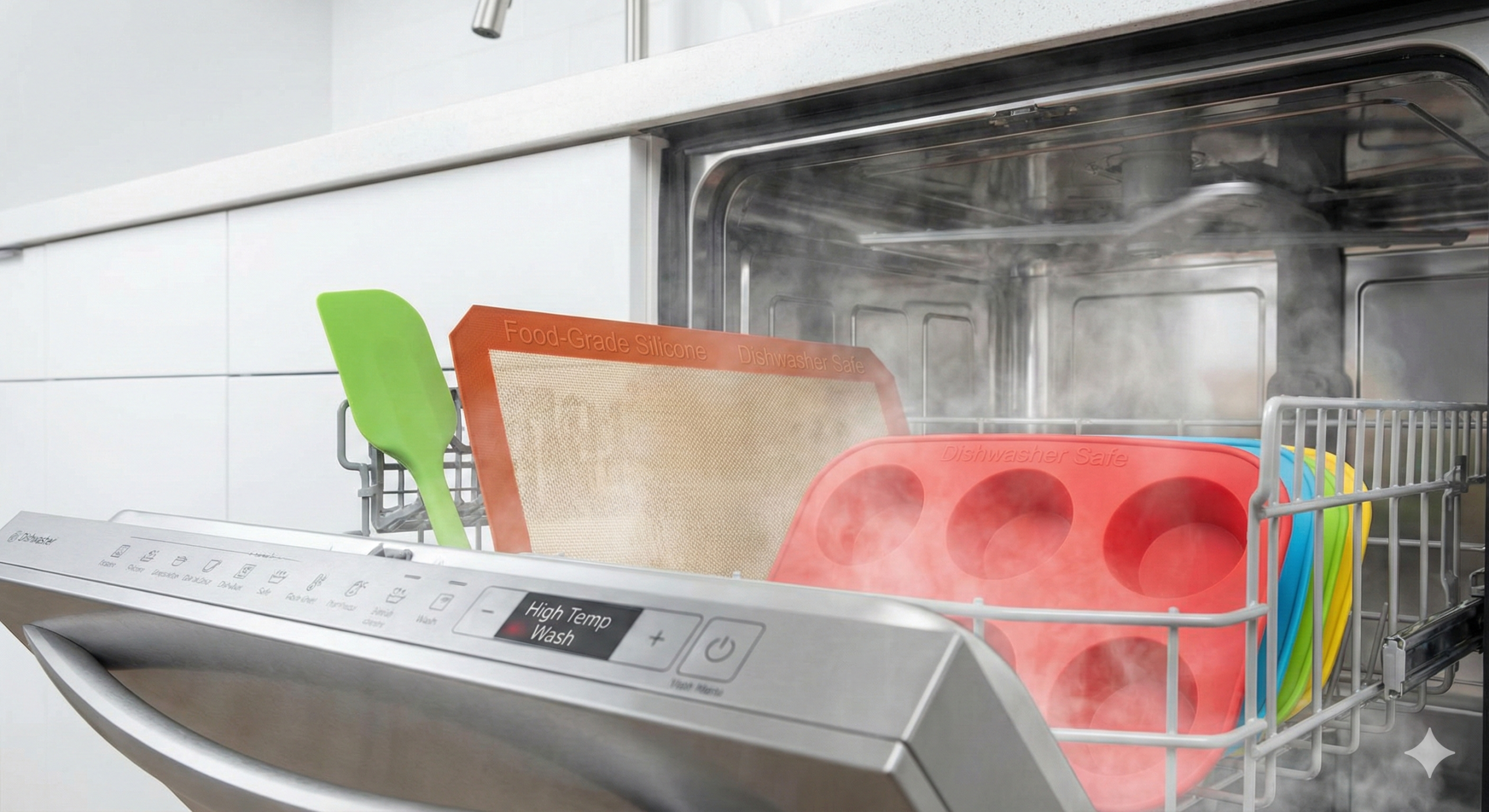
Yes, food-grade silicone is widely considered safe and non-toxic for cooking and baking by the FDA and other global health authorities. Professional chefs often worry that modern polymers might compromise food purity or fail under the intense thermal stress of a commercial kitchen. If you are constantly stressing about whether does silicone melt in the dishwasher?, you are likely sacrificing efficiency for outdated safety fears. The solution lies in choosing high-purity silicone kitchenware that maintains its structural integrity across extreme temperature ranges.
Is Silicone Safe for Daily Cooking?
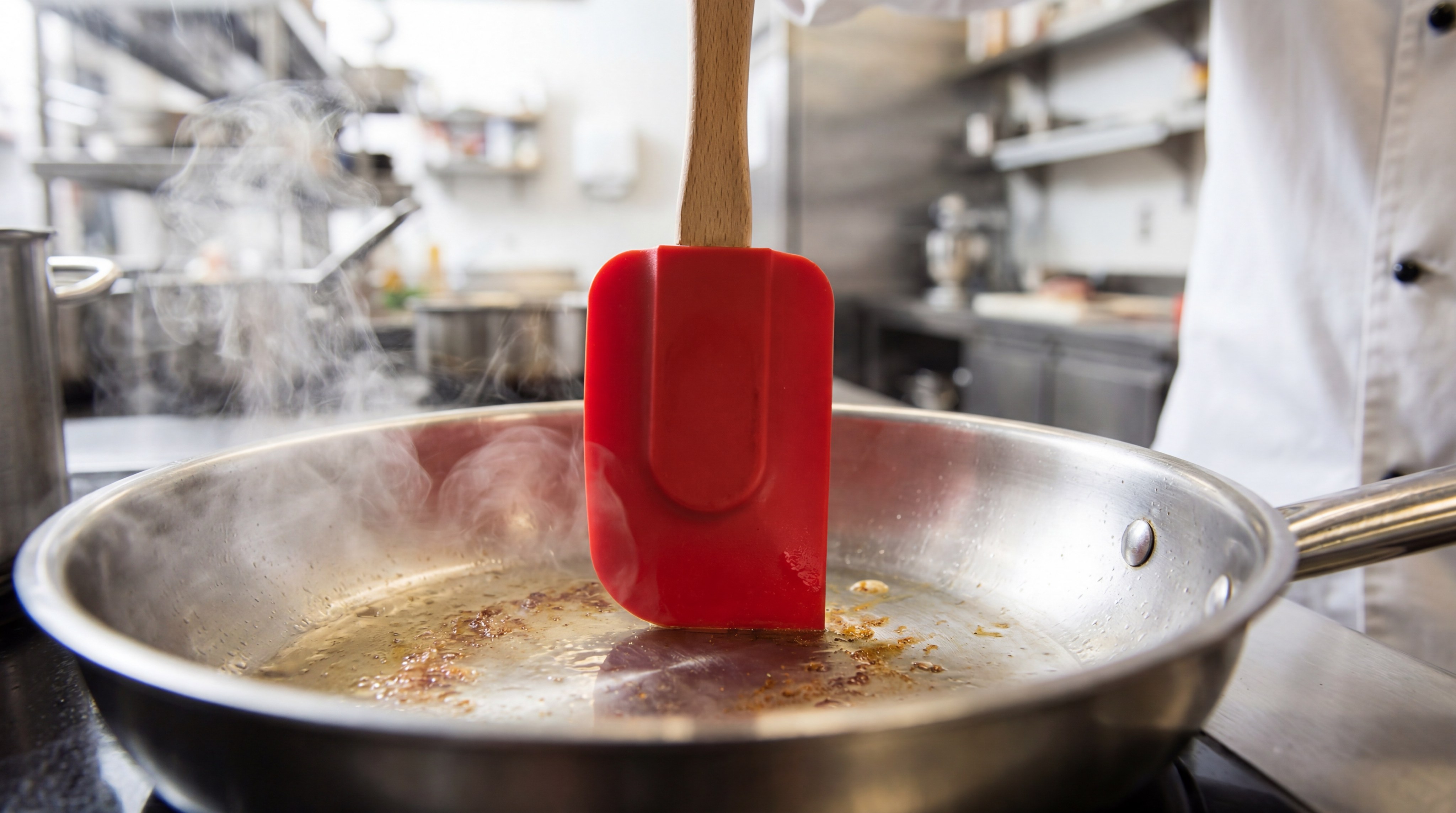
Yes, silicone is completely safe for daily cooking because it is a chemically inert polymer that does not react with food or beverages. This material consists of silicon, oxygen, carbon, and hydrogen, providing a stable alternative to reactive metals and plastics. Many procurement managers ask does silicone melt in the dishwasher? before investing in large quantities of baking tools. The stability of the silicon-oxygen backbone ensures that no harmful fumes or chemicals are released during standard culinary heating processes.
The Structural Integrity of Polymers
The molecular structure of silicone allows it to remain flexible even when exposed to high heat for extended periods. Unlike organic rubbers, this synthetic version resists oxidation and degradation from UV light or ozone.
- High thermal stability
- Non-reactive surface
- Flexible molecular bonds
Material Safety in Commercial Kitchens
Think about it: professional kitchens require tools that can withstand hundreds of uses without degrading. Silicone provides a non-porous surface that prevents bacterial growth and chemical migration into your dishes.
Key Takeaway: Daily use of silicone is safe because its inert nature prevents any chemical reactions with ingredients or heat sources.
| Feature | Silicone Benefit |
|---|---|
| Reactivity | Extremely Low |
| Toxicity | BPA and PFAS Free |
| Thermal Range | -60°C to 230°C |
This table illustrates why silicone serves as a superior material for high-frequency cooking environments compared to traditional alternatives.
Does Food-Grade Silicone Leach Toxins?
Food-grade silicone does not leach toxins under normal cooking conditions because it is manufactured to be free of fillers and volatile organic compounds. Scientific studies confirm that as long as temperatures stay below 428 degrees Fahrenheit, the polymer bonds remain perfectly intact. You might wonder if does silicone melt in the dishwasher? and release microplastics during the sanitation cycle. The truth is, high-quality silicone is microplastic-free and maintains its purity even after years of repeated thermal cycles.
Testing for Chemical Migration
Rigorous laboratory testing ensures that no Bisphenol A (BPA) or phthalates are present in the final product. These tests simulate extreme usage to verify that the material remains stable in acidic and oily environments.
- FDA compliance testing
- LFGB (European) standards
- Migration limit monitoring
Impact of Extreme Thermal Stress
Here is the deal: leaching only becomes a concern if you exceed the manufacturer’s maximum temperature ratings significantly. Staying within the recommended bounds guarantees a toxin-free experience for every meal prepared.
Key Takeaway: Silicone remains toxin-free because its chemical bonds are specifically designed to resist breaking down at standard cooking temperatures.
| Metric | Silicone Performance |
|---|---|
| BPA Content | 0% |
| Phthalates | None |
| Migration Rate | Below Detection |
This data confirms that silicone’s chemical profile is exceptionally safe for human health and long-term food contact.
Does Silicone Melt in the Dishwasher Cycle?
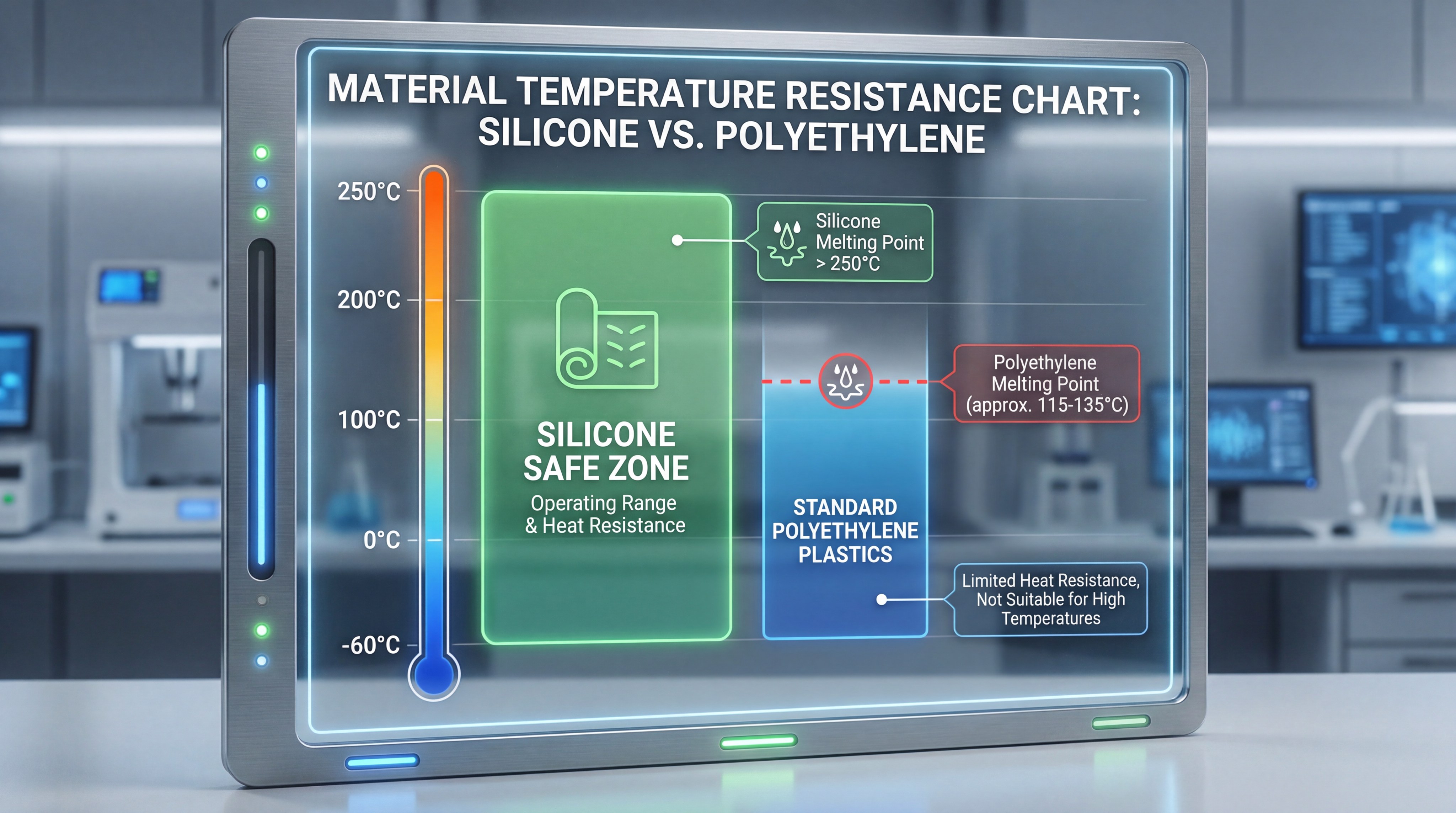
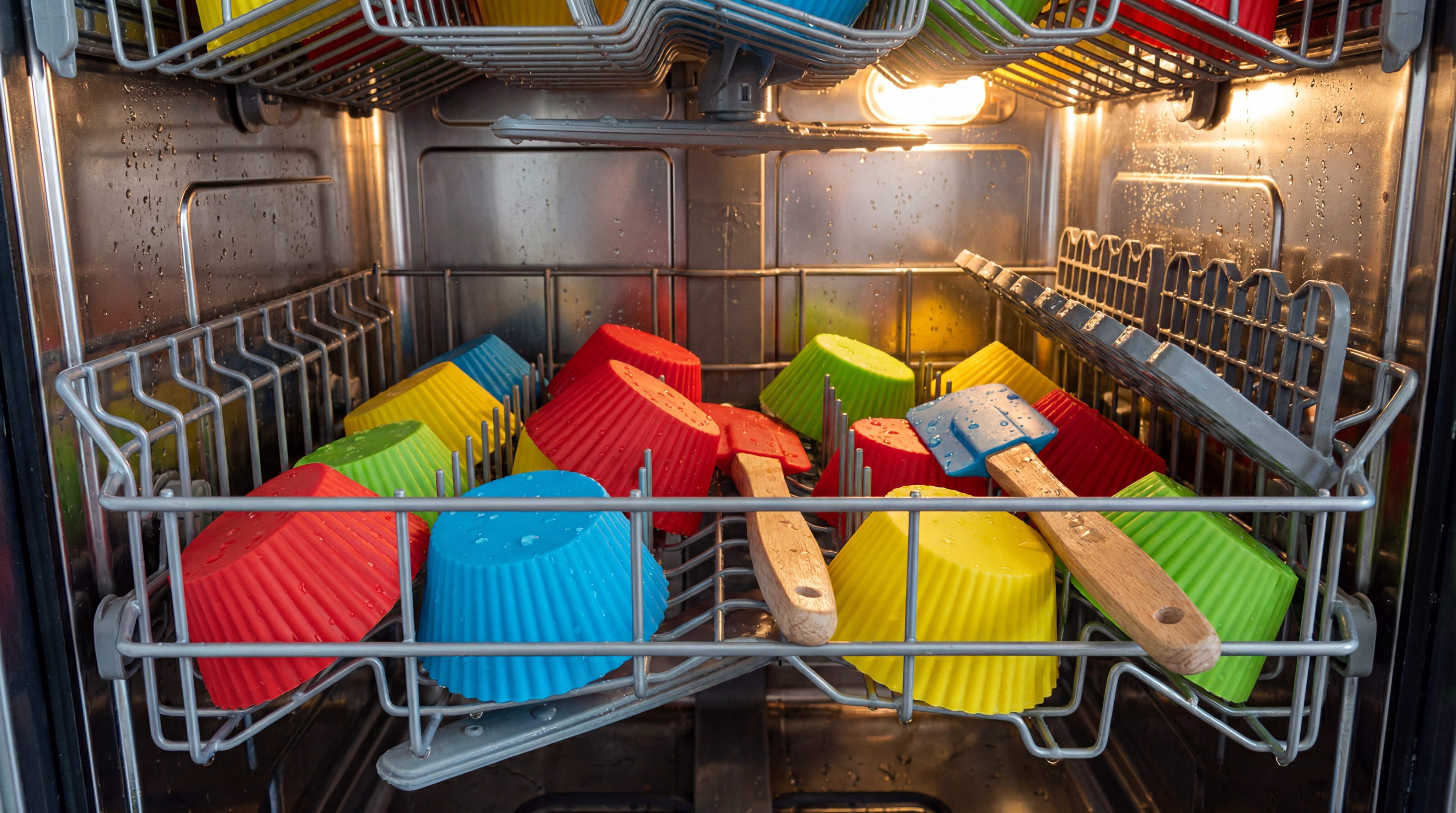
No, silicone will not melt in the dishwasher because its melting point is significantly higher than the maximum temperature reached by residential or commercial machines. Most dishwashers peak at roughly 170°F during the sanitizing and drying phases, which is far below silicone’s 428°F limit. Users frequently check if does silicone melt in the dishwasher? when using silicone pet supplies that require frequent sterilization. You can safely place mats, molds, and spatulas in the machine without worrying about deformation or chemical breakdown.
High-Heat Sanitization Compatibility
The intense steam and hot water used in modern dishwashers are actually beneficial for deep-cleaning silicone’s non-porous surface. This process effectively removes oils and food particulates that might otherwise cling to the material.
- Top rack safety
- Bottom rack durability
- Resistance to harsh detergents
Preventing Water Spots and Residue
But wait, there’s more: silicone is so resilient that it can handle the aggressive drying cycles of high-end appliances. Ensuring proper spacing between items will prevent water spots and ensure a streak-free finish.
Key Takeaway: Dishwashers are perfectly safe for silicone because the appliance’s heat levels never approach the material’s thermal failure point.
| Cycle Phase | Silicone Response |
|---|---|
| Pre-Wash | No swelling |
| Main Wash | Detergent resistant |
| Drying | Heat stable |
The inherent durability of silicone makes it one of the most dishwasher-friendly materials available in the modern consumer market.
Why Choose Silicone Over Standard Plastics?
Silicone is superior to standard plastics because it is more durable, heat-resistant, and significantly safer for human health. Unlike petroleum-based plastics, silicone does not release endocrine disruptors like BPA when heated. Many consumers ask does silicone melt in the dishwasher? to determine if they should replace their old plastic containers with flexible alternatives. Plastic often cracks or warps over time, whereas silicone retains its shape and functionality for decades.
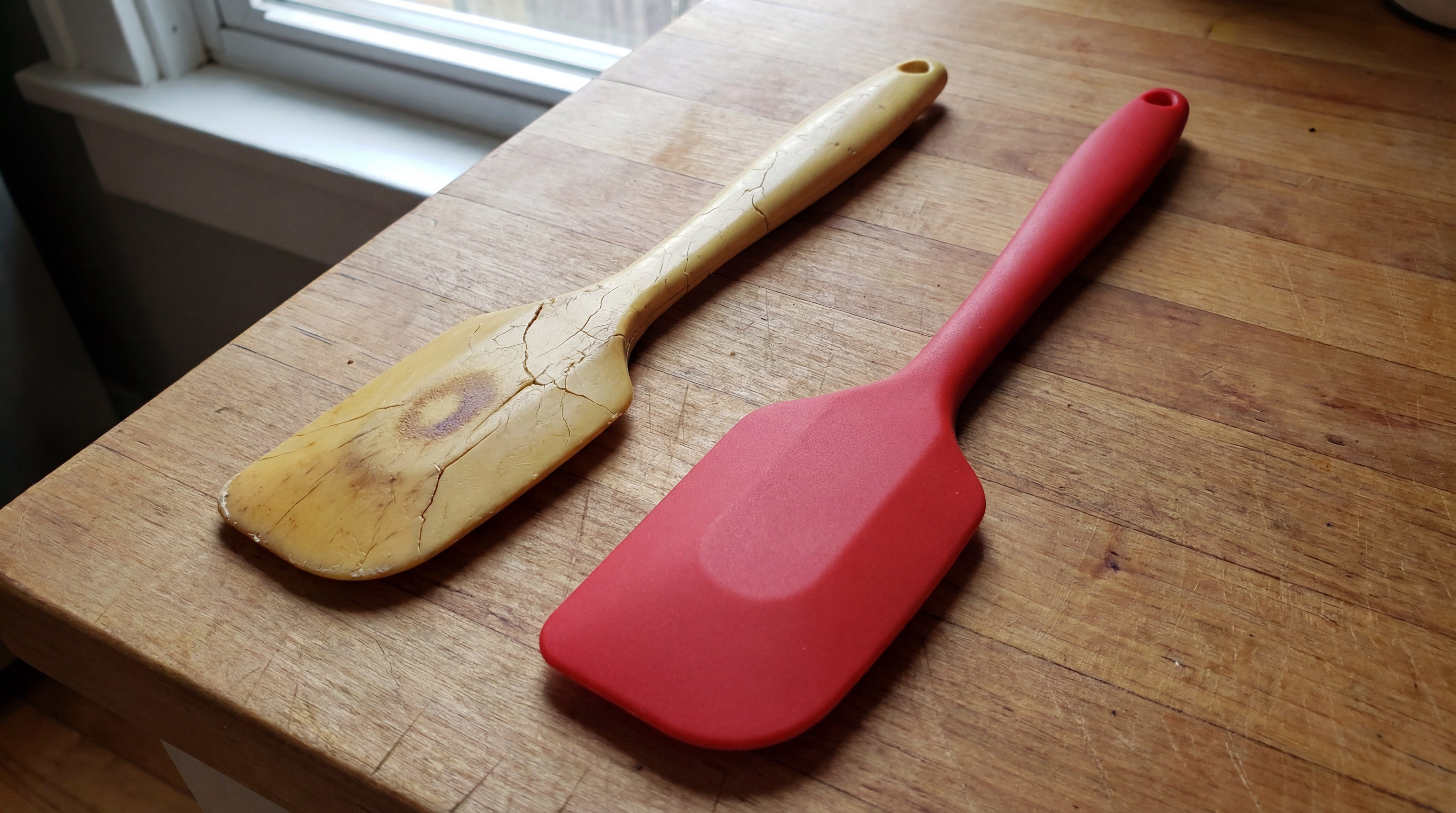
Sustainability and Durability Factors
The longevity of silicone tools means fewer items end up in landfills compared to cheap plastic disposables. While silicone is not biodegradable, its extreme lifespan makes it a much more sustainable choice for eco-conscious businesses.
- Long service life
- Resistance to cracking
- Minimal environmental footprint
Non-Stick Surface Benefits
The truth is: silicone’s natural non-stick properties eliminate the need for chemical coatings like PFAS. This makes your cooking process cleaner and reduces the amount of oil needed for food preparation.
Key Takeaway: Choosing silicone over plastic reduces your exposure to harmful chemicals while providing a tool that lasts significantly longer.
| Property | Silicone | Plastic |
|---|---|---|
| Heat Limit | 230°C | ~100°C |
| Durability | Decades | 1-2 Years |
| Chemical Leaching | None | High Risk |
This comparison highlights the clear advantages of silicone for any application requiring heat, longevity, and safety.
Is Silicone Safe for Microwave Heating?
Yes, silicone is microwave-safe because it is transparent to microwave radiation and does not absorb significant energy itself. The material only warms up through heat transfer from the food it contains, preventing it from reaching dangerous temperatures. It is common for people to wonder does silicone melt in the dishwasher? or the microwave when reheating large meals. Using a silicone pet feeding mat as a splash guard is a popular way to keep microwaves clean safely.
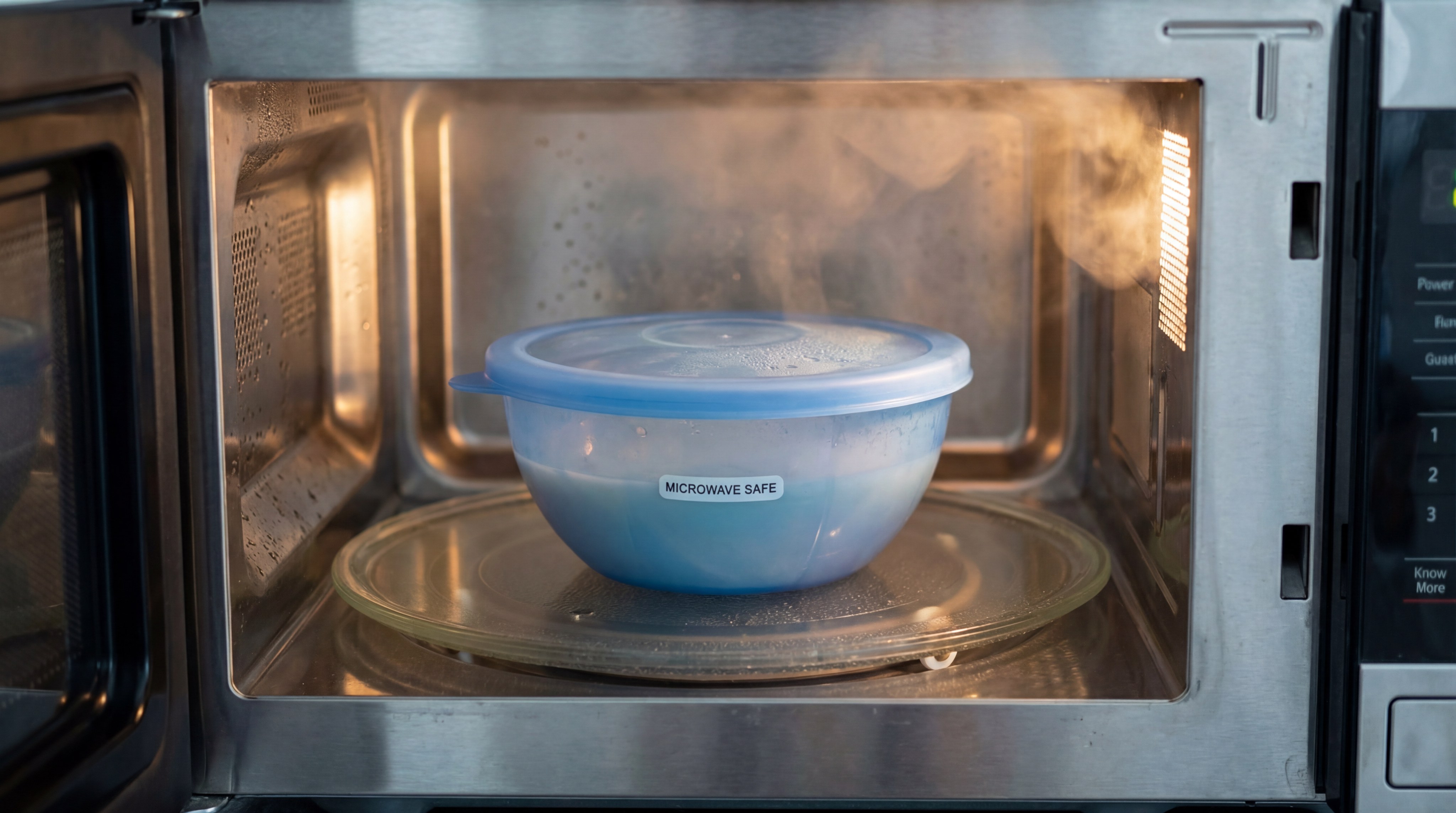
Preventing Overheating During Reheating
Because silicone does not conduct heat like metal, it is less likely to cause hot spots in your food. This results in more even cooking and a lower risk of burning the edges of your favorite dishes.
- Even heat distribution
- Cool-touch handling
- No arcing risks
Compatibility with Steam Cooking
It gets better: silicone lids create a perfect seal for microwave steaming, which preserves more nutrients in your vegetables. This efficient method is both faster and safer than using plastic wraps that might melt.
Key Takeaway: Silicone is an ideal microwave material because it remains cool to the touch and does not interact with electromagnetic radiation.
| Usage Type | Microwave Safety |
|---|---|
| Reheating | Highly Safe |
| Steaming | Recommended |
| Defrosting | Completely Safe |
The thermal properties of silicone ensure that it remains a versatile and safe component of any modern microwave-based kitchen workflow.
How to Identify Low-Quality Silicone Fillers?
You can identify low-quality fillers by performing the “pinch test,” where you twist the material to see if a white color appears. Pure silicone remains a solid color throughout the twist, while fillers like plastic or clay will reveal a white streak. Professionals often ask does silicone melt in the dishwasher? because fillers lower the heat resistance of the final product. Identifying high-quality material is crucial for ensuring that your tools don’t leach unwanted chemicals into your food.
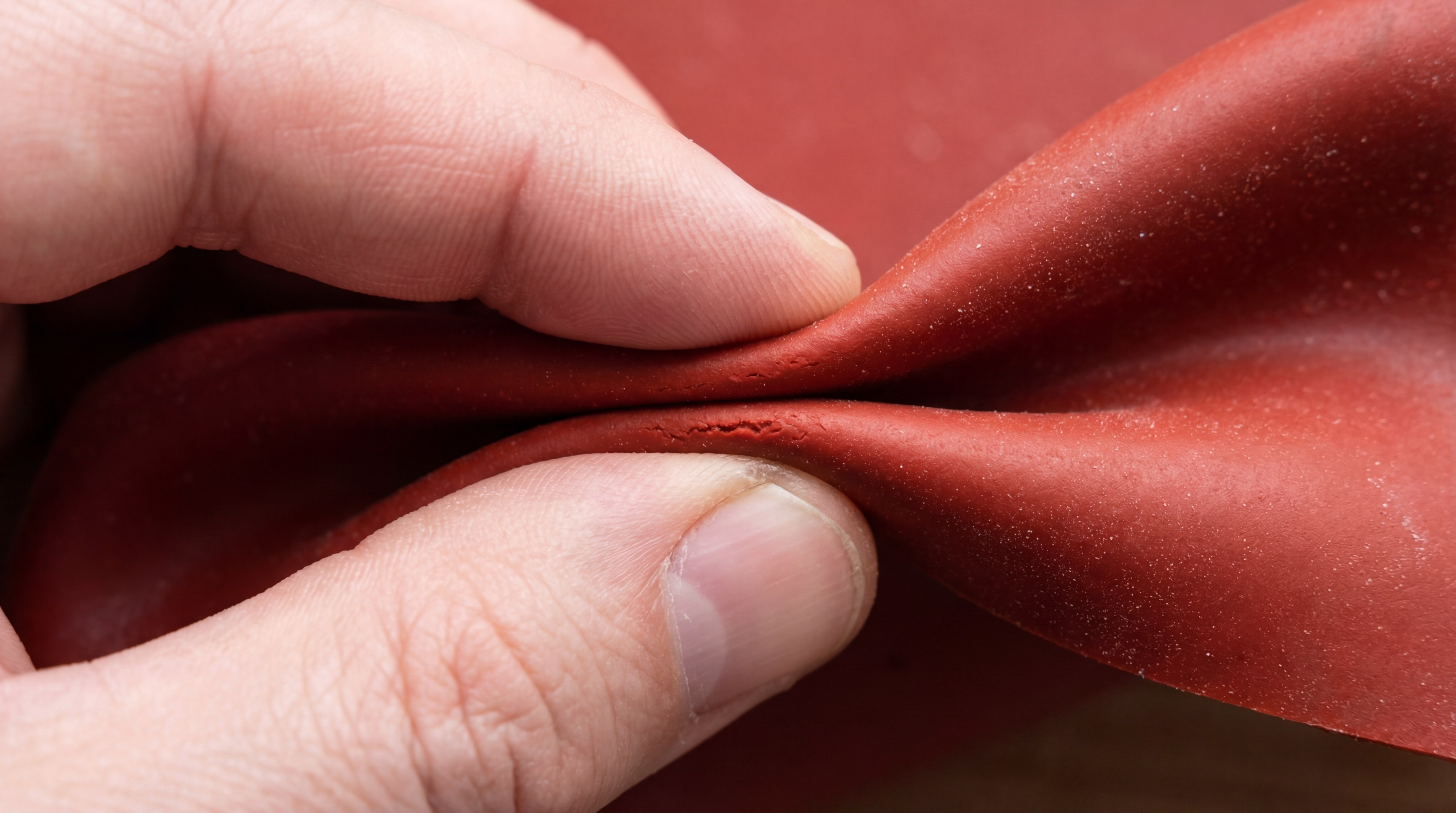
The Science of the Pinch Test
When you stretch silicone, the internal polymer chains should remain dense enough to maintain their pigment. If the material turns white, it indicates that a cheaper crystalline filler has been added to reduce production costs.
- Solid color verification
- Odor check at high heat
- Surface texture analysis
Risks of Low-Grade Additives
To make matters worse: these fillers can off-gas strange odors or even melt when exposed to high-temperature ovens. Using 100% pure silicone ensures that you never have to worry about these dangerous structural failures.
Key Takeaway: High-quality silicone is identified by its color consistency and lack of chemical odors during high-heat exposure.
| Material Grade | Pinch Test Result | Safety Rating |
|---|---|---|
| Platinum Silicone | No white streaks | Excellent |
| Food-Grade | Solid color | High |
| Industrial Fillers | Turns white | Poor |
Using these simple diagnostic tools allows buyers to verify the purity of their silicone investments before deployment.
What Processes Ensure Silicone Purity?
Manufacturing purity is ensured through the use of Platinum-cure processes and clean-room molding environments. This advanced curing method uses platinum as a catalyst, leaving behind zero toxic byproducts compared to cheaper peroxide-based curing. Many industrial clients ask does silicone melt in the dishwasher? when reviewing silicone airtag dog collar holders that must be skin-safe. A controlled factory environment prevents dust, oils, and other contaminants from being embedded in the silicone matrix during production.
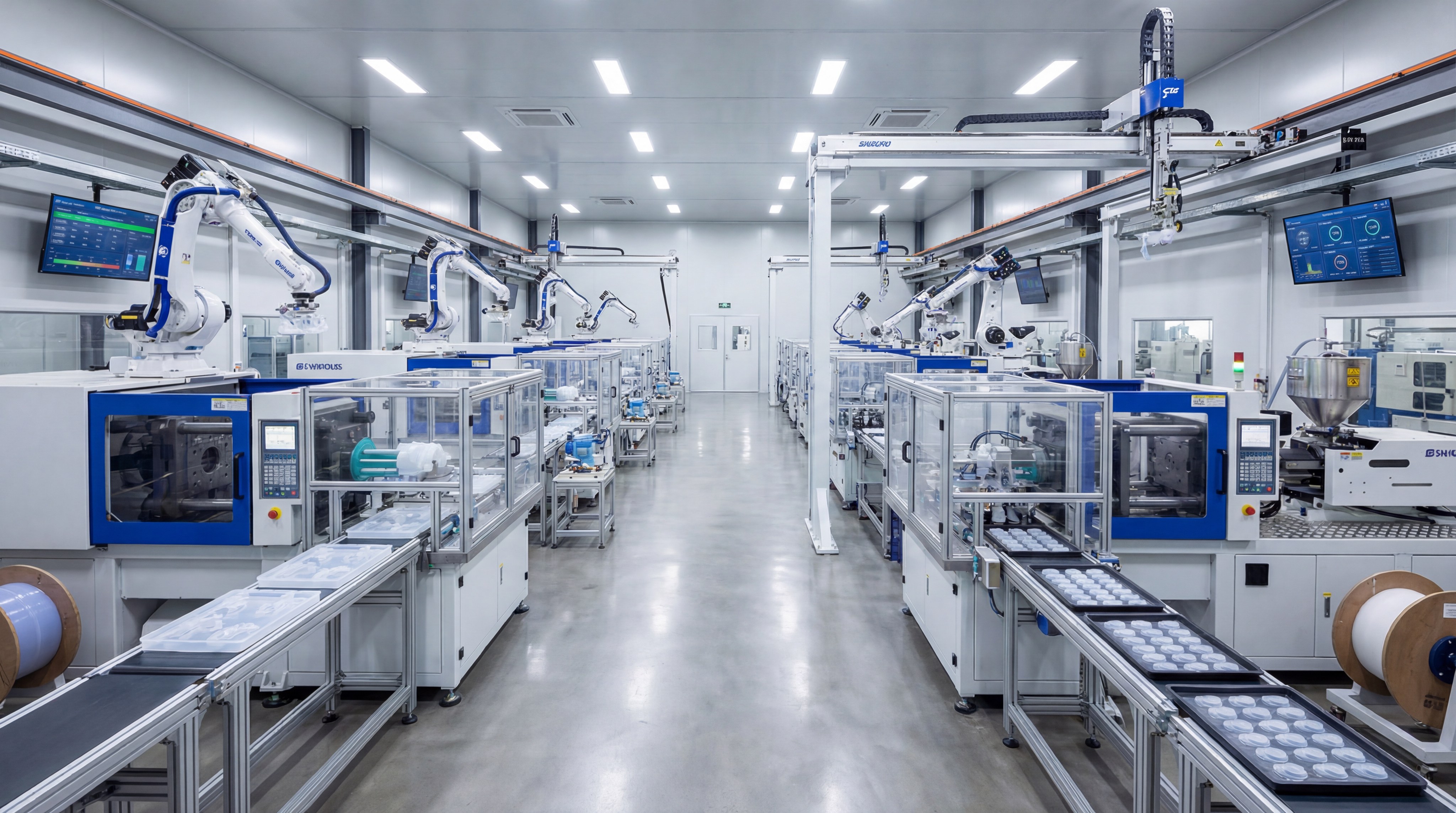
Liquid Silicone Rubber (LSR) Advantages
LSR injection molding is the gold standard for creating precise, high-purity parts for the medical and food industries. This closed-system process ensures that the raw material is never exposed to external environmental pollutants.
- Automated precision
- Minimal human contact
- Traceable raw materials
Quality Control and Certification
In plain English: every batch of material must undergo rigorous testing to meet international safety certifications. This includes verifying the absence of heavy metals and ensuring the material is hypoallergenic for sensitive users.
Key Takeaway: Manufacturing purity is a result of advanced platinum curing and highly automated, closed-system injection molding processes.
| Manufacturing Step | Purpose | Output Quality |
|---|---|---|
| Raw Material Sourcing | Purity control | 100% Silicone |
| Platinum Curing | Catalyst efficiency | No off-gassing |
| LSR Injection | Precision | Zero contaminants |
This structured approach to manufacturing guarantees that the silicone remains safe for even the most sensitive medical or infant applications.
Which Industries Rely on Silicone Parts?
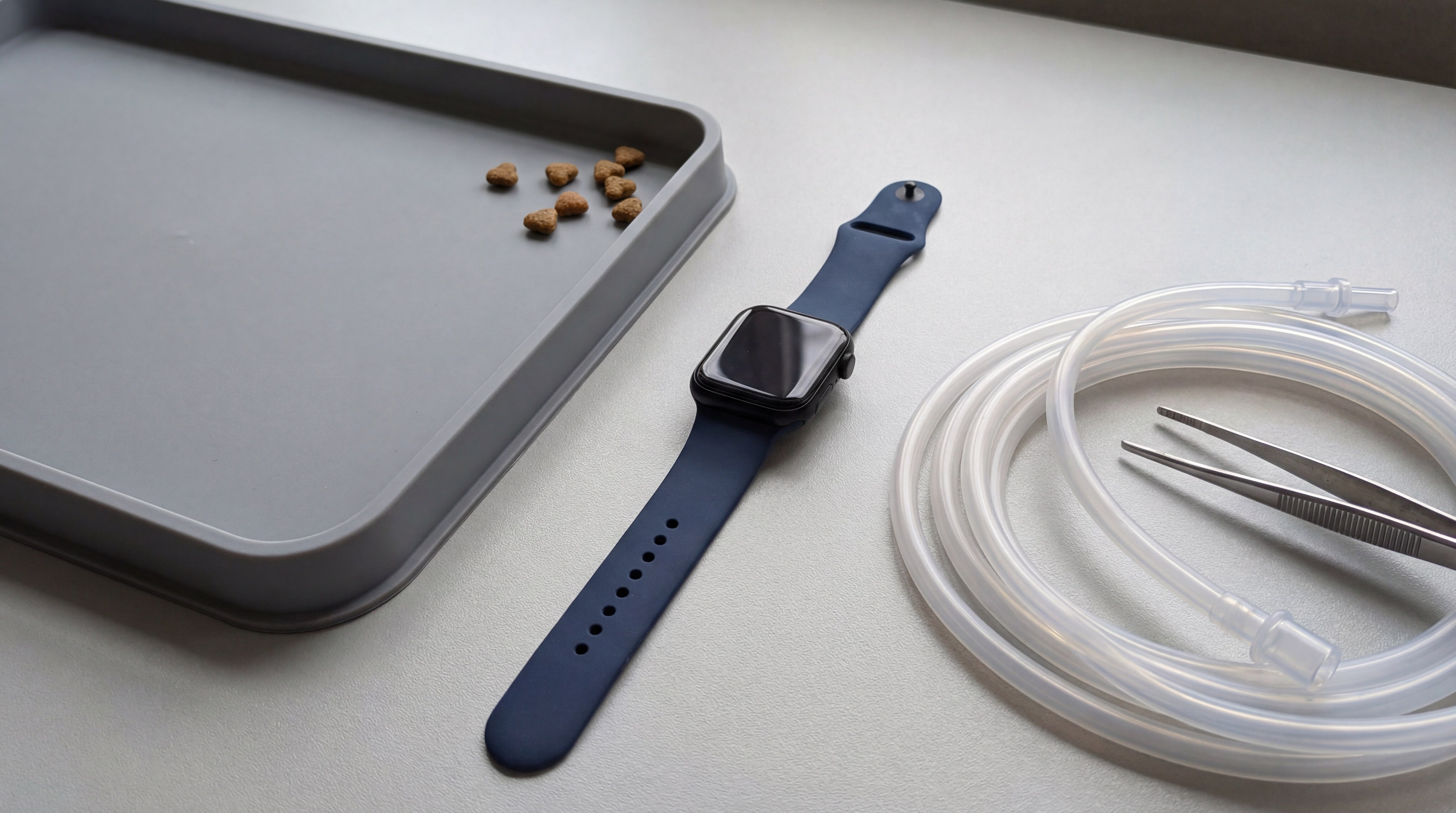
Silicone is used extensively in the medical, automotive, aerospace, and food service industries due to its extreme reliability. Its biocompatibility makes it the first choice for surgical implants, while its heat resistance is vital for engine gaskets and gaskets. Parents often ask does silicone melt in the dishwasher? when purchasing silicone puppy flyer toys for their pets. Because silicone does not harbor bacteria, it is also the primary material for high-end infant products and baby bottle nipples.
Medical and Healthcare Applications
The hypoallergenic nature of silicone allows it to be used in contact with human tissue for long periods without irritation. It is commonly found in respiratory masks, tubing, and diverse prosthetic components worldwide.
- Biocompatible material
- Sterilization ready
- Soft and pliable texture
Consumer and Household Goods
Believe it or not: silicone has replaced rubber and plastic in everything from watch straps to high-performance kitchen utensils. Its ability to withstand extreme temperatures without cracking makes it the ultimate “set and forget” material.
Key Takeaway: Silicone is trusted by critical industries because of its unique combination of safety, flexibility, and extreme environmental resistance.
| Industry | Primary Use | Critical Benefit |
|---|---|---|
| Medical | Implants / Tubing | Biocompatibility |
| Automotive | Gaskets / Seals | Heat Resistance |
| Household | Bakeware / Toys | Non-Toxic Purity |
The cross-industry adoption of silicone is a testament to its unmatched performance characteristics and safety profile.
Does Silicone Degrade Over Long-Term Use?
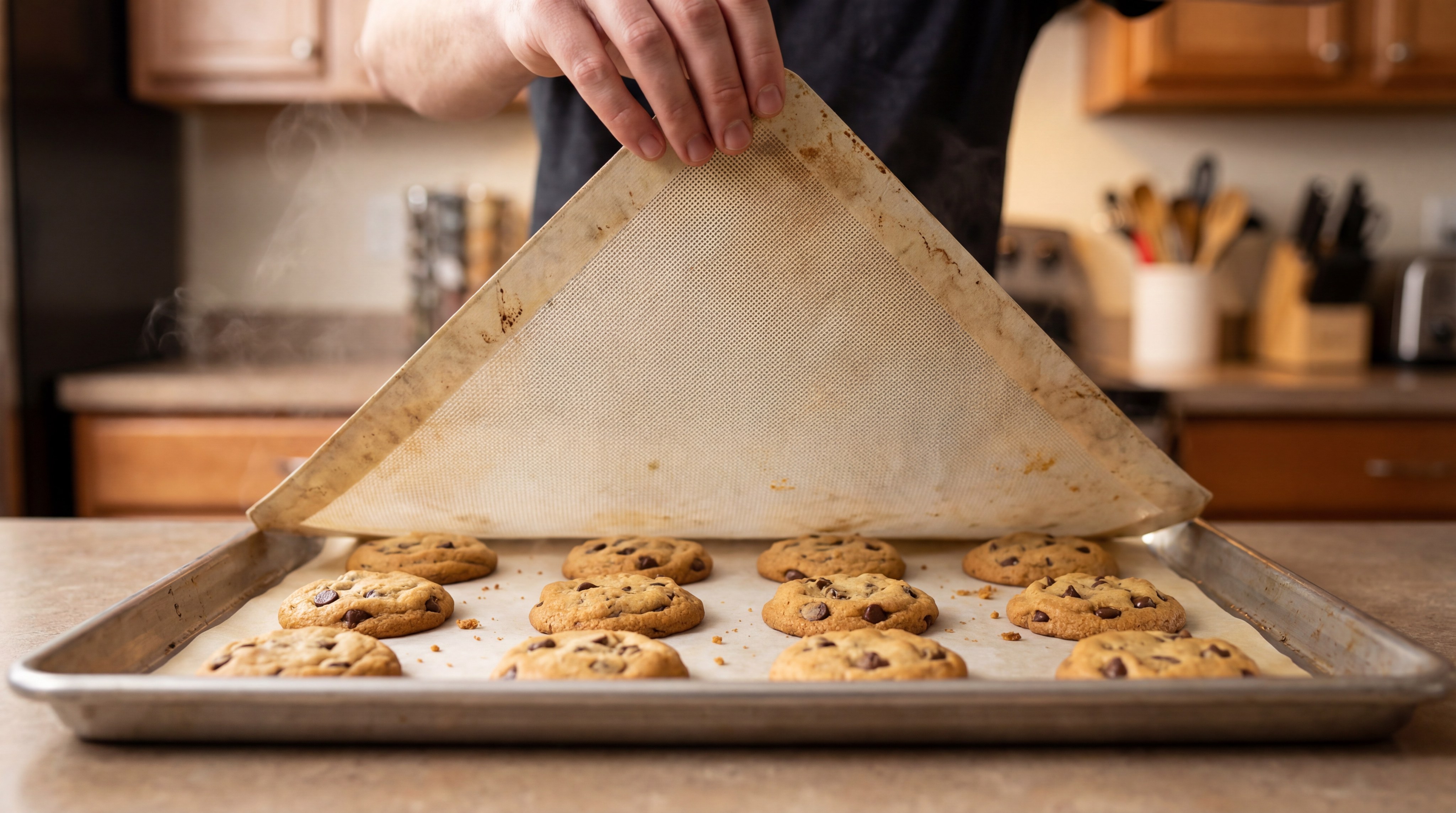
Silicone is remarkably resistant to degradation and can last for decades without becoming brittle or losing its shape. While it doesn’t melt, long-term exposure to intense pigments in food like turmeric or tomato sauce can cause some staining. Users still ask does silicone melt in the dishwasher? even after years of successful use because they want to ensure continued hygiene. Unlike rubber, silicone does not “rot” or develop a sticky residue when exposed to common household cleaners or UV light.
Managing Surface Wear and Staining
To maintain the pristine look of your silicone, it is important to wash it immediately after use with colorful ingredients. If staining occurs, a simple paste of baking soda and water can often restore the surface to its original state.
- Stain resistance
- Shape retention
- UV stability
When to Replace Silicone Tools
Best of all: silicone tools rarely need replacement due to failure; usually, they are replaced only for aesthetic reasons. However, if you notice deep cuts or nicks in the material, it is time to cycle them out to maintain food safety.
Key Takeaway: Silicone’s longevity is its greatest asset, resisting the oxidative and thermal stress that typically destroys other materials.
| Degradation Type | Silicone Resistance | Lifetime Expectancy |
|---|---|---|
| Cracking | High | 10+ Years |
| Warping | High | Permanent Shape |
| Melting | High | Up to 230°C |
This extreme durability ensures that your investment in silicone tools pays off through years of reliable, safe performance.
How to Clean and Maintain Silicone Ware?
Cleaning silicone is best achieved using hot, soapy water or the high-heat cycle of a dishwasher to remove all oily residues. Because silicone is non-porous, bacteria cannot hide inside the material, making manual washing highly effective for daily maintenance. If you are worried and ask does silicone melt in the dishwasher?, rest assured that the drying cycle actually helps tighten the polymer structure. For stubborn odors, many professionals recommend “baking” the clean silicone at 350°F for 20 minutes to release trapped oils.
Deep Cleaning Techniques for Residue
Sometimes a thin film of oil can build up on the surface of baking mats after repeated use. This is easily handled by soaking the item in a mixture of hot water and a high-quality grease-cutting detergent.
- Grease-cutting soaps
- Soft sponges only
- Air-dry recommended
Proper Storage to Prevent Tearing
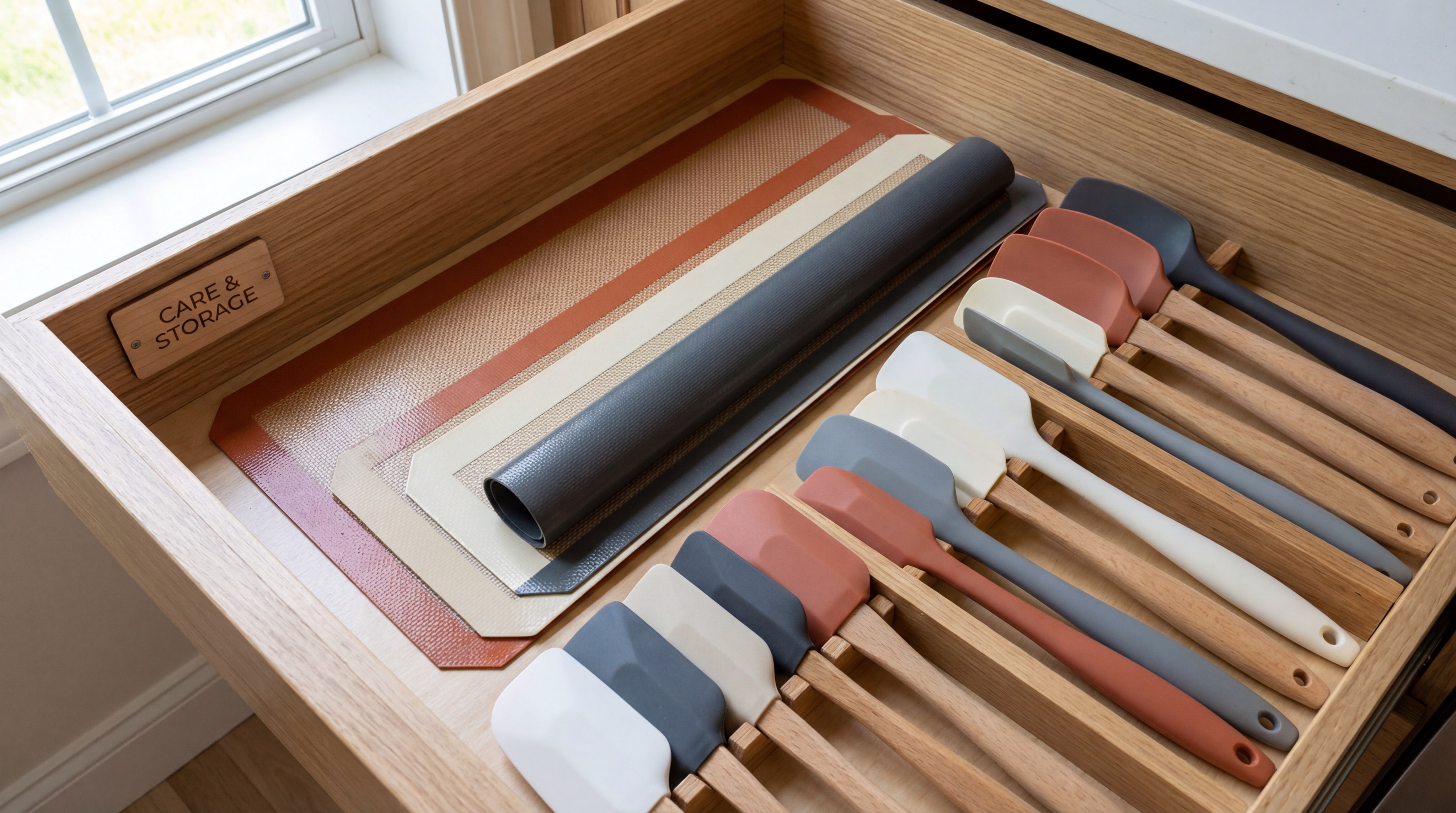
On top of that: storing your silicone mats flat or rolled loosely prevents permanent creasing that could eventually lead to structural tears. Keeping them away from sharp knives and metal edges will ensure they last a lifetime.
Key Takeaway: Proper maintenance involves simple soap and water, with occasional heat-based deep cleaning to remove persistent odors or oils.
| Cleaning Method | Effectiveness | Safety Level |
|---|---|---|
| Dishwasher | High | 100% Safe |
| Hand Wash | Moderate | Gentle |
| Heat Reset | High | Expert Only |
Following these maintenance guidelines ensures that your silicone products remain hygienic and safe for all types of food preparation.
Conclusion
Silicone is an exceptionally safe, durable, and non-toxic material that has revolutionized the way we handle food and industrial parts. We have addressed concerns ranging from chemical leaching to the common question: does silicone melt in the dishwasher? (it does not). At HuaLin, we are committed to providing 100% food-grade silicone solutions that meet the highest global safety standards. Whether you are outfitting a professional kitchen or developing a new consumer product, our engineering team is here to help you navigate the benefits of this incredible polymer.
For custom manufacturing inquiries or detailed material specifications, please contact us today.
Frequently Asked Questions
Can I use silicone in a 500-degree oven?
No, you should avoid these temperatures. Most food-grade silicone is only rated for use up to 428°F, and exceeding this can cause the material to degrade or melt.
What’s the best way to remove a soapy smell from silicone?
Bake the clean item at 350°F for about 20 minutes. This process helps release any trapped detergent molecules or oils from the non-porous surface.
Can I cut directly on a silicone baking mat?
No, you should never use sharp blades on silicone. While the material is durable, it is susceptible to slicing, which can compromise its structural integrity and safety.
What’s the best way to store large silicone mats?
Store them flat or loosely rolled in a dedicated drawer. Folding silicone tightly for long periods can create permanent creases that may eventually crack.
Can I use silicone on a stovetop burner?
No, silicone should never be in direct contact with an open flame or electric heating element. Direct concentrated heat exceeds its thermal limits almost instantly.