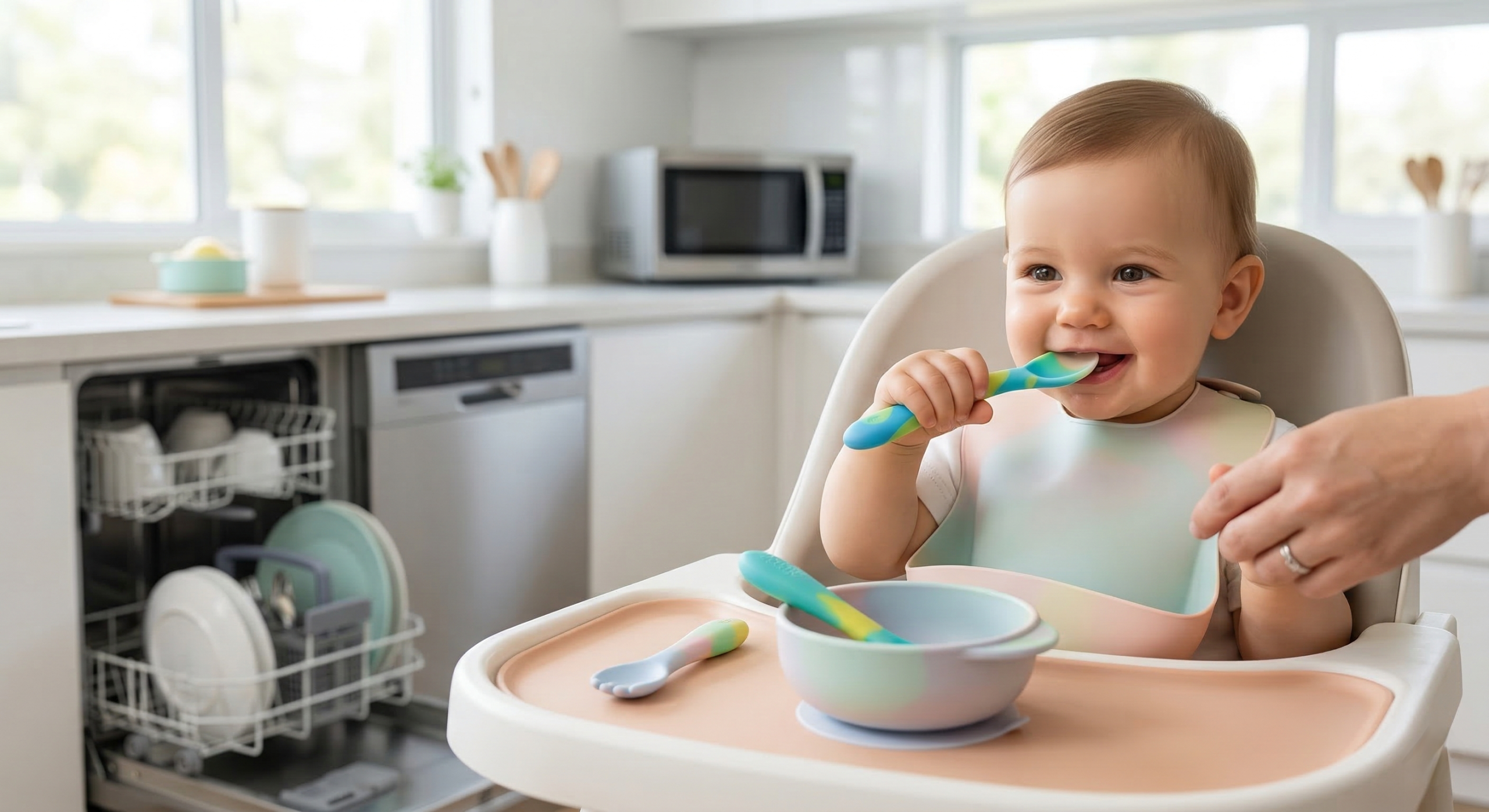
Yes, food-grade silicone is one of the safest materials for babies because it is non-toxic, BPA-free, and heat-resistant. Imagine a typical mealtime where your little one is eagerly biting down on a hard plastic spoon, only for you to notice a sharp crack or a strange chemical odor. This common scene is exactly why many parents worry and ask, is silicone safe for babies when compared to traditional plastic. By choosing high-quality silicone, you eliminate the risks of chemical leaching and physical injury, ensuring every bite is focused on nourishment rather than hidden dangers.
What exactly is food-grade silicone?
Food-grade silicone is a non-toxic, rubber-like material made primarily from silicon, an element found in common sand. When parents investigate is silicone safe for babies, they find a material that is free from BPA, phthalates, and heavy metals. It is specifically engineered to be stable under extreme temperatures without degrading.
Why does its chemical structure matter?
Think about it: unlike plastic, which is often petroleum-based, silicone is derived from natural resources. This means it does not contain the endocrine disruptors typically found in low-cost plastic alternatives.
- Inorganic backbone for high stability.
- Resistance to oxygen, ozone, and UV light.
- Non-porous surface that inhibits bacterial growth.
Key Takeaway: The elemental composition of silicone provides a safer, more stable foundation for infant feeding than synthetic plastics.
| Feature | Silicone Composition | Plastic Composition |
|---|---|---|
| Primary Base | Silicon (Natural) | Petroleum (Synthetic) |
| Toxicity | Inert/Non-toxic | Potential leaching |
| Bacterial Growth | Naturally Resistant | High risk in scratches |
The structural integrity of silicone ensures it remains chemically inert during everyday use.
How does silicone compare to plastic durability?
Silicone is significantly more durable than plastic because it is flexible and resistant to cracking or shattering over time. When considering is silicone safe for babies, durability is a primary factor. While plastic becomes brittle and prone to breaking with repeated washing, silicone maintains its soft texture for years.
Can silicone handle rough baby handling?
The best part? You don’t have to worry about your baby dropping their bowl or biting their spoon too hard. Silicone absorbs impact effortlessly, whereas plastic can chip and create small, sharp pieces.
- High tear strength prevents pieces from being bitten off.
- Flexible enough to bend without snapping.
- Retains its shape after hundreds of dishwasher cycles.
Key Takeaway: Silicone’s physical resilience prevents the choking hazards and micro-cuts often caused by aging plastic utensils.
| Performance | Silicone Utensils | Plastic Utensils |
|---|---|---|
| Impact Resistance | Excellent (Flexible) | Poor (Brittle) |
| Longevity | Multi-year lifespan | Months before wear |
| Failure Mode | Gradual fading | Cracking/Shattering |
Choosing silicone means fewer replacements and a safer physical environment for developing infants.
Can silicone handle high temperatures safely?
Silicone is exceptionally heat-resistant, capable of withstanding temperatures from -60°C to over 200°C without melting or leaching. This thermal stability is a key reason why is silicone safe for babies even when used in the microwave or dishwasher. Plastic, conversely, often warps or releases toxic fumes when exposed to high heat.
Is sterilization easy with silicone?
Here is the deal: you can boil silicone utensils to ensure they are 100% sterile. This level of sanitation is impossible with most plastics, which might melt or release chemicals under boiling conditions.
- Safe for microwave and oven use.
- Does not release odors during heating.
- Maintains structural integrity in freezing temperatures.
Key Takeaway: The high thermal threshold of silicone makes it the most hygienic choice for parents who prioritize deep sterilization.
| Temperature Task | Silicone Capability | Plastic Capability |
|---|---|---|
| Boiling/Sterilization | 100% Safe | High risk of damage |
| Dishwasher Heat | Fully Compatible | Warps easily |
| Microwave Use | Inert and Safe | Potential chemical leaching |
Thermal resistance ensures that harmful chemicals never migrate from the utensil into your baby’s warm food.
Why is silicone better for teething gums?
Silicone provides a soft, soothing texture that is much gentler on a baby’s sensitive gums compared to hard plastic. When you ask is silicone safe for babies during the teething phase, the answer lies in its chewable nature. It offers enough resistance to satisfy the urge to chew while remaining soft enough to prevent injury.
Does silicone help soothe gum pain?
Think about it: a cold silicone spoon can act as a mini-teether during mealtime. The material holds temperature well, allowing for a cooling effect that reduces inflammation in the mouth.
- Soft-touch finish prevents micro-abrasions.
- Hypoallergenic material is safe for oral exploration.
- Smooth edges protect the soft palate and tongue.
Key Takeaway: Silicone utensils bridge the gap between feeding tools and teething relief, providing comfort that hard plastic cannot match.
| Oral Safety | Silicone Texture | Plastic Texture |
|---|---|---|
| Gum Impact | Gentle/Cushioning | Hard/Impactful |
| Safety Profile | No sharp “flash” seams | Potential manufacturing burrs |
| Sensory Value | Comforting and textured | Rigid and cold |
The ergonomic softness of silicone encourages babies to explore self-feeding without the fear of mouth pain.
Are there chemical risks in plastic utensils?
Yes, many plastics contain BPA, phthalates, and other additives that can interfere with a child’s hormonal development. The fundamental question of is silicone safe for babies arises because silicone is naturally free of these harmful substances. Unlike plastic, silicone does not rely on chemical softeners to achieve its flexibility.
What about microplastics in baby food?
The scary part? Recent studies show that plastic baby products can shed thousands of microplastic particles into warm liquids. Silicone is a solid, stable polymer that does not shed or degrade into the food supply.
- Zero BPA, PVC, or phthalate content.
- No migration of toxins into acidic or fatty foods.
- Lead-free and latex-free by nature.
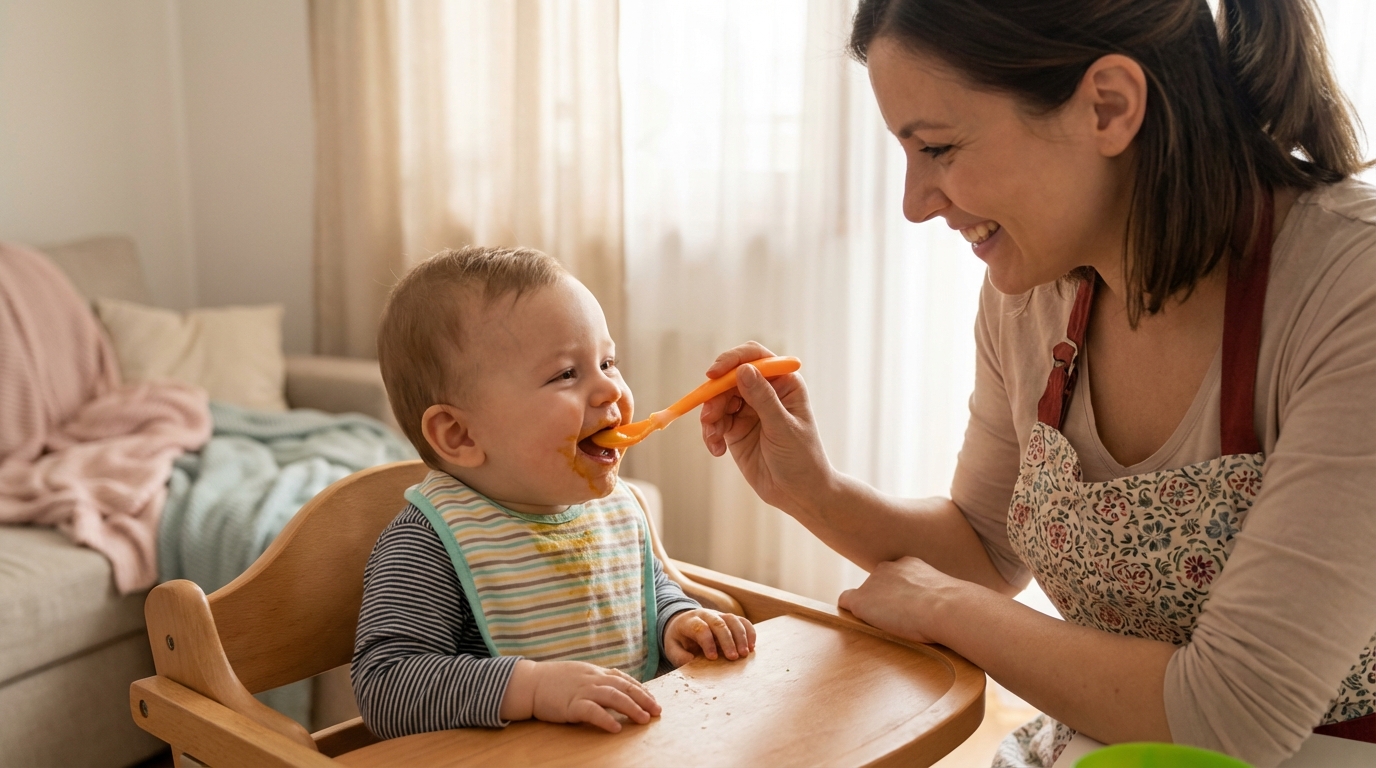
Key Takeaway: Eliminating plastic from the high-chair reduces your baby’s cumulative exposure to endocrine-disrupting chemicals.
| Chemical Risk | Silicone Exposure | Plastic Exposure |
|---|---|---|
| BPA/Phthalates | None | High risk in older/cheap items |
| Microplastics | Non-existent | High potential during heating |
| Toxic Leaching | Inert | Variable depending on grade |
Choosing non-toxic silicone ensures that mealtimes are focused solely on healthy nutrition.
How easy is it to clean silicone baby gear?
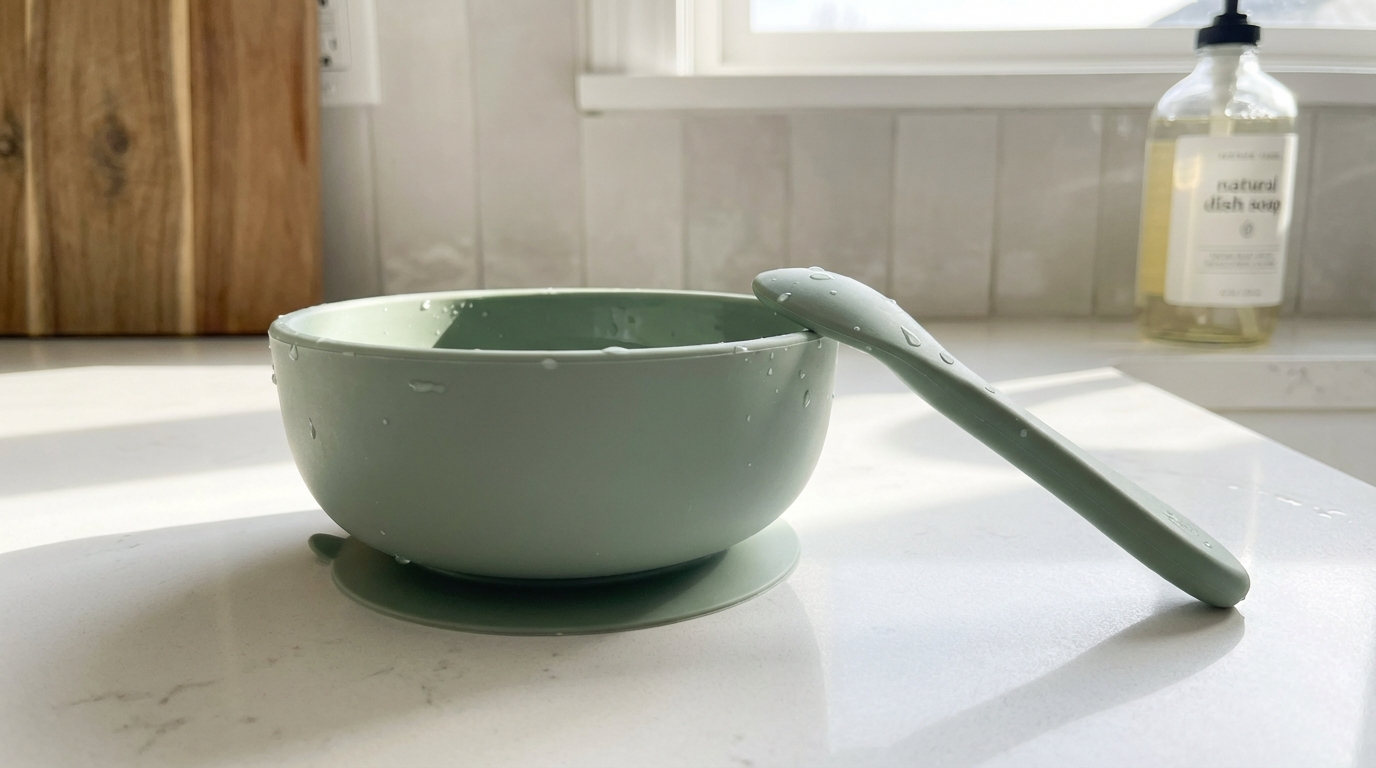
Silicone is incredibly easy to clean due to its non-porous and naturally non-stick surface. When you consider is silicone safe for babies, hygiene is paramount. Unlike plastic, which develops microscopic scratches that trap bacteria and food residue, silicone remains smooth and easy to sanitize.
Can silicone survive the dishwasher?
The best part? You can simply toss silicone utensils in the dishwasher without worrying about them melting or losing their color. They dry quickly and do not retain the greasy film that often sticks to plastic.
- Stain-resistant against bright foods like carrots.
- Odor-resistant properties prevent lingering smells.
- Safe for high-heat drying cycles.
Key Takeaway: The superior hygiene of silicone reduces the risk of digestive upsets caused by bacteria buildup in worn utensils.
| Cleaning Efficiency | Silicone Utensils | Plastic Utensils |
|---|---|---|
| Surface Texture | Non-porous (Smooth) | Porous (Scratches easily) |
| Odor Retention | Extremely Low | Moderate to High |
| Ease of Washing | Effortless | Requires heavy scrubbing |
A cleaner utensil means a healthier baby and less work for busy parents.
Is silicone a sustainable choice for parents?
Silicone is a much more eco-friendly option than plastic because it is long-lasting and does not break down into harmful microplastics in the environment. While we often ask is silicone safe for babies, we should also consider if it is safe for their future planet. Silicone is made from abundant silica rather than finite petroleum.
How does silicone reduce household waste?
Here is the deal: one set of silicone utensils can last through multiple children, whereas plastic sets are often discarded after a few months of wear. This longevity significantly reduces the amount of waste heading to landfills.
- Recyclable at specialized facilities.
- Reduces demand for single-use plastic.
- Abundant raw material sourcing (sand).
Key Takeaway: Investing in silicone is a commitment to both your child’s immediate safety and their long-term environmental health.
| Eco-Footprint | Silicone Products | Plastic Products |
|---|---|---|
| Raw Material | Silica (Abundant) | Petroleum (Finite) |
| Lifecycle | Very Long (Years) | Short (Disposable mindset) |
| Environmental Decay | Non-toxic over time | Breaks into microplastics |
Sustainable parenting starts with choosing durable goods that don’t harm the ecosystem.
Does silicone improve the self-feeding process?
Silicone’s natural grip and lightweight design make it the ideal material for babies learning to feed themselves. When evaluating is silicone safe for babies, the ergonomic benefits are clear. The soft, non-slip texture ensures that tiny hands can maintain a firm hold on their spoon or fork.
Why do babies prefer silicone grips?
Think about it: a slippery plastic handle can be frustrating for a toddler who is still developing fine motor skills. Silicone provides the necessary friction to help them succeed in bringing food to their mouth.
- Lightweight construction reduces wrist fatigue.
- Non-slip surface works even when wet.
- Ergonomic shapes designed for small palms.
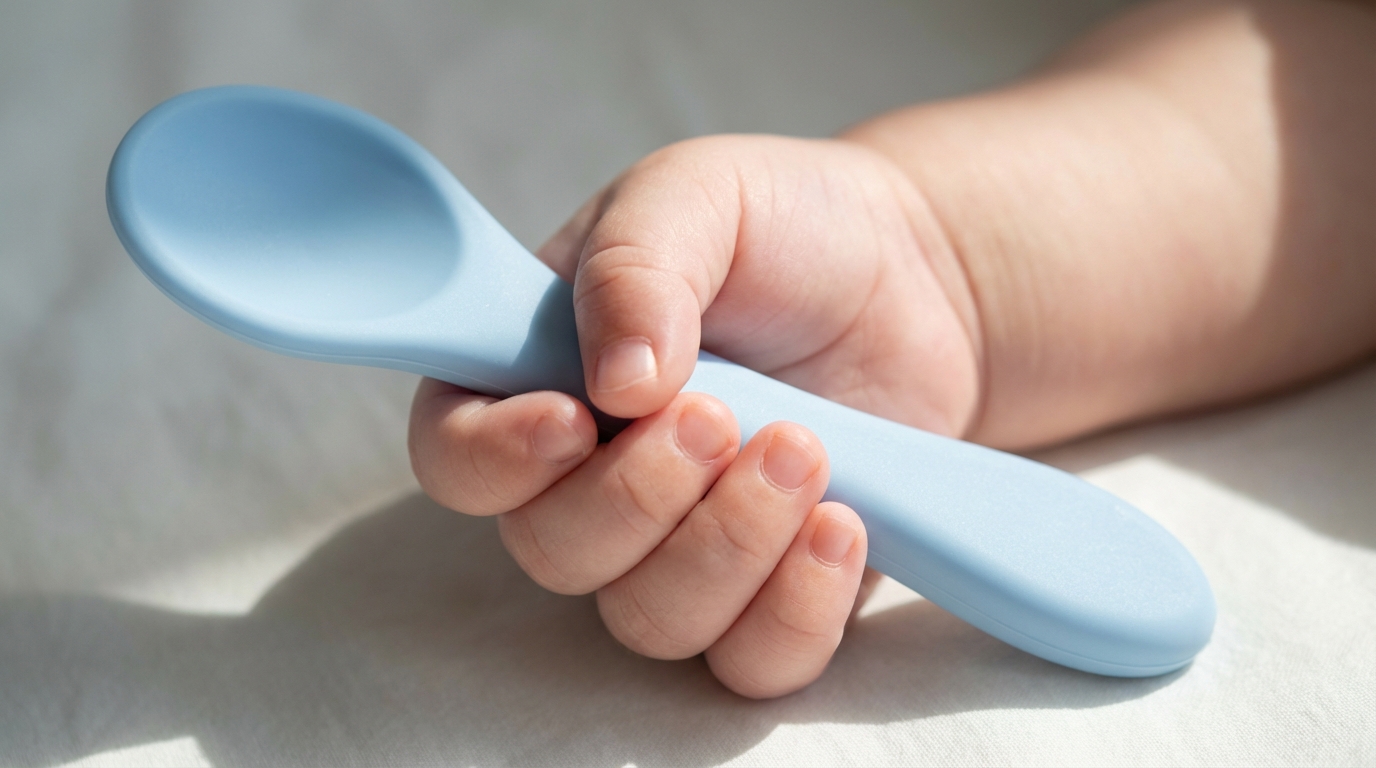
Key Takeaway: Silicone empowers infants to gain independence during mealtimes by providing tools that are physically easier to manage.
| Self-Feeding | Silicone Advantage | Plastic Limitation |
|---|---|---|
| Grip Quality | Non-slip/Tacky | Slippery/Smooth |
| Weight | Balanced and Light | Often bottom-heavy |
| Coordination | Encourages success | Can cause frustration |
Confidence at the dinner table starts with the right tactile feedback from safe utensils.
How do I verify silicone quality at home?
You can easily verify the purity of silicone by performing the “pinch test” to ensure it doesn’t contain cheap plastic fillers. When verifying is silicone safe for babies, high-quality products should remain the same color when twisted. If white streaks appear, the product likely contains plastic additives.
What are the signs of high-quality silicone?
The best part? Pure silicone will be odorless and have a consistent, vibrant color throughout the material. Professional manufacturers ensure their products meet FDA and LFGB standards for food safety.
- No chemical or plastic scent.
- Uniform color even when stretched.
- Certifications clearly marked on packaging.
Key Takeaway: Performing simple quality checks at home ensures you are getting the non-toxic benefits you expect for your baby.
| Quality Check | Pure Silicone | Silicone with Fillers |
|---|---|---|
| The Pinch Test | Color remains uniform | White streaks appear |
| Scent Test | Neutral/No odor | Chemical or “new car” smell |
| Flexibility | Returns to shape | May retain creases |
Using certified, pure silicone eliminates the risk of hidden toxins in your baby’s feeding set.
Why choose factory-direct silicone products?
Choosing products from an established manufacturer like HuaLin Silicone ensures you receive medical-grade safety standards and transparent material sourcing. When you wonder is silicone safe for babies from a B2B perspective, factory-direct sourcing guarantees that every item is produced in an ISO-certified environment. This eliminates the middleman and the risk of unverified materials.
What makes professional manufacturing different?
Here is the deal: professional factories use Liquid Silicone Rubber (LSR) injection molding to create seamless, high-precision parts that are superior to compression-molded alternatives. This results in a more durable and hygienic product.
- Full traceability of raw materials.
- Compliance with global safety audits.
- Advanced molding techniques for smoother finishes.
Key Takeaway: Sourcing directly from high-standard manufacturers provides the ultimate peace of mind regarding material purity and safety.
| Sourcing | Factory-Direct (LSR) | Generic Retail |
|---|---|---|
| Safety Standards | ISO/FDA Certified | Often unverified |
| Material Purity | Medical-Grade | Potential fillers |
| Manufacturing | Precision Injection | Low-cost compression |
Direct manufacturing oversight ensures that the highest safety standards are built into every spoon and bowl.
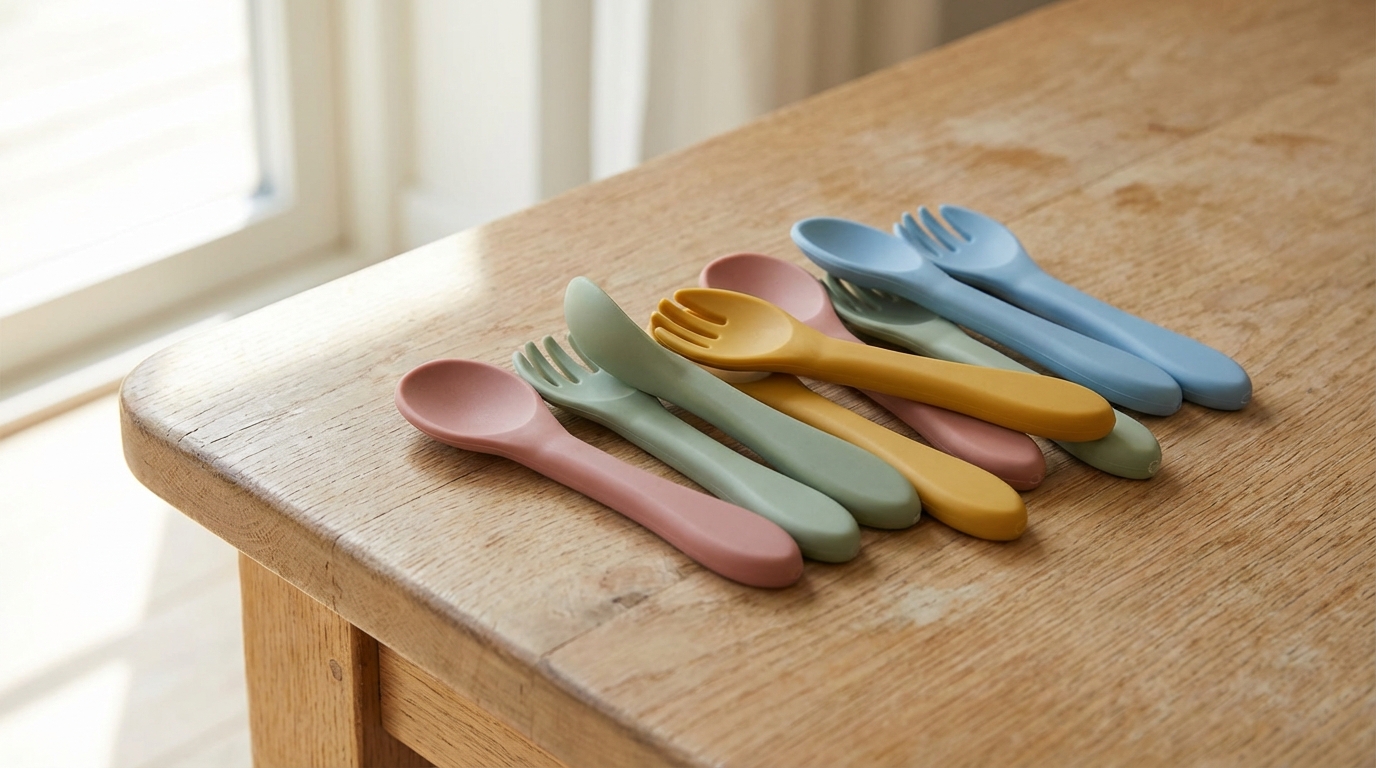
Mealtimes should be a source of joy and growth, not a hidden health risk. By making the switch from plastic to food-grade silicone, you effectively solve the problem of chemical leaching, bacterial buildup, and physical injury. Our vision is to provide every parent with the safety and reliability that only high-performance silicone can offer. To ensure your little one is using the highest quality products on the market, we invite you to contact us today to learn more about our commitment to infant safety.
Frequently Asked Questions
Can I put silicone utensils in the dishwasher?
Yes, silicone is fully dishwasher safe. It can withstand the high-heat drying cycles of modern machines without warping or melting like plastic often does.
How do I know if my baby’s spoon is pure silicone?
Perform the “pinch test” by twisting a flat part of the spoon. Pure silicone will stay the same color, while silicone with plastic fillers will show white streaks through the material.
Can I boil silicone utensils to sterilize them?
Absolutely, silicone is highly heat-resistant and can be safely boiled. This is actually the recommended way to deep-clean your baby’s feeding gear for maximum hygiene.
Does silicone retain food smells or stains?
No, silicone is non-porous and naturally resistant to both odors and stains. Even bright foods like berries or carrots will typically wash off without leaving a permanent mark.
Is silicone safer than BPA-free plastic?
Yes, silicone is generally safer because it is a more stable material. Even BPA-free plastics can contain other harmful chemicals like BPS that may leach when the plastic is heated or scratched.