
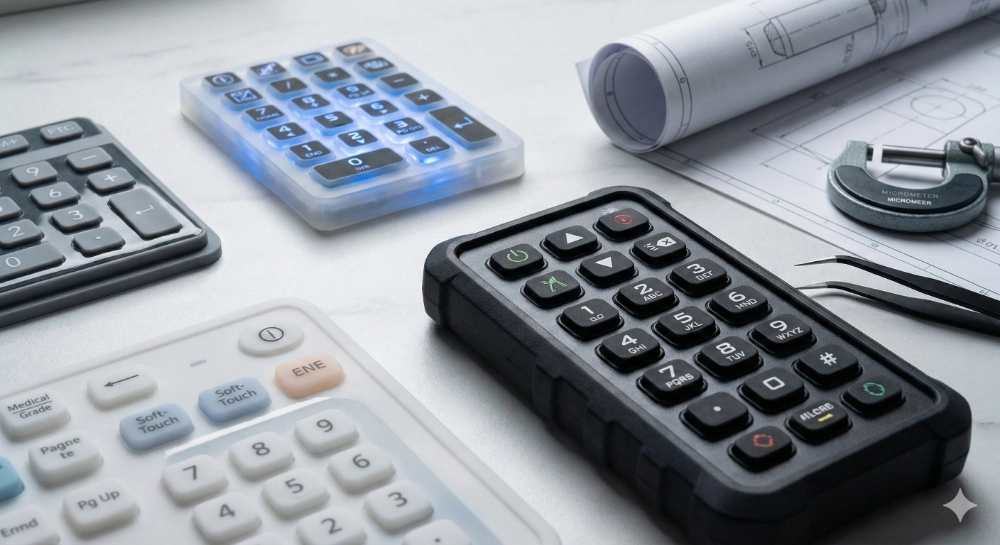
Custom manufactured keypads are precision-engineered input interfaces designed to meet the specific mechanical, electrical, and aesthetic requirements of specialized industrial, medical, or automotive equipment. Standard off-the-shelf keypads often fail under the extreme pressure of industrial environments or rigorous clinical use, leading to premature wear and system failure. A single interface malfunction can lead to critical operational downtime, user error, or a significant loss of brand trust due to poor tactile quality. Partnering with a dedicated silicone keypad manufacturer like HuaLin allows you to create durable, high-performance interfaces that withstand moisture, chemicals, and repetitive use.
1. Why are Custom Silicone Rubber Keypads Essential?
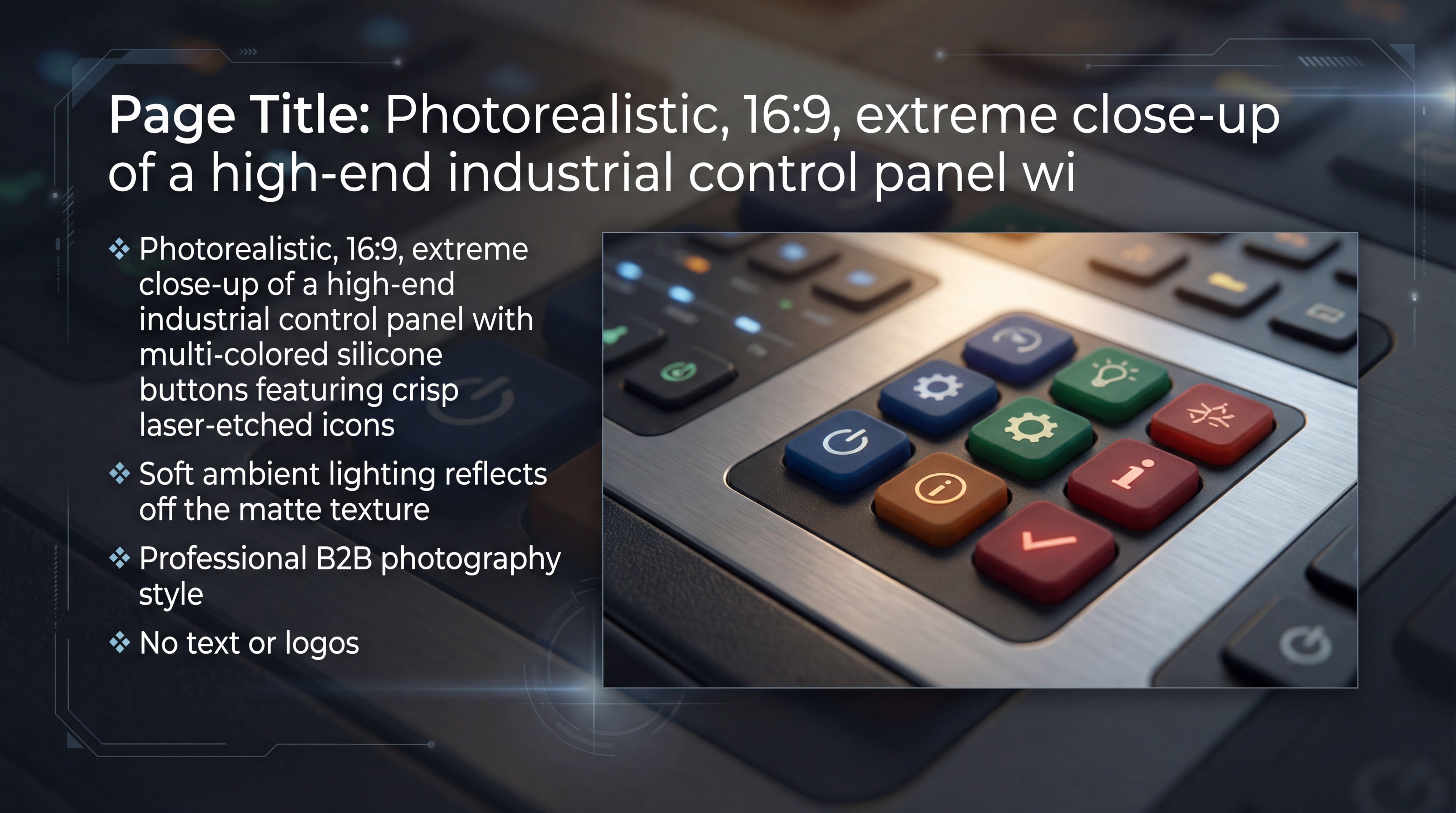
Custom silicone rubber keypads are essential because they provide a hermetic seal against environmental hazards while offering highly specific tactile feedback for the user. As a leading silicone keypad manufacturer, we ensure these components protect your internal circuitry from dust, liquids, and extreme temperature fluctuations. You can customize the entire user experience to match the specific safety and operational needs of your hardware.
Defining High-Performance Tactile Feedback
Tactile feedback is the physical sensation a user feels when pressing a key, often defined by the “snap ratio” of the silicone webbing. This feedback ensures the user knows an entry has been registered without needing to look at a screen. You can adjust the hardness and travel distance to create a soft touch or a firm, industrial click.
But that’s not all. You can also integrate carbon or gold pills to ensure reliable electrical contact over millions of cycles.
- Consistent snap ratios for user confidence.
- Custom travel distances to prevent accidental triggers.
- Internal conductive pills for long-term electrical reliability.
The following data outlines the typical performance expectations for high-end industrial silicone interfaces.
| Feature | Industrial Standard | Advantage |
|---|---|---|
| Operating Temp | -40°C to +200°C | Extreme environment stability |
| Life Cycles | 1 million to 10 million | Reduced maintenance costs |
| Protection Rating | IP65 to IP68 | Dust and water immersion proof |
Key Takeaway: Custom silicone keypads offer a unique blend of environmental protection and ergonomic customization that standard parts simply cannot match.
2. What are the Benefits of Silicone vs. Membrane?
Silicone keypads offer superior 3D geometry and travel compared to the thin, flat profile of traditional membrane switches. Choosing a silicone keypad manufacturer allows you to incorporate tall keys and deeper travel distances that membrane overlays are physically unable to achieve. This results in a more intuitive “blind” operation for users who need to keep their eyes on their work.
Comparing Durability and Environmental Sealing
While membrane switches are excellent for flat surfaces, silicone rubber is naturally resilient and can be molded into complex shapes that wrap around device housings. You benefit from a single-piece construction that eliminates seams where bacteria or contaminants could hide. This makes silicone the preferred choice for heavy-duty handheld devices.
Here’s the kicker: silicone doesn’t crack or fatigue under UV exposure as easily as some polyester membrane layers.
- Natural resistance to UV and ozone.
- Superior 3D tactile feedback.
- Seamless design for maximum IP protection.
Our technical comparison highlights the core differences you should consider when selecting your interface technology.
| Metric | Silicone Keypad | Membrane Switch |
|---|---|---|
| Tactile Life | 1,000,000+ Cycles | 500,000+ Cycles |
| IP Potential | IP68 (Molded seal) | IP65 (Adhesive seal) |
| Temp Range | High (-40°C to 200°C) | Moderate (-20°C to 70°C) |
| Design Depth | 3D Keys (High Travel) | 2D Flat (Low Travel) |
Key Takeaway: Silicone provides a more robust, long-lasting, and tactilely rich interface solution than standard membrane technologies for rugged applications.
3. How do Actuation Force and Stroke Affect UX?
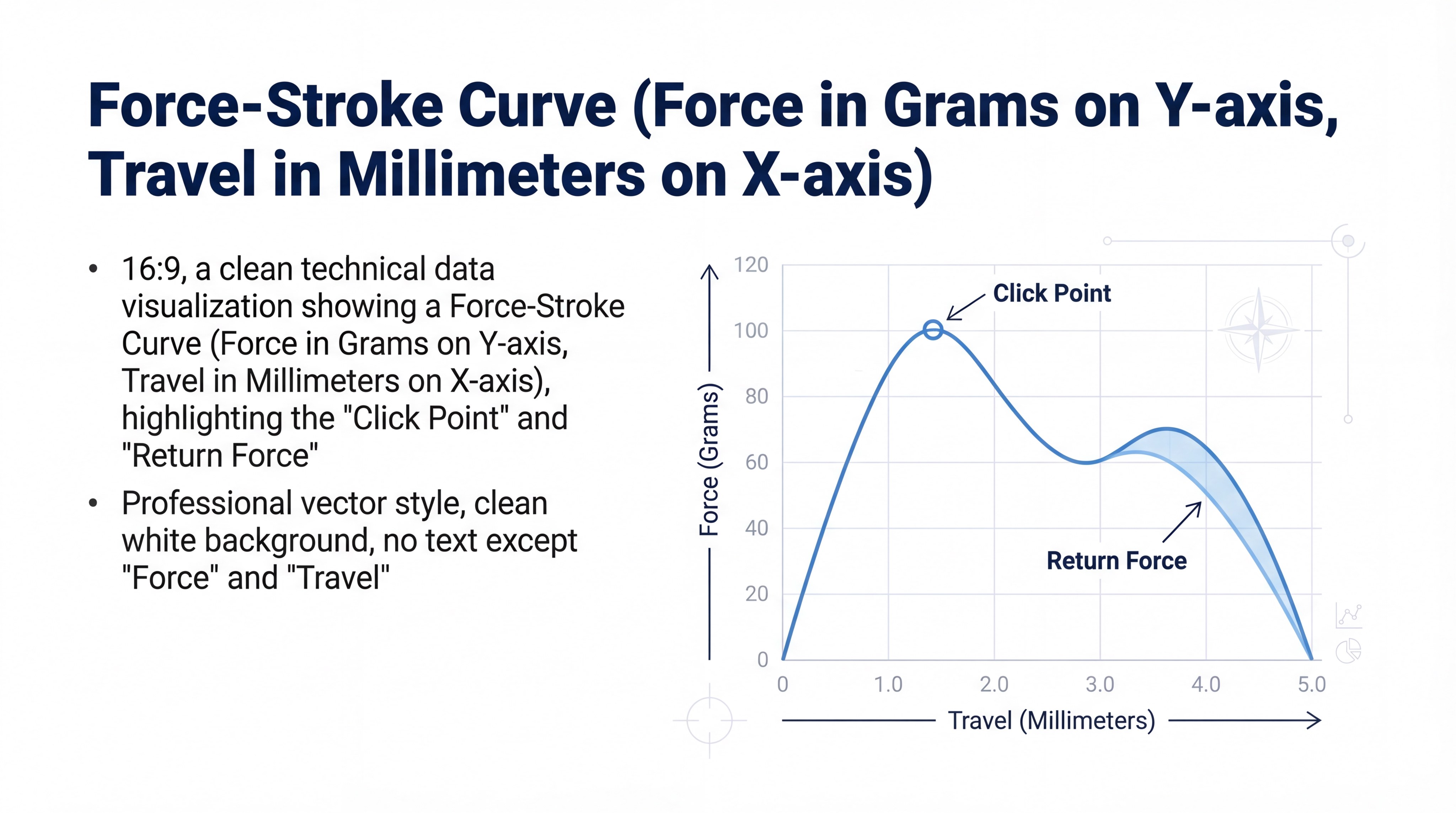
Actuation force and stroke length determine the user’s perception of quality and ensure that accidental inputs are minimized in critical environments. Any experienced silicone keypad manufacturer will tell you that the force-stroke curve is the “fingerprint” of your interface’s ergonomics. You can tune these variables to ensure the keypad feels premium while maintaining operational safety.
Understanding the Force-Stroke Curve
The force-stroke curve measures the relationship between the pressure applied by the finger and the distance the key travels before making electrical contact. You want a “snap” that is distinct enough to be felt through gloves but light enough to prevent user fatigue during long shifts. Our engineering team helps you define the peak force and return force to create the perfect “click.”
Think about this: a keypad with no tactile snap can lead to double-entry errors or missed inputs.
- Peak Force: The maximum pressure to break the silicone webbing.
- Return Force: The pressure that pushes the key back to its original state.
- Contact Force: The pressure maintained during electrical connection.
Different industries require specific force profiles to optimize the user experience and ensure safety.
| Industry Sector | Typical Actuation Force | Purpose |
|---|---|---|
| Medical Devices | 100g – 150g | Soft touch, easy operation |
| Automotive | 150g – 250g | Prevents accidental activation |
| Heavy Industrial | 250g – 500g | Tactile feedback through thick gloves |
Key Takeaway: Precision tuning of the force-stroke curve is vital for creating an interface that feels intuitive and prevents user error.
4. Which Surface Coatings Maximize Keypad Durability?
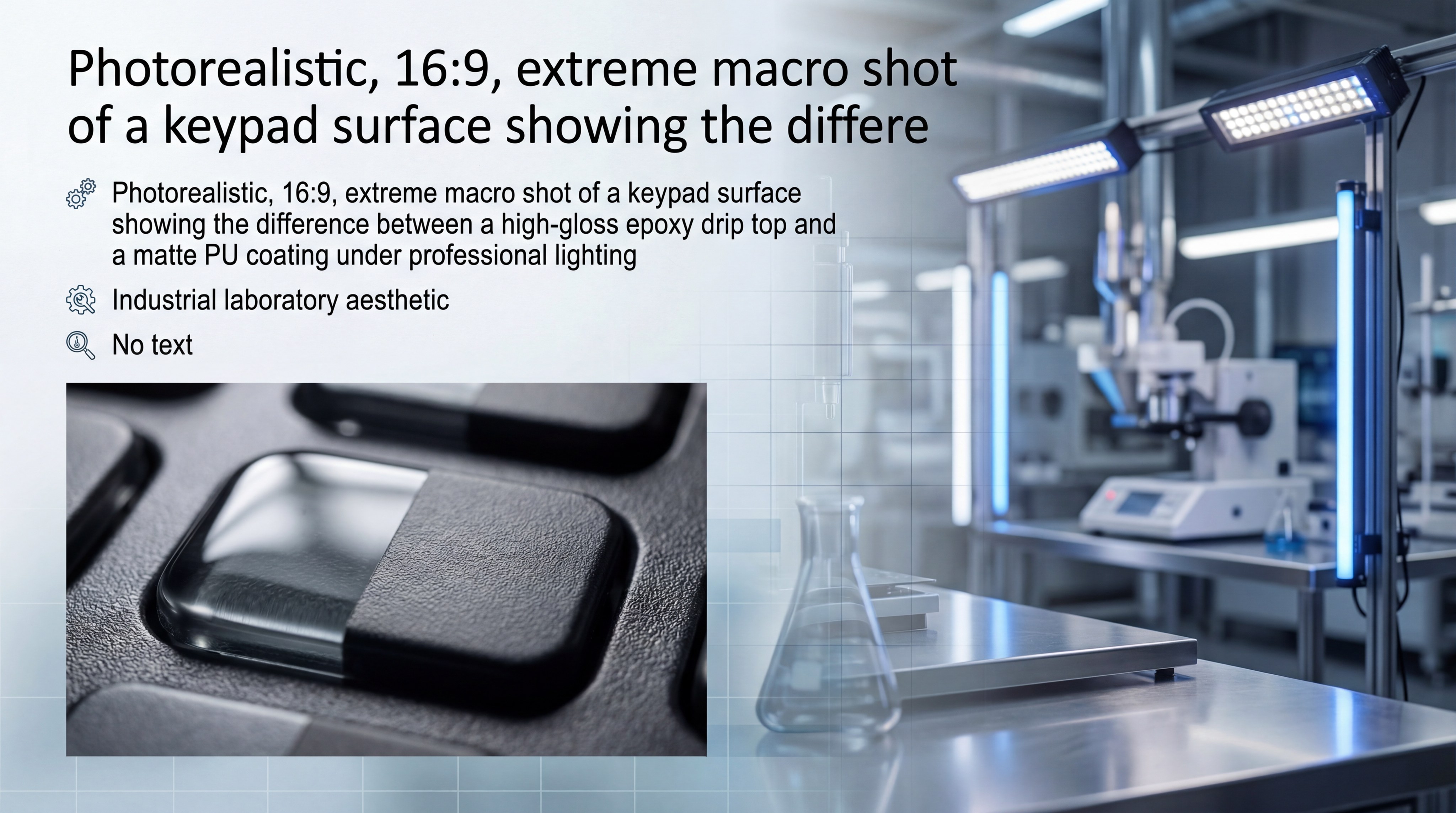
Surface coatings like PU, epoxy, and silicone spray are utilized to protect printed legends from abrasion and harsh cleaning chemicals. By working with a professional silicone keypad manufacturer, you can select the specific finish—from matte to high-gloss—that suits your branding. These coatings act as a sacrificial layer, ensuring your icons remain legible for the entire life of the product.
PU and Epoxy Coating for Legend Protection
PU (Polyurethane) coating provides a thin, matte, or satin finish that is highly resistant to skin oils and common solvents. For a more premium “jewel” look, epoxy resin can be applied to create a clear, raised dome over the keycaps. You can also choose soft-touch coatings that give the silicone a luxurious, velvety feel while maintaining its rugged properties.
It gets better. These coatings can be infused with antimicrobial agents to prevent the growth of mold and bacteria.
- PU Coating: Excellent abrasion and oil resistance.
- Epoxy Drip: High-gloss, 3D aesthetic for premium devices.
- Silicone Spray: Maintains the natural feel while protecting graphics.
Selecting the right coating depends on the environmental stressors your keypad will face in the field.
| Coating Type | Abrasion Resistance | Chemical Resistance | Visual Finish |
|---|---|---|---|
| PU Coating | Excellent | High | Matte/Satin |
| Epoxy Resin | Moderate | Excellent | High Gloss |
| Silicone Oil | Low | Moderate | Natural Matte |
Key Takeaway: Protective coatings are essential for maintaining professional aesthetics and icon legibility in high-use or harsh environments.
5. How do Medical-Grade Keypads Meet Rigorous Standards?
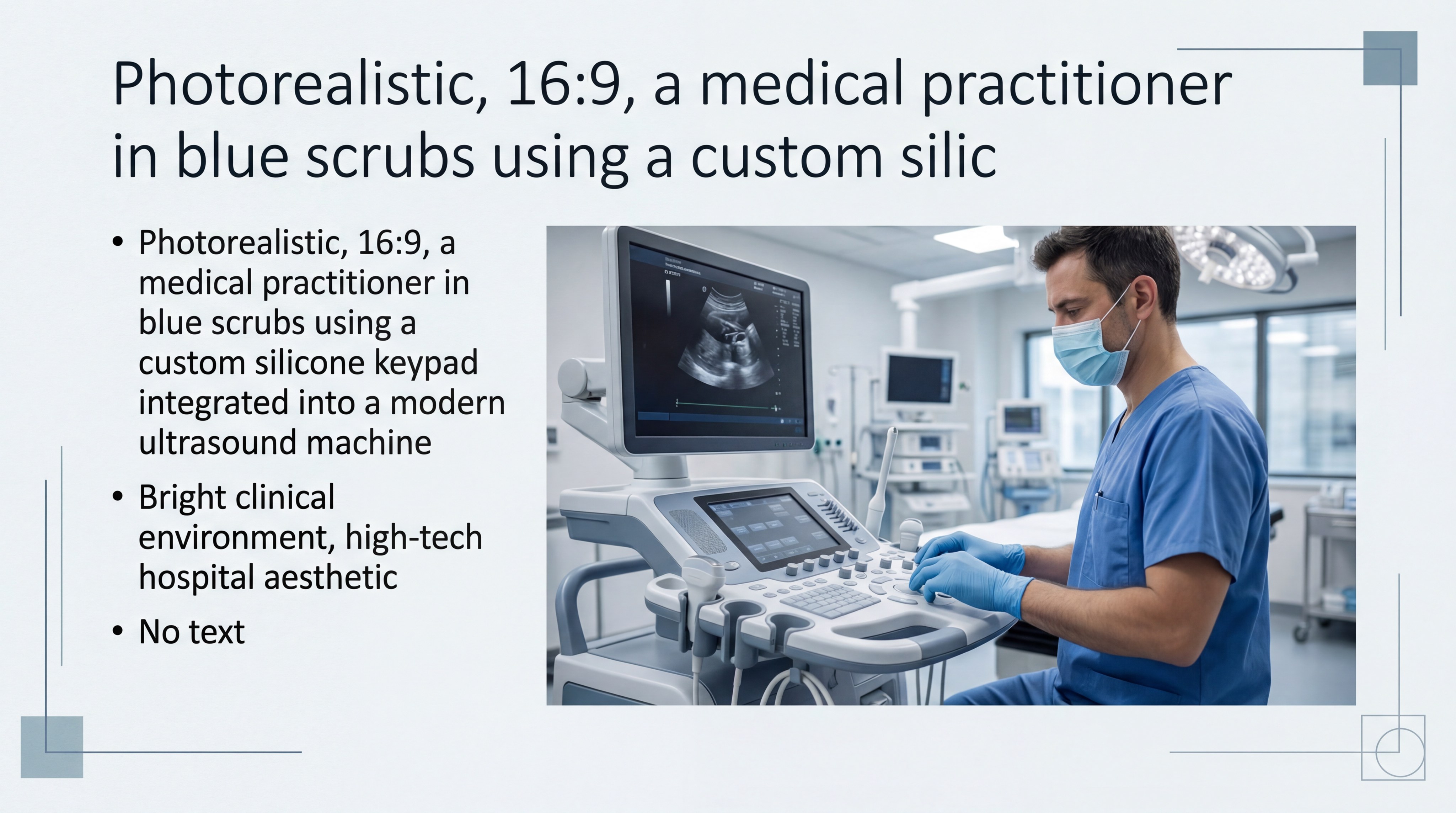
Medical-grade keypads meet rigorous standards by utilizing biocompatible materials and seamless designs that prevent the buildup of bacteria in clinical settings. As a leading silicone keypad manufacturer for the medical sector, we prioritize ISO 13485 compliance and sterilization compatibility. You need an interface that can withstand daily wiping with isopropyl alcohol or bleach without degrading.
Biocompatibility and ISO 13485 Mindset
We use FDA-approved silicone raw materials that are non-toxic and non-reactive when they come into contact with human skin. Your medical device must be designed for infection control, meaning no deep crevices or sharp corners where pathogens can thrive. Our manufacturing process ensures that every part is produced in a clean environment to avoid contamination.
You might be wondering: can these keypads survive autoclave sterilization? Yes, if specified during the design phase.
- Compliance with FDA, REACH, and RoHS standards.
- Resilience against aggressive chemical disinfectants.
- Seamless, easy-to-clean “blanket” keypad designs.
The following checklist highlights the critical compliance requirements for medical-grade silicone components.
| Standard | Requirement | Application |
|---|---|---|
| ISO 10993 | Biocompatibility | Skin contact safety |
| USP Class VI | Medical Grade | High-purity material |
| IP67 / IP68 | Ingress Protection | Liquid spill protection |
| ISO 13485 | Quality Management | Medical device manufacturing |
Key Takeaway: Medical-grade keypads require a specialized manufacturer who understands the intersection of biocompatibility, hygiene, and durability.
6. How is Precision Backlighting and Etching Achieved?
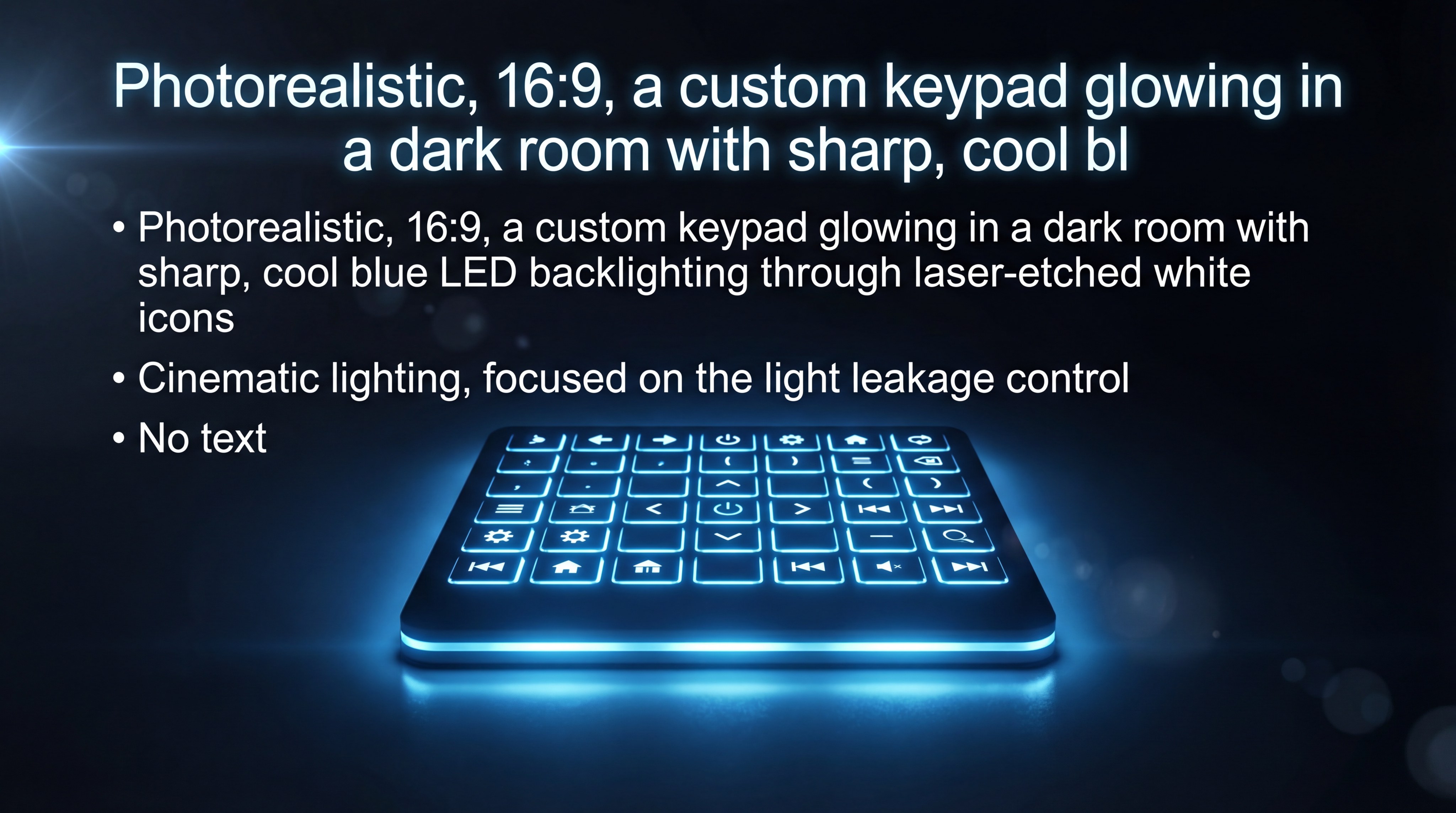
Precision backlighting is achieved through laser etching translucent silicone to create sharp legends that allow LED light to pass through uniformly. A top-tier silicone keypad manufacturer uses advanced light-pipe integration to eliminate “hot spots” and ensure visibility in low-light environments. This process involves coating a translucent base with multiple layers of opaque ink before selectively removing them with a laser.
Laser Etching for High-Resolution Legends
The laser etching process allows for incredibly fine detail, enabling you to include complex logos and small fonts that stay sharp even when illuminated. You can choose from various translucent colors to create a multi-color lighting effect without needing colored LEDs. This gives your device a high-tech, professional appearance that enhances user satisfaction.
Now, consider this. Proper light leakage control ensures that light only shines through the icons, not the gaps between the keys.
- Multi-layer spray coating for zero light leakage.
- High-precision laser removal for crisp icons.
- Custom translucent pigments for color-matched backlighting.
Compare the various backlighting technologies to find the best fit for your device’s power and space constraints.
| Tech Type | Uniformity | Power Consumption | Space Required |
|---|---|---|---|
| LED Per Key | High | Low | Moderate |
| Light Pipe | Excellent | Low | Low Profile |
| EL Panel | Superior | High | Ultra-Thin |
Key Takeaway: Advanced laser etching and light management are critical for creating readable, professional, and aesthetically pleasing backlit interfaces.
7. What is the Benefit of P+R (Plastic and Rubber)?
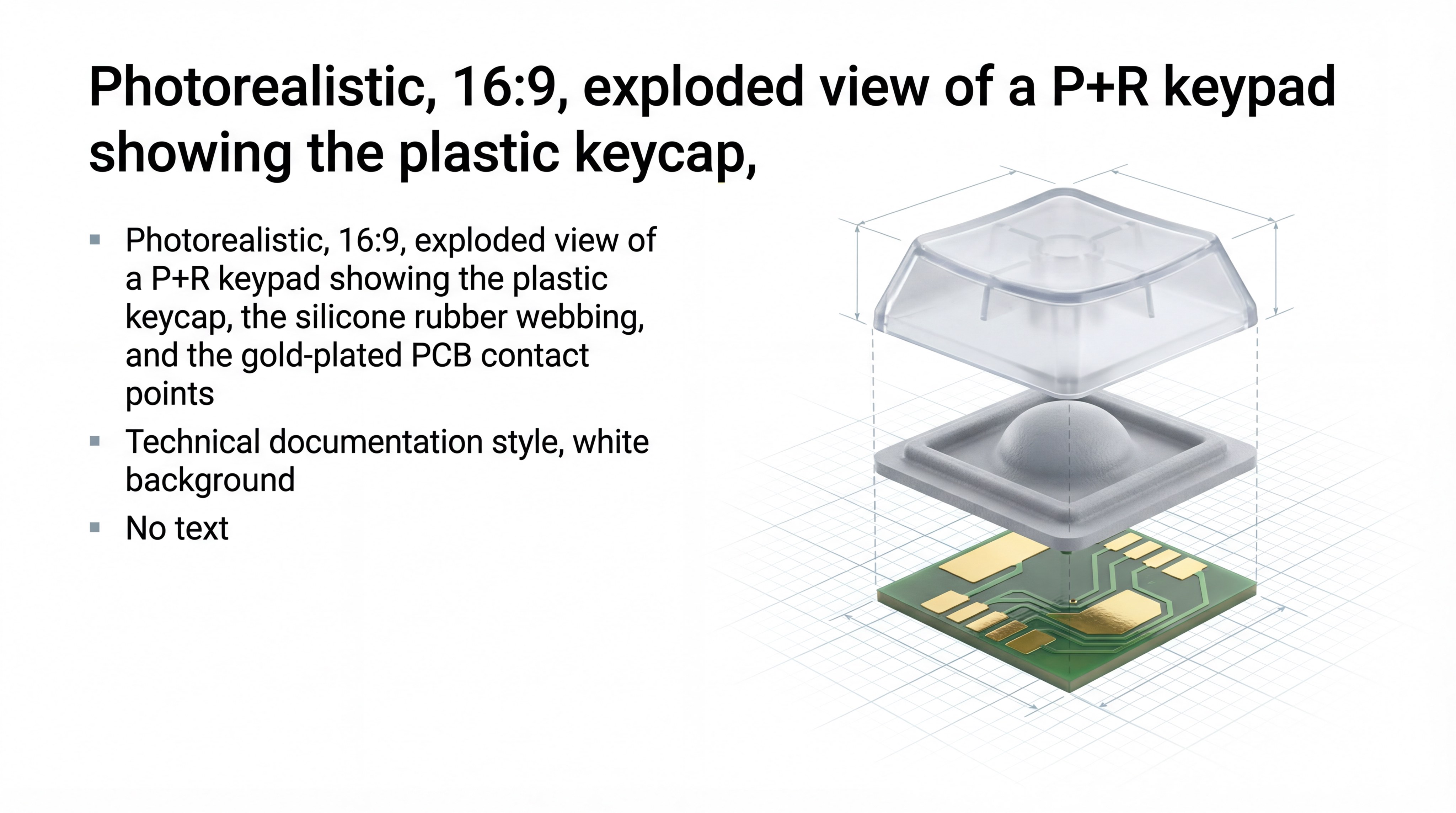
The benefit of P+R technology is the combination of a hard plastic keycap’s aesthetics with the elastic tactile feel and sealing of a silicone base. A specialized silicone keypad manufacturer uses overmolding or bonding to create these hybrid assemblies for premium consumer and industrial products. You get the durability of ABS or PC plastic on the contact surface with the reliable mechanical life of silicone.
Combining ABS Durability with Silicone Flex
Plastic keycaps offer a much wider range of decorative finishes, including chrome plating, metallic paints, and high-resolution pad printing. By bonding these to a silicone rubber actuator, you provide the user with a “high-end” desktop keyboard feel in a ruggedized format. You can also utilize clear plastic caps for superior backlighting clarity and icon protection.
But wait, there’s more. P+R keypads can incorporate metal domes for an even sharper, “snappier” tactile response.
- Premium aesthetic with metallic or gloss finishes.
- Superior wear resistance compared to standard rubber.
- Integration with metal domes for high-speed typing.
The table below examines how different material combinations affect the final performance of the keypad.
| Combination | Best For | Key Advantage |
|---|---|---|
| Plastic + Silicone | Industrial HMIs | Durability and “snap” feel |
| Metal + Silicone | High-end Consumer | Ultra-sharp tactile response |
| PC + Silicone | Backlit Controls | Optical clarity for LEDs |
Key Takeaway: P+R keypads bridge the gap between consumer-grade aesthetics and industrial-grade reliability, offering the best of both worlds.
8. How does In-house Tooling Reduce Your Lead Times?
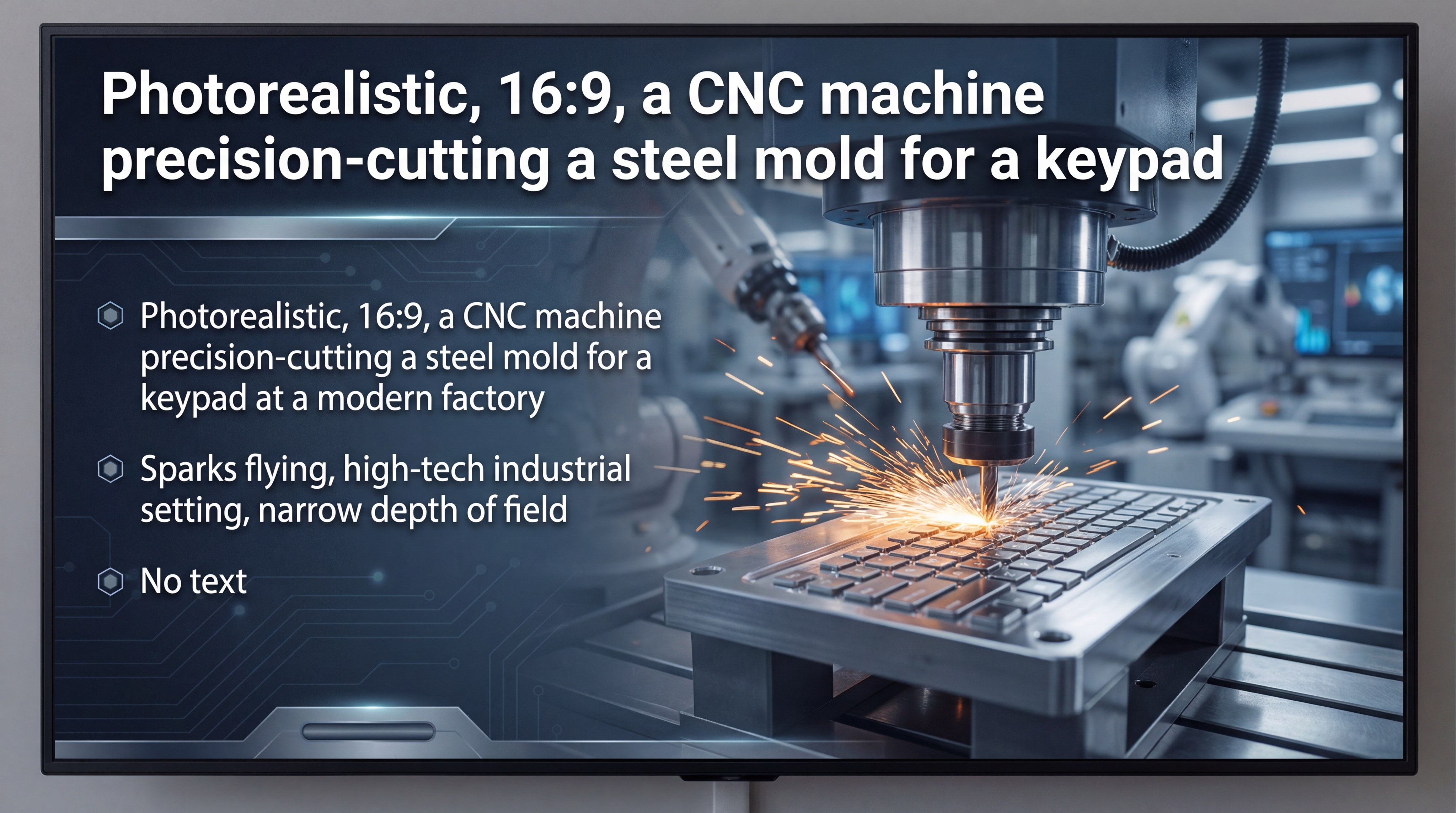
In-house tooling reduces lead times by eliminating the need for external mold-making shipping and coordination, allowing for rapid design adjustments on-site. As your silicone keypad manufacturer, we maintain full control over the CNC process to ensure your project stays on schedule. This vertical integration allows us to move from prototype to mass production significantly faster than competitors who outsource their molds.
Rapid Prototyping and DFM Verification
Our engineers perform Design for Manufacturing (DFM) reviews concurrently with the mold-making process to catch potential issues early. You benefit from faster iterations, meaning you can test multiple tactile variations or geometry changes in weeks rather than months. This control ensures that the final steel mold is optimized for both speed and quality.
Here is the deal. In-house tooling also reduces the risk of quality drift between the initial sample and the production run.
- Direct communication between design and tooling teams.
- Reduced shipping delays for mold adjustments.
- Faster ramp-up to high-volume production.
Choosing a partner with in-house capabilities significantly impacts your time-to-market.
| Process Stage | In-House Tooling | Outsourced Tooling |
|---|---|---|
| DFM Review | 1-2 Days | 5-7 Days |
| Mold Creation | 10-15 Days | 25-30 Days |
| Sample Approval | 3-5 Days | 10-15 Days |
| Total Lead Time | ~3 Weeks | ~8 Weeks |
Key Takeaway: Vertical integration in tooling is the most effective way to compress your development cycle and ensure mold precision.
9. What Quality Controls Ensure Zero-Defect Batches?
Quality controls like automated CCD visual inspection and life-cycle testing ensure that every batch of keypads meets your strict performance specifications. This is a standard operating procedure for a top-tier silicone keypad manufacturer looking to maintain zero-defect rates in mission-critical applications. You can rest assured that every button will work the first time, every time, reducing your warranty costs.
Automated CCD Visual Inspection Systems
Automated CCD cameras scan every keypad for microscopic imperfections in printing, coating, or molding that the human eye might miss. You receive components that are dimensionally accurate to within microns, ensuring a perfect fit in your device housing. We also perform destructive testing on sample units to verify that the silicone’s physical properties meet the required shore hardness.
Best of all? Life-cycle testers simulate years of use in just a few days to prove the longevity of your design.
- 100% inspection for critical medical or aerospace parts.
- Automated force testing to ensure snap consistency.
- Environmental stress testing (heat, cold, humidity).
The following metrics are tracked during our rigorous quality assurance protocols to ensure peak reliability.
| Test Parameter | Method | Success Metric |
|---|---|---|
| Shore Hardness | Durometer Test | +/- 5 Degrees |
| Life Cycle | Repetitive Actuation | > 1,000,000 hits |
| Print Adhesion | RCA Abrasion Test | No legend wear |
| Force Consistency | Force-Stroke Probe | +/- 15% Snap Ratio |
Key Takeaway: Rigorous, automated quality control is the only way to guarantee the reliability of keypads in life-saving or high-cost industrial systems.
10. How do You Start a Custom Keypad Project Today?
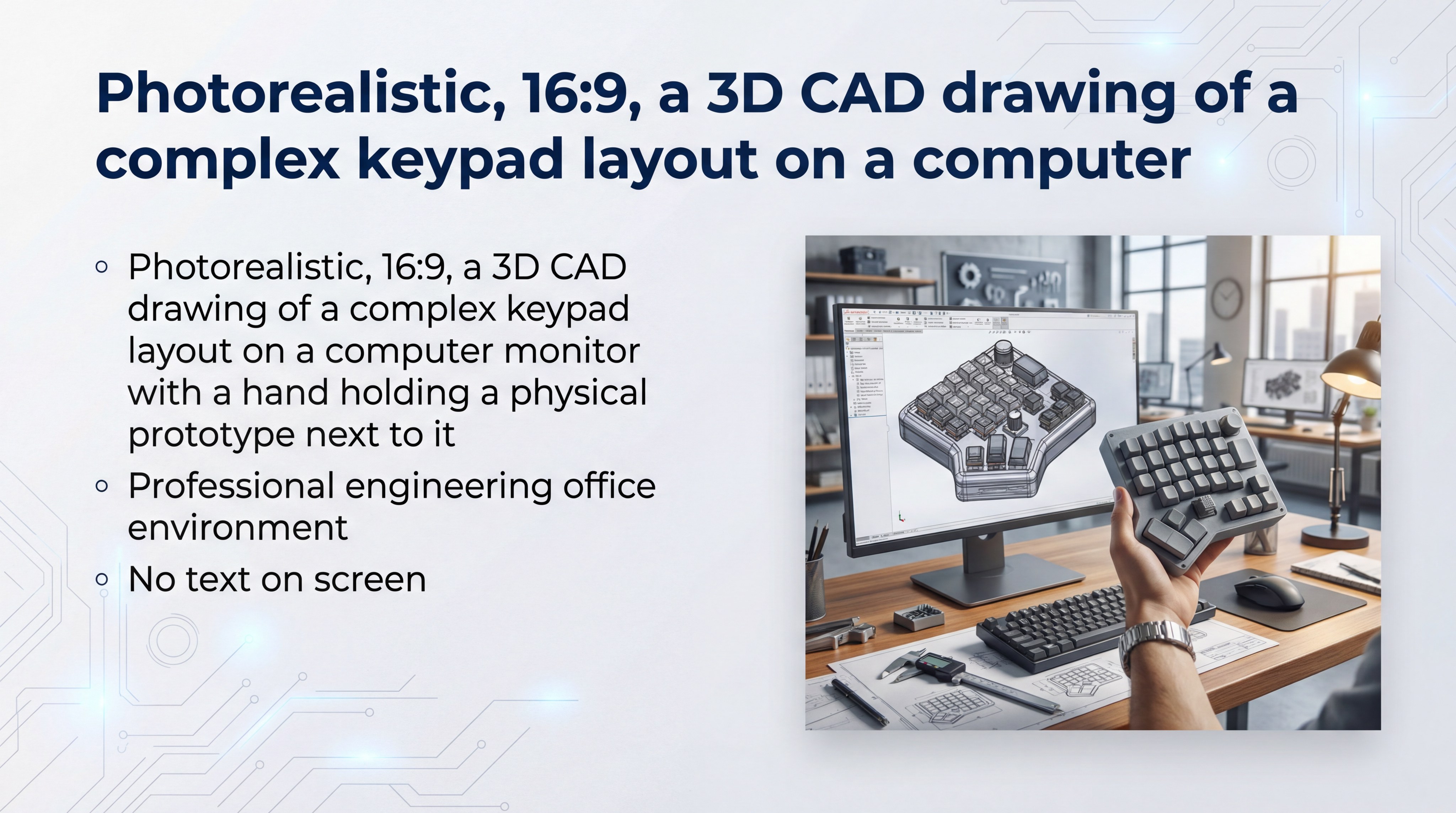
You start a custom keypad project by providing your 3D design files and technical specifications to a qualified manufacturer for a DFM review and quote. To initiate the process, you should contact us today so our expert silicone keypad manufacturer team can help you refine your design for mass production. You don’t need to be an expert in silicone chemistry; our engineering team will guide you through material selection and tactile tuning.
Essential Data for a Precise Quote
The more information you provide upfront, the more accurate our quote and DFM suggestions will be. You should include your required actuation force, backlighting needs, and the environmental conditions the keypad will face. We use this data to recommend the best combination of base materials, coatings, and conductive elements to meet your budget.
Ready to get started? We offer free DFM suggestions to ensure your design is optimized for cost and performance.
- Step 1: Submit your 3D CAD files (.STEP or .IGS).
- Step 2: Receive a detailed DFM and cost analysis.
- Step 3: Prototype and test your tactile response.
Use this checklist to ensure you have all the necessary details ready for your engineering consultation.
| Checklist Item | Description | Why It Matters |
|---|---|---|
| 3D Drawings | Key geometry and spacing | Tooling accuracy |
| Shore Hardness | Hardness of silicone (40-70A) | Tactile feel |
| Graphic Artwork | Legend colors and placement | Printing precision |
| Annual Volume | Estimated units per year | Scalability planning |
Key Takeaway: Starting a project with a clear set of specifications and an expert DFM review ensures a smooth transition from concept to mass production.
*
Precision Engineering for Your Success
By choosing custom manufactured keypads, you solve the persistent issues of environmental failure, poor user experience, and lack of durability found in standard interface components. This article has guided you through the critical importance of material selection, tactile engineering, and rigorous quality control. At HuaLin, our vision is to empower B2B innovators with the highest-quality silicone solutions, ensuring your products excel in the most demanding environments. To transform your interface concept into a high-performance reality, contact us today.
Frequently Asked Questions
Can I get a prototype before committing to full production?
Yes, we offer rapid prototyping. This allows you to test the tactile feel and fit of the keypad before investing in mass-production tooling.
What’s the best way to clean medical silicone keypads?
Use standard hospital disinfectants. Silicone is naturally resistant to isopropyl alcohol and bleach, making it ideal for sterile environments.
Can I request custom colors for my silicone buttons?
Absolutely. We can match any Pantone or RAL color code for both the silicone base and the printed legends to suit your brand.
What’s the best material for keypads used outdoors?
Silicone rubber is ideal. It maintains its flexibility and resists degradation from UV rays, ozone, and extreme temperature changes.
Can I integrate metal domes into a silicone keypad?
Yes, this is common. Adding metal domes under the silicone webbing provides a sharp, tactile “click” that many users prefer for data entry.