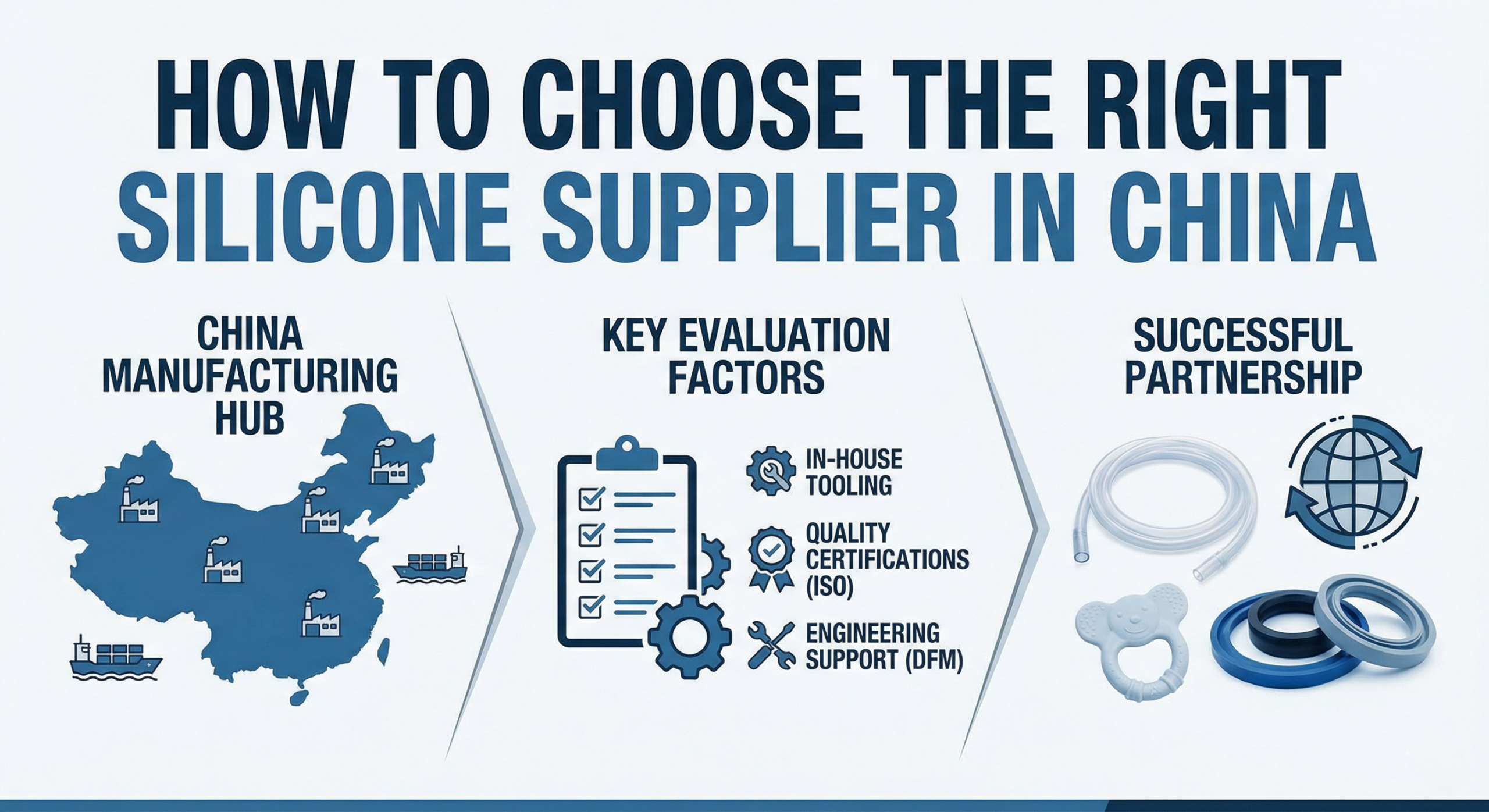
To find the right partner, you must evaluate their technical infrastructure, quality certifications, and engineering support depth. You likely have a final product design ready, but finding a factory that can maintain tight tolerances without inflating your budget is a constant challenge. This is the primary pain point for procurement managers who need to balance cost and precision in a crowded market.
Choosing the wrong vendor leads to catastrophic results like failed waterproof seals, material non-compliance, or delayed launches that destroy your market timing. Inconsistent dimensions and poor surface finishes can ruin your brand’s reputation overnight. The financial risk of a failed tool run often reaches thousands of dollars in wasted capital and months of lost opportunity.
This guide provides a strategic framework to vet every potential silicone supplier and ensure repeatable quality for your business. We will explore the technical benchmarks, logistical considerations, and quality standards required for a successful partnership in 2022. By following these steps, you can secure a manufacturing partner that scales with your growth.
Why is China the best hub for silicone sourcing?
China remains the premier global hub because it offers unmatched industrial clusters and a mature supply chain that significantly reduces lead times and manufacturing costs. When you look for a silicone supplier in regions like Dongguan or Shenzhen, you are tapping into an ecosystem where raw material compounders and mold makers are often located within the same district. This proximity ensures that production stays on track even during global supply shifts.
Does regional concentration matter for you?
Regional hubs provide you with a competitive edge by streamlining the logistics of secondary operations. Think about it:
- Access to high-purity liquid silicone rubber (LSR).
- Proximity to specialized surface treatment facilities.
- Reduced transport costs between material sources and the factory.
- Concentrated engineering expertise in specific niches.
How does infrastructure impact your delivery?
The mature infrastructure in Chinese manufacturing zones ensures that your high-volume orders reach global ports with maximum efficiency. Most professional factories have spent years optimizing their export workflows to meet Western standards.
| Advantage | Business Impact |
|---|---|
| Mature Supply Chain | Lower risk of material shortages |
| Regional Logistics | Faster transit to international ports |
| Industrial Density | Lower overhead and part costs |
China’s infrastructure is specifically designed to handle rapid scaling and complex export documentation for global brands.
Where can you search for a professional factory?
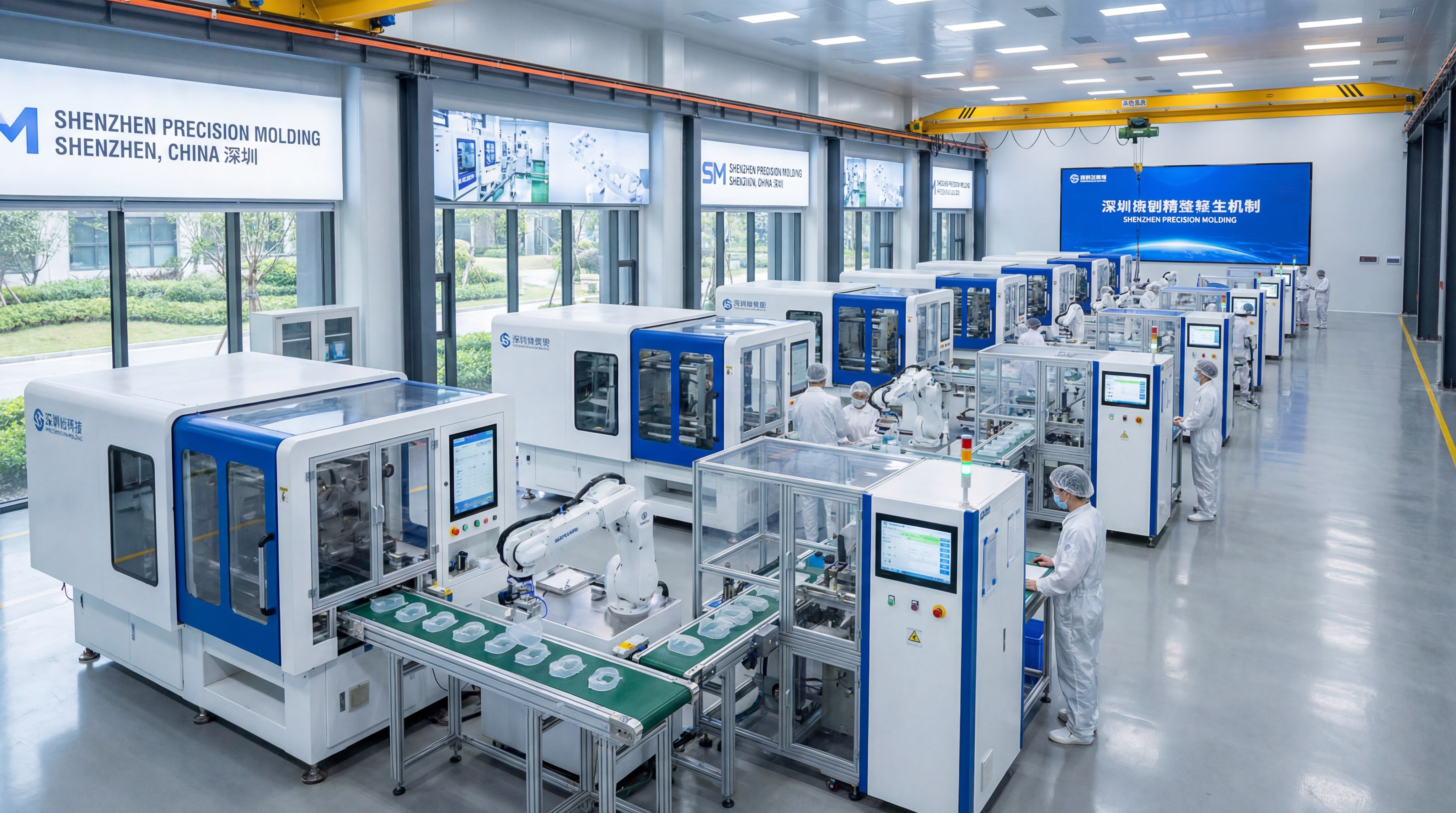
Professional factories are best identified through targeted Google searches, industry trade shows, or by vetting direct manufacturers on B2B platforms like Alibaba. When searching for a silicone supplier, you should prioritize those who showcase deep technical knowledge rather than just a product catalog. A true OEM/ODM partner will provide detailed case studies and technical blogs that prove their ability to solve complex molding challenges.
Should you trust B2B platform badges?
Verified badges are a good starting point, but they should never be your only criteria for selection. Here is why:
- Verified status often only confirms legal existence and physical address.
- Trading companies frequently pose as manufacturers to capture leads.
- Platform rankings can be influenced by advertising spend rather than quality.
- Direct communication is the only way to verify technical fluency.
Why are search engines better for OEM?
Using search engines allows you to find factories that invest in their own technical documentation and engineering resources. You can often find a more specialized industry focus by looking for manufacturers who publish white papers or DFM guidelines.
| Sourcing Channel | Accuracy | Best Use |
|---|---|---|
| Google Search | High | Finding technical OEM partners |
| B2B Platforms | Medium | Price comparison for standard parts |
| Trade Shows | Very High | Face-to-face quality verification |
Direct search results typically lead to manufacturers who maintain a higher level of transparency and professional engineering support.
Key Takeaway: Always cross-reference platform listings with the supplier’s official website and technical documentation to verify their manufacturing status.
Does factory size affect your project’s success?
Factory size dictates the level of standardized process and individual attention your specific order will receive from the silicone supplier. Large-scale facilities often provide the stability and certifications needed for enterprise projects, while smaller shops might offer more flexibility for custom, low-volume runs. You must match your project’s scale to the supplier’s capacity to ensure you are treated as a priority client.
Are large factories safer for mass volume?
Large factories offer a level of production discipline that is essential for high-volume consumer electronics or automotive parts. But that is not all.
- Automated LSR injection molding lines for high consistency.
- Strict adherence to IATF 16949 or ISO 9001 standards.
- Greater financial stability during long production cycles.
- Extensive in-house testing equipment for reliability.
Do small shops offer better flexibility?
Smaller manufacturers can be more agile when you need to make rapid changes to a prototype or require a low MOQ. They often allow for more direct communication with the head of production, which can speed up the decision-making process for specialized designs.
| Supplier Size | Ideal Project Type | Key Benefit |
|---|---|---|
| Large Facility | Mass production / Medical / Auto | Process stability and compliance |
| Medium Factory | OEM/ODM consumer products | Balanced cost and engineering |
| Small Shop | Prototypes / Niche accessories | High flexibility and low MOQ |
Choosing a partner whose capacity matches your volume ensures you receive the necessary resources and management attention for your project.
Key Takeaway: Evaluate your long-term volume needs to determine if you need the process stability of a large factory or the agility of a mid-sized shop.
Is in-house tooling a mandatory requirement?
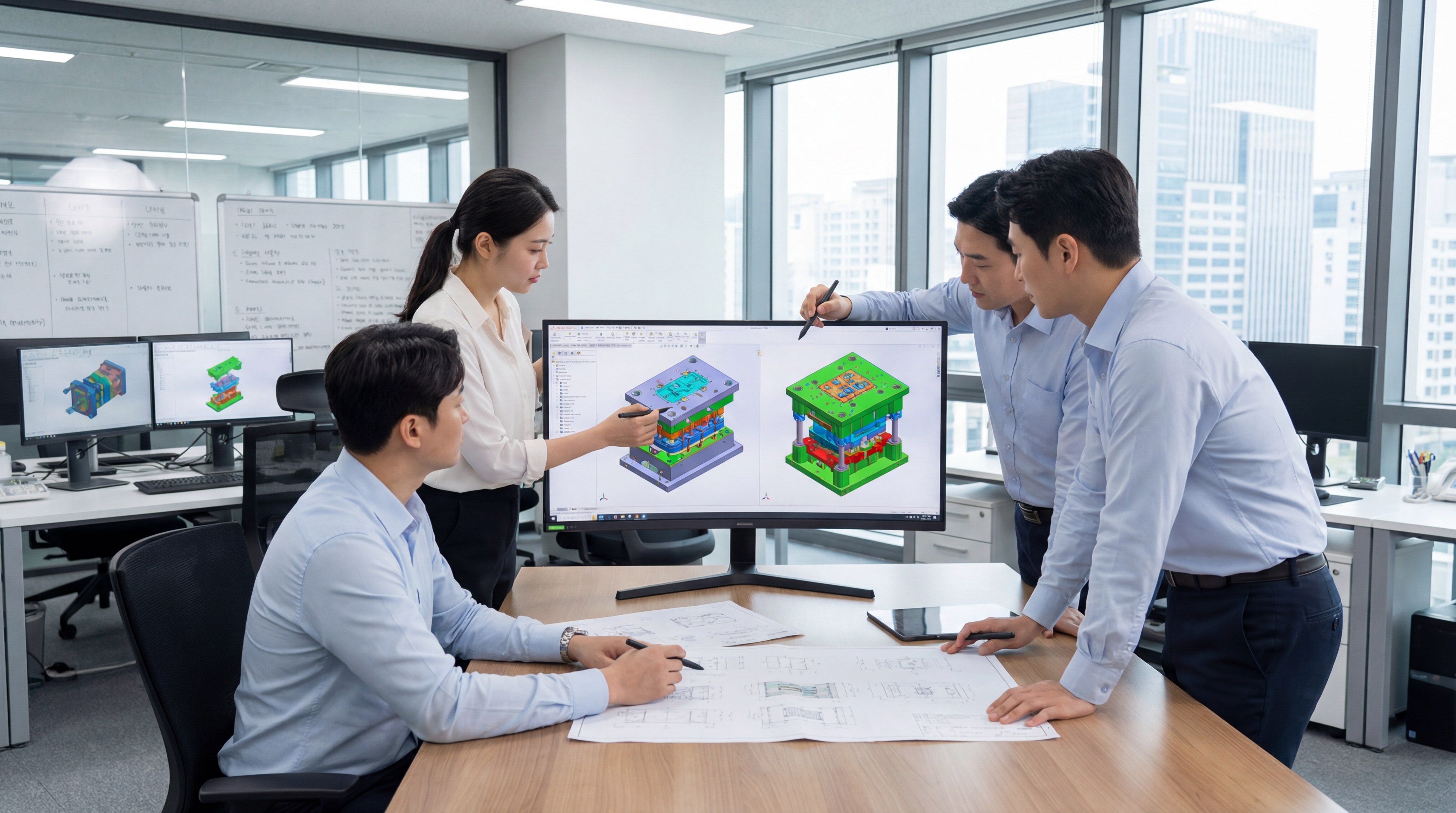
In-house CNC tooling is critical because it gives your silicone supplier direct control over the mold precision and the overall project timeline. When a factory outsources its tool making, you lose the ability to make quick design iterations or troubleshoot molding issues in real-time. You should always look for a partner who manages the custom molding process from design to mass production under one roof.
Why does outsourcing tooling create risks?
Outsourcing introduces a middleman that can cause significant delays and communication errors regarding your tolerances. Now, consider this:
- Third-party tool shops may not understand the specific molding machine specs.
- Lead times can double if the tool needs to be shipped back for adjustments.
- Higher costs due to the manufacturer adding a markup on the mold.
- Less accountability if the final molded part does not match the drawing.
Can in-house shops speed up iterations?
Having a CNC shop on-site means that an engineer can walk from the computer to the machine to make immediate adjustments. This integration is the only way to effectively manage complex designs that require multiple sampling rounds.
| Tooling Source | Lead Time | Control Level |
|---|---|---|
| In-house CNC | 2-3 Weeks | Absolute control over precision |
| Outsourced | 4-6 Weeks | Low control; risk of delays |
| Manual Tooling | Variable | Low precision; high risk |
In-house tooling centers significantly reduce the risk of mold re-works and ensure your parts meet strict dimensional requirements.
Key Takeaway: Prioritize suppliers with in-house CNC and EDM capabilities to ensure faster development cycles and tighter quality control.
How does engineering support reduce your costs?
Expert engineering support from your silicone supplier identifies design flaws early through Design for Manufacturing (DFM) reviews, preventing expensive mold re-works later. A manufacturer that offers proactive design advice can help you optimize wall thickness, draft angles, and parting lines to improve yield rates. This level of support is especially vital when developing smart wearable products where fit and finish are paramount.
What is DFM and why do you need it?
DFM is the process of reviewing your 3D files to ensure the part can be manufactured efficiently and repeatably. It gets better:
- Reduces material waste through optimized gate placement.
- Ensures easy part ejection to prevent tearing.
- Hides parting lines to improve the aesthetic quality.
- Identifies potential sink marks before the tool is cut.
How does material selection impact price?
Choosing the right grade of silicone—whether it is standard, high-tear, or medical-grade—can significantly affect your unit cost and product performance. Your supplier should guide you toward the most cost-effective material that still meets your functional requirements.
| Engineering Service | Value | Cost Impact |
|---|---|---|
| DFM Review | High | Prevents $5,000+ in tool re-works |
| Material Guidance | Medium | Optimizes per-unit part cost |
| Tolerance Planning | High | Reduces scrap and inspection costs |
Engineering support is an investment that pays for itself by reducing production risks and increasing manufacturing efficiency.
Key Takeaway: Look for a supplier that provides a detailed DFM report within 24-48 hours of your initial inquiry to verify their technical capability.
Which industry certifications should you verify?
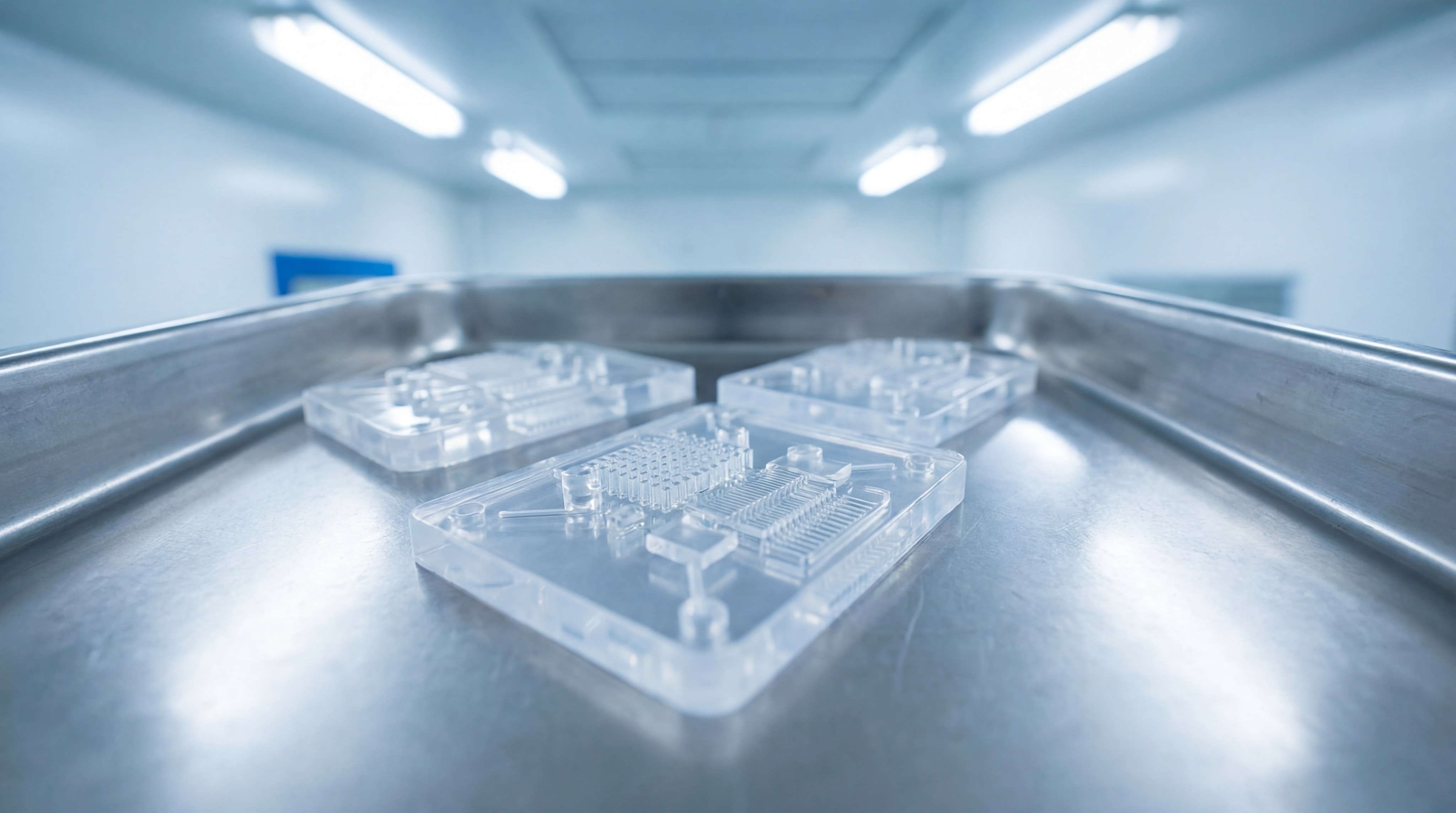
You must verify that your silicone supplier holds certifications like ISO 9001, IATF 16949, or ISO 13485 depending on your specific industry’s regulatory requirements. These documents prove that the factory has a controlled system for managing materials, production processes, and continuous improvement. For businesses in the healthcare sector, finding a partner with medical grade silicone expertise is non-negotiable for compliance.
Do you need medical grade certifications?
If your product touches the skin or is used in a clinical setting, your supplier must use FDA or LFGB compliant materials. You see:
- Medical certifications require strict cleanroom environments.
- Traceability of every material batch is mandatory.
- Biocompatibility testing support is often required.
- Strict post-curing processes are needed to remove volatiles.
Are REACH and RoHS compliance standard?
For consumer electronics and general goods, REACH and RoHS compliance ensure that your products are free from restricted hazardous substances. Most professional Chinese exporters will provide these test reports as a standard part of their quality documentation.
| Certification | Industry Focus | Requirement Level |
|---|---|---|
| ISO 9001 | General Manufacturing | Standard |
| ISO 13485 | Medical Devices | Critical for Healthcare |
| IATF 16949 | Automotive | Critical for Auto Parts |
| FDA/LFGB | Food & Baby Care | Mandatory for Contact |
Industry-specific certifications provide the legal and safety assurance needed to market your products in Europe and North America.
Key Takeaway: Never take a supplier’s word for it; always ask for a PDF copy of their certifications and verify the expiration dates.
What does a robust quality system look like?
A robust quality system at a silicone supplier integrates IQC, IPQC, and FQC stages to ensure every part meets your dimensional and aesthetic specifications. Quality is not just a final check; it is a series of preventative measures designed to catch defects before they become a batch-wide issue. For high-precision projects like baby care silicone, a multi-stage inspection plan is the only way to guarantee safety.
Is 100% inspection necessary for you?
While sample-based inspection (AQL) is common, 100% visual inspection is often necessary for parts with high aesthetic requirements. The reality is:
- Human error can miss small bubbles or surface dust.
- Complex geometries may require manual flash removal.
- Critical seals must be checked for every single unit.
- Automated CCD inspection can be used for high-speed accuracy.
How are critical dimensions measured?
Professional factories use digital calipers, projectors, and 2.5D measuring machines to verify that your parts fall within the agreed-upon tolerances. These measurements should be recorded in an inspection report provided with every shipment.
| QC Stage | Activity | Goal |
|---|---|---|
| IQC | Raw material verification | Ensure material purity |
| IPQC | Hourly patrol inspection | Catch process drift early |
| FQC/OQC | Final visual/dimen. check | 0% defect rate at delivery |
A transparent quality control process reduces your incoming inspection workload and ensures your assembly line runs smoothly.
Key Takeaway: Request a sample inspection report from a previous project to see how the supplier documents their quality findings.
Can the supplier handle overmolding projects?
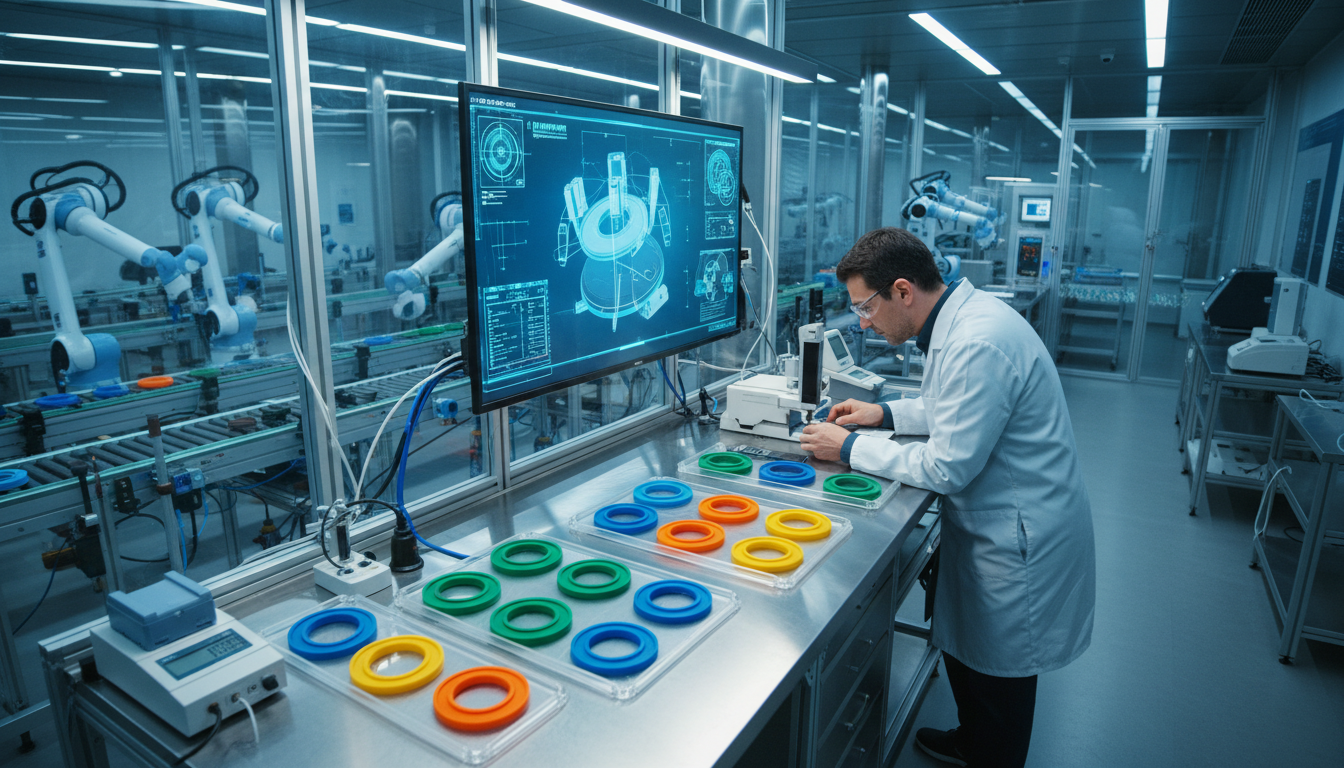
Overmolding is a complex process that requires your silicone supplier to have specialized equipment and deep expertise in bonding silicone to plastic or metal substrates. This technique is often used for ergonomic grips, waterproof enclosures, and multi-material structural components. Successful overmolding depends on the manufacturer’s ability to manage temperature and pressure without damaging the insert material.
Why is bonding strength a concern?
Without the correct chemical primers or mechanical interlocks, silicone can easily peel away from the base material. Best of all:
- Expert suppliers use specialized primers for superior adhesion.
- Plasma surface treatment can be used to improve bonding.
- LSR (Liquid Silicone Rubber) is often preferred for precision overmolding.
- Mechanical design can be optimized to lock the materials together.
What equipment is needed for LSR?
Liquid silicone rubber requires high-precision injection molding machines with cold runner systems to prevent material waste and ensure consistency. If your project involves intricate overmolding, you must ensure the factory has the latest LSR technology.
| Overmolding Type | Common Substrates | Application |
|---|---|---|
| Silicone-to-Plastic | PC, PA, ABS | Electronic enclosures |
| Silicone-to-Metal | Stainless steel, Aluminum | Surgical tools / Kitchenware |
| Silicone-to-Glass | Borosilicate glass | Decorative / Lighting |
Advanced overmolding capabilities allow for more innovative product designs that combine the benefits of multiple materials.
Key Takeaway: Ask your supplier for examples of multi-material bonding they have successfully completed to gauge their technical limits.
How do you evaluate communication and service?
Evaluating your silicone supplier based on communication focuses on their technical fluency, response speed, and the transparency of their project management. In a B2B environment, you need a partner who understands your technical requirements and can explain manufacturing trade-offs clearly. This is vital for projects involving custom molding where requirements often evolve during the development phase.
Is technical English proficiency vital?
Technical fluency ensures that your engineering requirements are not “lost in translation” when passed to the production floor. Look at it this way:
- Engineers should be able to discuss tolerances and draft angles.
- Misunderstandings can lead to costly mold re-works.
- Clear documentation is essential for quality standards.
- Video calls can help bridge the gap during design reviews.
How fast should you expect a quote?
A professional manufacturer should provide a preliminary quote and feasibility review within 24 to 48 hours. If a supplier takes a week to respond to an RFQ, it is often a sign of poor project management or lack of interest in your project.
| Communication Metric | Professional Level | Warning Sign |
|---|---|---|
| Response Time | < 24 Hours | > 3 Days |
| Technical Depth | Detailed DFM reports | Generic “we can do it” emails |
| Transparency | Shares factory photos/videos | Refuses to show equipment |
Efficient communication is the foundation of a successful international partnership and ensures your project stays on schedule.
Key Takeaway: Test the supplier’s communication by asking a specific technical question about your design and observing how they explain the solution.
What are the typical lead times in 2026?
Lead times in 2022 generally range from 2 to 4 weeks for tooling and 1 to 3 weeks for mass production, depending on the complexity of your part. Understanding these timelines helps you plan your product launch and manage inventory levels more effectively. Let’s face it: shipping delays are a reality, so your silicone supplier must be efficient on the production floor to compensate.
Can you expedite the tooling process?
Rapid tooling options, such as using softer steel or simplified mold designs, can sometimes cut lead times in half for prototyping.
- Standard production molds take 25-35 days.
- Prototype tools can often be completed in 10-15 days.
- High-cavity tools for mass volume take longer to build.
- Using in-house CNC centers is the fastest way to get results.
How do shipping logistics affect timing?
Air freight typically takes 5 to 10 days, while sea freight can take 30 to 50 days to reach major Western markets. You should discuss packaging and shipping options with your supplier early to avoid last-minute logistical hurdles.
| Project Phase | Typical Duration | Acceleration Method |
|---|---|---|
| Tooling Design | 3 – 5 Days | High-quality CAD files |
| Mold Fabrication | 15 – 25 Days | In-house CNC shop |
| Mass Production | 7 – 14 Days | Automated molding lines |
Clear timeline expectations prevent launch delays and help you maintain a reliable supply chain for your customers.
Key Takeaway: Build a 2-week “buffer” into your project timeline to account for any unexpected shipping or customs delays in the current global climate.
*
Summary of Sourcing Success
Choosing the right silicone partner in China for 2026 requires a balance of technical vetting and logistical planning. By focusing on in-house tooling, engineering support, and robust quality systems, you can eliminate the risks of poor performance and delayed launches. This guide has shown how to evaluate factory capacity, verify certifications, and manage the complex communication required for high-precision OEM/ODM projects.
If you are looking for a partner that combines precision engineering with reliable mass production, we invite you to contact us today. At HuaLin Silicone, we specialize in custom LSR and silicone manufacturing, providing 24-hour DFM support and in-house tooling to ensure your project’s success from day one. Our vision is to empower global brands with stable, high-quality silicone solutions that define industry standards for durability and safety.
*
FAQ
Can I get a prototype before committing to a mass production mold?
Yes. Most professional suppliers offer rapid tooling or 3D printed silicone-like samples to verify your design before you invest in expensive steel molds.
What’s the best way to ensure the silicone material is safe?
Ask for official material data sheets (MSDS) and test reports from third-party labs like SGS or ITS to verify FDA, LFGB, or biocompatibility compliance.
How do I know if a supplier is a trading company or a real factory?
Check for in-house equipment photos, ask for an ISO certificate in their legal name, or request a live video tour of the CNC and molding departments.
Can I request a specific Shore A hardness for my product?
Yes. You can specify hardness from very soft (10A) to very firm (80A), and your supplier should provide material samples at different levels for you to test.
What’s the typical MOQ for custom silicone parts?
MoQ varies widely by part size and process, but most mid-sized factories will start at 500 to 1,000 pieces for custom molded items.