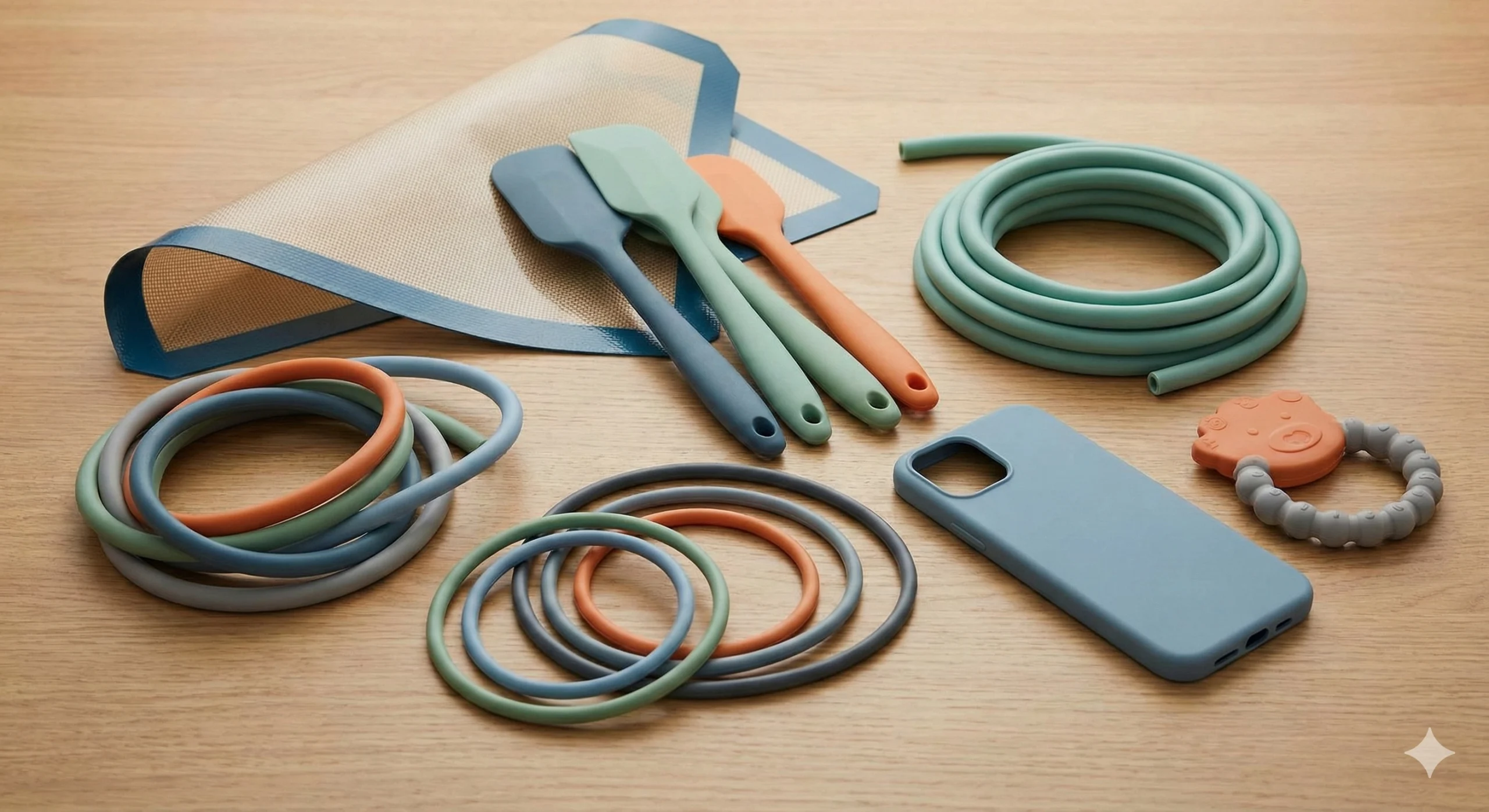
Silicone rubber products are high-performance elastomers that provide exceptional stability across extreme temperature ranges. You likely struggle with material failures in harsh industrial environments. These failures cause expensive downtime and compromise your product quality. Choosing an expert silicone rubber manufacturer ensures you receive durable, high-specification components for any application.
Can custom silicone extrusions replace standard rubber parts?
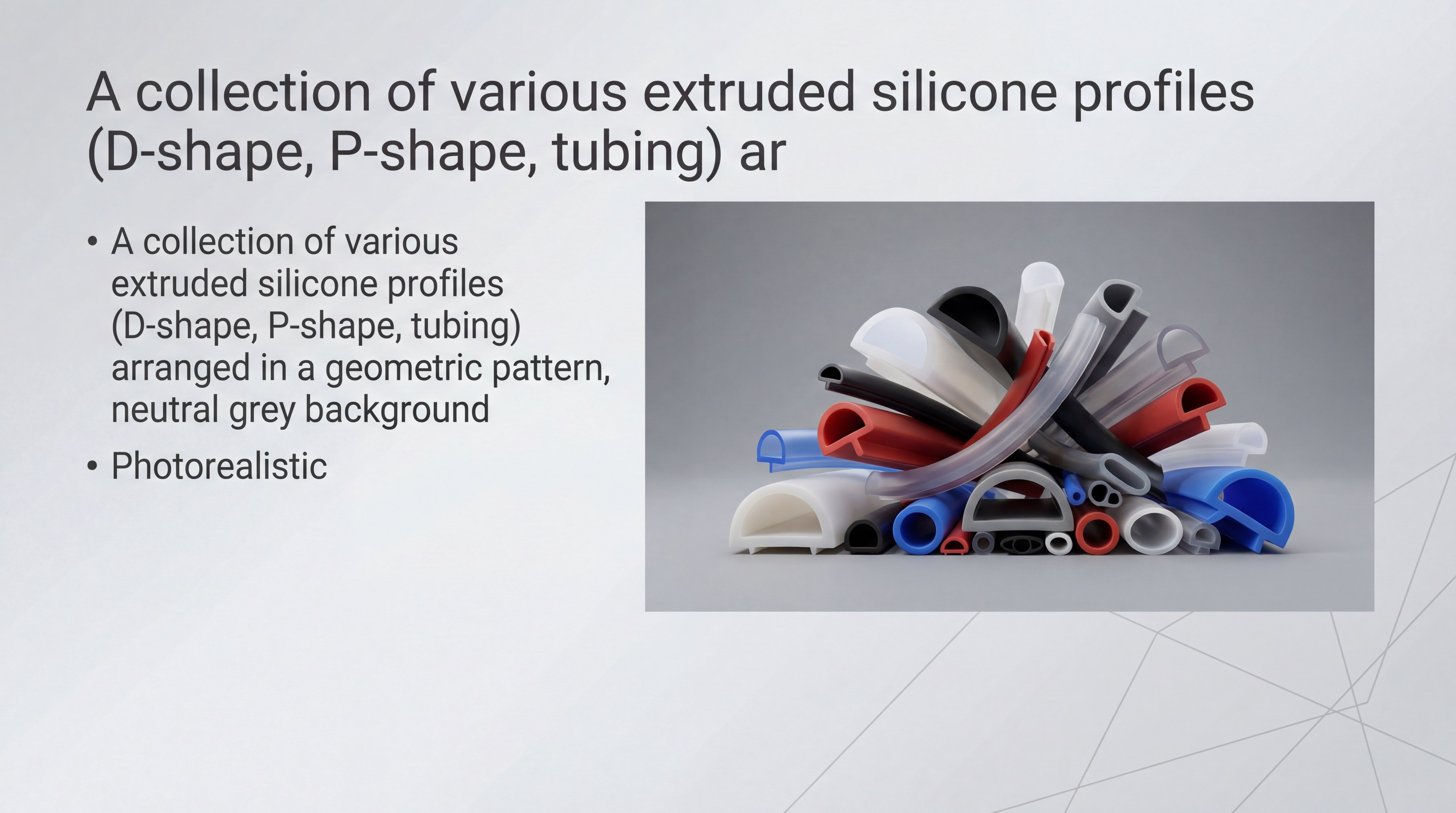
Custom silicone extrusions replace standard parts by offering superior environmental resistance and complex hollow profiles. Every experienced silicone rubber manufacturer knows that standard organic rubbers often fail under UV exposure. You can specify unique geometries that adapt perfectly to your enclosure designs. These profiles remain flexible where other materials become brittle and crack.
What are the limits of extrusion lengths?
Think about this: silicone can be extruded in nearly continuous lengths for massive sealing projects. You can order custom spools to reduce waste during your assembly process.
- Custom cross-sections available.
- Infinite length possibilities.
- Consistent wall thickness.
- High-speed production.
How do you choose between sponge and solid silicone?
Here is the best part: you can select sponge for low-pressure sealing or solid for high-pressure durability. You must evaluate the compression force required for your specific application.
- Sponge for cushioning.
- Solid for gaskets.
- Closed-cell structures.
- Variable density options.
| Profile Type | Primary Use Case | Key Advantage |
|---|---|---|
| Hollow D-Shape | Door Sealing | Low closure force |
| Solid P-Shape | Industrial Gaskets | High pressure resistance |
| Custom Tubing | Fluid Transfer | Chemical inertness |
The following data summarizes the versatility of extruded profiles in modern industrial sealing systems.
Key Takeaway: You gain superior flexibility in design by using extruded silicone profiles that adapt to unique enclosure geometries.
Which silicone grades are essential for food safety compliance?
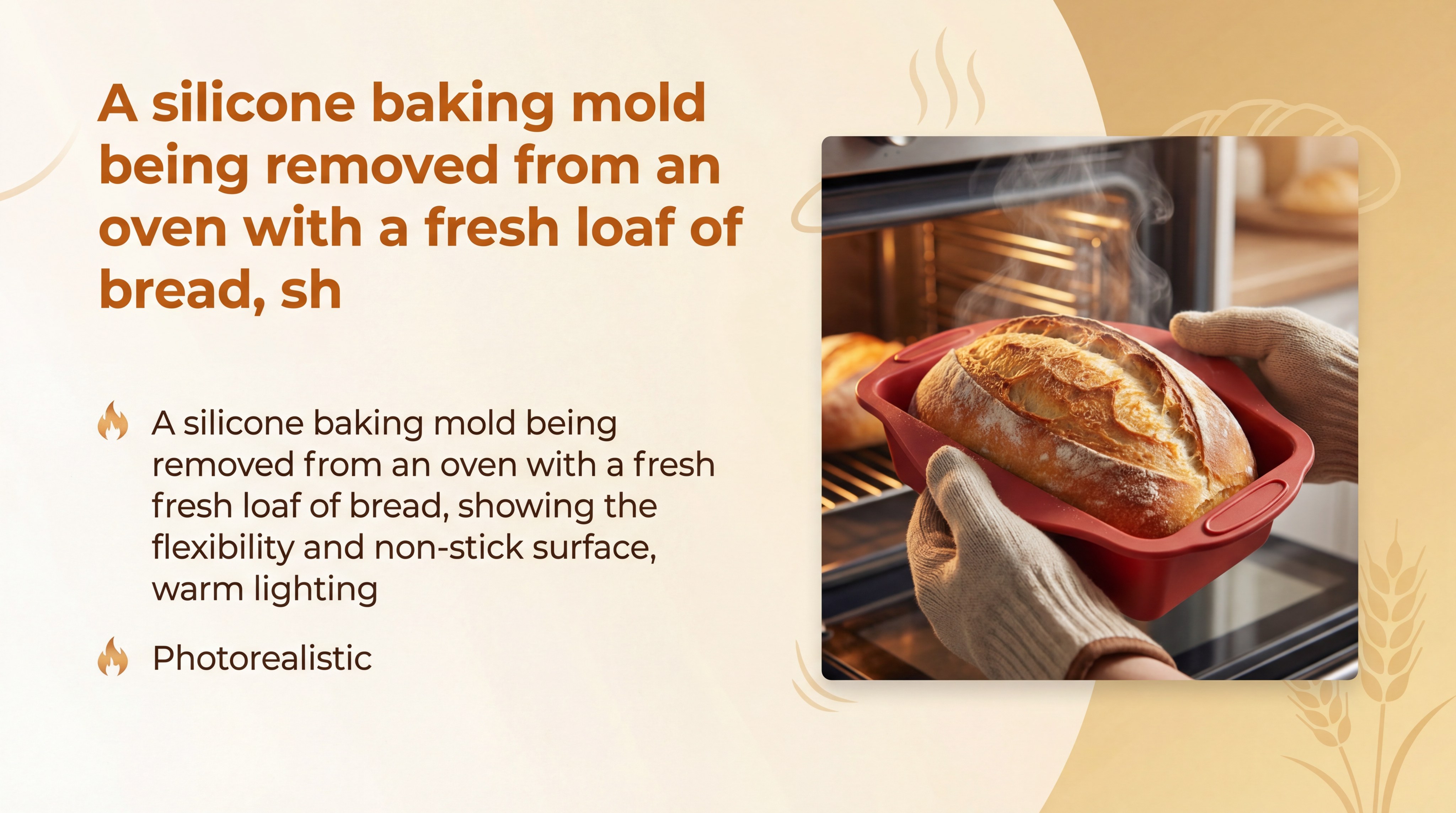
You must use FDA-compliant or LFGB-certified grades to ensure no harmful substances migrate into food products. Working with a certified silicone rubber manufacturer guarantees your materials meet global safety standards. These products are non-toxic and odorless, making them perfect for consumer kitchenware. They also withstand the high heat of industrial ovens without degrading.
What is the difference between FDA and LFGB?
Wait, there’s more: LFGB standards used in Europe are generally stricter than FDA requirements. You should choose LFGB if you plan to sell your products in premium international markets.
- FDA covers basic safety.
- LFGB requires extra testing.
- No flavor transfer.
- BPA-free materials.
Can food-grade silicone handle steam cleaning?
Think about this: silicone handles repeat steam sterilization without losing its physical shape. You can maintain a hygienic environment in food processing plants with ease.
- Withstands 100°C steam.
- Resists bacterial growth.
- Easy to wipe clean.
- Durable through many cycles.
| Standard | Region | Requirement |
|---|---|---|
| FDA CFR 21 | United States | Extraction limits |
| LFGB | European Union | Sensorial testing |
| Platinum Cured | Global | High purity levels |
This comparison highlights the regulatory pathways you must follow for safe food-contact product development.
Key Takeaway: You ensure regulatory compliance and consumer safety by specifying platinum-cured silicone for all food-contact surfaces.
Can silicone rubber withstand harsh chemical environments?
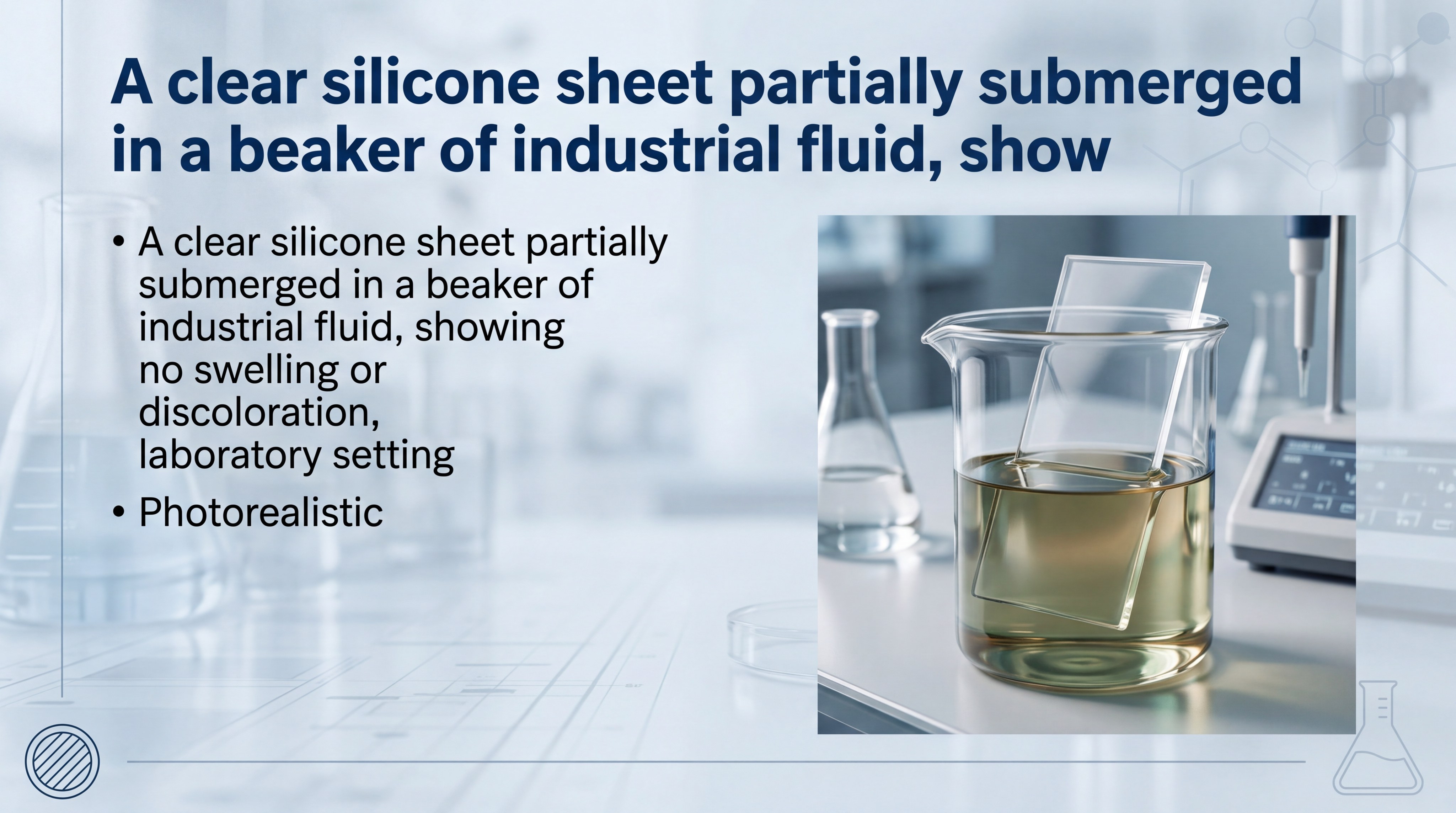
Silicone rubber offers excellent resistance to dilute acids and many industrial oils due to its inert backbone. A reliable silicone rubber manufacturer will provide detailed compatibility charts for your specific chemicals. You will find that it resists ozone and UV radiation better than most elastomers. This makes it ideal for outdoor seals exposed to harsh environmental factors.
Which chemicals cause the most swelling in silicone?
Think about this: concentrated fuels and certain solvents can cause standard silicone to swell. You should investigate fluorosilicone if your application involves constant contact with gasoline.
- Avoid strong acids.
- Limit aromatic hydrocarbons.
- Use fluorosilicone for fuels.
- Check concentration levels.
| Chemical Class | Compatibility | Application |
|---|---|---|
| Ozone/UV | Excellent | Outdoor enclosures |
| Dilute Acids | Good | Laboratory seals |
| Petroleum Oils | Limited | Low-pressure gaskets |
This table provides a snapshot of how silicone performs when exposed to common industrial substances.
Key Takeaway: While standard silicone handles common chemicals, you should specify fluorosilicone for concentrated fuel or solvent exposure.
Why is silicone the preferred choice for extreme heat?
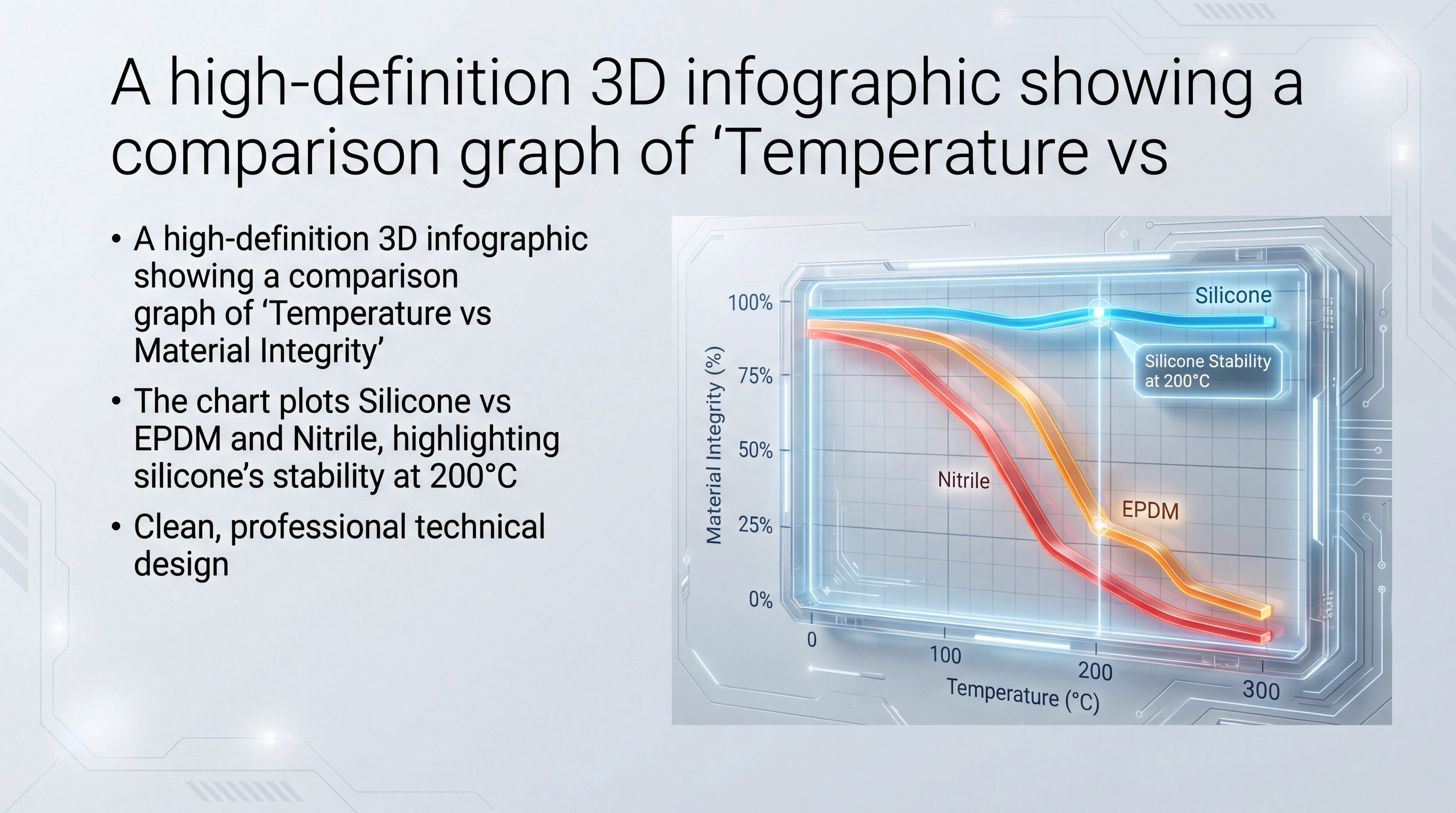
Silicone rubber remains stable because its siloxane bonds are stronger than carbon-carbon bonds in organic rubbers. Any silicone rubber manufacturer will tell you it maintains properties up to 230°C. You can use it in engine compartments where EPDM would melt. It provides a reliable thermal barrier for sensitive electronic components in your assemblies.
Does it remain flexible in sub-zero temperatures?
Wait, there’s more: silicone stays flexible at temperatures as low as -60°C. You don’t have to worry about gaskets cracking in arctic environments.
- High glass transition point.
- No plasticizer leaching.
- Retains elastic memory.
- Resists thermal shock.
| Material | Max Temperature | Low Temp Flexibility |
|---|---|---|
| Silicone | 230°C | -60°C |
| EPDM | 150°C | -40°C |
| Nitrile | 120°C | -30°C |
This technical comparison demonstrates why silicone is the superior choice for high-temperature thermal management.
Key Takeaway: You can rely on silicone to maintain mechanical integrity where organic elastomers melt or become brittle.
Is silicone rubber effective for electronic wearables?
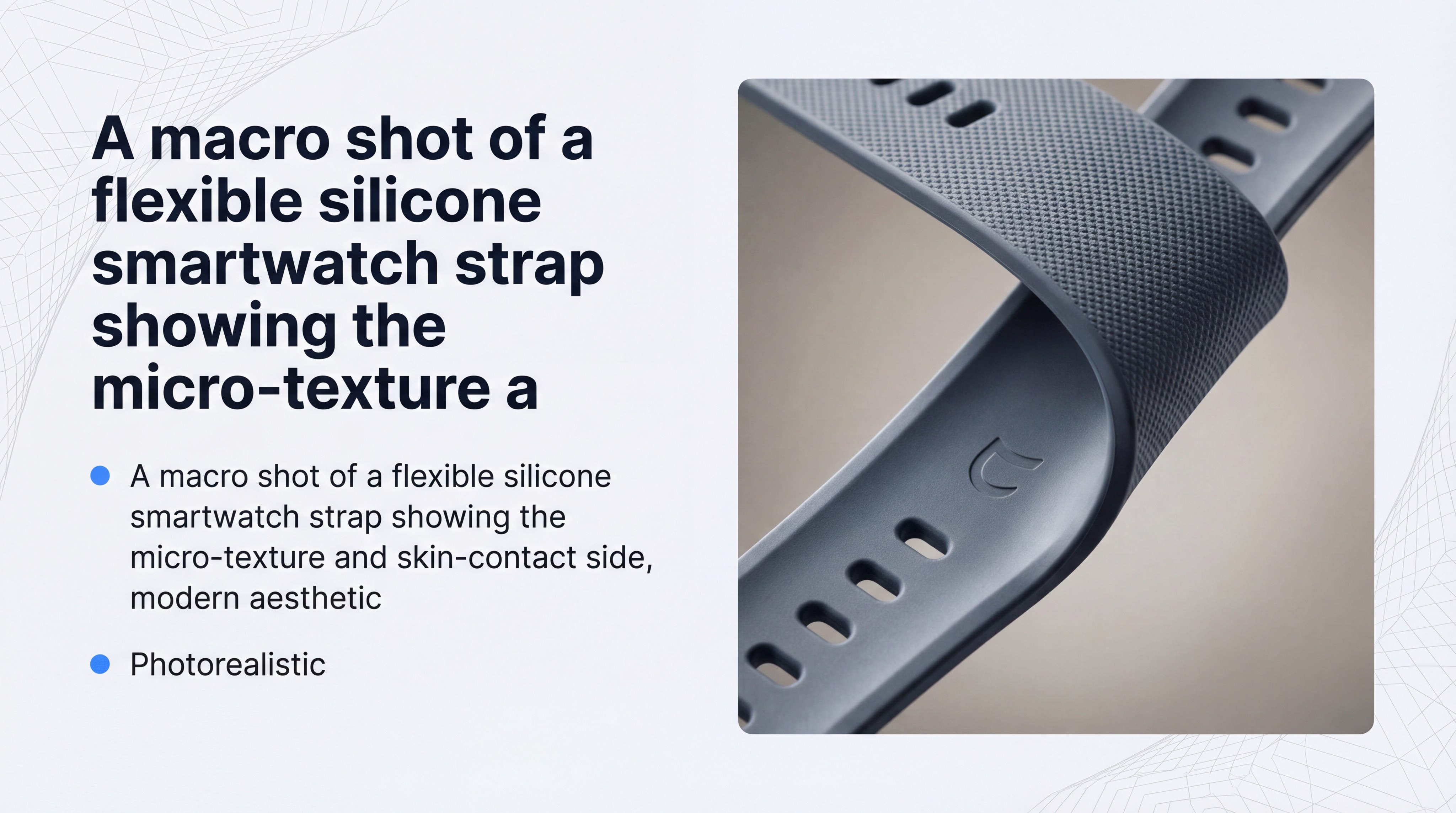
Silicone is highly effective for smart wearables because it is lightweight and soft on the skin. Your silicone rubber manufacturer can create custom textures that improve user comfort. It provides an excellent moisture barrier to protect internal sensors from sweat. You can achieve vibrant colors and matte finishes that match your brand’s aesthetic.
Can silicone protect sensors from sweat?
Think about this: the hydrophobic nature of silicone prevents moisture from reaching delicate electronics. You can design waterproof devices that survive daily exercise and swimming.
- IP68 rating possible.
- Saltwater resistant.
- Non-porous surface.
- Durable seal interface.
How does skin-safe silicone prevent irritation?
Here is the best part: medical-grade silicone is hypoallergenic and does not cause rashes. You ensure a positive user experience by using biocompatible materials for wristbands.
- ISO 10993 compliant.
- Soft-touch feel.
- Breathable designs.
- Latex-free material.
| Property | Wearable Benefit | Impact |
|---|---|---|
| Biocompatibility | Skin safety | Reduces user irritation |
| Low Weight | Comfort | Ideal for all-day wear |
| Hydrophobicity | Protection | Shields sensors from sweat |
These features confirm why silicone is the leading material for the growing wearable technology market.
Key Takeaway: You can design more comfortable, durable smartwatches and fitness trackers by leveraging the hypoallergenic properties of silicone.
How does LSR improve precision in mass production?
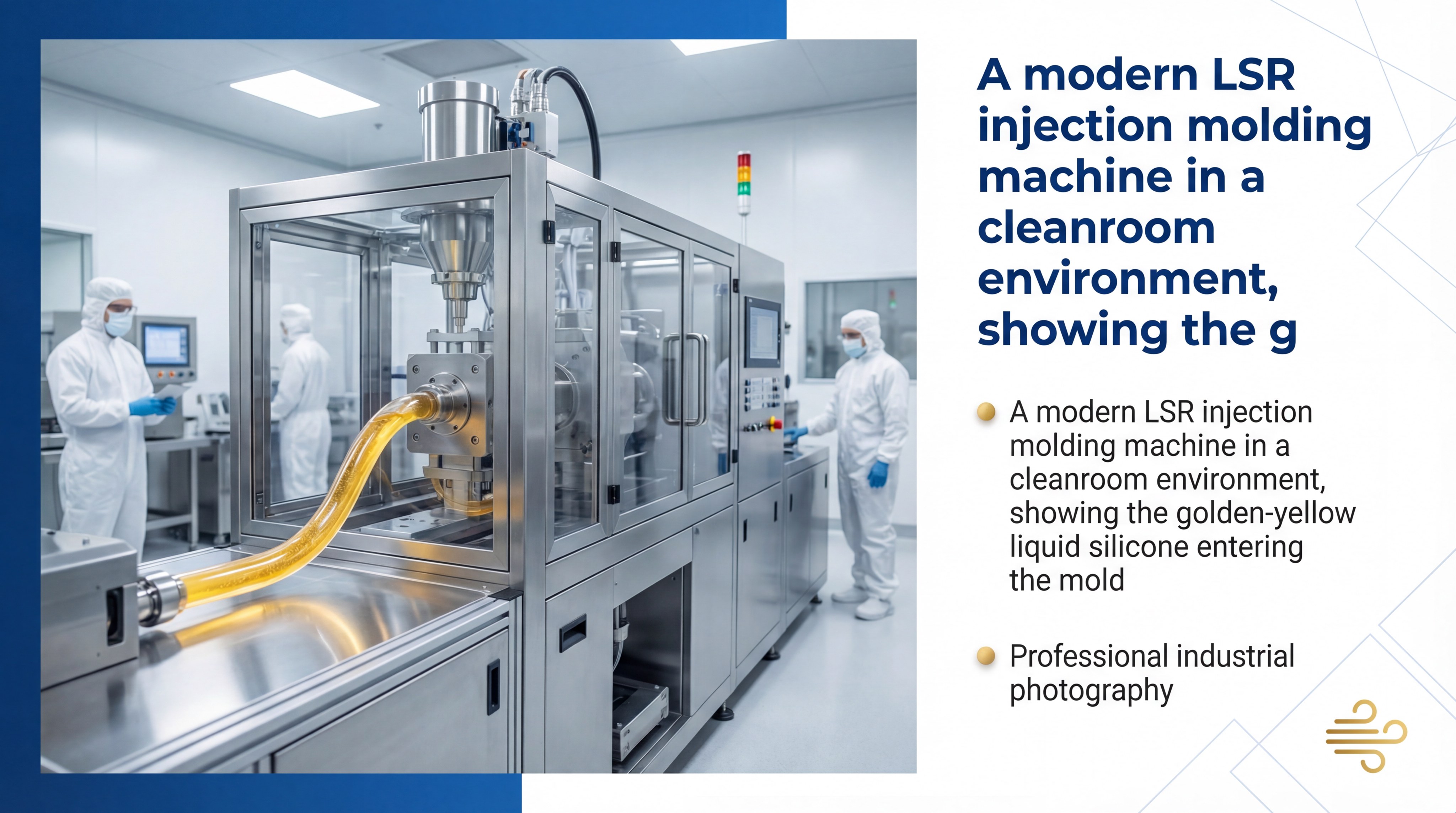
Liquid Silicone Rubber (LSR) molding improves precision by using an automated two-part liquid injection system. Choosing a silicone rubber manufacturer with LSR capabilities allows you to achieve tighter tolerances. You can produce complex parts with flashless results, reducing secondary finishing costs. This process is perfect for high-volume orders where consistency is your top priority.
How does LSR reduce material waste?
Wait, there’s more: cold runner systems in LSR molding significantly minimize runner scrap. You save money on raw materials while maintaining a more sustainable production line.
- Automated material mixing.
- Precision shot control.
- Reduced cycle times.
- Lower scrap rates.
| Metric | LSR Molding | Compression Molding |
|---|---|---|
| Cycle Time | 30-90 Seconds | 5-15 Minutes |
| Tolerance | +/- 0.05mm | +/- 0.15mm |
| Automation | Fully Automated | Manual/Semi-Auto |
The data proves that LSR injection molding is the most efficient method for large-scale production.
Key Takeaway: You should choose LSR for high-volume projects where part consistency and speed-to-market are your primary goals.
What makes medical-grade silicone safe for contact?
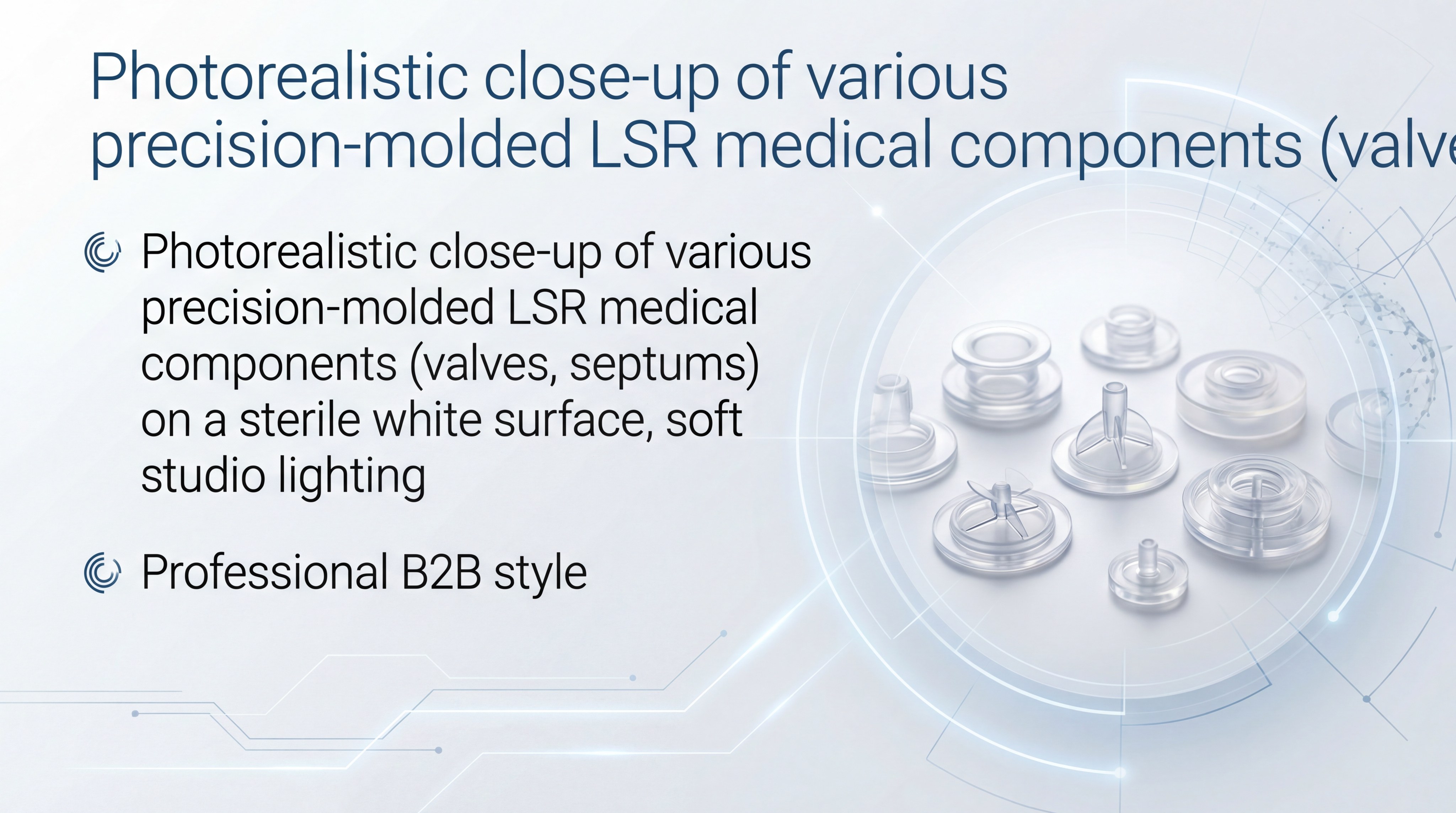
Medical-grade silicone is safe because it is biocompatible and does not support microbial growth. Your silicone rubber manufacturer must adhere to strict ISO 13485 quality management systems. These parts are often used in medical-grade applications like valves and septums. You can rely on its non-reactive nature for long-term skin or internal contact.
Why is LSR used for surgical parts?
Think about this: LSR is molded in cleanroom environments to prevent contamination of surgical tools. You get high-purity components that meet the rigorous standards of the healthcare industry.
- Flashless precision.
- Inorganic composition.
- Sterilization compatible.
- USP Class VI certified.
| Certification | Application | Safety Level |
|---|---|---|
| ISO 10993 | Skin Contact | High |
| USP Class VI | Implants/Devices | Highest |
| FDA Food Grade | Indirect Contact | Moderate |
This hierarchy ensures you select the correct material grade based on the level of patient interaction.
Key Takeaway: You achieve the highest safety margins for medical devices by using platinum-cured silicone variants.
Why should pet product manufacturers switch to silicone?
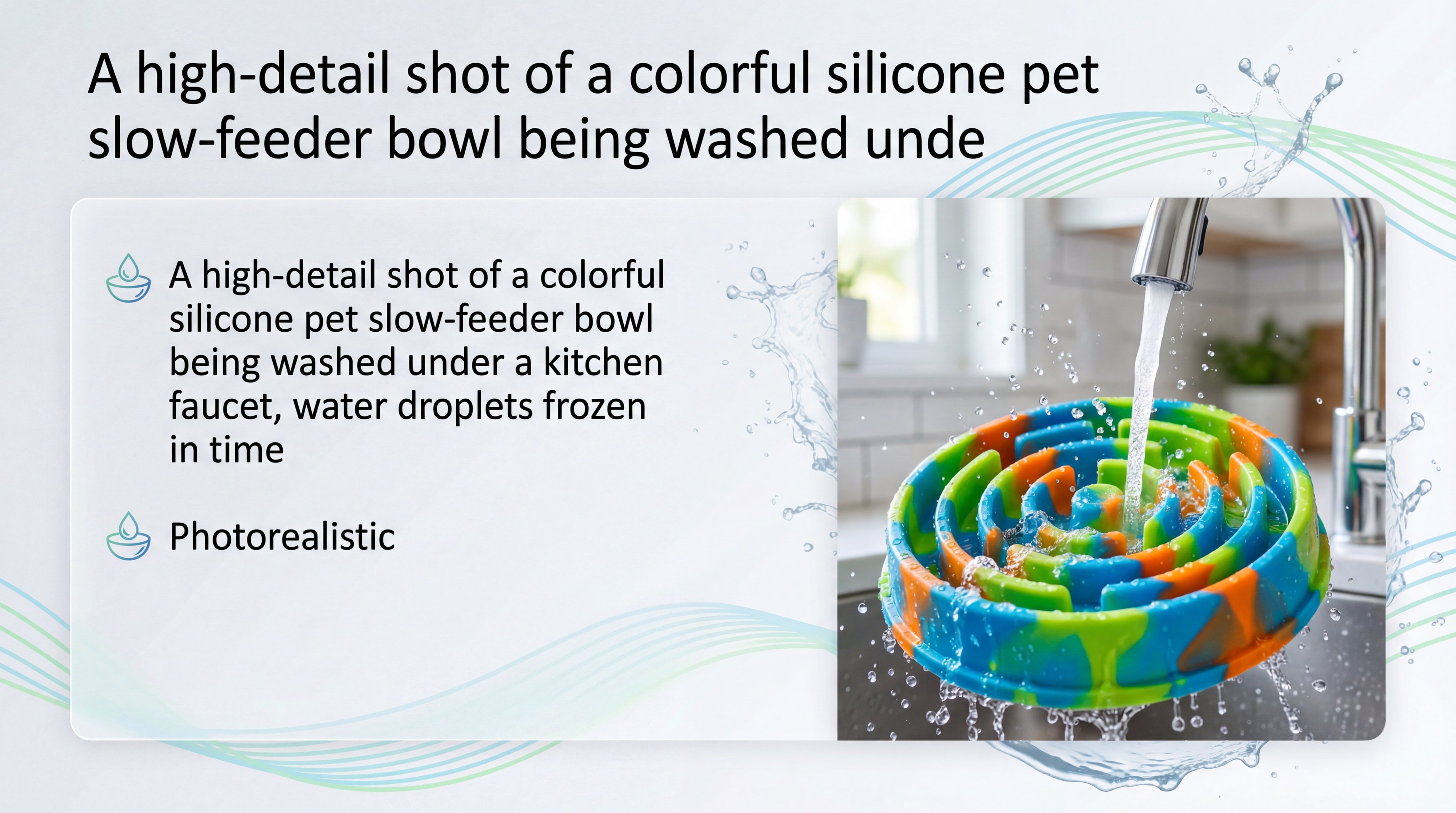
Pet product manufacturers should switch to silicone because it is non-toxic and resists chewing damage. Partnering with a specialized silicone rubber manufacturer helps you create durable pet products. You can offer items that are dishwasher safe and easy for owners to keep clean. It is a safer alternative to plastic, as it contains no harmful BPA.
Is silicone safer than PVC?
Wait, there’s more: silicone does not leach phthalates like many PVC products do. You protect the health of pets by providing chemical-free toys and feeding accessories.
- Phthalate-free.
- Lead-free material.
- Chew-proof durability.
- Hypoallergenic surface.
| Feature | Silicone | Traditional PVC |
|---|---|---|
| Toxicity | Non-toxic | Potential leaching |
| Durability | High tear strength | Brittle over time |
| Cleaning | Dishwasher safe | Hand wash only |
Pet owners prioritize safety, making silicone the best material for premium animal care brands.
Key Takeaway: You enhance brand trust by providing pet owners with BPA-free, hypoallergenic, and indestructible silicone alternatives.
Does silicone rubber offer high fire resistance?
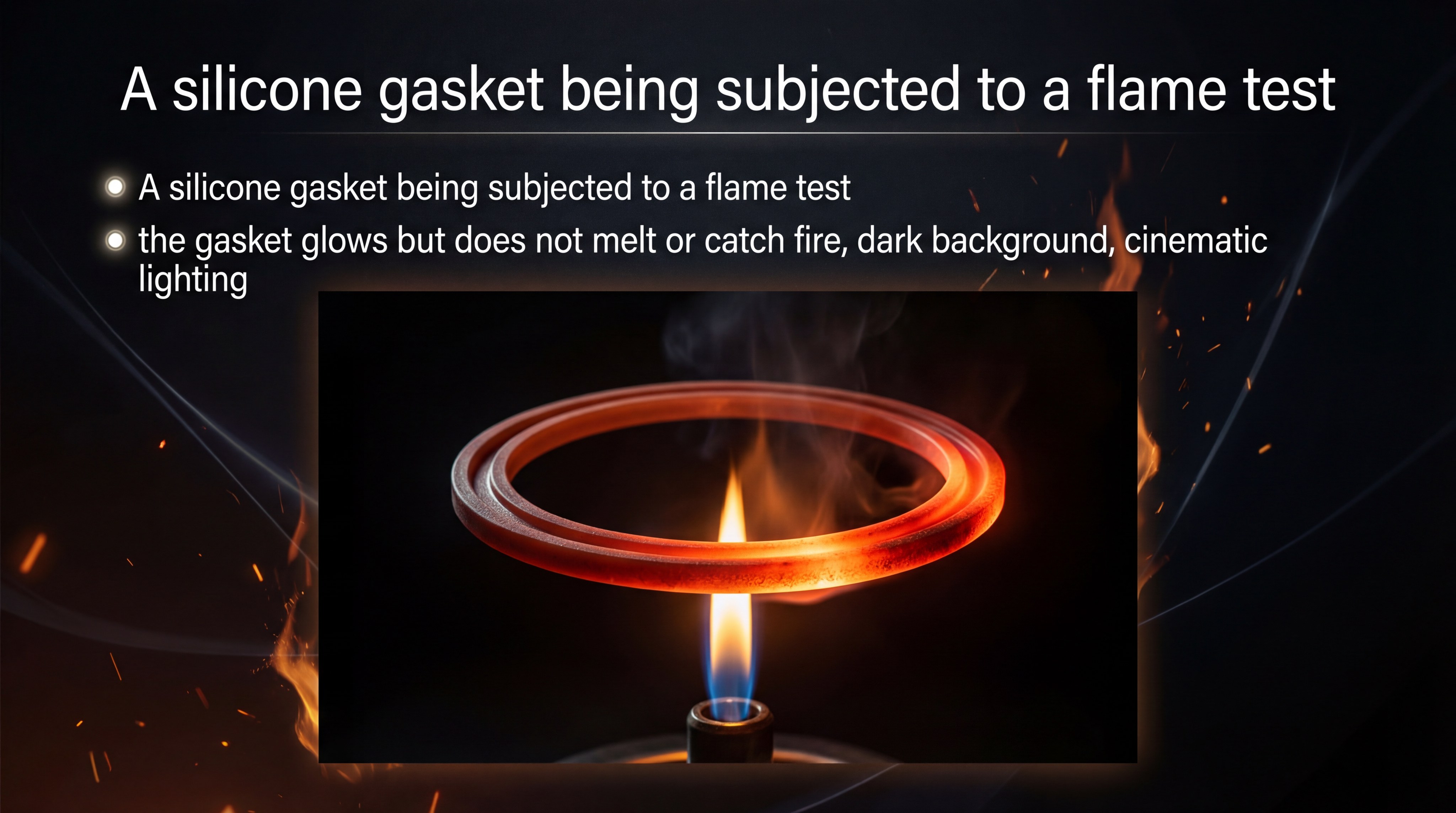
Silicone rubber is naturally flame retardant and does not easily ignite under extreme heat. Your silicone rubber manufacturer can add specialized flame-retardant additives to meet UL 94 V-0 standards. You can use these gaskets in electrical cabinets to prevent the spread of fire. Even when it burns, silicone produces non-toxic white ash rather than harmful black smoke.
Can it handle intermittent fire exposure?
Think about this: silicone can survive brief contact with direct flames without melting away. You gain a critical safety margin in high-risk industrial environments.
- Low smoke toxicity.
- High ignition temp.
- Self-extinguishing properties.
- Maintains seal integrity.
| Test Standard | Result | Safety Impact |
|---|---|---|
| UL 94 V-0 | Passed | Stops burning quickly |
| Oxygen Index | >30% | Hard to ignite |
| Smoke Density | Very Low | Improves visibility |
These fire safety ratings make silicone the material of choice for public transport and aerospace.
Key Takeaway: You significantly improve product safety by using flame-retardant silicone in electrical and high-heat assemblies.
How does silicone rubber solve vibration issues?
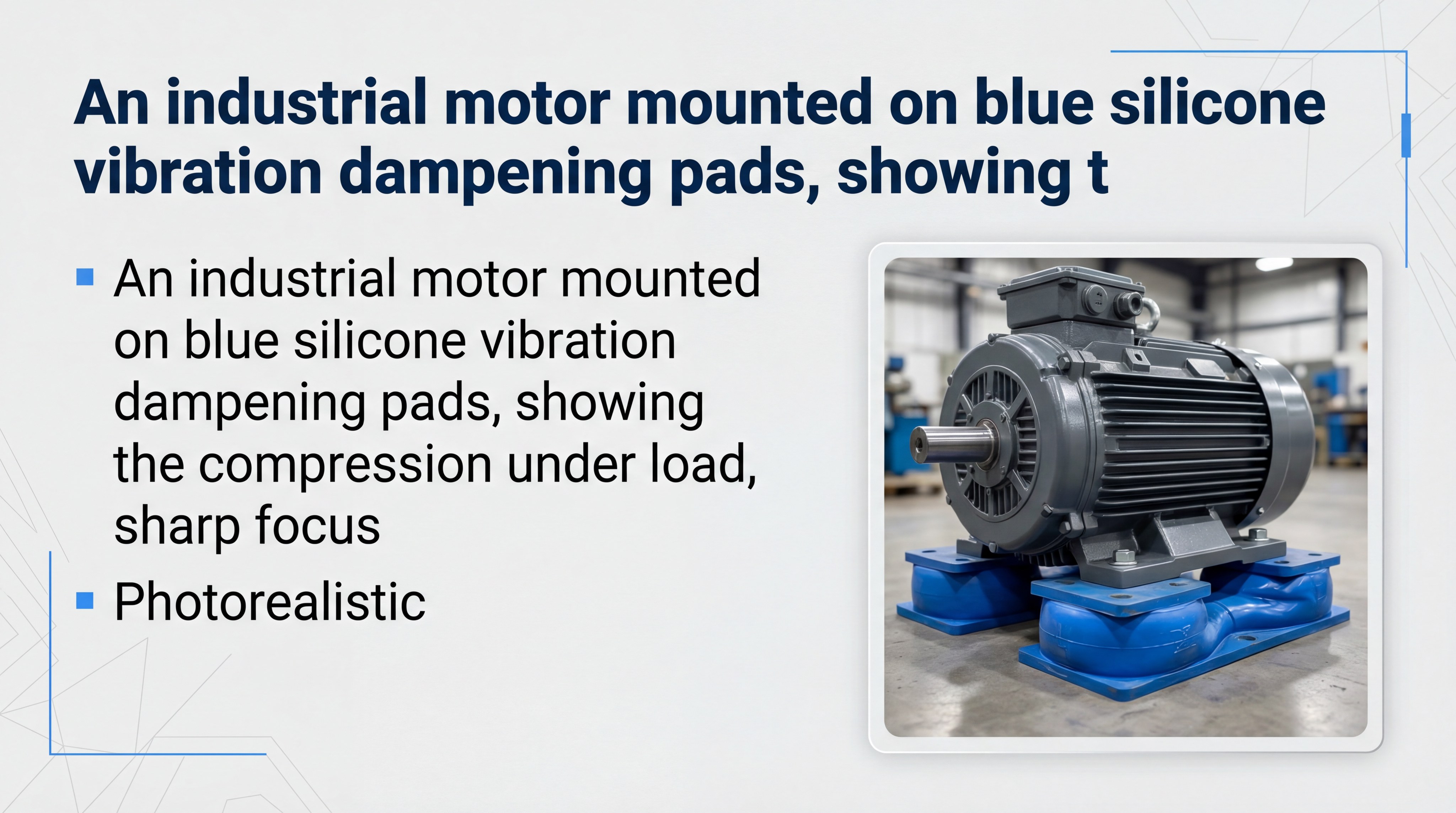
Silicone rubber solves vibration issues through its high damping coefficient, which absorbs mechanical energy. Your silicone rubber manufacturer can customize the hardness to match the weight of your equipment. You can use these acoustic parts to reduce noise in consumer appliances. They maintain their dampening properties for years without taking a permanent set.
What is the ideal durometer?
Here is the best part: you can choose soft Shore 30A pads for delicate electronics. You should use harder Shore 70A pads for heavy industrial motors and pumps.
- Customizable durometers.
- Low compression set.
- Fatigue resistance.
- Energy absorption.
| Application | Hardness (Shore A) | Dampening Effect |
|---|---|---|
| Audio Speakers | 20 – 30 | High Absorption |
| Household Motors | 40 – 50 | Balanced Support |
| Industrial Pumps | 60 – 70 | Heavy Duty Load |
Choosing the correct durometer ensures your vibration isolation system operates at peak efficiency.
Key Takeaway: You can significantly extend the lifespan of mechanical systems by isolating them with custom silicone components.
HuaLin Silicone provides end-to-end support for all your high-performance elastomer needs. Our mission is to deliver precision-engineered silicone solutions that protect your reputation and drive innovation. We help you move from initial tooling to stable mass production with ease. Please contact us today to discuss your next project.
FAQ
Can I request a custom color for my silicone products?
Yes, silicone can be pigment-matched to any Pantone or RAL code without losing physical properties.
What’s the best way to determine if I need LSR or compression molding?
The best way is to evaluate your monthly volume; projects over 5,000 parts typically benefit from LSR.
How do I know if my product needs medical-grade silicone?
Directly check if your part will have prolonged skin contact or requires sterilization for clinical use.
Can I get a custom texture on the surface of my molded parts?
Yes, we can apply various textures to the mold surface to achieve matte or non-slip finishes.
What’s the best durometer for a waterproof seal?
Generally, a softer durometer between 30 and 50 Shore A provides the best conformability for seals.