
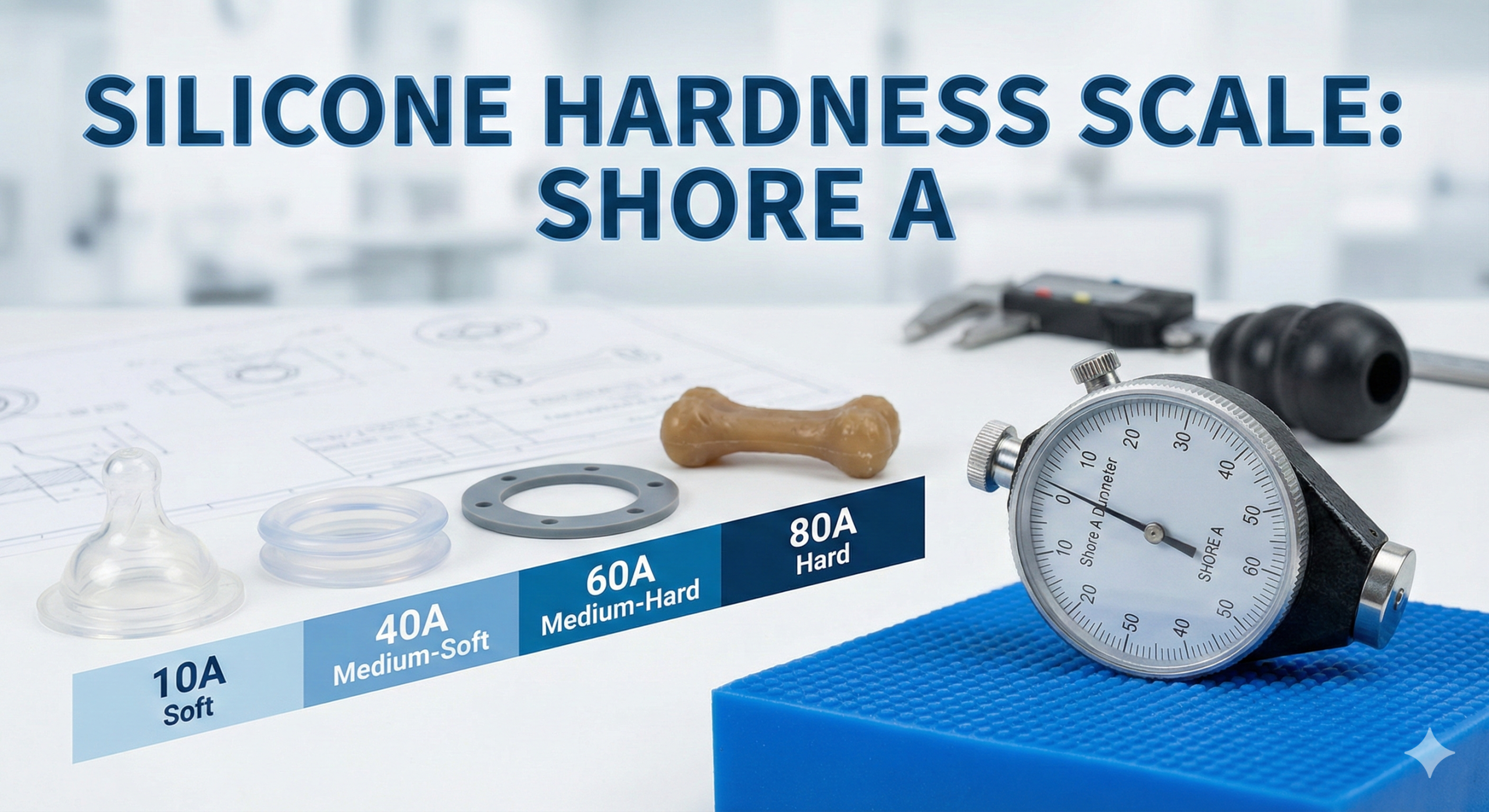
The silicone hardness scale is a numerical system, primarily measured using the Shore A durometer, that determines the rigidity or flexibility of a silicone material based on its resistance to surface indentation.
Selecting the wrong material specification for a custom silicone component is a common pitfall that often leads to assembly failures, poor waterproof performance, or unsatisfactory user experiences. For engineers and procurement managers, a slight miscalculation in material rigidity can mean the difference between a high-performance seal and a costly production rejection. Imagine investing weeks into mold design only to discover the final part is too rigid to provide a proper seal or too soft to maintain its structural integrity under pressure. These manufacturing risks not only delay product launches but also inflate development costs through repeated tooling adjustments. By mastering the silicone hardness scale, you can eliminate guesswork from your material selection process and ensure your product meets the exact tactile and functional requirements of your industry.
What is the Shore A silicone hardness scale?
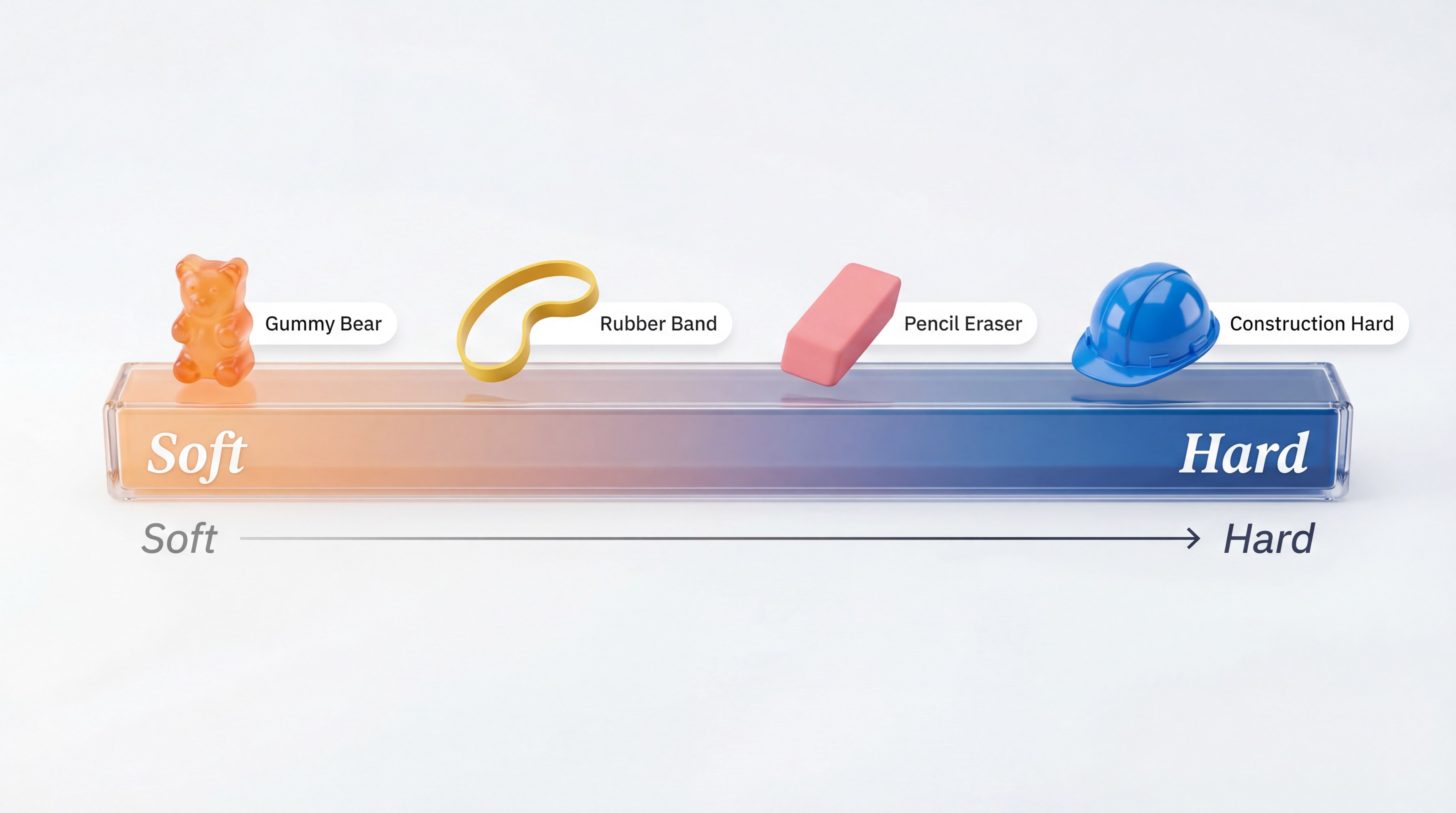
The Shore A silicone hardness scale is the industry standard for measuring the “durometer” or hardness of flexible elastomers, ranging typically from 10A (very soft) to 80A (very hard). This scale provides a common language for manufacturers and designers to communicate the desired physical properties of a material.
How is the scale measured?
The scale measures how deeply a standardized needle, known as an indenter, can penetrate the material surface under a specific force. A higher number indicates a higher resistance to indentation, which translates to a stiffer, more rigid material.
Here is the kicker:
- The measurement is instantaneous, meaning the durometer provides a reading the moment the indenter makes contact.
- Samples must usually be at least 6mm thick to ensure the reading reflects the material and not the surface beneath it.
- Repeatability is key, so technicians often take multiple readings across a single part.
What is the standard range for most products?
While the theoretical scale goes from 0 to 100, the vast majority of commercial silicone products exist between the 10A and 80A marks. Most manufacturers stock standard increments of 10 points, though custom compounds can be tuned to specific integers for high-precision engineering.
But wait, there’s more:
- Shore OO is used for ultra-soft gels that fall below the 10A Shore A threshold.
- Shore D is reserved for hard plastics and very rigid rubbers that exceed 90A Shore A.
- Understanding these overlaps prevents you from specifying the wrong scale for your project.
Key Takeaway: The Shore A scale is the universal metric for flexible silicone, determining everything from tactile feel to mechanical resistance.
| Feature | Shore A Range | Common Visual Equivalent |
|---|---|---|
| Measurement Method | Indentation Resistance | N/A |
| Soft Range | 10A – 30A | Rubber Band / Gummy Candy |
| Medium Range | 40A – 60A | Pencil Eraser / Tire Tread |
| Hard Range | 70A – 80A | Shoe Heel / Hard Hat |
Analysis: By standardizing measurements on the Shore A scale, businesses can ensure consistency across global supply chains.
Why does the silicone hardness scale matter for product design?
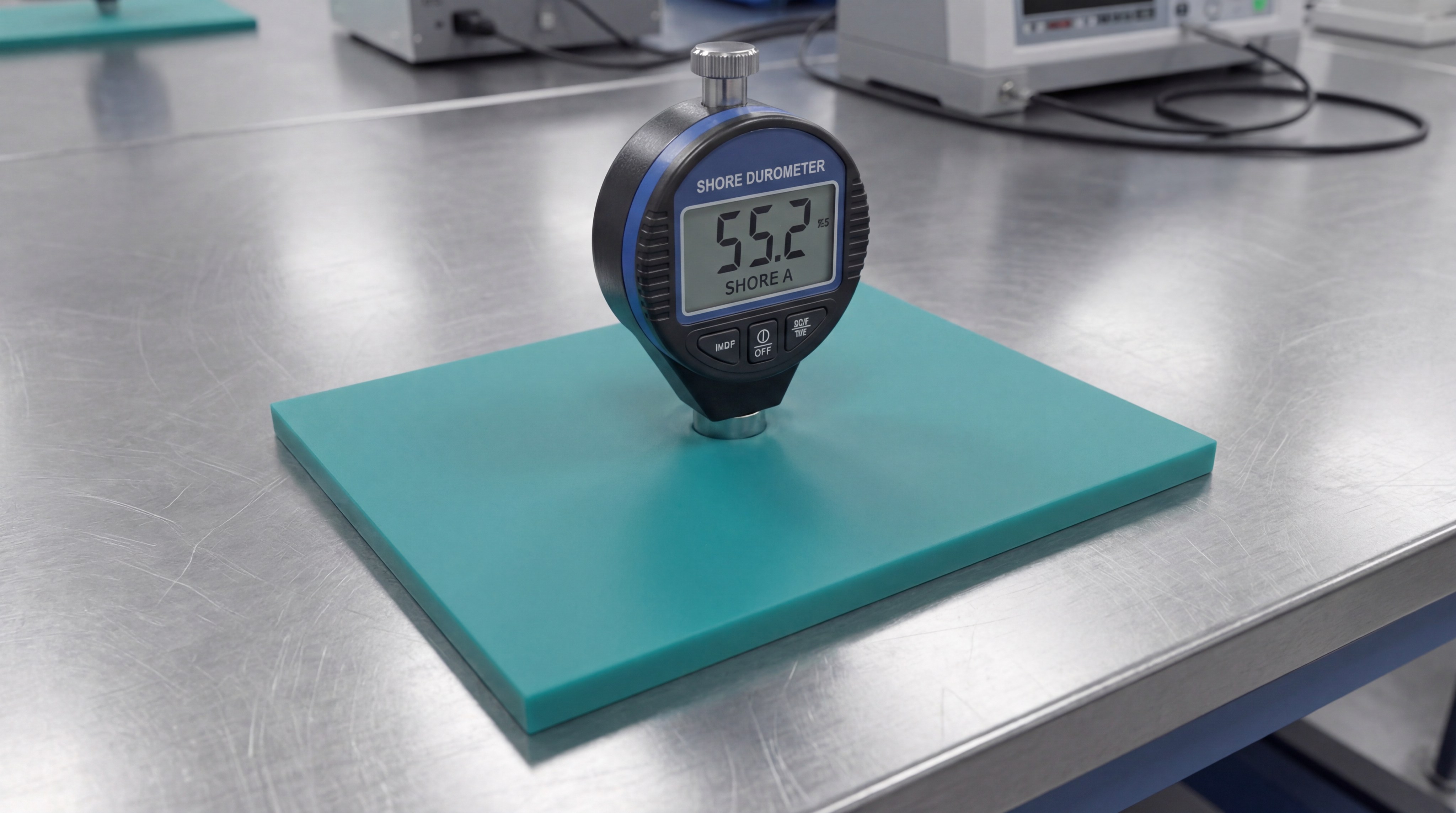
The silicone hardness scale is critical to product design because it directly influences a part’s sealing capabilities, dimensional tolerances, and de-molding feasibility during the manufacturing process. Choosing a durometer that is either too high or too low can render a design non-functional or impossible to mass-produce efficiently.
How does hardness affect dimensional tolerances?
Harder silicone materials generally allow for tighter dimensional tolerances because they undergo less deformation during the cooling and ejection stages of molding. Softer materials are more prone to “creeping” or shifting, which can lead to slight variations in the final dimensions.
The reality is:
- Rigid silicones (70A+) hold their shape better during assembly.
- Softer silicones (20A-40A) require more generous design margins to account for elasticity.
- Mold shrinkage rates vary significantly depending on the selected hardness level.
Does durometer impact assembly and installation?
Durometer dictates how much force is required to compress a seal or fit a component into a housing. A seal that is too hard might prevent a housing from closing properly, while one that is too soft might “extrude” or squeeze out of its intended groove under pressure.
Think about it:
- Easier installation often requires a mid-range hardness like 50A.
- Vibration dampening is superior in lower durometer materials.
- Compression set—the ability to bounce back—is a function of hardness and material grade.
Key Takeaway: Hardness is not just a “feel” characteristic; it is a mechanical specification that determines if your part will fit and function as intended.
| Design Factor | Impact of Low Hardness | Impact of High Hardness |
|---|---|---|
| Tolerances | Looser / More Variable | Tighter / More Stable |
| Sealing Force | Low Force Required | High Force Required |
| Durability | Higher Flexibility | Higher Abrasion Resistance |
Analysis: Balancing durometer against functional requirements is the most effective way to optimize both performance and manufacturing yield.
How soft is 10A to 20A silicone rubber?
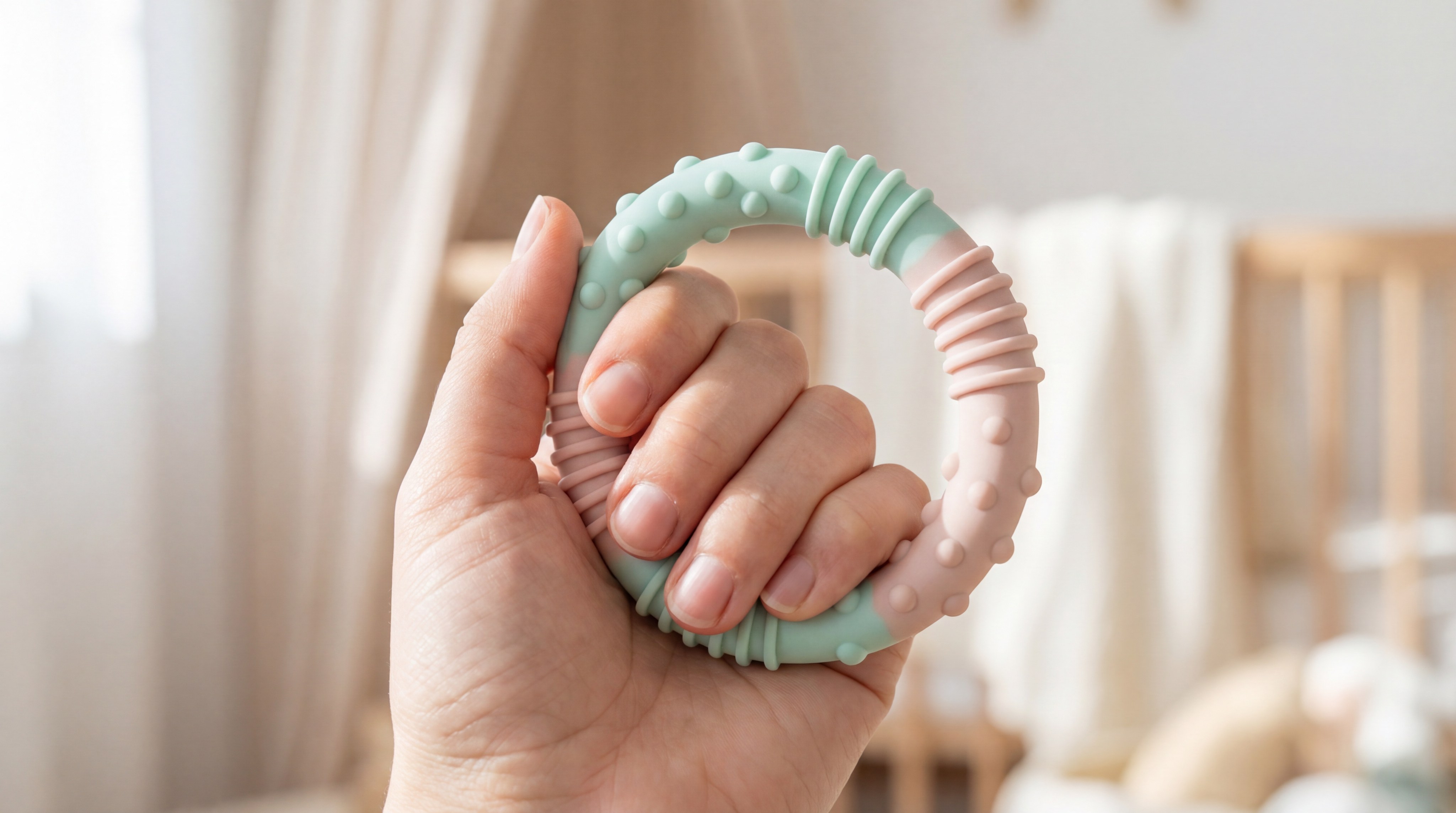
In the silicone hardness scale, levels between 10A and 20A represent the softest viable elastomers, characterized by high elongation and a “skin-like” tactile quality that mimics human tissue. These materials are prized for their extreme pliability and comfort, making them indispensable for sensitive contact applications.
Why is this range ideal for baby care?
This ultra-soft range is the gold standard for the baby care sector, providing the safety and comfort needed for pacifiers, teething rings, and bottle nipples. The soft texture ensures that infants are not injured by rigid edges while maintaining enough resilience to withstand repeated use.
Here is the kicker:
- 10A silicone can be so soft it feels nearly liquid in its flexibility.
- It offers the highest levels of biocompatibility when sourced as medical-grade.
- These materials are naturally BPA-free and heat-resistant for sterilization.
What are the manufacturing challenges of soft silicone?
While great for the end-user, 10A and 20A silicones can be difficult to process because they are prone to tearing during de-molding. Manufacturers must use specialized mold coatings and ejection techniques to ensure these delicate parts are not damaged before they reach the packaging line.
But wait, there’s more:
- Extrusion of 10A silicone can sometimes result in a “snakeskin” surface effect.
- Flash removal is more difficult because the material stretches rather than snaps.
- Lower durometers often have longer cure times to achieve full structural stability.
Key Takeaway: 10A-20A silicones offer unparalleled softness for consumer comfort but require expert handling during production to avoid defects.
| Application | Hardness Target | Primary Benefit |
|---|---|---|
| Pacifiers | 10A – 15A | Mimics Natural Feel |
| Teething Toys | 20A | High Elasticity |
| Soft Grips | 15A – 20A | Vibration Absorption |
Analysis: For products where comfort is the primary selling point, the lower end of the durometer scale is usually the best choice.
Is 40A Shore hardness the best for general seals?
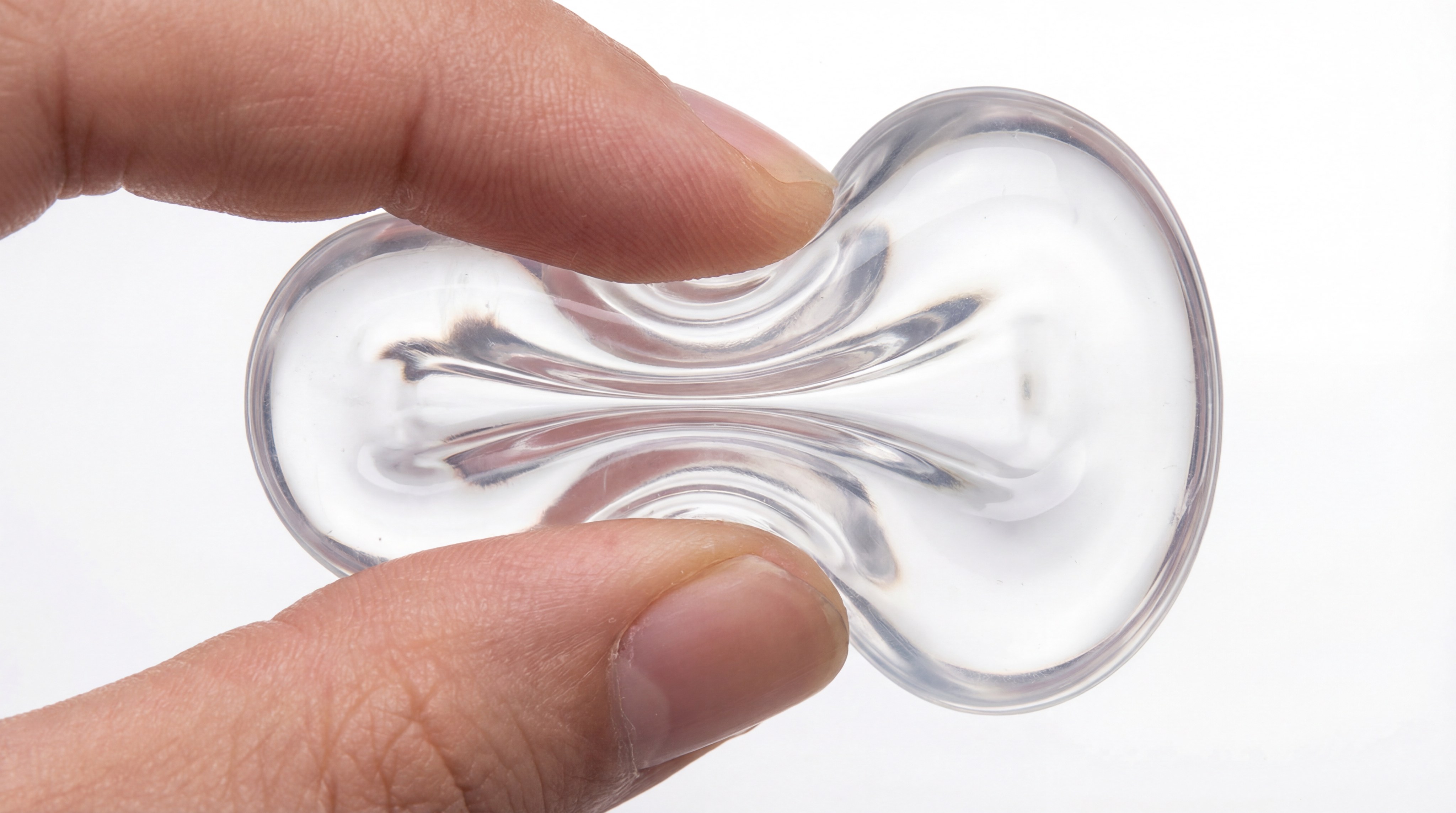
A 40A Shore hardness is often considered the “sweet spot” on the silicone hardness scale for general sealing applications because it offers enough compliance to fill gaps without losing its structural integrity. It behaves similarly to a standard pencil eraser—firm enough to hold its shape under light pressure but soft enough to be compressed by hand.
Why is 40A preferred for medical grade silicone parts?
This specific durometer is a frequent choice for medical grade silicone parts like respirator masks and valve seals. It provides a reliable airtight seal against various housing materials while remaining comfortable enough for long-term contact with human skin.
The reality is:
- It conforms to irregular surfaces better than harder silicones.
- It maintains a high “sealing pressure” over time without permanent deformation.
- 40A is often the default starting point for engineers designing new gaskets.
How does 40A handle environmental stress?
Silicones in the 40A range offer an excellent balance of chemical resistance and thermal stability. They are robust enough to withstand the pressure of a waterproof enclosure while flexible enough to expand and contract with temperature fluctuations without cracking.
Think about it:
- It provides a superior IP-rating seal for outdoor electronics.
- It is less likely to “set” or flatten permanently compared to 20A materials.
- The material is firm enough to be automatically picked and placed by assembly robots.
Key Takeaway: 40A is the versatile workhorse of the sealing industry, offering a perfect marriage of compressibility and resilience.
| Feature | Performance Rating | Context |
|---|---|---|
| Compressibility | High | Seals well with moderate force |
| Shape Retention | Moderate | Recovers quickly from compression |
| Tactile Feel | Firm-Soft | Comparable to a pencil eraser |
Analysis: When in doubt, starting with a 40A durometer allows designers to test a baseline that can easily be adjusted up or down based on performance data.
Why is 60A the most popular silicone hardness?
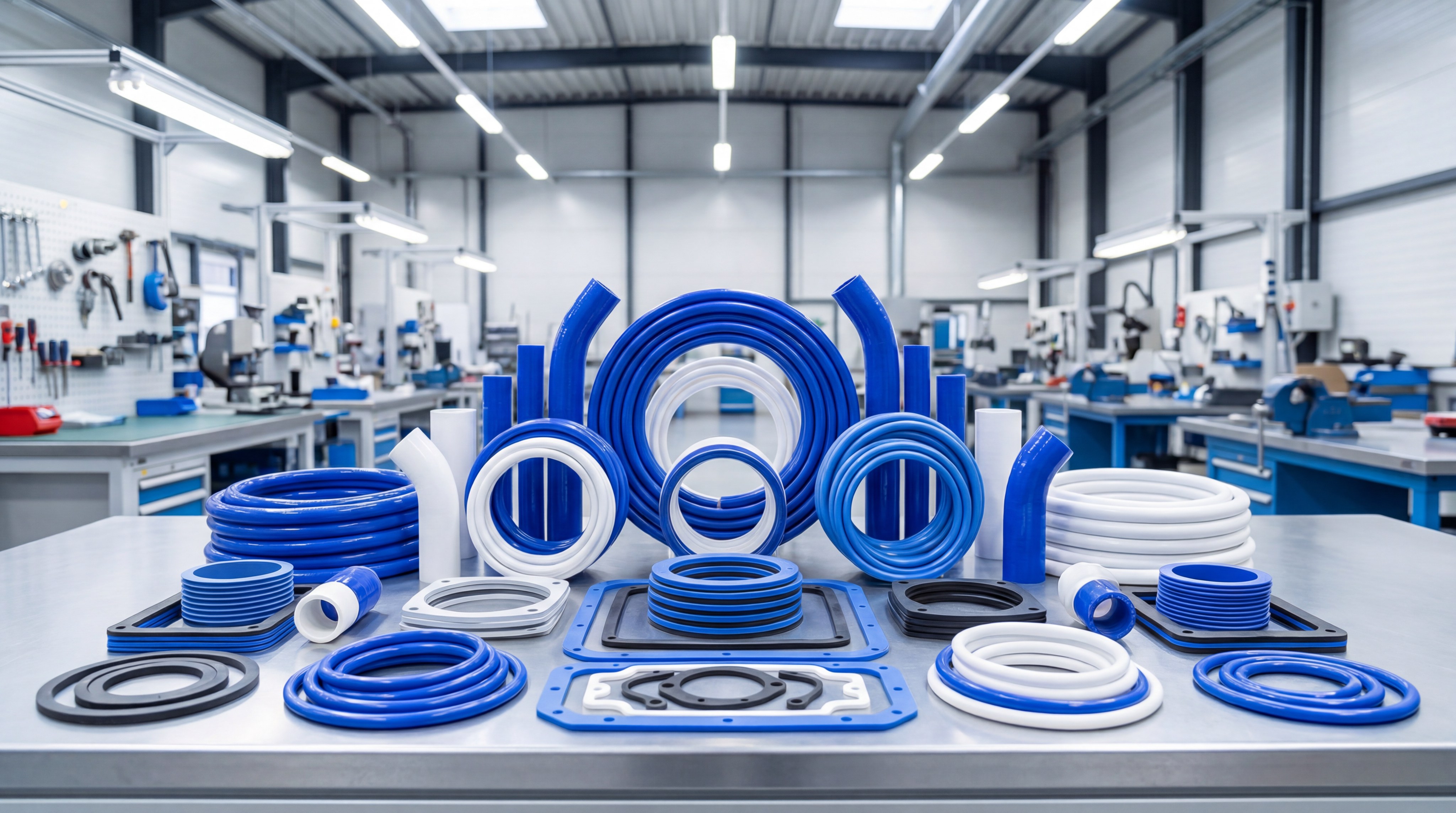
The 60A durometer is widely regarded as the “default” standard on the silicone hardness scale because it provides the most predictable mechanical performance across all major manufacturing routes. Whether for extrusion, compression molding, or liquid injection, 60A compounds are typically easier to source and process, leading to shorter lead times and lower costs.
Why is it the standard for tubing and profiles?
In the world of fluid transfer and protective edging, 60A is the preferred choice because it resists kinking while remaining flexible enough to bend around corners. This balance makes it the ideal material for industrial hoses, kitchen appliance seals, and automotive gaskets.
Here is the kicker:
- 60A expands more uniformly than softer materials in inflatable seal applications.
- It resists “bulbing” or uneven distortions when internal pressure is applied.
- Most manufacturers keep 60A raw materials in stock at all times.
How does it perform in high-volume mass production?
60A silicone compounds often have the best flow characteristics for high-speed molding cycles. They fill complex mold cavities with fewer air pockets or “short shots,” which significantly reduces the scrap rate in high-volume B2B manufacturing.
But wait, there’s more:
- It provides a crisp, clean finish for embossed or debossed logos.
- Secondary operations like pad printing or laser etching are more precise on 60A.
- The material is rigid enough to be trimmed or “definned” easily by automated systems.
Key Takeaway: 60A is the industry standard for a reason: it is the most reliable and cost-effective durometer for the widest range of applications.
| Benefit | 60A Performance | Comparison to 40A |
|---|---|---|
| Kink Resistance | Excellent | Significantly Higher |
| Process Stability | High | More Predictable Flow |
| Cost | Baseline | Often Lower due to Volume |
Analysis: For the majority of industrial and consumer projects, 60A offers a “safe” bet that minimizes manufacturing risks and ensures long-term part stability.
When should you choose 70A or 80A silicone?
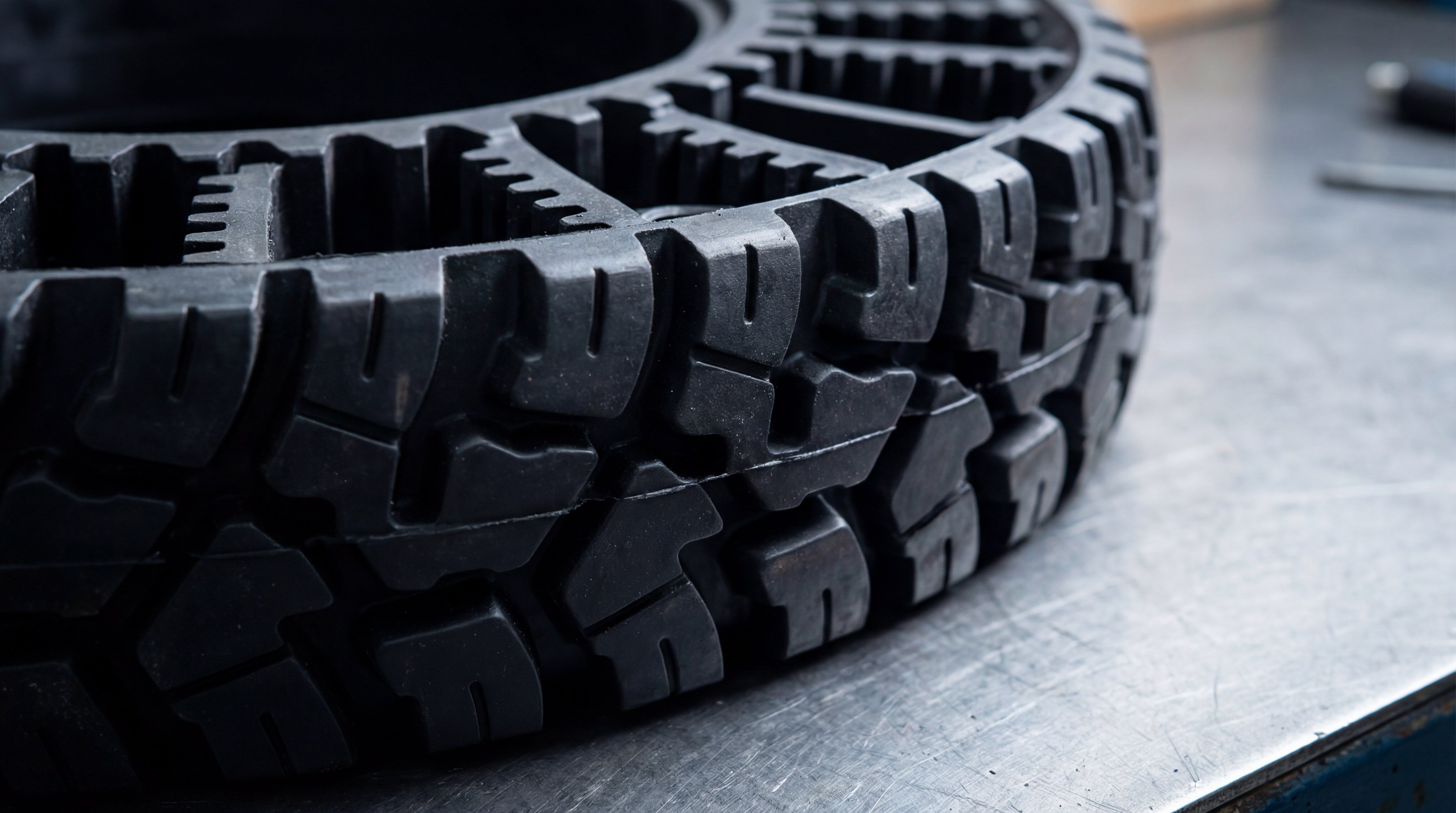
At the top of the silicone hardness scale, 70A and 80A silicones behave more like flexible plastics than traditional soft rubbers. These high-durometer materials are chosen for applications that demand extreme abrasion resistance, high pressure-bearing capabilities, and the ability to replace more expensive thermoplastic components.
Why is this range necessary for pet products?
For the pet products industry, durability is the primary requirement. A chew toy or a feeding mat made from 70A or 80A silicone can withstand the sharp teeth and scratching of animals without tearing, whereas a softer 40A material would be destroyed in minutes.
The reality is:
- 70A silicone has a similar feel to automotive tire treads.
- It offers significantly higher puncture resistance than softer grades.
- These materials are nearly impossible to tear by hand, even with a pre-existing notch.
Can 80A replace plastic parts?
80A silicone is rigid enough to be used as a replacement for certain plastic components, such as feet for industrial machinery or internal structural supports. Unlike plastic, however, 80A silicone still provides a degree of vibration dampening and chemical resistance that rigid polymers cannot match.
Think about it:
- It is used for high-pressure hydraulic O-rings that must not extrude.
- It maintains its seal even under significant mechanical torque.
- 80A is resistant to “cold flow,” meaning it won’t flatten out over years of bearing weight.
Key Takeaway: 70A and 80A silicones are the go-to choices for heavy-duty environments where durability and structural support take precedence over softness.
| Property | 70A – 80A Range | Ideal Use Case |
|---|---|---|
| Abrasion Resistance | Very High | Friction-heavy seals |
| Rigidity | Plastic-like | Protective covers |
| Elasticity | Low | Structural components |
Analysis: High-durometer silicone fills the gap between traditional rubber and rigid plastics, offering the best of both worlds for rugged industrial design.
How does hardness impact LSR injection molding?
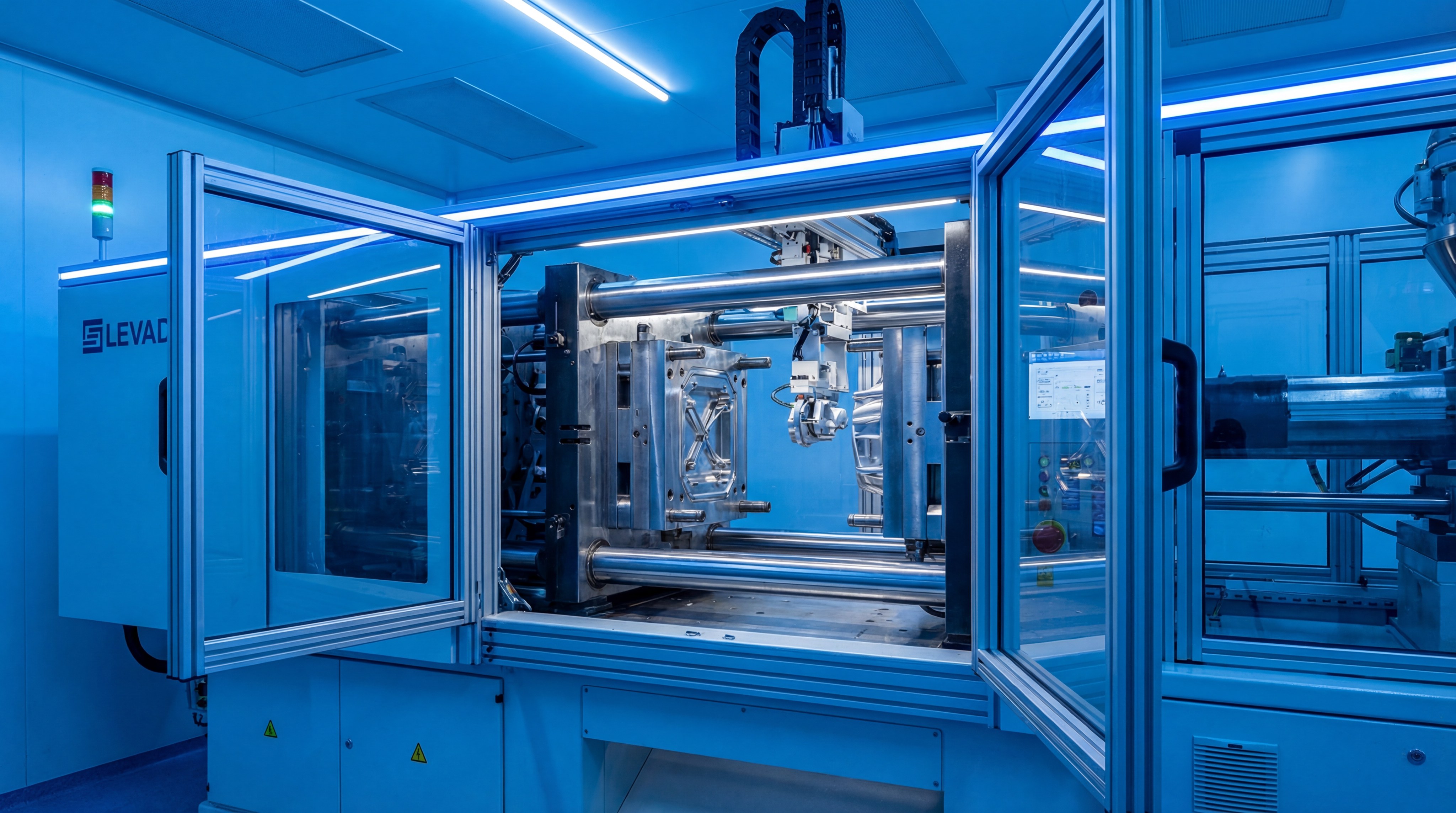
The silicone hardness scale plays a pivotal role in Liquid Silicone Rubber (LSR) injection molding because it determines the material’s viscosity and the required injection pressure. Understanding this relationship is essential for creating high-precision parts with complex geometries and thin walls.
How does durometer affect viscosity?
Generally, as the target durometer on the silicone hardness scale increases, the viscosity of the raw LSR also increases. This means that a 70A material will flow differently through a mold than a 30A material, requiring adjustments to gate sizes and venting strategies.
Here is the kicker:
- Lower durometer LSR can fill extremely thin cross-sections with ease.
- Harder materials may require higher clamping forces to prevent flash.
- Viscosity changes with temperature, making process control critical.
Why is hardness critical for smart wearable products?
For smart wearable silicone parts, manufacturers often use “multi-durometer” designs. A soft 40A material might be used for the strap that touches the skin, while a rigid 70A frame is overmolded to hold the delicate heart-rate sensors or GPS modules securely in place.
But wait, there’s more:
- Overmolding a soft silicone onto a hard plastic substrate requires precise durometer matching.
- The shrinkage of the silicone must be calculated based on the specific hardness level.
- LSR allows for “flashless” molding, provided the durometer is consistent across batches.
Key Takeaway: Hardness is a primary variable in the molding process; it dictates how the material flows and how the final part interacts with other components.
| Molding Variable | Low Durometer (30A) | High Durometer (70A) |
|---|---|---|
| Injection Pressure | Low to Moderate | High |
| Cycle Time | Potentially Longer | Potentially Shorter |
| Flash Risk | Lower (with good vents) | Higher (due to pressure) |
Analysis: Mastering the intersection of material hardness and LSR processing allows for the creation of complex, multi-functional products that are stable and reliable.
Which industries require specific hardness levels?
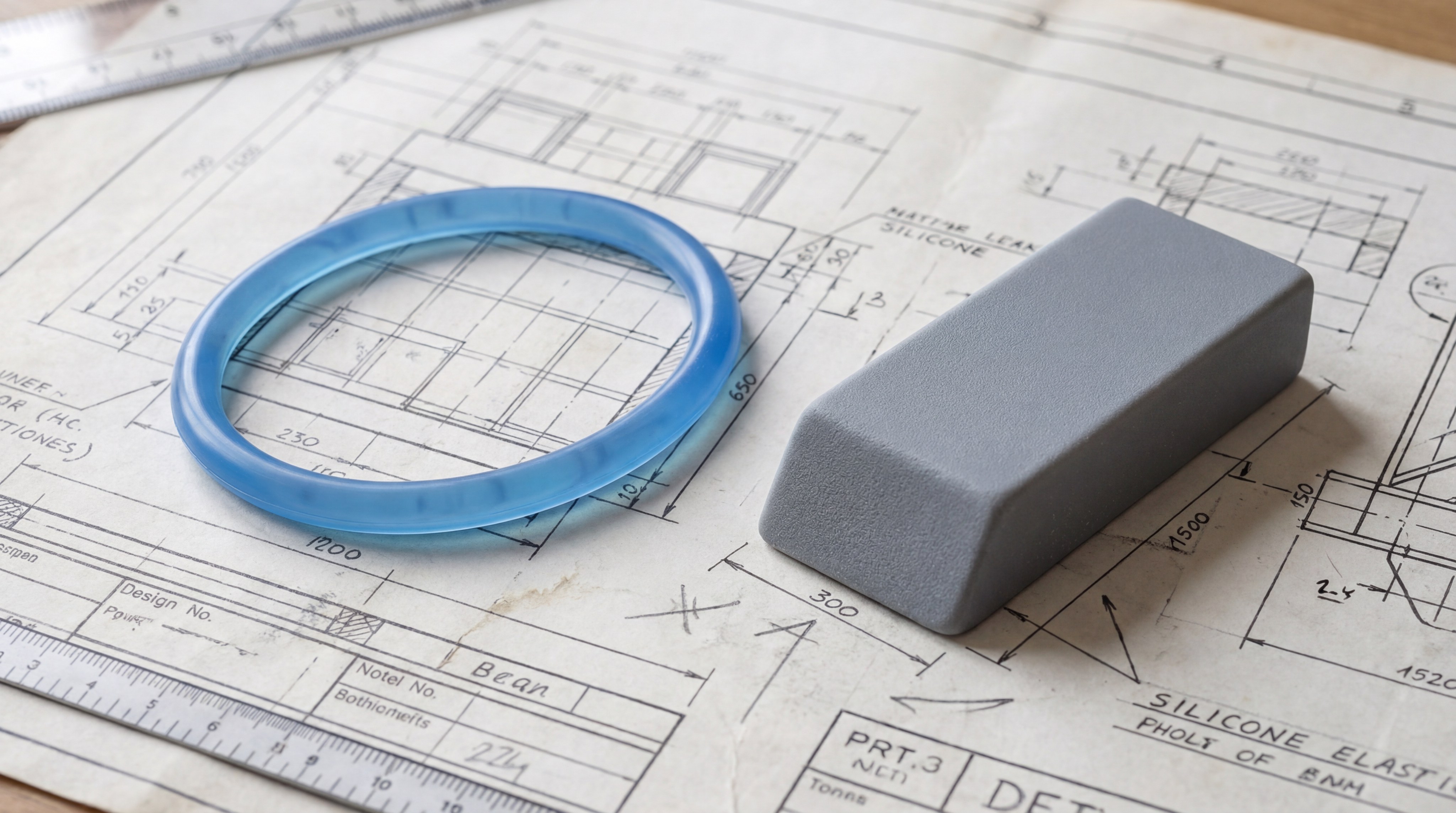
Different sectors within the global industry have developed “standard” hardness levels based on decades of performance data and safety regulations. For example, while the automotive industry prioritizes durability and oil resistance, the food and beverage sector focuses on cleanability and regulatory compliance.
What are the automotive and aerospace standards?
In high-performance sectors, the 50A to 70A range is the most common. These materials must maintain their seal under extreme vibrations and temperature swings while resisting degradation from fuels, lubricants, and hydraulic fluids.
The reality is:
- Under-the-hood gaskets are typically 60A for optimal sealing.
- Wire harnesses use softer 30A-40A grommets for vibration isolation.
- Aerospace seals require specialized grades that don’t harden in high-altitude cold.
How does hardness impact food and kitchenware?
For kitchenware and food processing, 60A is the standard because it is firm enough to resist the buildup of food particles in microscopic surface pores while remaining flexible enough for easy cleaning and disassembly.
Think about it:
- Baking molds are often 40A for easy release of food items.
- Commercial blender gaskets are 70A to withstand high rotational speeds.
- Soft-touch spatulas use a lower durometer for ergonomic comfort.
Key Takeaway: Each industry has a specific “sweet spot” on the hardness scale that balances regulatory safety with mechanical longevity.
| Industry Sector | Typical Hardness Range | Primary Driver |
|---|---|---|
| Automotive | 50A – 70A | Fluid & Heat Resistance |
| Acoustics | 30A – 50A | Sound Dampening |
| Appliances | 40A – 60A | Sealing & Longevity |
Analysis: Aligning your project with industry-standard durometers can help you bypass lengthy testing phases by leveraging proven material benchmarks.
Can environmental factors change silicone hardness?
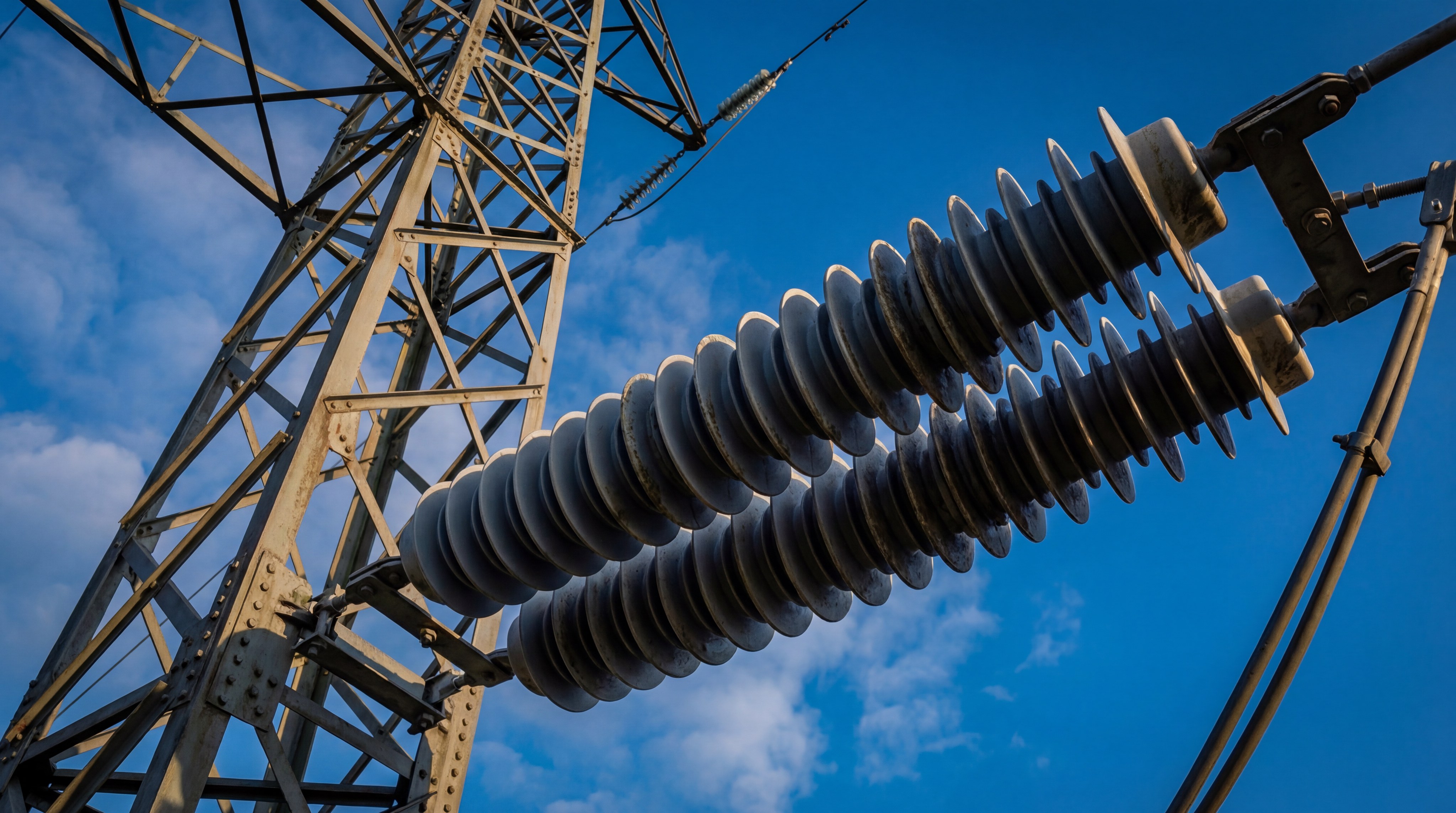
It is a common misconception that a material’s position on the silicone hardness scale remains permanent once molded. In reality, external stressors such as extreme temperatures, chemical exposure, and UV radiation can cause “durometer drift,” leading to either hardening or softening of the part over time.
Does temperature cause hardening?
While silicone is famous for its thermal stability, prolonged exposure to temperatures above 200°C can eventually lead to “heat hardening.” As the material oxidizes, it becomes more brittle and its Shore A rating will gradually increase, eventually leading to seal failure.
Here is the kicker:
- Cold temperatures don’t typically change silicone’s hardness permanently.
- Post-curing (baking the part after molding) can stabilize the final durometer.
- High-quality platinum-cured silicones are more resistant to heat hardening.
How do chemicals affect durometer?
If a silicone part is exposed to incompatible chemicals, such as petroleum-based oils, it may swell. This swelling usually results in a temporary decrease in Shore A hardness, as the chemical molecules physically push the polymer chains apart, weakening the material’s structure.
But wait, there’s more:
- Fluorosilicone is used when chemical-induced softening is a risk.
- Surface treatments can help protect the core material from chemical ingress.
- Environmental stress cracking is a risk if a hard silicone is bent too sharply.
Key Takeaway: Designing for the “lifecycle” of the product means accounting for potential hardness changes caused by the environment.
| Environmental Stressor | Typical Effect on Hardness | Long-term Result |
|---|---|---|
| Extreme Heat | Increase (Hardening) | Brittleness / Cracking |
| Chemical Swelling | Decrease (Softening) | Structural Weakness |
| UV Exposure | Variable (Slight Increase) | Surface Chalking |
Analysis: Selecting a slightly softer material than needed can sometimes compensate for the natural hardening that occurs in high-heat industrial environments.
How can you choose the right hardness for your part?
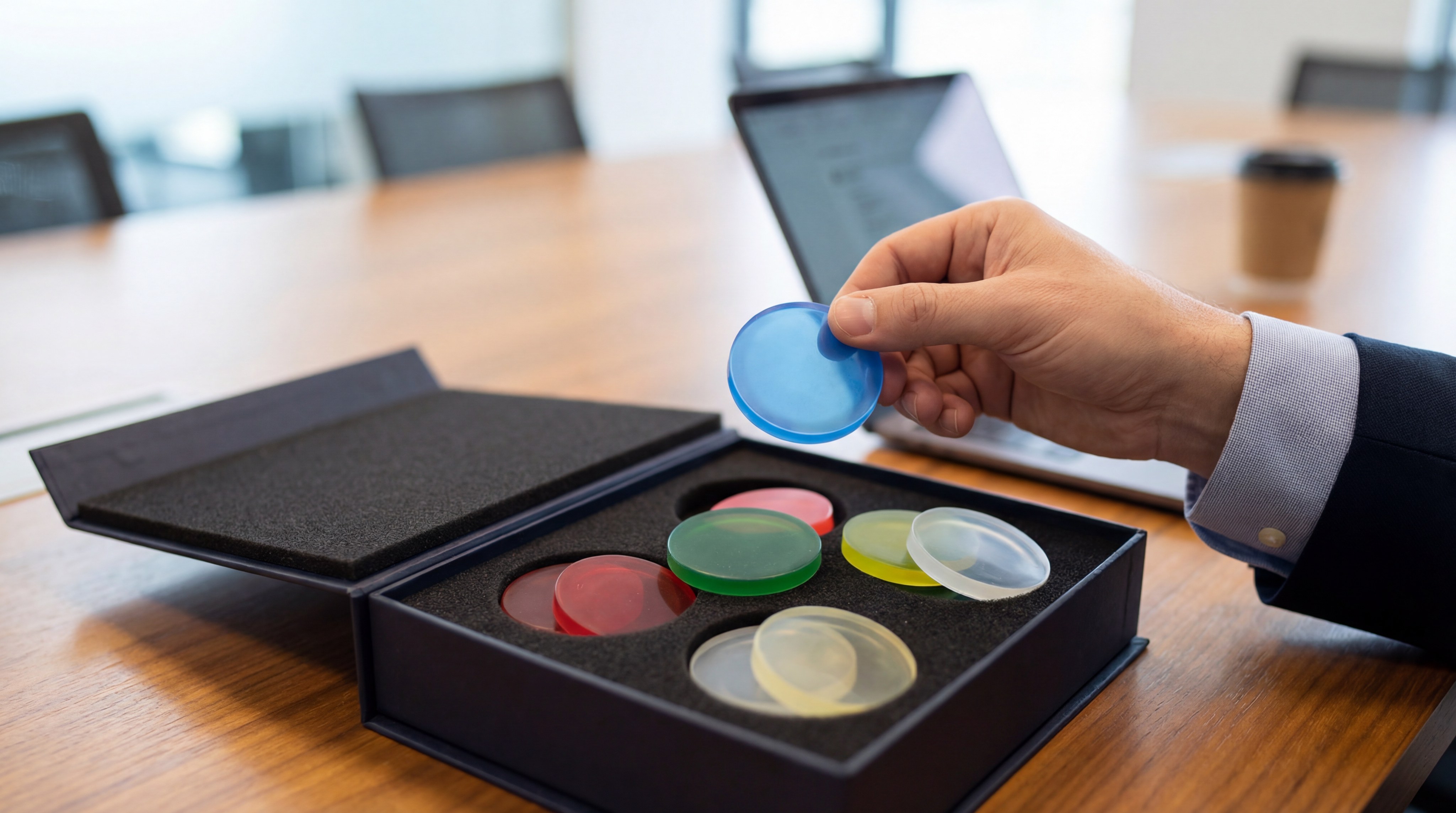
Selecting the perfect durometer on the silicone hardness scale requires a combination of engineering theory and tactile verification. For complex B2B projects, it is always recommended to involve your manufacturing partner early in the Design for Manufacturing (DFM) phase to avoid costly late-stage redesigns.
Why should you request a sample kit?
The most effective way to choose a durometer is to physically handle the material. Data sheets can tell you that a material is 50A, but feeling the difference between 40A, 50A, and 60A in your hand provides the tactile feedback necessary for a successful consumer product launch.
The reality is:
- A sample kit helps stakeholders reach a consensus on “feel.”
- It allows for quick bench-testing of compression and flexibility.
- Most professional manufacturers provide these kits to serious B2B buyers.
How does prototyping help verify hardness?
If you are unsure between two durometers, rapid prototyping can provide empirical data. By molding a small batch in both 40A and 60A, you can conduct functional tests for waterproof performance, assembly force, and long-term durability before committing to expensive mass-production tooling.
Think about it:
- 3D printing in silicone is now possible for quick durometer checks.
- Low-volume “bridge tooling” can be used for pilot testing.
- Verification prevents the risk of batch rejection due to unexpected rigidity.
Key Takeaway: Theoretical material selection is a good start, but physical sampling and functional prototyping are the only ways to guarantee success.
| Selection Step | Purpose | Outcome |
|---|---|---|
| Consult DFM | Engineering Feasibility | Verified Design |
| Request Samples | Tactile Verification | Design Consensus |
| Functional Prototype | Performance Testing | Final Spec Approval |
Analysis: Investing time in the material selection phase is significantly cheaper than dealing with the fallout of a sub-optimal material choice once mass production has begun.
*
Conclusion
Understanding the silicone hardness scale is the foundation of successful product development in the elastomer industry. From the ultra-soft comfort of baby pacifiers to the rugged durability of industrial gaskets, the Shore A durometer provides the precision needed to turn a concept into a functional, reliable reality. By mastering the nuances of each hardness level, you can optimize your design for both user experience and manufacturing efficiency.
At HuaLin Silicone, we are committed to helping our global partners navigate these complex material choices with ease. Our goal is to provide more than just a part; we provide an integrated manufacturing solution that ensures your product meets every quality standard. Whether you are in the initial design phase or ready for mass production, our team of experts is here to support your project with ISO-certified excellence and 24-hour engineering support.
Ready to find the perfect durometer for your project? contact us today to request a custom sample kit or a free DFM review of your drawings. Let’s build something extraordinary together.
*
Frequently Asked Questions
Can I customize the hardness for a specific project?
Yes, professional manufacturers can adjust the chemical formulation of the silicone base to achieve custom durometer levels, such as 53A or 67A, if your engineering requirements demand a non-standard specification.
What is the best hardness for a waterproof seal?
For most electronic enclosures and handheld devices, a range of 40A to 60A is ideal. This provides enough compliance to fill variations in the housing while maintaining enough tension to keep moisture out under pressure.
How do I know if I need Shore A or Shore OO?
Shore A is the standard for flexible rubbers. If your application requires something extremely soft, such as a gel-like padding or a prosthetic liner that feels like jelly, you likely need the Shore OO scale for ultra-soft materials.
Can environmental factors change the hardness of my part?
Yes, factors such as extreme heat and chemical exposure can cause silicone to either harden or soften over time. It is important to select a material grade that is chemically compatible with its intended operating environment.
How do I verify the hardness of a finished part?
Hardness is verified using a calibrated Shore A durometer. For an accurate reading, the test area should be at least 6mm thick; for thinner parts, manufacturers often test a molded “button” or slab produced from the same material batch.