
Liquid silicone rubber is a versatile family of chemical compounds misunderstood as a basic ingredient, but it actually serves as a high-performance elastomer for critical engineering. You may find that choosing the wrong material or fearing perceived risks can stall your product development and increase production costs. HuaLin eliminates these uncertainties through expert DFM guidance and precision liquid silicone manufacturing.
Is silicone a chemical element or an ingredient?
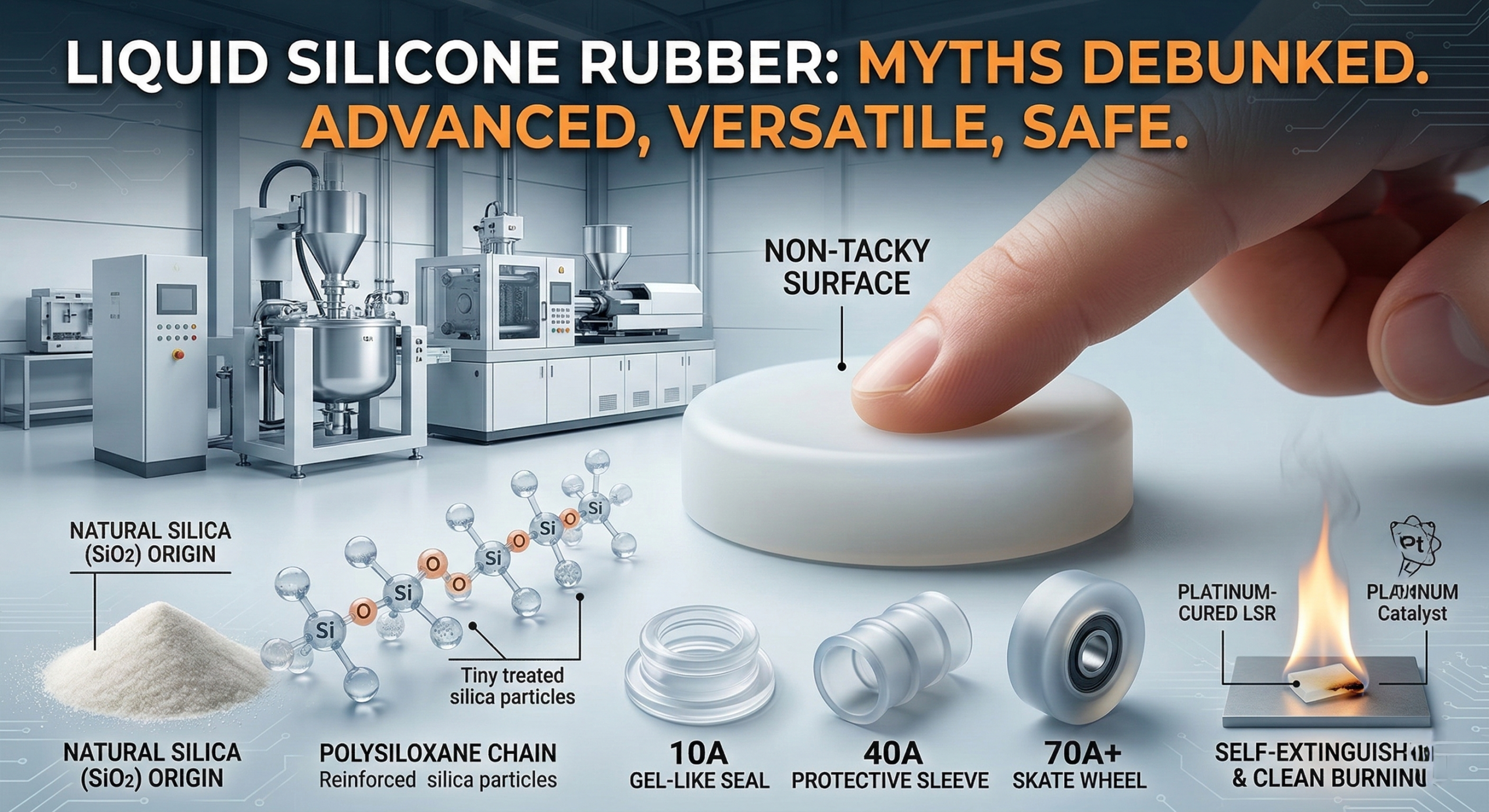
Silicone is not a single element but a family of chemical compounds comprising silicon, oxygen, carbon, and hydrogen. While silicon is a natural element found on the periodic table, liquid silicone rubber is a sophisticated macromolecule created through reinforced polysiloxane chains.
The chemistry of polysiloxane
The truth is simple: silicone rubbers are formed by alternating silicon and oxygen atoms. This inorganic backbone provides the material with its unique thermal and chemical stability compared to organic rubbers.
How are components formulated?
Consider the following:
- Part A usually contains the platinum catalyst.
- Part B contains the methyl hydrogen siloxane cross-linker.
- Alcohol inhibitors control the curing speed during injection.
HuaLin manages these precision ratios to ensure every batch meets your specific mechanical requirements.
Key Takeaway: Understanding that silicone is a complex compound helps you specify the right chemical properties for your specific industrial application.
| Feature | Description |
|---|---|
| Primary Backbone | Silicon-Oxygen (Si-O) |
| Core Components | Two-part system (A and B) |
| Classification | Inorganic-organic hybrid |
The molecular structure of this material is what allows it to outperform standard plastics in extreme environments.
Are all silicone rubbers fully synthetic?
Silicone rubbers are considered synthetic because they are human-made, yet they originate from entirely natural raw materials. The production of liquid silicone begins with silica, which is essentially common sand or quartz found in the earth’s crust.
From sand to high-tech rubber
The reality is this: humans modify naturally occurring silicon to create the high-performance polymers used in modern manufacturing. This process transforms abundant natural resources into specialized materials for demanding sectors like healthcare and electronics.
Natural origins vs. industrial synthesis
The truth is simple:
- Silica (sand) is the primary source material.
- Chemical modification adds carbon and hydrogen groups.
- The resulting elastomer retains the stability of its mineral roots.
This hybrid nature makes the material an ideal bridge between the mineral and organic worlds.
Key Takeaway: Recognizing the natural origin of silicone helps you align your product’s material profile with sustainability and safety goals.
| Attribute | Origin/Method |
|---|---|
| Base Material | Natural Silica (Sand) |
| Manufacturing | Chemical Synthesis |
| Industry Category | Synthetic Elastomer |
Leveraging sand-derived chemistry provides a more stable alternative to petroleum-based polymers.
Does silicone require high-heat processing?
Liquid silicone rubber does not always require high temperatures for processing, as certain formulations can cure at room temperature. While many industrial applications use heat to accelerate vulcanization, modified versions allow for molding at significantly lower temperatures to protect sensitive electronic components.
Understanding vulcanization types
But consider this:
- HTV: High-Temperature Vulcanized rubber for solid parts.
- LSR: Liquid Injection Molding for high-precision components.
- RTV: Room Temperature Vulcanized sealants and coatings.
Low-temperature flexibility
The reality is this:
- Standard LSR can be modified for low-heat environments.
- This protects delicate inserts during overmolding.
- The material retains flexibility even after low-temp curing.
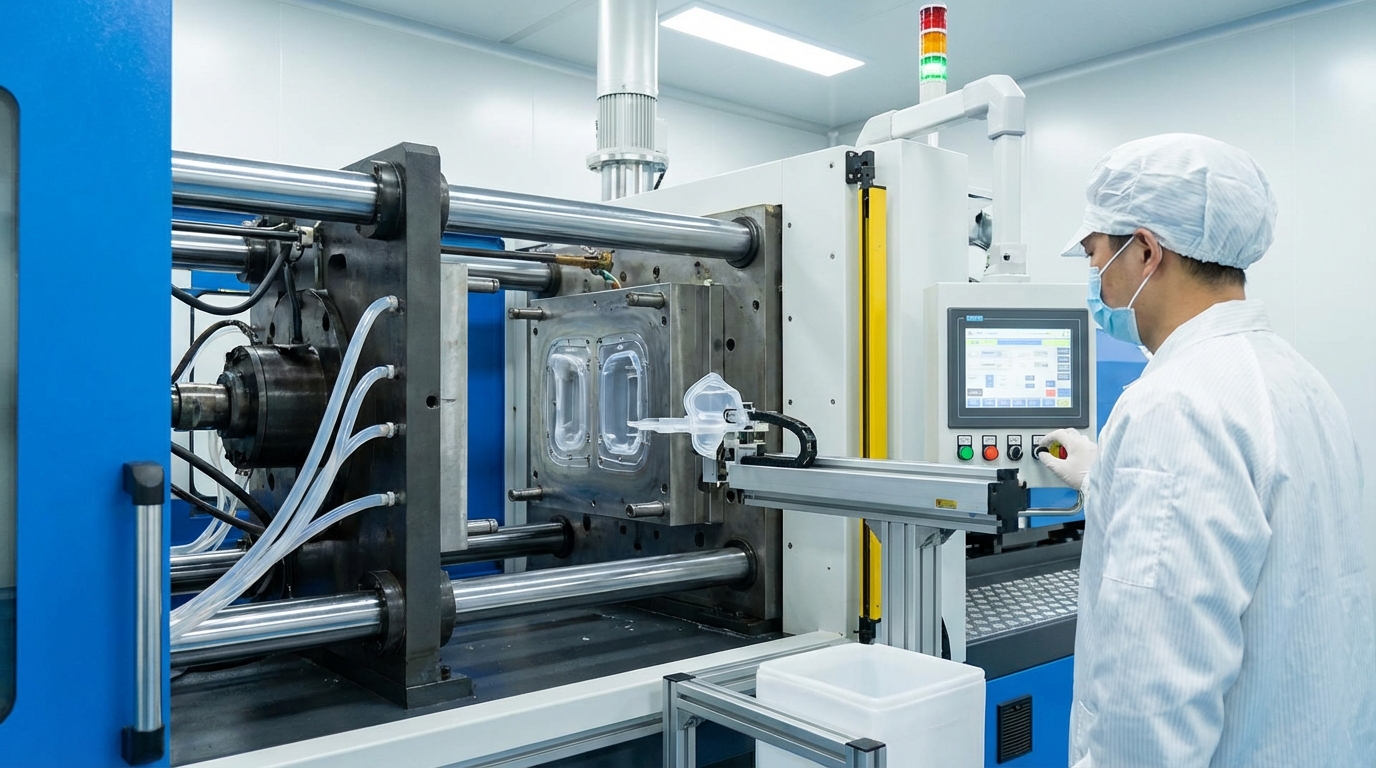
HuaLin utilizes specialized equipment to ensure optimal curing regardless of the specified temperature range.
Key Takeaway: Flexible curing options allow you to integrate silicone with heat-sensitive materials without compromising the structural integrity of the final part.
| Process Type | Temperature Range | Common Application |
|---|---|---|
| RTV | Ambient/Room Temp | Sealants & Gaskets |
| LSR | 150°C – 200°C | Precision Parts |
| Modified LSR | Low/Controlled Heat | Electronic Overmolding |
Processing flexibility is a critical factor when designing multi-material assemblies or overmolded electronics.
Are silicone surfaces always sticky?
The tactile feel or tackiness of silicone is not an inherent trait but a variable that depends on formulation and processing. While some raw silicones feel “grippy,” liquid silicone can be engineered to have a smooth, silk-like finish for medical and consumer goods.
Controlling the surface finish
The truth is simple: additives like mica or specific mold textures can completely eliminate surface stickiness. Engineers often specify low-coefficient-of-friction coatings for parts that need to slide or resist dust accumulation.
Why surface feel matters
Here is the truth:
- Medical devices require non-tacky surfaces for patient comfort.
- Wearables need a “soft-touch” feel to prevent skin irritation.
- Industrial seals might require specific friction levels to stay in place.
HuaLin offers secondary operations like spray coating and laser texturing to achieve your desired surface performance.
Key Takeaway: Customizing the surface finish ensures your product meets the tactile expectations of the end-user while maintaining functional performance.
| Finish Type | Characteristic | Benefit |
|---|---|---|
| Matte | Non-reflective, smooth | High-end consumer feel |
| Low-Friction | Non-tacky, slippery | Easier assembly |
| Textured | Enhanced grip | Industrial safety |
Surface engineering transforms a simple elastomer into a sophisticated interface for human or mechanical interaction.
Is silicone always soft and flexible?
Silicone rubber can range from extremely soft gels to firm, rigid materials depending on its durometer rating. Most people assume liquid silicone is only for flexible parts, but it can be formulated to a hardness that rivals many plastics.
The durometer scale explained
But consider this: the Shore A scale for silicone typically ranges from 10 to 80. High-durometer silicone provides excellent structural stability while retaining the material’s signature thermal resistance.
Achieving high hardness
The reality is this:
- Adding fillers increases the material’s rigidity.
- Higher cross-link density results in a firmer part.
- Optical grade silicones can reach 70 Shore hardness with zero elasticity.
HuaLin helps you select the exact Shore A rating to balance flexibility with the mechanical strength your project demands.
Key Takeaway: Don’t limit your designs to soft parts; high-durometer silicone offers a durable alternative for rigid components in harsh environments.
| Hardness (Shore A) | Feel Comparison | Typical Application |
|---|---|---|
| 10A – 30A | Soft (Rubber Band) | Seals & Diaphragms |
| 40A – 60A | Medium (Tire Tread) | Keypads & Handles |
| 70A – 80A | Firm (Skate Wheel) | Structural Covers |
Expanding the hardness range of your material choices allows for more creative and functional engineering solutions.
Do these rubbers emit toxic fumes when burned?
Standard silicone rubbers are naturally self-extinguishing and do not emit the toxic gases common in many plastic materials. When liquid silicone burns, it primarily produces water vapor, carbon dioxide, and silica (white ash) rather than hazardous fumes.
Flame retardancy by nature
The truth is simple: silicone’s inorganic backbone makes it inherently resistant to ignition. For high-safety environments, we can add flame retardants to meet strict UL 94 V-0 standards without compromising material purity.
Comparing curing methods
Consider the following:
- Platinum-cured systems are exceptionally clean during combustion.
- Peroxide-cured systems may require extra ventilation for byproducts.
- Flame-retardant grades eliminate smoke density in confined spaces.
HuaLin ensures your parts comply with international fire safety standards through careful material selection and compounding.
Key Takeaway: Using low-fume silicone materials enhances product safety, especially in the automotive, aerospace, and electronics industries.
| Combustion Factor | Silicone Performance | Result |
|---|---|---|
| Ignition | Self-extinguishing | Reduced fire spread |
| Smoke Density | Very Low | Improved visibility |
| Toxicity | Non-toxic (Platinum cured) | Safer for humans |
Choosing low-emission materials is a critical safety consideration for any product used in enclosed or high-traffic areas.
Does silicone harm the atmosphere?
Silicone rubber is environmentally stable and does not release volatile organic compounds (VOCs) that contaminate the atmosphere. Unlike many traditional plastics, liquid silicone mixtures are free from acetones, methacrylates, and chlorofluorocarbons (CFCs) that deplete the ozone layer.
Inorganic environmental stability
But here is the catch: because silicone is inorganic, it does not “off-gas” harmful chemicals over time. This makes it the preferred choice for indoor air quality and high-purity industrial cleanrooms.
Efficiency in manufacturing
The truth is simple:
- LSR molding produces minimal waste compared to other processes.
- Cold runner systems eliminate excess material scrap.
- The absence of solvents reduces the factory’s carbon footprint.
HuaLin’s ISO-certified processes ensure that your manufacturing chain remains compliant with the strictest environmental regulations.
Key Takeaway: Selecting silicone helps your brand meet ESG goals by utilizing a material that is both durable and atmospherically inert.
| Contaminant Type | Presence in Silicone | Environmental Impact |
|---|---|---|
| VOCs | Absent | Safe for air quality |
| CFCs | Absent | No ozone depletion |
| Phthalates | Absent | Safe for sensitive use |
The lack of volatile emissions makes silicone a superior choice for sustainable product development in modern markets.
Does silicone take millennia to degrade?
While silicone is incredibly durable, it can be broken down into harmless components under specific environmental conditions. In soil, minerals act as catalysts to degrade the liquid silicone backbone into water, silicic acid, and carbon dioxide within days to weeks.
The degradation process
The reality is this: sunlight and atmospheric oxygen initiate the chain scission of silicone polymers. This means that while it won’t rot like organic waste, it doesn’t persist in the environment forever like many microplastics.
Recyclability and reuse
But consider this:
- Silicone components are fully recyclable into lubricants or oils.
- Post-industrial scrap can be ground down for use in new products.
- Its long service life reduces the frequency of product replacement.
HuaLin focuses on high-efficiency molding to ensure we minimize the environmental footprint of every part we produce.
Key Takeaway: Silicone offers a unique balance of extreme durability during use and a predictable breakdown path at the end of its life cycle.
| Factor | Condition | Duration |
|---|---|---|
| Soil Degradation | Mineral-rich soil | Days to weeks |
| UV Exposure | Direct sunlight | Gradual breakdown |
| Chemical Disposal | Controlled catalysis | Rapid scission |
Environmental responsibility in material selection involves looking at the entire lifecycle from sand to soil.
Do silicone products cause skin allergies?
Silicone is inherently biocompatible and does not cause the allergic reactions or skin irritations common with natural latex. Most liquid silicone materials are hypoallergenic, making them the gold standard for medical devices and wearable technology.
Biocompatibility standards
The truth is simple: silicone does not contain the proteins that trigger latex allergies. Its chemical inertness ensures that it won’t react with body fluids or sweat, even during long-term skin contact.
Purity and contamination
Here is the truth:
- Allergies are usually caused by contaminants, not the silicone itself.
- Medical-grade LSR is produced in cleanroom environments to ensure purity.
- FDA-registered facilities prevent cross-contamination with other rubbers.
HuaLin operates dedicated production lines to maintain the hypoallergenic integrity required for your medical and baby care projects.
Key Takeaway: Switching to silicone provides a safe, allergy-free alternative for any product that comes into direct contact with the human body.
| Material | Allergy Risk | Biocompatibility |
|---|---|---|
| Natural Latex | High (Proteins) | Variable |
| Standard Plastic | Moderate (Additives) | Low |
| Liquid Silicone | Extremely Low | High (ISO 10993) |
Material purity is the most effective defense against user irritation and potential product recalls in sensitive markets.
Can silicone rubber bioaccumulate in the body?
Silicone rubbers are biologically inert and do not accumulate in human tissue or support the growth of bacteria. While liquid silicone molecules are too large to penetrate biological membranes, the material itself is highly resistant to stains and corrosion.
Resistance to biological growth
The truth is simple: the non-porous surface of silicone makes it very easy to sterilize. It does not provide a food source for microbes, which is why it is used extensively in food-grade and surgical applications.
FDA and ISO compliance
Consider the following:
- Silicone meets strict FDA requirements for food contact.
- It complies with Tripartite biocompatibility for implants.
- No medical applications allow for the material to be “absorbed” by the body.
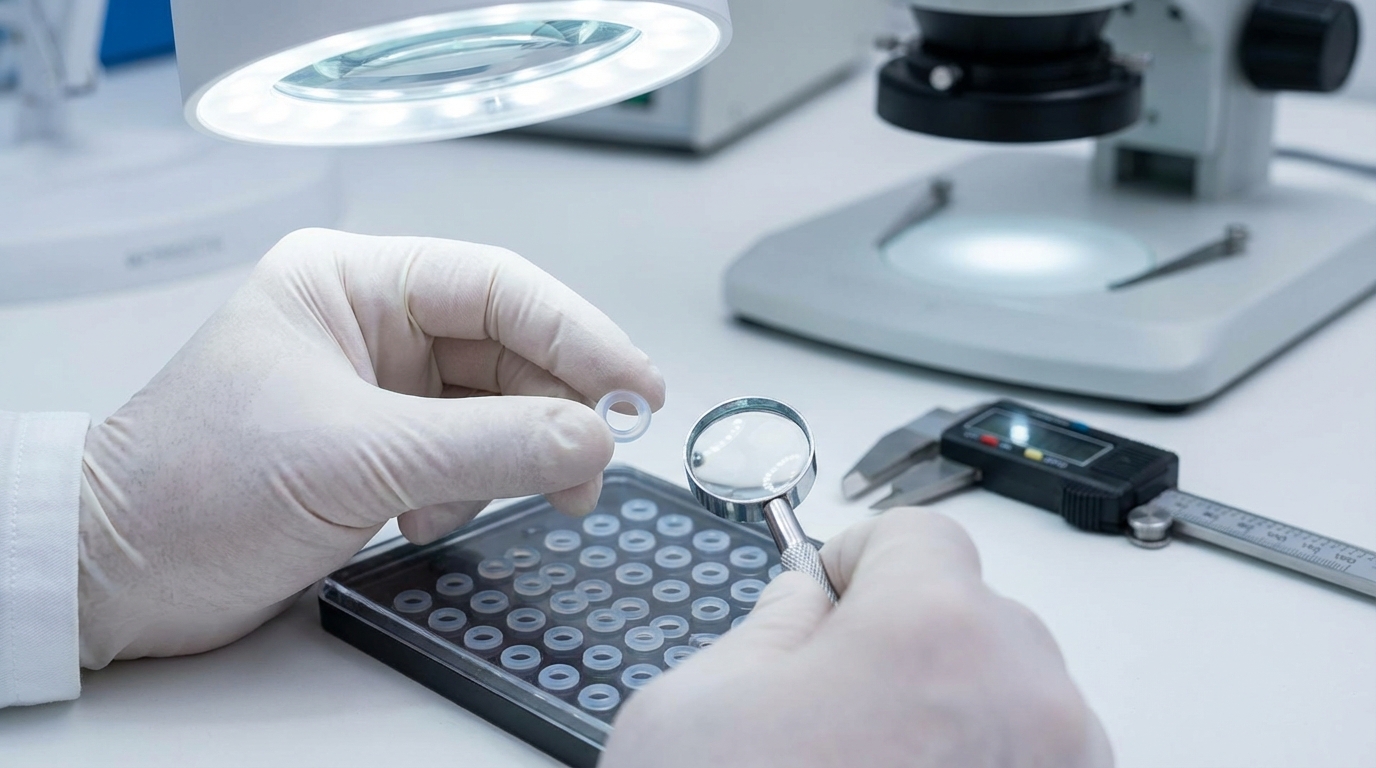
HuaLin’s manufacturing process includes 100% inspection to ensure that no contaminants compromise the material’s inert properties.
Key Takeaway: The biological inertness of silicone makes it the safest choice for high-sanitation environments and long-term medical use.
| Factor | Performance | Benefit |
|---|---|---|
| Bacteria Growth | Inhibited | High sanitation |
| Tissue Response | Minimal | Safe for medical use |
| Cleaning | Easy | Reduced maintenance |
Choosing a material that resists bio-growth ensures your product remains safe and functional throughout its entire service life.
Navigating the complexities of liquid silicone rubber requires a partner who understands the science behind the material. At HuaLin, we solve your production challenges by combining 15+ years of precision engineering with a commitment to material purity. From medical-grade components to industrial seals, our integrated workflow reduces risks and accelerates your time to market. We stand by the principle that superior materials, managed by experts, yield superior results. To optimize your next project with a trusted manufacturing partner, contact us today for a comprehensive DFM review.
FAQ
Can I use silicone for rigid structural parts?
Yes. By selecting high-durometer formulations or optical-grade silicones, you can achieve a Shore A hardness of 70-80, which provides significant rigidity while maintaining thermal stability.
What’s the best way to prevent silicone parts from feeling sticky?
It depends. You can specify a matte mold finish, use low-friction additives in the compound, or apply a specialized spray coating after molding to achieve a smooth, non-tacky surface.
How do I know if my silicone part is truly medical-grade?
It depends. You must verify that the raw material has passed ISO 10993 or USP Class VI testing and ensure the parts are manufactured in an ISO 13485 certified facility with cleanroom capabilities.
Can I overmold silicone onto plastic or metal inserts?
Yes. Liquid silicone rubber is ideal for overmolding due to its excellent bonding properties and the availability of low-temperature curing grades that protect heat-sensitive inserts.
What’s the best method to ensure consistent quality in mass production?
It depends. A combination of in-house mold making, automated CCD visual inspection, and strict IPQC (In-Process Quality Control) protocols is the most reliable way to maintain batch-to-batch consistency.