
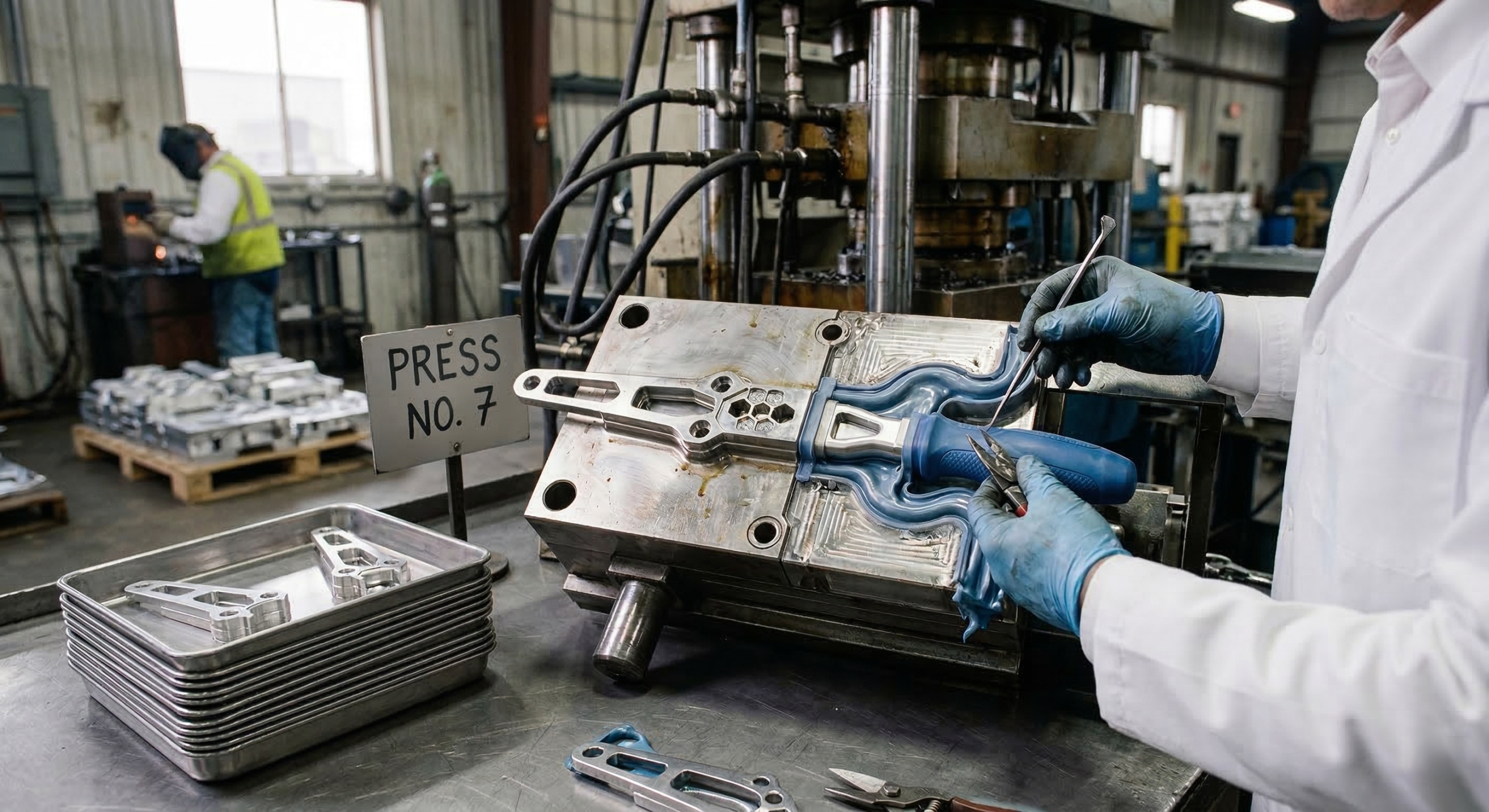
Silicone overmolding is the premier manufacturing solution for bonding flexible silicone to rigid substrates to create high-performance, multi-functional parts. You likely face the challenge of products that fail due to leaking seals or uncomfortable, slippery grips that degrade over time. These issues frustrate your end-users and drive up warranty costs, making your current assembly methods feel outdated and inefficient. Can you overmold silicone onto plastic or metal? By adopting this advanced process, you can eliminate manual assembly and create a permanent, waterproof bond that enhances both the durability and the aesthetic appeal of your hardware.
What is the silicone overmolding process?
Silicone overmolding is a specialized injection molding technique where a layer of flexible silicone is molded directly onto a pre-existing rigid part or substrate. You must consider the question, Can you overmold silicone onto plastic or metal? as a way to simplify your bill of materials and improve structural integrity. This process creates a single, unified component that leverages the strengths of two distinct materials without the need for fasteners.
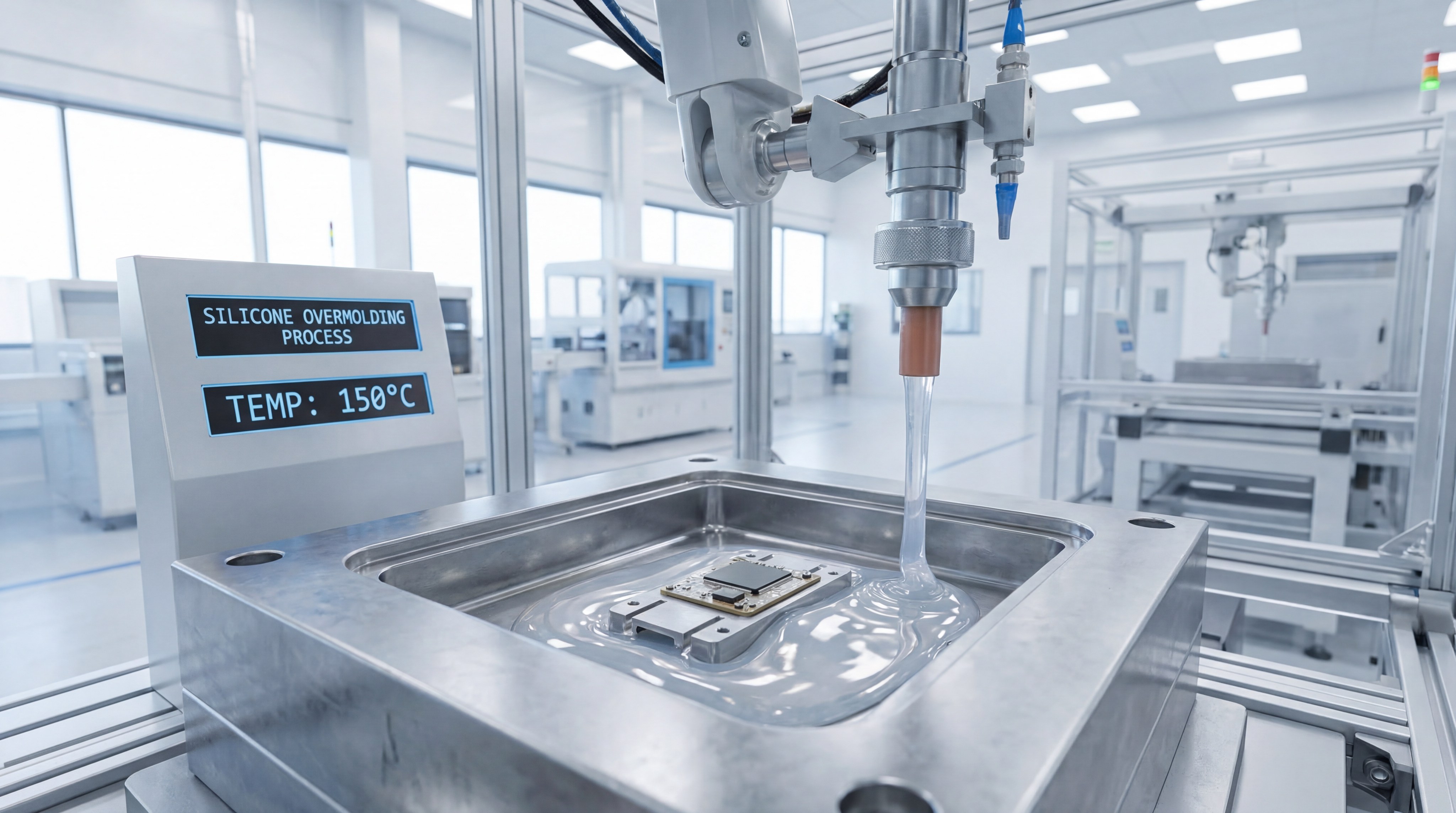
The procedure involves placing a substrate into a mold cavity and then injecting liquid silicone rubber around it under precise temperature and pressure. This ensures that the silicone flows into every corner, creating a seamless transition that is impossible to achieve with manual gluing.
How does the overmolding cycle work?
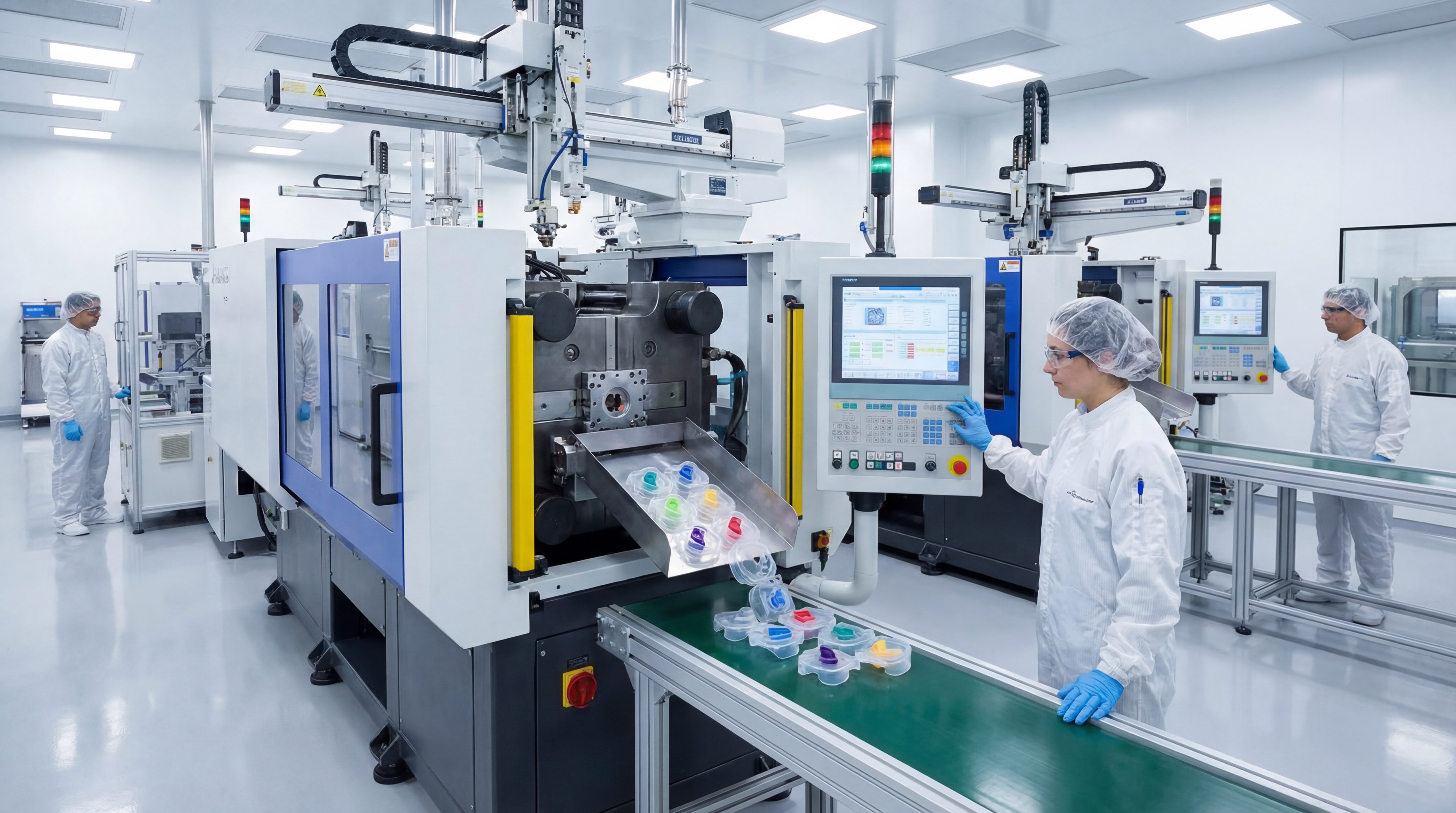
The cycle begins with the careful placement of your rigid base material into the custom-engineered mold. Here is the deal: the precision of this placement determines the final quality of your overmolded part. Once the mold is closed, the silicone is injected, cured through heat, and then the finished multi-material component is ejected.
- Automated substrate loading for high-volume runs.
- High-pressure injection to ensure complete coverage.
- Rapid thermal curing to solidify the silicone layer.
| Process Stage | Primary Goal |
|---|---|
| Substrate Loading | Precise alignment for bonding |
| Silicone Injection | Void-free material distribution |
| Thermal Curing | Cross-linking for durability |
This sequence of events ensures that the bond between the soft silicone and the rigid base is consistent across thousands of cycles.
Key Takeaway: Mastering the injection cycle is the first step toward producing high-quality overmolded components that meet strict industrial standards.
Can you overmold silicone onto plastic or metal?
You can certainly overmold silicone onto both plastic and metal surfaces to create versatile, ergonomic, and highly durable components. Exploring Can you overmold silicone onto plastic or metal? reveals that this process is compatible with a wide range of industrial materials. Whether you are building medical instruments or ruggedized electronics, this technique provides a superior bonding solution.
For metal substrates, the bond is often incredibly strong due to the ability to use higher temperatures during the curing process. When working with plastics, the selection of the right resin is critical to ensure the substrate does not deform under the heat required to cure the silicone.
Why bond silicone to metal substrates?
Metal substrates offer a rigid backbone for tools and devices that require extreme structural strength. The best part? Silicone provides the perfect tactile grip and insulation for these heavy-duty metal parts. This combination is ideal for surgical tools, industrial handles, and high-end consumer appliances.
- Stainless steel for medical and food-grade safety.
- Anodized aluminum for lightweight structural parts.
- Brass or copper for specific electrical applications.
| Substrate Type | Common Use Case |
|---|---|
| Stainless Steel | Surgical tool grips |
| Aluminum | Ruggedized electronic housings |
| Titanium | Advanced aerospace components |
These metal-to-silicone combinations provide a level of performance that standalone materials simply cannot match in harsh environments.
Key Takeaway: Bonding silicone to metal is a reliable way to add ergonomic value and environmental protection to heavy-duty hardware.
Why should you choose silicone overmolding?
Choosing silicone overmolding allows you to consolidate multiple parts into one, significantly reducing your total assembly time and production costs. When evaluating your next design, you might ask, Can you overmold silicone onto plastic or metal? to eliminate secondary adhesive steps. This consolidation not only saves money but also removes potential points of failure in your product’s lifecycle.
Furthermore, silicone provides excellent resistance to heat, chemicals, and UV radiation, which extends the lifespan of your products. It also offers superior sealing capabilities, making it the preferred choice for waterproof or dustproof applications.
What are the functional benefits?
Overmolding delivers functional advantages that go far beyond simple aesthetics. Let’s face it: a product that feels good in the hand and functions reliably in the field will always outperform a basic plastic assembly. You can integrate seals, gaskets, and vibration dampeners directly into the structural part of the device.
- IP-rated waterproof sealing without separate O-rings.
- Vibration isolation for sensitive electronic components.
- Electrical insulation for high-voltage power tools.
| Benefit | Impact on Product |
|---|---|
| Part Consolidation | Lower labor and material costs |
| Integrated Sealing | Improved IP ratings and reliability |
| Soft-Touch Finish | Higher perceived value and comfort |
By integrating these features during the molding process, you create a more robust product that is ready for demanding use.
Key Takeaway: The decision to use overmolding is driven by the need for better performance, lower costs, and enhanced user experience.
What are the best materials for substrates?
The best materials for substrates include high-temperature thermoplastics like PEEK or metals like stainless steel and aluminum. Determining Can you overmold silicone onto plastic or metal? depends largely on the melting point and surface energy of your chosen base material. If your substrate can withstand the 150°C to 200°C temperatures used in silicone curing, it is likely a good candidate.
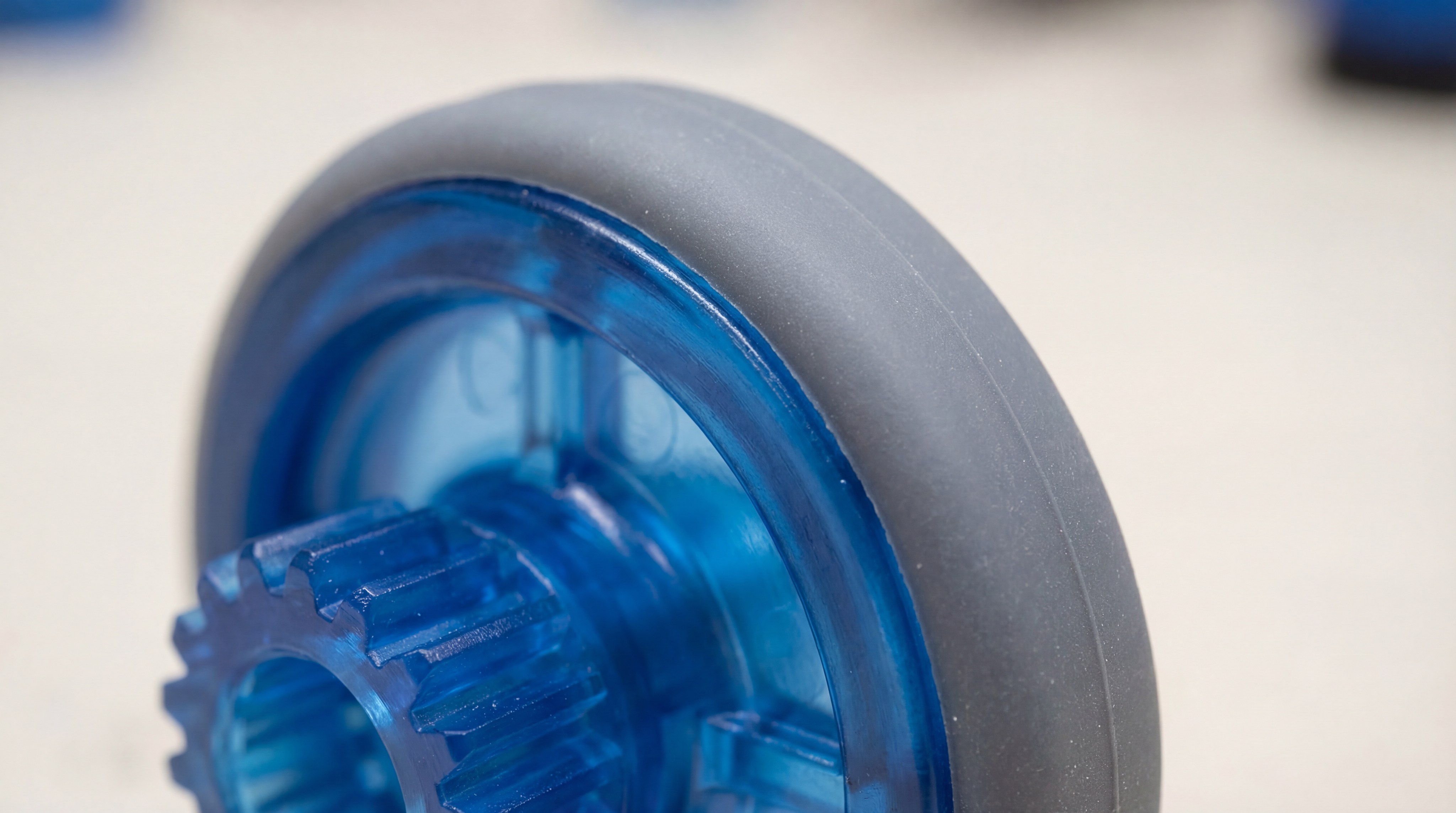
Engineers often select materials like glass-filled nylon or polycarbonate because they offer the necessary heat resistance and structural stiffness. These plastics bond exceptionally well with silicone when the correct primers or self-bonding silicone grades are utilized.
Which plastics are most compatible?
Selecting the right plastic is the foundation of a successful overmolding project. Here is the kicker: not all plastics can survive the heat of a silicone molding press. You must choose resins that maintain their shape and properties while the silicone is being cured around them.
- Polycarbonate (PC) for impact resistance and clarity.
- Polyamide (Nylon) for strength and heat tolerance.
- PEEK for the most demanding high-temperature environments.
| Plastic Resin | Heat Resistance | Bonding Potential |
|---|---|---|
| Polycarbonate | Moderate | Excellent with primer |
| Nylon (PA) | High | Very Good |
| PEEK | Extreme | High Performance |
This material selection process ensures that your final product remains dimensionally stable and structurally sound after the molding process is complete.
Key Takeaway: Choosing a substrate with high heat resistance is essential for maintaining the structural integrity of your overmolded parts.
How does silicone bond to different substrates?
Silicone bonds to substrates through a combination of chemical adhesion from primers and mechanical interlocking from specific mold features. To answer the question, Can you overmold silicone onto plastic or metal?, you must look at surface energy and mechanical shut-offs. Without a strong bond, the silicone layer would eventually peel away, leading to product failure.
Chemical bonding usually involves applying a primer to the substrate or using a self-bonding silicone grade that contains adhesion promoters. Mechanical bonding uses holes, undercuts, or grooves in the substrate to physically lock the silicone in place.
Chemical vs mechanical bonding?
Most high-quality overmolded parts use a combination of both bonding methods for maximum reliability. Simply put: chemical bonding provides the seal, while mechanical bonding provides the structural security. You should design your substrate with “anchor points” to ensure the silicone cannot be pulled away under stress.
- Primers for consistent chemical adhesion.
- Undercuts and through-holes for mechanical locking.
- Plasma or corona treatment for surface activation.
| Bonding Method | Primary Advantage |
|---|---|
| Chemical Primer | Uniform seal across the entire surface |
| Mechanical Lock | Prevents delamination under heavy use |
| Plasma Treatment | Increases surface energy for better wetting |
Using both strategies creates a “failsafe” bond that ensures your product can withstand years of rigorous handling.
Key Takeaway: A dual-bonding approach is the gold standard for creating silicone overmolded parts that never peel or separate.
Is liquid silicone rubber better for overmolding?
Liquid silicone rubber (LSR) is generally superior for overmolding due to its low viscosity and faster curing cycles compared to solid rubber. If you ask, Can you overmold silicone onto plastic or metal? for a high-precision device, LSR is typically the professional choice. It allows for the creation of complex geometries and thin-walled sections that are difficult to achieve with other materials.
LSR also flows more easily around delicate inserts, reducing the risk of damaging or displacing the substrate during injection. This makes it ideal for electronics and medical applications where precision is the top priority.
Why choose LSR over solid rubber?
LSR provides a level of consistency and automation that is hard to match with traditional compression molding. But wait, there’s more: LSR is processed in a closed-loop system, which minimizes contamination and ensures every part is identical. This is critical for industries that require strict quality control and traceability.
- Faster cycle times for improved production efficiency.
- High precision for complex and intricate part designs.
- Biocompatibility for medical and wearable applications.
| Material Property | Liquid Silicone Rubber (LSR) |
| :— | : :— |
| Viscosity | Low (flows into tight spaces) |
| Cycle Time | Fast (high-volume efficiency) |
| Precision | Excellent (tight tolerances) |
This data shows why LSR has become the industry standard for high-performance overmolding projects.
Key Takeaway: Liquid silicone rubber is the most efficient and precise material for modern overmolding applications.
What are common challenges in silicone overmolding?
The most common challenges in silicone overmolding involve managing flash at the parting lines and preventing substrate deformation. Designers often ask, Can you overmold silicone onto plastic or metal? without causing the plastic to melt or the metal to shift. These issues can be mitigated through careful mold design and precise process control.
Thermal expansion is another factor; since silicone and substrates expand at different rates, the mold must account for these changes to prevent warping. Maintaining a perfect “shut-off” in the mold is essential to prevent the silicone from leaking into areas where it isn’t wanted.
How to deal with thermal expansion?
Managing the temperature during the molding process is a delicate balancing act. Believe it or not: even a small deviation in temperature can cause the substrate to warp or the bond to fail. You must use simulation software to predict how materials will behave inside the heated mold.
- Precision cooling channels in the mold design.
- Sophisticated sensors to monitor real-time pressure.
- Accurate calculation of different material shrinkage rates.
| Challenge | Mitigation Strategy |
|---|---|
| Material Flash | High-precision mold shut-offs |
| Substrate Warping | Temperature-controlled molding cycles |
| Bonding Failure | Optimized surface preparation and primers |
Addressing these technical hurdles early in the design phase prevents costly delays during the mass production stage.
Key Takeaway: Successful overmolding requires advanced engineering to balance the thermal and mechanical properties of two different materials.
How do you design parts for overmolding?
Designing parts for overmolding requires careful planning of wall thickness, draft angles, and the specific locations for silicone injection gates. While asking, Can you overmold silicone onto plastic or metal?, you should also consider how the silicone will flow around complex geometries. A well-designed part ensures uniform material distribution and minimizes aesthetic defects.
Wall thickness should be as consistent as possible to prevent uneven curing or air traps. Additionally, the substrate must be designed with “land areas” where the mold can clamp down without damaging the part.
Design for manufacturing tips?
Good design for manufacturing (DFM) is what separates a successful launch from a production nightmare. Bottom line: if you don’t design for the molding process, you will face high scrap rates and inconsistent quality. You must collaborate with your manufacturer to optimize every radius and shut-off area.
- Draft angles to allow for easy part ejection.
- Generous radii to improve material flow and reduce stress.
- Strategic gate placement to hide injection marks.
| Design Element | Recommendation |
|---|---|
| Wall Thickness | 0.5mm to 3.0mm for optimal flow |
| Draft Angle | Minimum of 1-2 degrees |
| Edge Radii | Avoid sharp corners to prevent tearing |
Following these guidelines will significantly improve the manufacturability and durability of your final product.
Key Takeaway: Detailed DFM planning is the most effective way to reduce production risks and ensure a high-quality finish.
Why is cryogenic deflashing necessary?
Cryogenic deflashing is necessary to remove excess material or “flash” from the finished part while maintaining extremely tight dimensional tolerances. Once you solve the problem of Can you overmold silicone onto plastic or metal?, you must ensure the aesthetic finish meets your quality standards. This process uses liquid nitrogen to freeze the thin flash, making it brittle and easy to remove without damaging the main part.
This method is far more efficient than manual trimming, especially for parts with complex geometries or high production volumes. It delivers a clean, smooth edge that enhances the overall professional look of your component.
How does deflashing improve the finish?
The deflashing process ensures that your parts look as good as they function. In short: manual trimming is slow and prone to human error, whereas cryogenic deflashing is fast and perfectly consistent. It allows you to process thousands of parts simultaneously, ensuring a uniform finish across the entire batch.
- Removes flash as thin as 0.05mm.
- Maintains surface finishes of Ra ≤0.8 μm.
- Uses polycarbonate media to blast away brittle material.
| Deflashing Method | Efficiency | Consistency |
|---|---|---|
| Manual Trimming | Low | Variable |
| Laser Trimming | Moderate | High |
| Cryogenic Deflashing | High | Excellent |
This automated finishing step is what gives high-end consumer and medical products their “premium” feel.
Key Takeaway: Cryogenic deflashing is the most reliable method for achieving a clean, professional finish on complex overmolded parts.
Which industries benefit most from overmolding?
Industries such as medical device manufacturing, automotive, and consumer electronics benefit the most from the durability of overmolded silicone. Many sectors rely on the answer to Can you overmold silicone onto plastic or metal? to create waterproof and biocompatible hardware. This process is essential for any product that must withstand frequent handling, sterilization, or outdoor exposure.
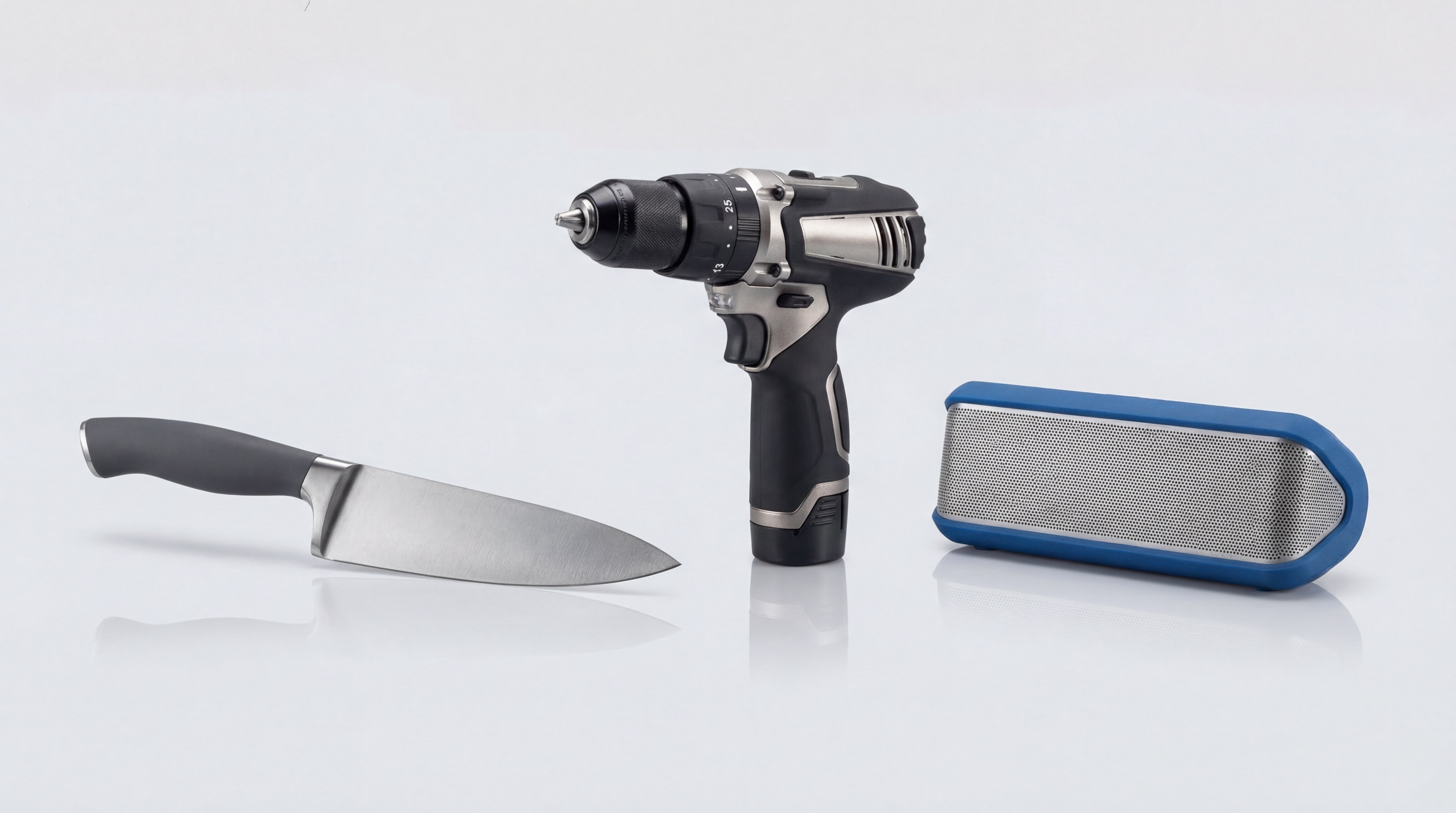
In the medical field, overmolding is used for soft-touch handles on surgical tools and wearable health monitors. In the automotive industry, it provides robust seals for sensors and decorative but functional interior buttons.
Specific market applications?
The versatility of silicone overmolding makes it applicable across nearly every high-tech sector. You won’t believe this: even your daily earbuds and smartwatches rely on this process for their comfort and water resistance. It is the invisible technology that makes modern devices more durable and user-friendly.
- Medical grade components for patient safety.
- Ruggedized electronics for industrial use.
- High-performance seals for new energy vehicles.
| Industry | Typical Application |
|---|---|
| Medical | Sterilizable surgical tool handles |
| Automotive | Waterproof sensor connectors |
| Consumer Tech | Soft-touch earbud housings |
As technology advances, the demand for multi-material components continues to grow, making overmolding a critical manufacturing capability.
Key Takeaway: Silicone overmolding is a foundational technology for the world’s most innovative and demanding industries.
Silicone overmolding solves the critical problems of part failure, poor ergonomics, and high assembly costs. By choosing this process, you can create products that are waterproof, durable, and highly appealing to your customers. We provide the technical expertise and high-precision manufacturing needed to bring your most complex multi-material designs to life. Whether you need medical-grade silicone bonded to high-performance plastics or rugged seals on metal housings, we have the solutions to optimize your supply chain. Contact us today to discuss your next project and see how our integrated molding services can elevate your brand. We are committed to manufacturing excellence and helping you build the next generation of industry-leading hardware.
FAQ
Can I use any plastic for silicone overmolding?
No, you must use plastics that can withstand high temperatures without melting, such as PEEK, Nylon, or glass-filled Polycarbonate.
What is the best silicone for bonding to metal?
Liquid silicone rubber (LSR) is usually the best choice because it flows well and creates a very strong bond when used with the right primers.
Can I overmold silicone onto an existing part?
Yes, this is the core of the process where a pre-molded substrate is placed back into a mold for the silicone application.
Is overmolding cheaper than traditional assembly?
Yes, it is often cheaper in the long run because it eliminates the labor costs of manual gluing or fastening and reduces the part count.
How long does the bond between silicone and the substrate last?
It depends on the quality of the process, but a properly engineered chemical and mechanical bond will typically last for the entire life of the product.