
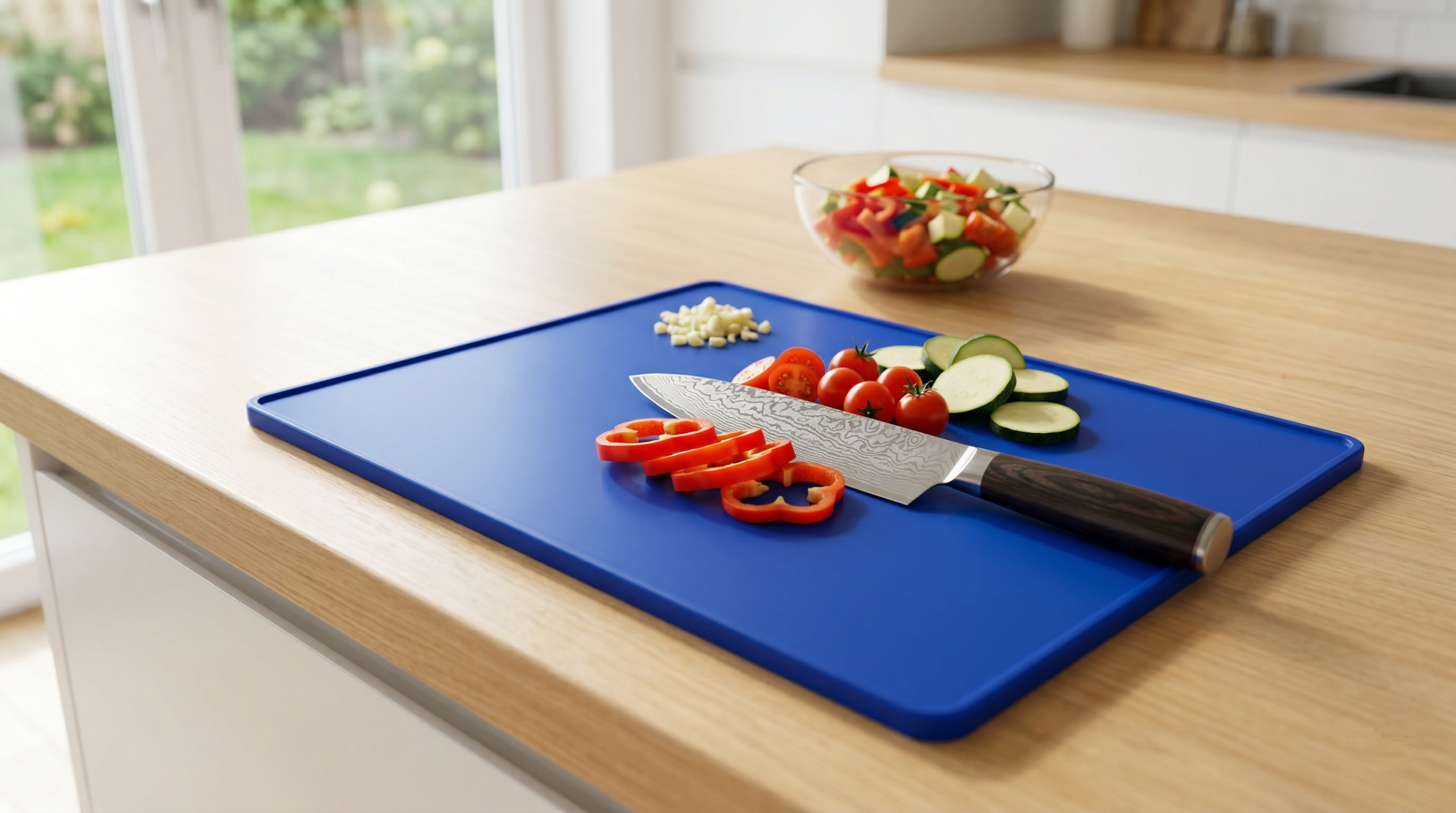
Yes, food-grade silicone cutting boards are generally very safe when sourced from certified manufacturers. Picture this: you are preparing a large family dinner, and you realize your old plastic board is full of deep, hard-to-clean knife grooves. Those hidden bacteria traps can ruin a perfect meal and jeopardize your health. If you want a truly hygienic kitchen, upgrading to Silicone Cutting Boards is the ultimate solution.
1. What Are Silicone Cutting Boards Exactly?
Silicone cutting boards are flexible, non-porous kitchen prep surfaces manufactured from high-quality synthetic rubber. You will quickly discover that Silicone Cutting Boards have evolved into essential tools for modern kitchens. They offer an unprecedented combination of resilience, hygiene, and daily convenience. Food-grade silicone guarantees that these surfaces remain completely free from harmful toxins.
Understanding the Core Material
The primary component is a highly stable synthetic polymer engineered to resist moisture and odors. You can effortlessly fold or bend the board to funnel chopped vegetables directly into a pan. Here is the deal: this unique physical flexibility drastically reduces food spills and improves your cooking efficiency.
- Engineered for maximum flexibility and storage.
- Constructed with a non-porous barrier.
- Designed to be exceptionally lightweight.
Why Are They Gaining Popularity?
These innovative mats are gaining rapid popularity because they address the structural failures of rigid alternatives. Professional chefs keep extra silicone mats nearby to prevent cross-contamination across multiple workstations.
Key Takeaway: Silicone mats provide a highly adaptable, sanitary, and user-friendly foundation for all your culinary preparation needs.
| Material Feature | Silicone Properties | Traditional Counterparts |
| Structural Flexibility | Extremely high and bendable | Rigid and prone to cracking |
| Surface Porosity | 100% non-porous | Becomes porous with knife wear |
| Liquid Absorption | Zero absorption rate | High risk of absorbing meat juices |
This breakdown demonstrates how synthetic rubber materials inherently block moisture absorption compared to older tools.
2. Are Silicone Cutting Boards Safe for Daily Food Prep?
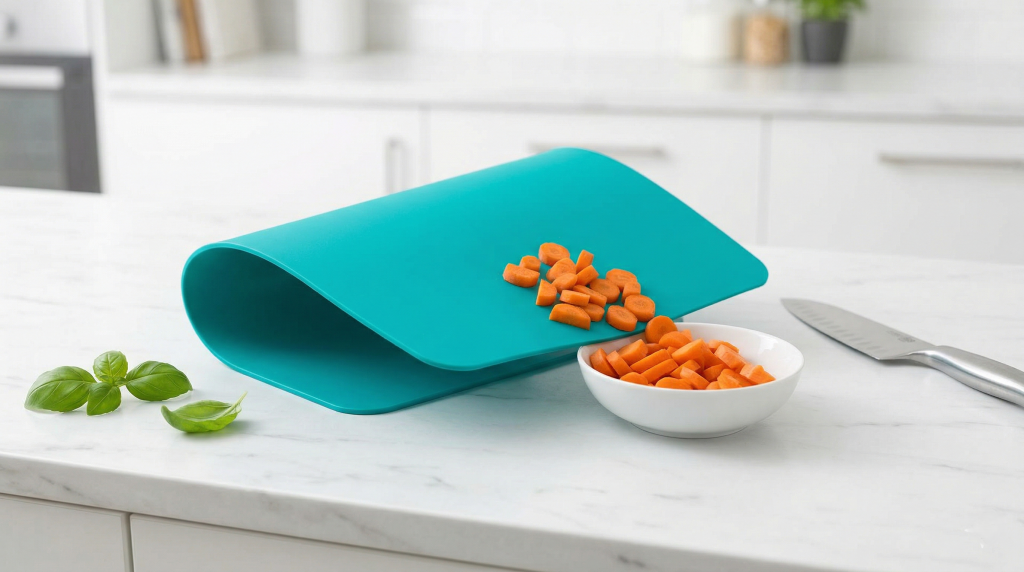
Yes, they are completely safe for daily food preparation when manufactured from certified food-grade materials. Every time you chop ingredients, you can trust that Silicone Cutting Boards will not leach dangerous chemicals. They are inherently BPA-free and do not contain toxic plasticizers. This makes them perfect for processing raw meats and fresh produce safely.
Does It Prevent Bacterial Growth?
A non-porous surface means bacteria cannot penetrate the core of the mat. You can wipe away raw chicken juices without worrying about microscopic contaminants lingering behind. You might be wondering: how does this impact your family’s health? It significantly lowers the risk of foodborne illnesses in your home.
- Completely blocks liquid absorption.
- Prevents microscopic bacteria from hiding.
- Resists stubborn food odors naturally.
Can You Use Them for Baby Food?
Because they are chemically inert, these boards are highly recommended for preparing baby food. You do not have to worry about microplastics breaking off into delicate meals.
Key Takeaway: Certified food-grade silicone delivers unparalleled safety and peace of mind for rigorous daily food preparation.
| Safety Indicator | Silicone Performance | Plastic Performance |
| Chemical Leaching | Zero risk under normal heat | High risk when heated |
| BPA Presence | 100% BPA-free | Often contains BPA traces |
| Microplastic Shedding | Does not shed microplastics | Sheds tiny plastic fragments |
This comparison clearly proves that silicone eliminates the dangerous chemical risks associated with cheap plastic boards.
3. How Do Silicone Boards Compare to Wooden Ones?
Silicone boards are much easier to sanitize and maintain than highly porous wooden alternatives. If you hate oiling butcher blocks, Silicone Cutting Boards offer a maintenance-free solution for your kitchen. Wood requires constant upkeep to prevent cracking, splitting, and bacterial absorption. In contrast, silicone provides a ready-to-use surface every single time.
What Are the Maintenance Differences?
Wooden boards demand regular mineral oil treatments to survive daily kitchen environments. You must hand wash wood carefully to avoid catastrophic warping from excess moisture. What is the real story? Silicone completely eliminates this tedious chore since it is entirely waterproof.
- Zero oiling or conditioning required.
- Will not crack from moisture exposure.
- 100% immune to humidity changes.
Which One Is More Hygienic?
Wood naturally features deep grain patterns that can trap raw meat juices permanently. Synthetic rubber remains perfectly flat and sealed against all liquids.
Key Takeaway: While wood offers classic aesthetics, silicone delivers vastly superior hygiene and completely effortless maintenance.
| Maintenance Task | Silicone Board | Wooden Board |
| Routine Oiling | Never required | Required monthly |
| Dishwasher Safe | Yes, fully safe | No, will warp instantly |
| Odor Retention | Extremely low | Very high for garlic/onions |
This chart highlights the intense labor savings you achieve by switching from wood to synthetic materials.
4. Do Silicone Cutting Boards Dull Your Expensive Knives?
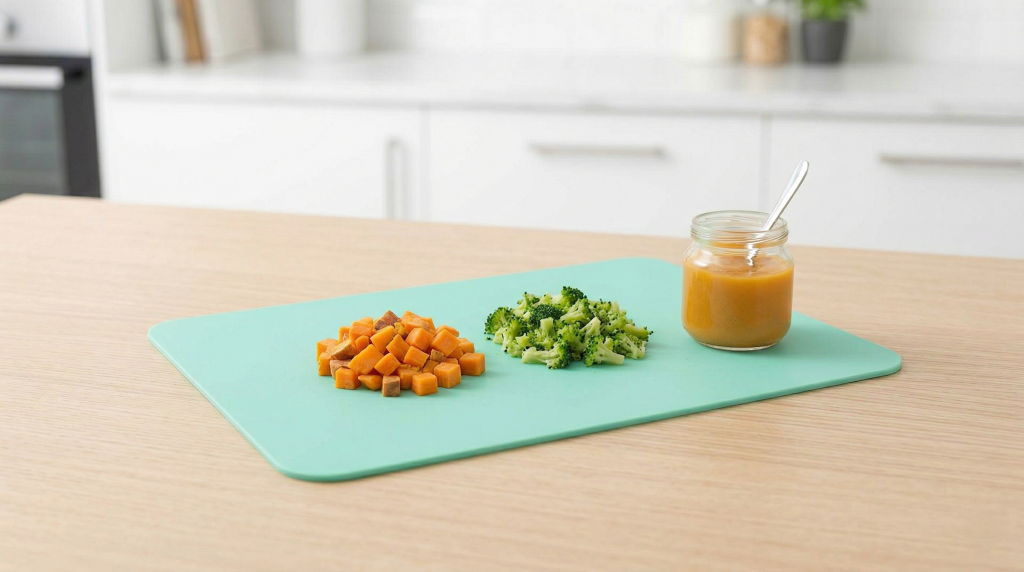
No, these soft surfaces are specifically engineered to protect and preserve your sharp knife edges. High-end blades require forgiving surfaces, and Silicone Cutting Boards absorb the impact of heavy chopping gracefully. Glass and stone surfaces will destroy a professional edge within minutes. Silicone ensures your expensive cutlery requires less frequent sharpening.
How Does Surface Hardness Matter?
The hardness of your chopping block dictates how long your blades stay sharp. You will notice less resistance when slicing through dense root vegetables on softer mats. Ready for the good part? This soft feedback actually improves your cutting precision and speed.
- Absorbs harsh downward chopping force.
- Prevents microscopic blade chipping.
- Maintains edge alignment longer.
Are There Any Trade-offs?
Because the material is gentle on knives, extremely sharp blades might leave minor cosmetic lines. However, these superficial marks rarely compromise the overall integrity of the mat.
Key Takeaway: Choosing a soft synthetic mat is the smartest way to extend the lifespan of your valuable kitchen knives.
| Surface Type | Impact on Knife Edge | Frequency of Sharpening |
| Silicone | Very gentle | Low |
| Glass/Stone | Extremely damaging | Very high |
| Hard Plastic | Moderately dulling | Moderate |
This data confirms that soft synthetic surfaces provide the optimal balance for long-term cutlery protection.
5. Can Silicone Cutting Boards Handle High Temperatures?
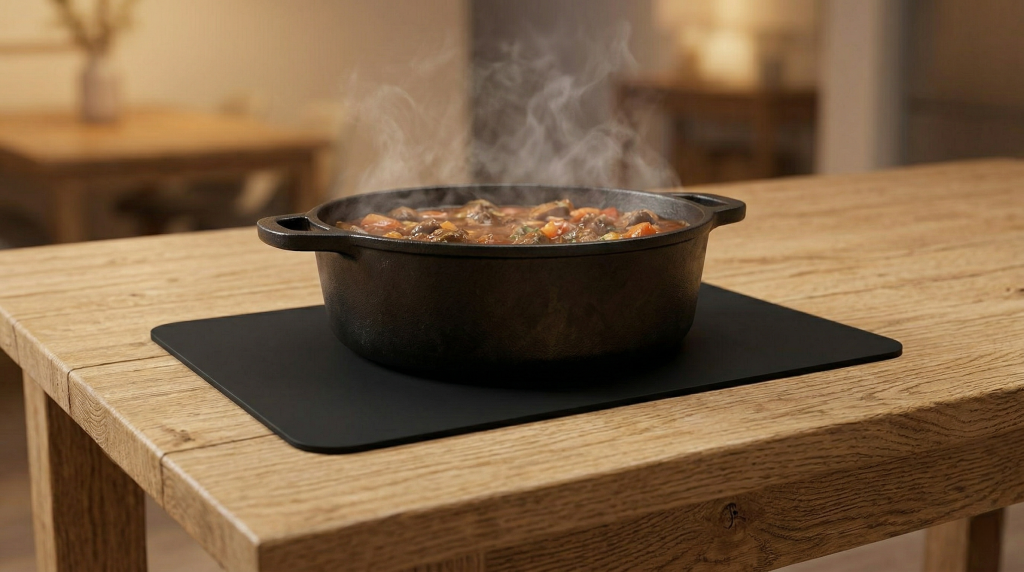
Yes, premium silicone can effortlessly withstand extreme temperatures up to 450°F without melting or warping. This incredible thermal stability makes Silicone Cutting Boards versatile enough to double as protective trivets. You can place boiling pots directly onto the mat without scorching your expensive countertops. It is a dual-purpose tool that saves valuable kitchen space.
How Does Heat Resistance Benefit You?
You can seamlessly transfer the mat from the chopping station to the dining table. This prevents thermal shock damage to delicate glass or marble surfaces. This is where it gets interesting: you can even use them to grip hot pan handles safely.
- Withstands temperatures exceeding 400 degrees.
- Will not melt or fuse to counters.
- Functions perfectly as a large trivet.
Can You Sanitize Them with Boiling Water?
Because of this heat tolerance, you can pour boiling water over them for absolute sterilization. This feature is indispensable for commercial kitchens strictly adhering to health codes.
Key Takeaway: Exceptional heat resistance elevates these mats from simple chopping blocks to multifunctional kitchen protectors.
| Thermal Property | Silicone Tolerance | Plastic Tolerance |
| Maximum Heat | Up to 450°F (230°C) | Around 180°F (82°C) |
| Melting Risk | Zero under normal use | High if touching hot pans |
| Boiling Water | Safe for sterilization | May warp permanently |
This parameter list showcases the massive thermal superiority of synthetic rubber over standard plastic options.
6. How Easy Is It to Sanitize Silicone Boards?
It is incredibly easy to sanitize them since they are entirely dishwasher safe and heat resistant. You will save countless hours of scrubbing because Silicone Cutting Boards release food particles instantly. Unlike wood, they will not warp, splinter, or degrade under the intense heat of a dishwasher cycle. This convenience is crucial for busy families and culinary professionals.
What Is the Best Cleaning Method?
For light usage, a quick rinse with warm soapy water removes all debris immediately. For heavy raw meat processing, placing them on the bottom rack of your dishwasher is ideal. But here is the kicker: the material dries exceptionally fast, preventing mold buildup.
- 100% dishwasher safe design.
- Releases sticky residue instantly.
- Dries rapidly without water spots.
Do They Retain Strong Odors?
Garlic and fish oils easily wash away without leaving permanent residual smells. If an odor lingers, a simple baking soda paste neutralizes it within minutes.
Key Takeaway: The ability to withstand harsh dishwasher cycles makes these mats the easiest prep surfaces to keep surgically clean.
| Cleaning Method | Silicone Compatibility | Wooden Compatibility |
| Dishwasher Cycle | Highly recommended | Strictly prohibited |
| Bleach Solution | Safe for occasional use | Damages wood fibers |
| Hot Water Soak | Perfectly safe | Causes severe warping |
This cleaning comparison illustrates why busy chefs prefer synthetic materials for rapid and reliable sanitation.
7. Are Silicone Cutting Boards Truly Eco-Friendly?
Yes, they are highly sustainable because they last significantly longer than disposable plastic sheets. By investing in durable Silicone Cutting Boards, you drastically reduce the frequency of throwing away damaged goods. While not biodegradable, their extended lifecycle prevents constant waste generation in landfills. They represent a responsible choice for environmentally conscious consumers.
How Long Do They Last?
A high-quality mat can survive years of rigorous daily chopping before needing replacement. You reduce your carbon footprint simply by buying fewer replacement items over a decade. Think about it: replacing one board every five years beats throwing away plastic every six months.
- Exceptionally long product lifecycle.
- Reduces frequent manufacturing waste.
- Prevents microplastic environmental pollution.
Can You Recycle Them?
Many specialized recycling facilities now accept synthetic rubber for repurposing into industrial products. Although not accepted in standard curbside bins, dedicated recycling programs make responsible disposal entirely possible.
Key Takeaway: Longevity and durability make synthetic rubber a far more sustainable long-term choice than cheap disposable plastics.
| Sustainability Factor | Silicone Impact | Thin Plastic Impact |
| Usable Lifespan | 3 to 5 years | 6 to 12 months |
| Microplastic Shedding | None | Continuous shedding |
| Landfill Contribution | Very low volume | High volume over time |
This ecological summary clearly shows that investing in durable materials ultimately protects the environment from excess waste.
8. What Are the Hidden Drawbacks of Silicone Boards?
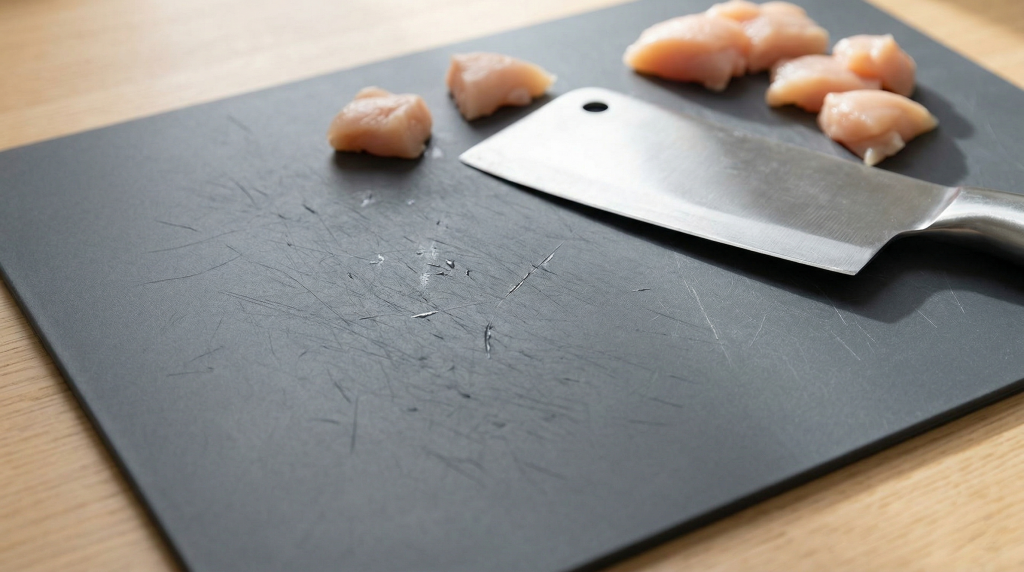
The main drawback is that extremely aggressive chopping can eventually create deep surface gouges. Despite their durability, Silicone Cutting Boards are not entirely indestructible against heavy meat cleavers. If you frequently hack through thick bone, you might puncture the flexible material. It is important to match the tool to the appropriate culinary task.
Does Flexibility Cause Spills?
The very flexibility that makes them great can sometimes cause accidents during transportation. If you overload the mat with heavy wet ingredients, it might buckle while carrying it. Truth be told: using a supportive tray underneath solves this minor inconvenience instantly.
- Susceptible to heavy cleaver strikes.
- Can bend under extremely heavy loads.
- May show cosmetic slicing lines.
Are They Slippery on Counters?
Some thinner models lack adequate grip and might slide on wet polished granite. You should always ensure your chosen model features a textured or reinforced non-slip backing.
Key Takeaway: Understanding these minor limitations ensures you use the mats correctly and maximize their impressive functional lifespan.
| Potential Drawback | Impact Level | Easy Solution |
| Cleaver Damage | High | Use a dedicated butcher block |
| Bending/Spilling | Moderate | Carry with two hands |
| Counter Slipping | Low | Buy models with grip backing |
This troubleshooting table provides practical solutions to the few minor disadvantages associated with flexible kitchen mats.
9. How Do You Choose the Best Silicone Board?
You should always look for FDA-approved certifications, sufficient thickness, and textured anti-slip backings. The market is flooded with cheap imitations, so finding premium Silicone Cutting Boards requires careful attention. A quality product will feel dense and substantial rather than flimsy and easily torn. Proper research guarantees you receive all the promised hygienic benefits.
What Features Matter Most?
Thickness is crucial because thicker mats provide better knife protection and resist deep gouges. You also want a built-in juice groove to catch liquids from resting meats. Why does this matter? A juice groove keeps your countertops pristine and reduces post-cooking cleanup time.
- Verify FDA or LFGB food-grade status.
- Prioritize mats thicker than 0.25 inches.
- Ensure the presence of a juice groove.
Does Color Coding Help?
Purchasing a multicolored set is highly recommended for strict household hygiene. You can dedicate red for meat and green for vegetables to completely eradicate cross-contamination risks.
Key Takeaway: Prioritizing certified materials and smart design features ensures you purchase a board that elevates your cooking experience.
| Buying Criteria | Premium Boards | Cheap Imitations |
| Material Purity | 100% Food-grade | Mixed with fillers |
| Thickness Level | 0.25 inches or more | Paper-thin |
| Juice Groove | Always included | Rarely included |
This buyer’s guide table emphasizes the critical features you must verify before investing in your new kitchen equipment.
10. Is Switching to Silicone Cutting Boards Worth It?
Yes, switching is absolutely worth the investment for anyone prioritizing kitchen hygiene and convenience. Once you experience the effortless cleanup, Silicone Cutting Boards become impossible to cook without. They eliminate the anxiety of bacterial contamination and protect your expensive chef’s knives simultaneously. It is a minor kitchen upgrade that delivers massive daily dividends.
Will It Change Your Routine?
You will spend less time scrubbing stubborn stains and more time enjoying your meals. The ability to fold the mat and funnel ingredients makes cooking feel incredibly professional. Let me explain: this simple physical advantage streamlines your entire workflow from prep to plating.
- Saves hours of strenuous dishwashing.
- Protects valuable kitchen cutlery investments.
- Provides ultimate peace of mind.
Is It Good for Commercial Use?
Restaurants increasingly adopt these mats to comply with strict international health and safety codes. If they can withstand chaotic commercial environments, they will easily conquer your home kitchen.
Key Takeaway: Transitioning to synthetic rubber surfaces is a strategic, health-conscious decision that fundamentally improves your culinary lifestyle.
| Benefit Category | Daily Lifestyle Impact | Long-term Value |
| Hygiene | Massively improved | Prevents illnesses |
| Convenience | Saves 10 mins per meal | Reduces kitchen stress |
| Financial | Low initial cost | Saves money on knives |
This final value assessment proves that the operational benefits of flexible mats far outweigh their affordable initial purchase price.
To summarize, upgrading your kitchen tools is a vital step toward safer, faster, and more enjoyable meal preparation. By eliminating bacterial traps and tedious maintenance, these flexible mats solve your most frustrating culinary challenges. We are dedicated to delivering world-class, rigorously tested products that transform your daily operations. If you are ready to experience this ultimate convenience, contact us today to explore our premium manufacturing capabilities. Our vision is to engineer flawless, health-conscious solutions that empower every cook to achieve absolute excellence.
FAQ
Q1: Can I place hot pans directly on these mats?
Yes, they are highly heat resistant. Because premium synthetic rubber can withstand temperatures up to 450°F, they function perfectly as protective trivets.
Q2: What’s the best way to clean strong odors from them?
Rinsing them immediately and using a dishwasher is best. If garlic or fish smells persist, rubbing a simple paste of baking soda and water neutralizes the odor entirely.
Q3: How do I know if my board is actually food-grade?
Look for explicit FDA or LFGB certification markings. Genuine food-grade products will not turn white when pinched or twisted, proving they contain no cheap plastic fillers.
Q4: Can I use heavy cleavers on these flexible surfaces?
No, you should avoid heavy hacking. While they resist standard slicing beautifully, immense downward force from a bone cleaver can puncture the soft material.
Q5: What’s the best method to stop the mat from sliding?
Ensure your counter is completely dry before placement. Alternatively, placing a damp paper towel underneath the mat locks it firmly against the countertop for ultimate stability.