
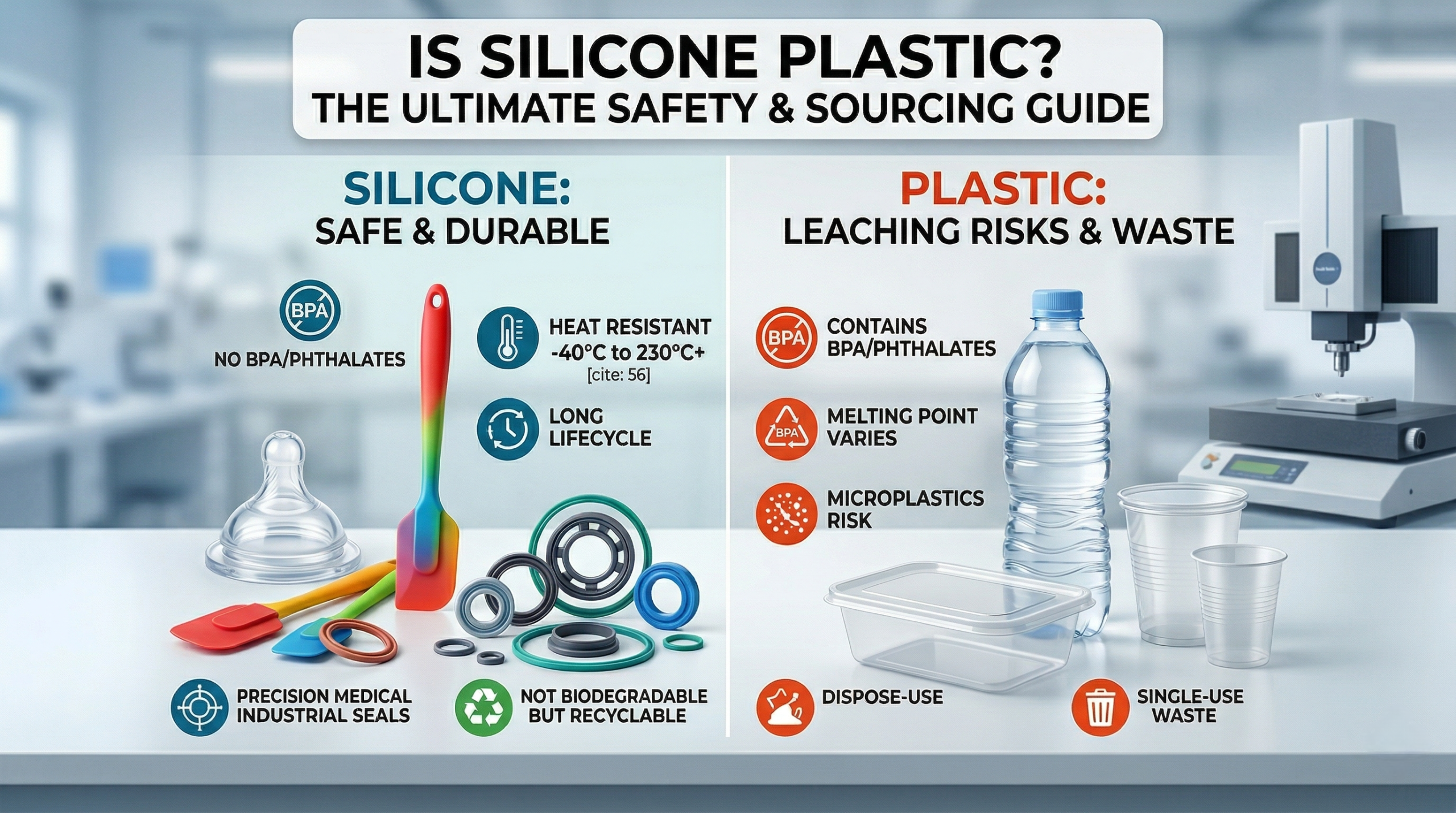
No, silicone is not plastic; it is a synthetic polymer made from silica (sand), which gives it an inorganic backbone unlike petroleum-based plastics. You likely face significant pressure to replace traditional plastics with safer, more durable materials as consumer awareness grows regarding chemical leaching. The fear of toxins like BPA or microplastics can paralyze your product development, potentially damaging your brand reputation if you choose the wrong polymer. By learning how to source silicone products from China, you can access high-quality, biocompatible materials that solve safety concerns while meeting strict industrial performance standards.
Is Silicone Actually a Type of Plastic Material?
No, silicone is a synthetic rubber-like material that belongs to the siloxane family, making it chemically distinct from standard plastics. When you investigate how to source silicone products from China, you will find that its silicon-oxygen backbone provides unique properties. This structure allows the material to remain stable where petroleum-based alternatives would fail.
The Chemical Foundation of Silicone
Silicone is derived from silica, a primary component of natural sand and quartz.
Think about this:
- It uses an inorganic Si-O-Si backbone.
- Carbon and hydrogen side groups are added for flexibility.
- The curing process creates a permanent cross-linked structure.
- It is classified as a thermoset, not a thermoplastic.
Thermoset vs. Thermoplastic Polymers
Unlike plastic, silicone does not melt back into a liquid state after it has been fully cured.
You might be wondering:
- Plastics can often be remelted and reshaped multiple times.
- Silicone undergoes a chemical change during molding that is irreversible.
- This provides superior dimensional stability in harsh environments.
- High-grade resins are essential for maintaining these specific properties.
Key Takeaway: Silicone is a “hybrid” material that offers the flexibility of rubber with the chemical stability of glass, setting it apart from crude-oil-based plastics.
| Property | Silicone (Thermoset) | Plastic (Thermoplastic) |
|---|---|---|
| Primary Source | Silica / Sand | Petroleum / Crude Oil |
| Melting Point | None (charred at extreme heat) | Varies (often melts at low heat) |
| Chemical Stability | Extremely High | Moderate to Low |
| Toxicity Profile | Inert and Non-reactive | Potential for leaching additives |
This comparison highlights why silicone is increasingly preferred for applications where material integrity and safety are non-negotiable.
Why Is Silicone Considered Safer Than Standard Plastic?
Silicone is considered safer than plastic because it is chemically inert and does not leach endocrine-disrupting chemicals into its surroundings. As you refine your plan on how to source silicone products from China, safety certifications become your most valuable asset. The absence of heavy metals and plasticizers makes it a primary choice for sensitive applications.
Elimination of Leaching Risks
Standard plastics often contain additives like BPA and phthalates that can migrate into food or the body.
Here is the deal:
- Silicone lacks these harmful organic plasticizers.
- It does not react with acidic or oily substances.
- The material remains stable across a wide pH range.
- It provides a hypoallergenic surface for skin contact.
Structural Integrity Under Stress
Silicone maintains its chemical bonds even when subjected to mechanical stress or UV exposure.
The best part?
- It does not crack or become brittle over time.
- No microplastics are released through surface degradation.
- The surface remains smooth and non-porous.
- It resists the growth of mold and bacteria naturally.
Key Takeaway: The inherent chemical stability of silicone ensures that your products remain non-toxic and reliable throughout their entire lifecycle.
| Safety Factor | Silicone Performance | Plastic Performance |
|---|---|---|
| BPA/Phthalates | Naturally Absent | Often used as additives |
| Leaching | Minimal to None | High risk at high temps |
| Microplastics | Does not shed micro-particles | Significant contributor to waste |
| Biocompatibility | High (Medical Grade) | Variable (Often Low) |
Understanding these safety margins is essential for engineers who need to justify material costs against long-term liability risks.
Does Food-Grade Silicone Contain Harmful Chemicals?
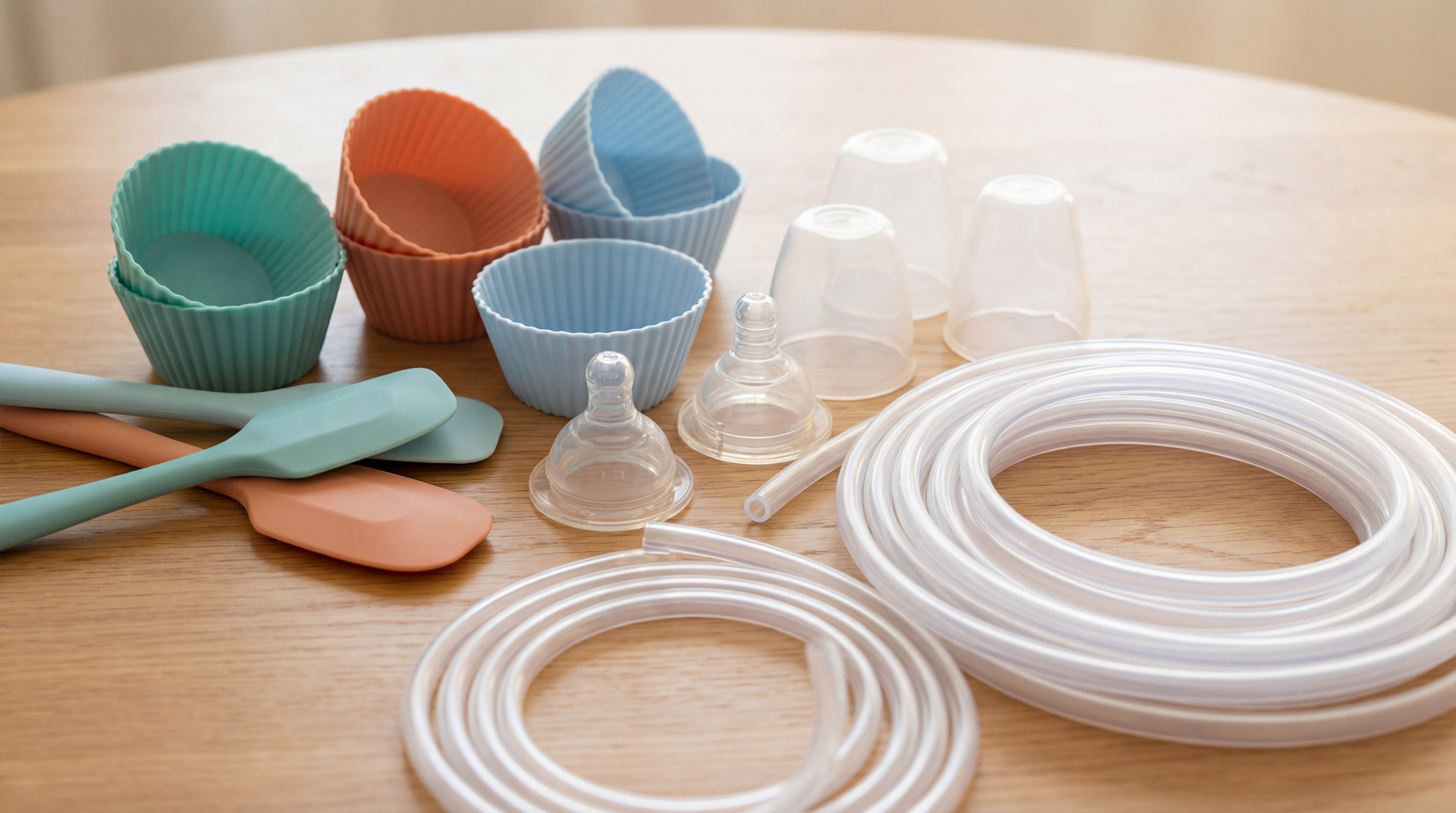
High-quality food-grade silicone is entirely non-toxic and manufactured to meet strict international standards for food contact safety. Understanding how to source silicone products from China requires a focus on FDA and LFGB compliance. These regulations ensure that the material will not contaminate your food during baking or storage.
Compliance with FDA and LFGB Standards
Manufacturers must follow rigorous protocols to ensure their silicone is safe for consumers.
It gets better:
- FDA standards are the baseline for the US market.
- LFGB (German) standards are stricter and preferred in Europe.
- Testing involves measuring volatile organic compounds (VOCs).
- Platinum-cured silicone is the gold standard for purity.
Resistance to Flavor Transfer
Because silicone is non-porous, it does not absorb or release odors and flavors into food.
Believe it or not:
- You can switch between savory and sweet items without residue.
- The material does not stain easily compared to plastics.
- It cleans easily with standard detergents or dishwashers.
- High-purity grades prevent the “soapy” taste found in low-quality fillers.
Key Takeaway: Genuine food-grade silicone is a high-purity material that provides a safe, odorless, and neutral environment for all culinary applications.
| Regulation | Market Focus | Testing Rigor |
|---|---|---|
| FDA | United States | High (Extraction testing) |
| LFGB | Europe / Germany | Very High (Sensory testing) |
| RoHS | International | Heavy metal restriction |
| REACH | Europe | Chemical substance tracking |
Evaluating these standards helps you distinguish between premium manufacturers and those using unauthorized fillers or low-grade catalysts.
Can Silicone Withstand High Temperatures Better Than Plastic?
Yes, silicone is exceptionally heat-resistant and can operate continuously at temperatures where most plastics would melt or deform. When you consider how to source silicone products from China, you must specify your thermal requirements clearly. This heat stability makes it indispensable for automotive, aerospace, and kitchenware industries.
Extreme Temperature Ranges
Silicone remains flexible and functional in environments ranging from -40°C to over 230°C.
Wait, there’s more:
- It does not become brittle in commercial freezers.
- It stays rigid enough to function in high-heat ovens.
- Thermal expansion is minimal compared to organic rubbers.
- It provides excellent insulation for electrical components.
Fire Safety and Fume Production
Silicone does not catch fire easily and does not release toxic halogen gases when exposed to flame.
Look at this:
- It is often rated for high-flammability standards like UL 94-V0.
- Combustion primarily results in harmless white silica ash.
- It emits significantly less smoke than traditional polymers.
- This makes it safer for enclosed industrial environments.
Key Takeaway: Silicone’s ability to maintain physical properties under thermal stress makes it a superior engineering choice for high-heat applications.
| Thermal Aspect | Silicone Performance | Plastic (PE/PP) |
|---|---|---|
| Max Service Temp | 230°C+ | 80°C – 120°C |
| Min Service Temp | -60°C | -20°C (becomes brittle) |
| Melting Behavior | Does not melt (chars) | Melts and flows |
| Insulation | High Dielectric Strength | Moderate |
Analyzing the thermal profile of your material ensures that your final product can withstand real-world usage without failure or safety risks.
Is Liquid Silicone Rubber Better for Precision Parts?
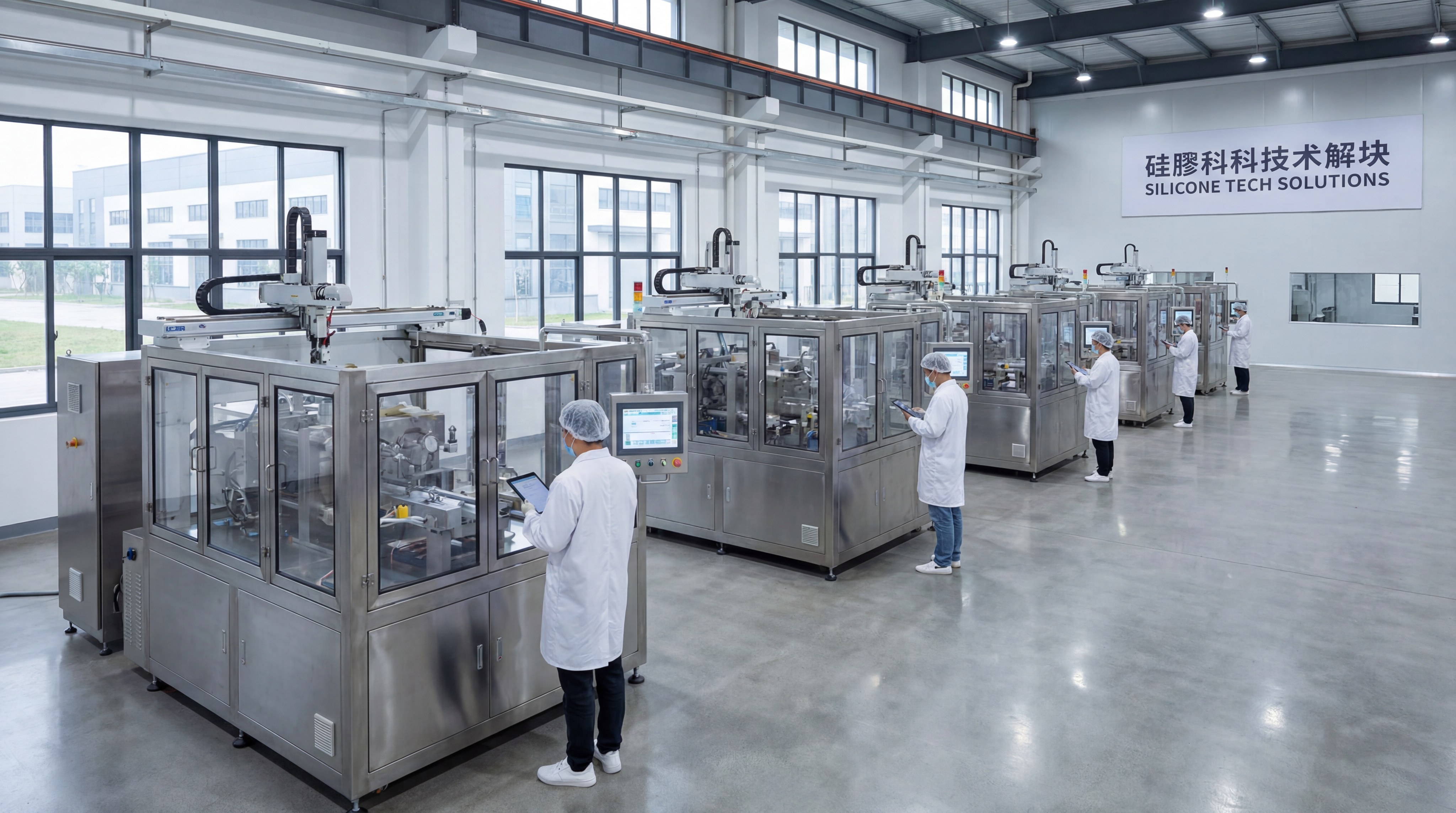
Liquid Silicone Rubber (LSR) is the superior choice for high-precision components due to its low viscosity and ability to fill complex mold details. When learning how to source silicone products from China, you will find that LSR molding is highly automated. This results in faster cycle times and significantly higher part consistency for your business.
Benefits of High-Precision LSR Molding
The injection process for LSR allows for extremely tight tolerances that compression molding cannot achieve.
The bottom line:
- Flash-less molding reduces the need for secondary trimming.
- Complex internal geometries are easily reproducible.
- It is ideal for micro-sized parts used in electronics.
- Consistency remains high across millions of cycles.
Automated Production and Scalability
LSR systems are designed for high-volume manufacturing with minimal human intervention.
Here is why it matters:
- Integrated dosing systems ensure perfect material mixing.
- Closed-loop controls monitor pressure and temperature in real-time.
- Labor costs are lower due to advanced automation.
- Turnaround times for large orders are significantly reduced.
Key Takeaway: LSR molding provides the technical precision and scalability required for high-tech industries like medical devices and consumer electronics.
| Feature | LSR Injection | Solid Silicone Molding |
|---|---|---|
| Precision | Very High (+/- 0.05mm) | Moderate |
| Automation | Fully Automated | Often Semi-Manual |
| Cycle Time | Short (Seconds) | Long (Minutes) |
| Waste Level | Minimal / Flash-less | Higher (Overflow) |
Choosing the right molding technology is the most critical factor in balancing part complexity with your overall production budget.
How Does Silicone Impact the Environment vs. Plastic?
Silicone is more environmentally friendly than plastic because its extreme durability prevents the “disposable” culture associated with petroleum-based materials. While figuring out how to source silicone products from China, you should focus on the lifecycle benefits of your material choice. Its mineral-based origin and lack of microplastic shedding offer a more sustainable path for long-term manufacturing.
Durability and Long Lifecycle
Silicone products can last for decades without degrading, significantly reducing the amount of waste sent to landfills.
Think about this:
- One silicone bag can replace thousands of single-use plastic bags.
- It does not break down into toxic micro-particles.
- The material is resistant to oxidation and ozone.
- It maintains its utility through thousands of wash cycles.
Recyclability and End-of-Life
While not curbside recyclable, silicone can be down-cycled into industrial lubricants or playground surfaces.
It’s a game-changer:
- Specialized facilities can grind and repurpose old silicone.
- It does not contaminate traditional plastic recycling streams.
- Manufacturers can often take back scraps for repurposing.
- It represents a move toward a circular manufacturing economy.
Key Takeaway: The long-term durability of silicone makes it a powerful tool for brands looking to reduce their total environmental footprint.
| Sustainability Metric | Silicone | Single-Use Plastic |
|---|---|---|
| Resource Base | Silica (Abundant) | Petroleum (Finite) |
| Reusability | Extremely High | Low to Zero |
| Biodegradability | No (Inert) | No (Breaks into microplastics) |
| Waste Contribution | Low due to lifespan | High |
This data confirms that investing in durable silicone components contributes to a more sustainable product strategy than relying on cheap plastics.
What Are the Primary Uses for Medical-Grade Silicone?
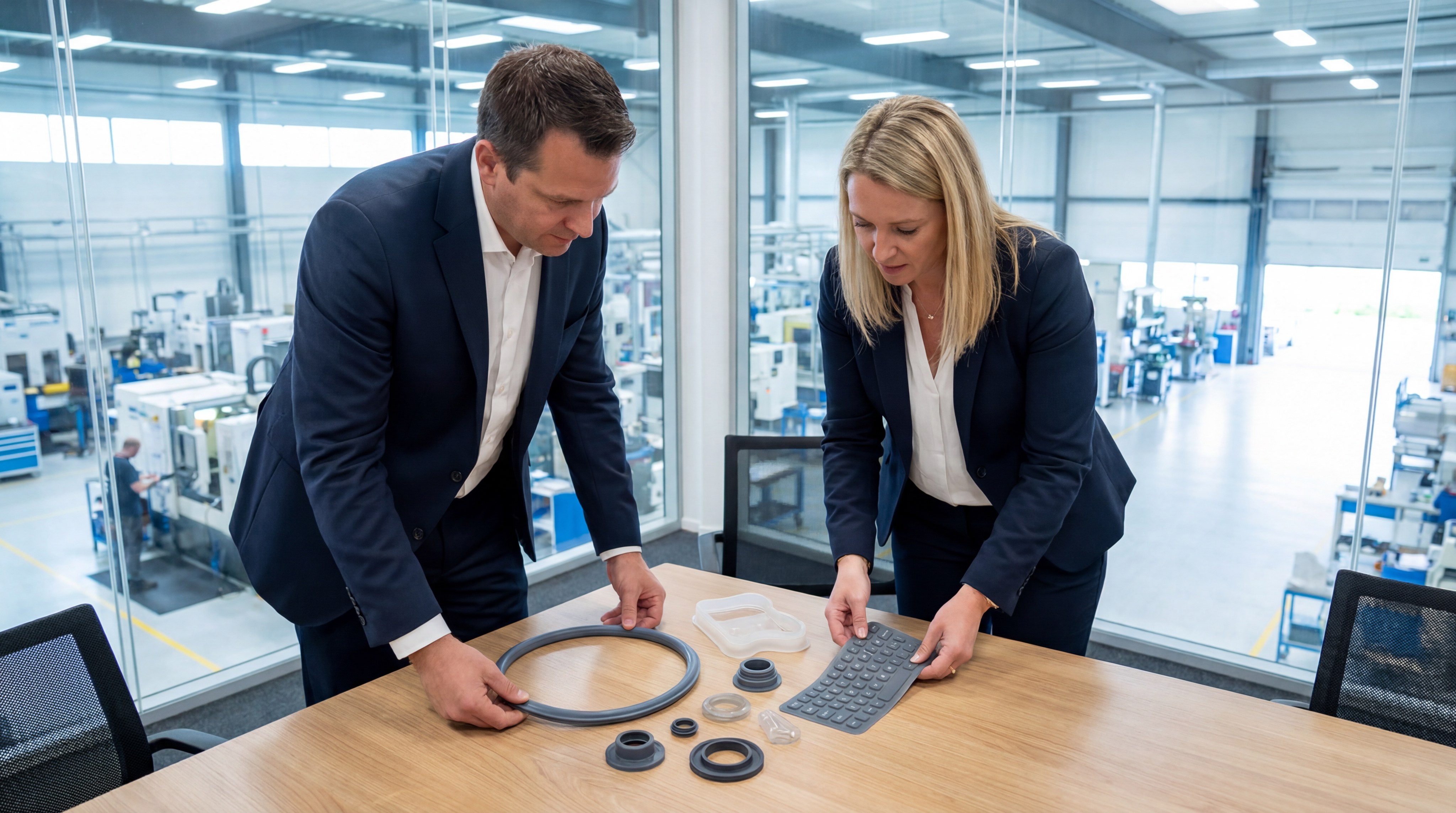
Medical-grade silicone is the industry standard for biocompatible components, including surgical tubing, implants, and wearable health monitors. When you explore how to source silicone products from China, you must prioritize ISO 13485 certified facilities. These factories maintain the cleanroom environments necessary for producing contamination-free medical parts.
Biocompatibility and Patient Safety
Silicone is one of the most tested materials for human contact and long-term implantation.
Check this out:
- It does not cause allergic reactions in most patients.
- The material is resistant to body fluids and enzymes.
- It can be formulated with different hardness levels (Durometer).
- High transparency allows for easy fluid monitoring in tubing.
Resistance to Sterilization Methods
Medical devices must withstand harsh cleaning processes without losing their physical properties.
The reality is:
- Silicone is compatible with steam autoclaving.
- It resists degradation from gamma radiation.
- Ethylene oxide (EtO) sterilization does not affect it.
- This allows for safe, repeated use in clinical settings.
Key Takeaway: The combination of biocompatibility and sterilization resilience makes silicone the safest choice for life-critical medical applications.
| Medical Application | Preferred Silicone Type | Why? |
|---|---|---|
| Surgical Tubing | LSR / Peroxide Cured | Clarity and Kink-resistance |
| Implants | Long-term Implant Grade | Chemical Inertness |
| Respiratory Masks | Soft LSR (30-40 Shore A) | Skin Comfort and Seal |
| Gaskets/Seals | High-Consistency Rubber | Durable Fluid Barrier |
This summary illustrates the versatility of silicone across various medical disciplines, where failure is not an option.
Is Compression Molding Cost-Effective for Large Silicone Parts?
Compression molding is the most cost-effective method for sourcing large, simple silicone shapes or low-volume custom orders. As you learn how to source silicone products from China, you will realize that this method requires much lower initial investment in tooling. It is the practical choice for products like large gaskets, mats, and industrial seals.
Lower Upfront Tooling Costs
The molds used in compression processes are simpler and faster to manufacture than complex injection molds.
Here is the catch:
- It is ideal for prototyping and small batch runs.
- Tooling maintenance is generally less expensive.
- You can use a wider range of high-consistency rubbers.
- It allows for easy color changes between production batches.
Managing Large Component Production
Compression molding excels at producing thick-walled parts that might struggle with injection shrinkage.
Keep this in mind:
- Pressure is applied directly to the pre-formed material.
- It is easier to mold parts with metal or plastic inserts.
- The process is highly reliable for simple geometric shapes.
- High-volume cavitation is possible for small, simple parts.
Key Takeaway: For projects prioritizing low startup costs or large physical dimensions, compression molding remains a highly efficient production strategy.
| Factor | Compression Molding | LSR Injection |
|---|---|---|
| Initial Tooling Cost | Low to Moderate | High |
| Setup Time | Fast | Slower |
| Best Volume | Low to Medium | High to Very High |
| Part Size | Excellent for Large Parts | Limited by Machine Size |
This table provides a clear roadmap for deciding which manufacturing process aligns best with your current project scope and budget.
How Can You Verify Silicone Quality from Manufacturers?
Verifying quality requires a combination of reviewing third-party certifications and conducting rigorous in-house material testing. To successfully master how to source silicone products from China, you must demand transparency from your supply chain partners. A reliable manufacturer will provide full traceability for every batch of raw material used.
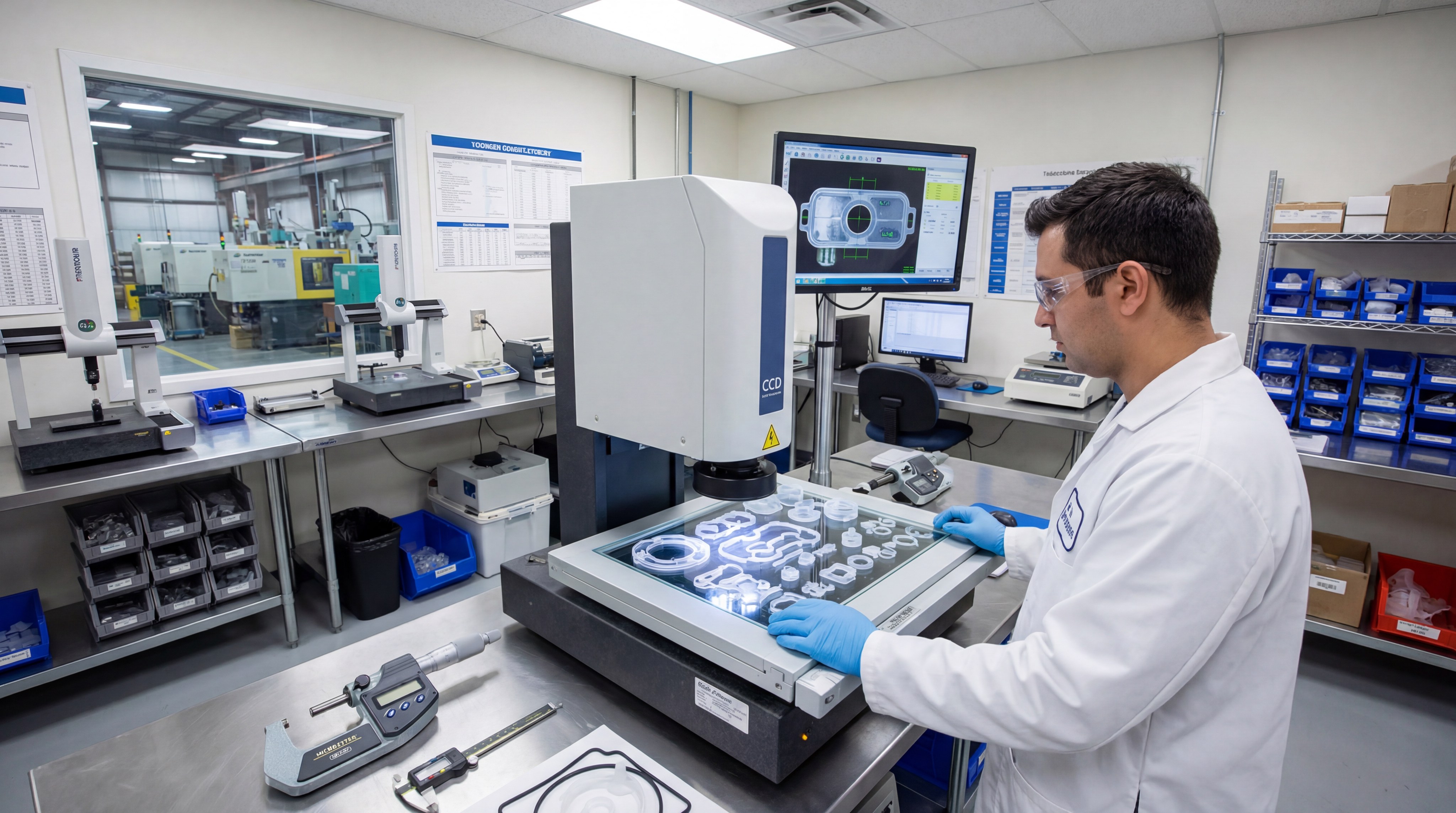
Critical Factory Certifications
You should only partner with factories that maintain internationally recognized quality management systems.
Don’t miss this:
- ISO 9001 ensures consistent quality management.
- ISO 13485 is mandatory for medical-grade production.
- IATF 16949 is required for automotive silicone parts.
- Ensure they have valid FDA or LFGB test reports.
Material Property Testing
Requesting physical samples for testing is the only way to confirm the manufacturer is not using cheap fillers.
Take note:
- Perform a “twist test” to check for white stress marks (a sign of fillers).
- Verify the durometer (hardness) matches your specifications.
- Conduct heat resistance tests in controlled environments.
- Check for “blooming” or residue on the surface of the parts.
Key Takeaway: Rigorous verification through documentation and physical testing protects your brand from material failure and safety recalls.
| Test Type | Objective | Result Indicators |
|---|---|---|
| Hardness (Shore A) | Verify Flexibility | ±5 point tolerance |
| Tensile Strength | Measure Durability | Minimum MPa threshold |
| Compression Set | Test Recovery | % deformation after load |
| Outgassing | Check for VOCs | Weight loss percentage |
This structured approach to quality assurance ensures that the products you receive meet your engineering and safety requirements every time.
Why Should You Choose Silicone Over Plastic for New Products?
Choosing silicone gives your product a competitive edge through superior durability, higher safety standards, and a premium tactile feel. Researching how to source silicone products from China reveals that silicone often outperforms plastic in long-term value. Your customers will appreciate the longevity and non-toxic nature of the material, leading to higher brand loyalty.
Enhanced Consumer Perception
Silicone is perceived as a “premium” and “eco-friendly” material compared to cheap, disposable plastics.
You’ll love this:
- The soft-touch surface feels high-end and comfortable.
- It communicates a commitment to safety and quality.
- Vivid colors stay bright and do not fade over time.
- It is a selling point for health-conscious demographics.
Reducing Long-Term Product Failure
Silicone’s resistance to environmental factors means fewer returns and warranty claims for your business.
It gets better:
- It does not yellow or degrade under sunlight.
- Seals remain airtight and leak-proof for years.
- It survives repeated impacts without shattering.
- This lowers your overall cost of quality over time.
Key Takeaway: Transitioning from plastic to silicone is a strategic move that enhances product performance, safety, and marketability.
| Product Benefit | Silicone Advantage | Plastic Limitation |
|---|---|---|
| Longevity | Decades of use | Often months to years |
| User Experience | Soft, flexible, and safe | Rigid, cold, and suspicious |
| Market Positioning | Sustainable / Premium | Disposable / Commodity |
| Reliability | Consistent in all climates | Brittle in cold / Soft in heat |
By choosing silicone, you are investing in a material that supports both the technical requirements of your design and the emotional expectations of your customers.
Conclusion
Understanding that silicone is not plastic is the first step toward creating safer, more resilient products for your market. Throughout this guide, we have explored the chemical differences, safety benefits, and manufacturing processes that make silicone a superior alternative to traditional polymers. By focusing on quality verification and choosing the right molding partner, you can navigate the complexities of global procurement with confidence. If you are ready to elevate your product line with high-performance materials, contact us today to discuss your custom project requirements and receive a professional engineering review.
Frequently Asked Questions
Can I use silicone in a microwave or oven?
Yes, silicone is microwave and oven safe up to 230°C (446°F) because it is a thermoset material that does not melt or release toxic fumes when heated.
What’s the best way to clean silicone products?
The best way to clean silicone is with warm soapy water or in a dishwasher, as its non-porous surface resists bacterial growth and does not absorb stains.
How do I tell if silicone is pure or contains fillers?
You can tell by performing a “pinch test”; if the silicone turns white when twisted or pinched, it likely contains cheap chemical fillers rather than being 100% pure.
Is silicone biodegradable like some new bioplastics?
No, silicone is not biodegradable, but its extreme durability makes it more sustainable than plastic because it lasts much longer and does not break down into microplastics.
Why is silicone more expensive than common plastic?
Silicone is more expensive because its raw material (silica) and the complex manufacturing processes required to create it are more costly than simple petroleum refining.