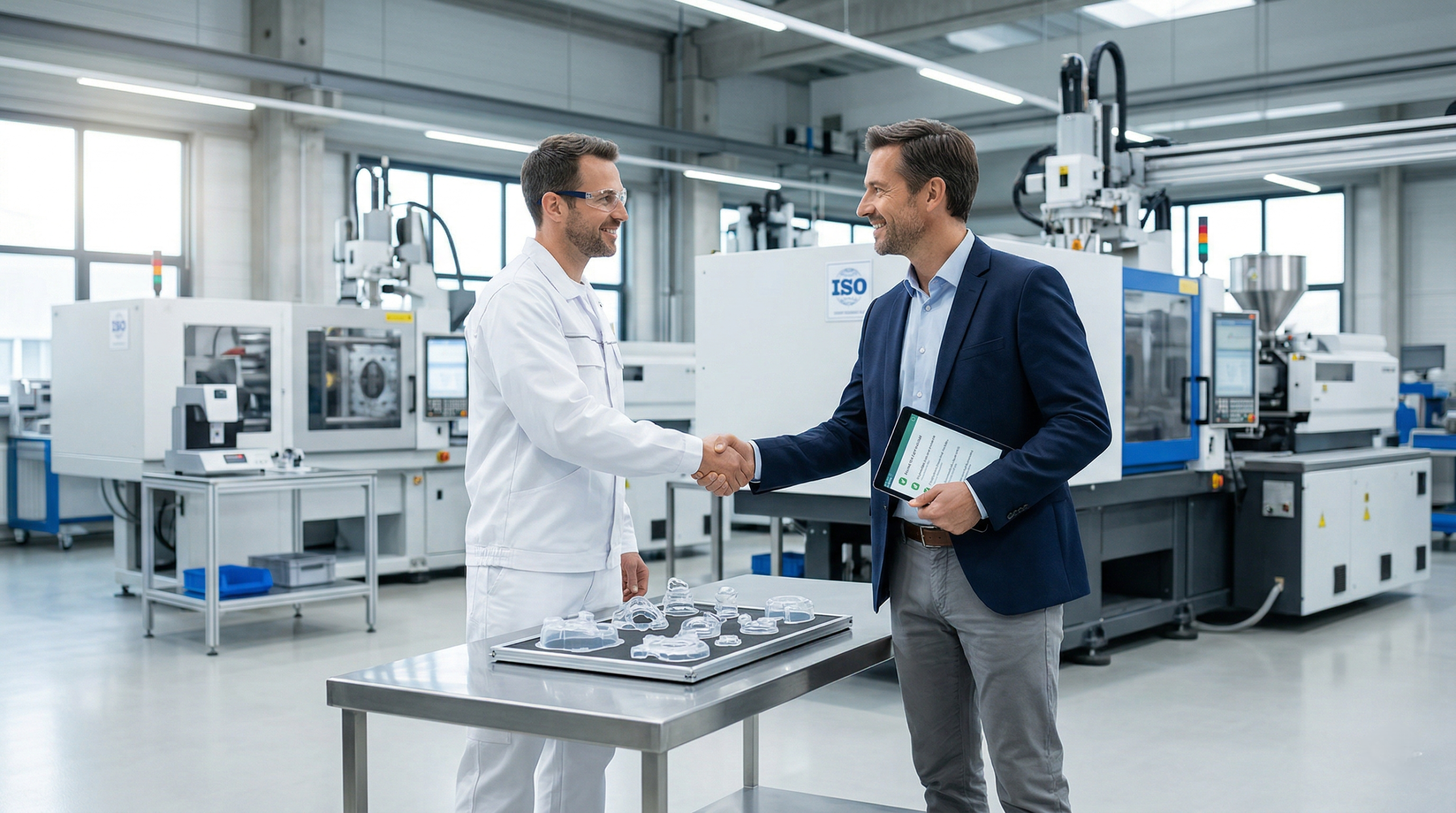
Finding the right factory requires identifying your exact project specifications, matching them with verified supplier capabilities, and establishing clear communication channels. Sourcing custom parts often causes immense frustration when initial prototypes fail or mass production yields inconsistent results. A minor defect wastes weeks of time and ruins your budget completely. Fortunately, a structured evaluation method prevents these costly delays entirely. Relying on verified production data and strict quality certifications guarantees consistent results for your projects. Understanding how to choose silicone manufacturer helps you secure a reliable partner seamlessly.
What Are Your Specific Silicone Product Needs?
Answering this requires defining your precise material requirements, target volume, and strict application parameters before contacting any supplier. Knowing exactly what you want prevents misunderstandings and accelerates the entire quotation process significantly. Analyzing your project demands forms the fundamental basis of understanding how to choose silicone manufacturer properly. You need a detailed blueprint rather than a vague concept.
Identifying the precise silicone products you require
Here is the deal, defining your exact component geometry and material grade saves endless back-and-forth communication later. Factories need specific details regarding tensile strength, temperature resistance, and desired color matching protocols. Providing detailed CAD files and material data sheets guarantees accurate feasibility evaluations immediately.
You might be wondering what details matter most during initial consultations.
- Target hardness measured by Shore A scale
- Specific compliance requirements like FDA or LFGB
- Expected operating temperature ranges
Establishing a realistic project budget
This is where it gets interesting, because tooling costs vary wildly between different production methods and factory locations. Liquid silicone rubber molds cost significantly more upfront but offer cheaper per-unit prices during mass production. Balancing initial investments against long-term volume expectations dictates your financial strategy.
What is the real story regarding hidden fees in custom manufacturing?
- Initial mold design and CNC machining charges
- Sample production and testing fees
- Minimum order quantity penalties
| Parameter | Solid Compression | LSR Injection |
| Tooling Cost | Lower initial investment | Higher upfront expense |
| Per-Unit Price | Moderate for small runs | Highly cost-effective at scale |
| Best Application | Simple seals and keypads | Complex medical components |
Analyzing this cost breakdown shows why matching your production volume with the correct molding method increases budget efficiency.
Key Takeaway: Defining exact technical specifications and financial limits upfront drastically reduces friction when negotiating with potential supply partners.
How Can Online Directories Aid Your Search?
Online databases allow you to filter suppliers by specific certifications, geographic locations, and core manufacturing capabilities instantly. Searching through verified platforms eliminates unverified trading companies and connects you directly with legitimate factories. Filtering these options correctly shows you exactly how to choose silicone manufacturer without wasting hours on random internet searches. You can cross-reference their stated capabilities with third-party audit reports easily.
Using industry-specific databases
Ready for the good part?, specialized sourcing platforms categorize factories by their exact production equipment and niche expertise. Instead of broad searches, you locate facilities running specific Sodick EDM machines or operating Class 100k clean rooms. This targeted approach connects you with partners who genuinely understand your specific market requirements.
Let me explain which filters yield the best search results.
- Specific ISO certification levels
- Total factory square footage
- In-house tooling capabilities
Evaluating manufacturer portfolios and track records
Consider this, a factory claiming medical-grade expertise should showcase a portfolio filled with healthcare devices and components. Requesting case studies involving similar parts proves their actual competence beyond mere marketing claims. Reviewing their history with prominent consumer electronics or automotive brands builds immense confidence.
Want to know the best part? You can verify their claims through simple background checks.
- Years operating under their current name
- List of verifiable long-term clients
- Documented defect rates and PPAP reports
| Verification Method | Reliability Level | Primary Benefit |
| Directory Badges | Moderate | Filters out unverified accounts |
| Third-Party Audits | High | Confirms actual factory conditions |
| Client References | Very High | Validates real-world performance |
Relying on audited data rather than marketing material guarantees you partner with a factory capable of meeting your standards.
Key Takeaway: Utilizing specialized online databases helps you bypass middlemen and directly evaluate the technical merits of legitimate production facilities.
Why Should You Attend Industry Trade Shows?
Attending trade exhibitions allows you to inspect physical product samples directly and negotiate face-to-face with factory engineers. Physical meetings build trust faster than endless email chains or video calls ever could. Mastering how to choose silicone manufacturer involves evaluating their communication style and technical knowledge in person. You immediately gauge their professionalism and willingness to solve complex engineering challenges.
Networking with key industry professionals directly
Here is the deal, speaking directly with a production manager reveals more about a factory than their glossy brochure. You can ask highly technical questions regarding their CNC machining tolerances and receive immediate, unfiltered answers. Building a personal rapport often leads to better pricing structures and priority scheduling later.
What is the real story regarding face-to-face negotiations?
- Direct access to senior engineering staff
- Immediate feedback on your specific CAD designs
- Faster alignment on project timelines
Reviewing physical product samples and quality
This is where it gets interesting, because holding a molded part reveals the truth about their quality control. You can physically check for unwanted flash, inconsistent surface finishes, or poor color matching on display items. Factories displaying flawless, complex components demonstrate true mastery over their production equipment.
You might be wondering what to look for when inspecting samples.
- Smooth parting lines without excess material
- Consistent wall thickness across complex shapes
- Proper adhesion in overmolded components
| Inspection Area | Defect Indicator | Quality Standard |
| Surface Finish | Visible flow marks or burrs | Smooth, uniform appearance |
| Dimensional Accuracy | Loose fit in assemblies | Tight tolerances met |
| Material Integrity | Tearing or poor elasticity | High tensile strength |
Inspecting physical samples at exhibitions provides undeniable proof of a factory’s actual molding precision and quality control standards.
Key Takeaway: Face-to-face interactions at trade shows provide invaluable opportunities to verify production quality and build strategic relationships directly.
How Do Referrals Streamline the Selection Process?
Trusted recommendations from colleagues eliminate the guesswork by providing verified accounts of a factory’s actual operational performance. Using your professional network saves months of trial and error when evaluating potential supply chain partners. Asking industry peers how to choose silicone manufacturer yields honest feedback regarding communication habits and hidden fees. You benefit directly from their past successes and avoid their expensive sourcing mistakes.
Utilizing your professional network for trusted recommendations
Ready for the good part?, colleagues who successfully launched similar hardware products already know which factories perform best. They can introduce you directly to key account managers, bypassing the usual cold-contact sales channels completely. These warm introductions often secure lower minimum order quantities and faster prototyping schedules.
Let me explain who provides the most valuable referrals.
- Hardware product managers in non-competing firms
- Industrial designers familiar with mass production
- Quality assurance consultants specializing in polymers
Analyzing direct experiences from colleagues
Consider this, a factory might produce perfect samples but struggle maintaining stability during full-scale mass production. Your peers can share the reality of a supplier’s raw material sourcing consistency and final delivery timelines. Knowing a factory’s true defect rate before signing a contract protects your brand reputation immensely.
Want to know the best part? You get access to unbiased performance data.
- Actual lead times versus promised schedules
- Responsiveness during unforeseen manufacturing crises
- Transparency regarding material pricing fluctuations
| Referral Source | Insight Provided | Strategic Value |
| Hardware Engineers | Technical problem-solving skills | Evaluates engineering support |
| Sourcing Managers | Pricing flexibility and terms | Evaluates financial viability |
| Quality Inspectors | Defect rates and audit results | Confirms mass production stability |
Gathering unfiltered feedback from experienced professionals protects your project from unreliable suppliers who overpromise and underdeliver consistently.
Key Takeaway: Utilizing professional referrals provides immediate access to proven manufacturing partners while avoiding the risks of unverified suppliers.
What Production Capabilities Must the Manufacturer Possess?
A capable manufacturer must operate advanced CNC tooling centers, automated mixing equipment, and precise injection molding machinery simultaneously. Evaluating their specific equipment list determines if they can handle your required volume and geometric complexity. Understanding how to choose silicone manufacturer requires verifying their in-house capabilities rather than relying on their outsourced partners. True control over quality demands complete vertical integration from mold creation to final assembly.
Validating Liquid Silicone Rubber and solid expertise
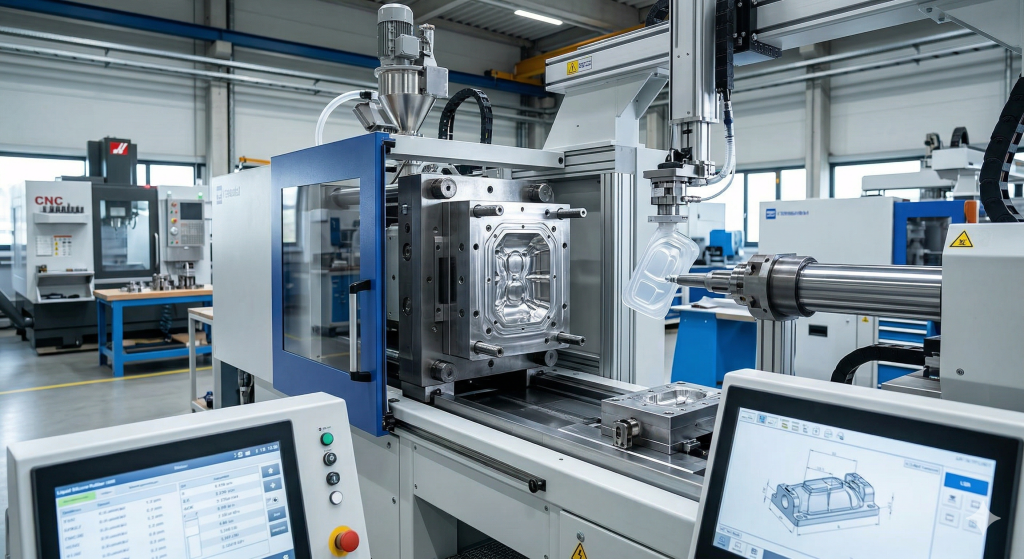
Here is the deal, different projects demand entirely different raw materials and specialized vulcanization machinery. High-volume medical components typically require automated LSR injection, while heavy-duty industrial seals utilize standard compression molding. A top-tier factory maintains dedicated production lines for both methods to offer unbiased manufacturing solutions.
What is the real story about equipment allocation?
- Dedicated 85T to 120T injection machines for precision parts
- Heavy-duty vacuum vulcanization presses for solid rubber
- Automated mixing machines maintaining consistent material properties
Evaluating precision molding and tooling infrastructure
This is where it gets interesting, because the final part quality depends entirely on the initial mold precision. Factories utilizing German Roders CNC centers and Japanese Sodick EDM machines achieve microscopic tolerances impossible with cheaper equipment. Keeping mold creation in-house allows for rapid modifications and protects your intellectual property securely.
You might be wondering which tooling capabilities matter most.
- Mirror EDM machines for flawless surface finishes
- Slow-speed wire cutting for intricate geometries
- In-house polishing and grinding stations
| Capability Area | Required Equipment | Project Benefit |
| Mold Making | High-speed CNC & Mirror EDM | Guarantees tight geometric tolerances |
| LSR Molding | Automated injection presses | Enables high-volume, flash-free parts |
| Solid Rubber | Vacuum compression machines | Handles robust, thick-walled components |
Verifying a factory’s specific machinery list guarantees they possess the physical infrastructure required to execute your exact design flawlessly.
Key Takeaway: Prioritizing factories with complete, in-house tooling and advanced molding equipment guarantees superior product quality and faster development cycles.
Are Their Quality Assurance Systems Truly Reliable?
Reliable factories utilize programmable environmental chambers, optical measuring instruments, and strict statistical process control during all production phases. A robust testing laboratory separates world-class manufacturers from average workshops that rely merely on visual inspections. Figuring out how to choose silicone manufacturer means demanding proof of their systematic defect prevention protocols. You need statistical assurance that every single batch meets your exact engineering specifications.
Reviewing ISO 13485 and IATF 16949 certifications
Ready for the good part?, holding specific automotive or medical certifications proves a factory maintains rigorous traceability and cleanliness standards. These frameworks force manufacturers to document every single step, from raw material intake to final product shipping. Partnering with a certified facility drastically reduces your liability when selling highly regulated consumer or medical devices.
Let me explain the value of specific management systems.
- IATF 16949 guarantees strict automotive defect prevention
- ISO 13485 guarantees medical-grade safety and hygiene
- ISO 14001 demonstrates proactive environmental responsibility
Scrutinizing environmental and mechanical testing labs
Consider this, parts functioning perfectly at room temperature might fail catastrophically under extreme heat or constant friction. Top factories maintain internal reliability labs featuring tensile testers, UV weathering chambers, and automated key life simulators. Testing components internally prevents defective batches from ever reaching your assembly line or your final customers.
Want to know the best part? Internal testing speeds up your product validation.
- OGP automatic image measuring for dimensional checks
- RCA paper tape abrasion testers for surface wear
- Handheld colorimeters maintaining visual consistency
| Testing Category | Specific Equipment | Verification Goal |
| Dimensional | OGP Image Measuring System | Confirms exact CAD specifications |
| Mechanical | Tensile Testing Machine | Verifies elasticity and tear strength |
| Environmental | UV Weathering Chamber | Simulates long-term outdoor exposure |
Examining a factory’s testing laboratory reveals their true commitment to delivering consistent, high-performance parts across millions of units.
Key Takeaway: Partnering with a heavily certified factory operating a detailed reliability laboratory guarantees strict adherence to your quality requirements.
How Necessary Is a Clean Room Environment for Your Project?
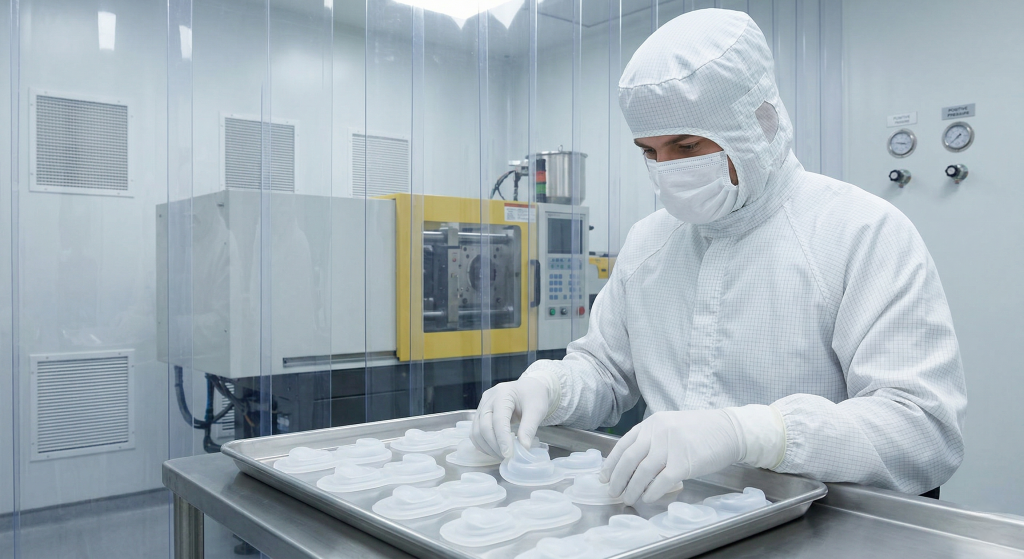
Manufacturing medical devices or food-contact items mandates utilizing certified dust-free environments to prevent dangerous particulate contamination completely. Standard factory floors contain microscopic dust and oils that ruin sensitive healthcare components or premium consumer wearables. Deciding how to choose silicone manufacturer involves matching their facility’s cleanliness rating with your product’s regulatory demands. You cannot compromise on hygiene when producing respiratory components or baby products.
Meeting medical-grade and food-grade safety standards
Here is the deal, regulatory bodies like the FDA demand absolute material purity for items entering the human body. Factories operating Class 100k clean rooms filter the air constantly, guaranteeing no foreign particles mix with the raw materials. This pristine environment remains strictly necessary for molding pacifiers, surgical seals, and biocompatible wearable bands.
What is the real story regarding contamination risks?
- Dust particles causing microscopic leaks in seals
- Foreign matter ruining the aesthetics of clear parts
- Bacterial presence violating strict healthcare regulations
Preventing contamination during the molding process
This is where it gets interesting, because maintaining clean conditions requires strict protocols for every worker and machine involved. Employees wear specialized anti-static garments, and the automated injection machines operate within sealed, climate-controlled enclosures. Liquid silicone rubber systems excel here, pumping material directly from sealed drums into the heated mold seamlessly.
You might be wondering how factories maintain these strict standards.
- Pressurized airlock entry systems for all personnel
- Constant HEPA filtration and humidity monitoring
- Automated part ejection preventing manual handling
| Environment Type | Particle Limit | Best Suited For |
| Standard Workshop | Uncontrolled | Industrial gaskets and basic keypads |
| Class 100k Clean Room | Strictly regulated | Medical seals and baby products |
| Class 10k Clean Room | Highly sterile | Invasive surgical components |
Selecting a facility equipped with certified clean rooms guarantees your sensitive products meet strict international health and safety mandates.
Key Takeaway: Utilizing certified clean room manufacturing maintains absolute contamination control, protecting your brand when launching highly regulated medical or food-grade products.
What Role Does Engineering and Design Support Play?
Expert engineers optimize your raw CAD files for mass production, preventing structural flaws and reducing unnecessary material waste. A proactive technical team identifies potential molding defects before any costly steel gets cut for the tools. Learning how to choose silicone manufacturer requires evaluating their ability to provide actionable design feedback promptly. You want a partner who improves your concept rather than just blindly following flawed blueprints.
Collaborating on Design for Manufacturability
Ready for the good part?, an experienced engineering team provides detailed reports highlighting draft angles, undercut issues, and optimal gate locations. This collaborative optimization guarantees the liquid material flows perfectly, eliminating air traps and unsightly weld lines completely. Adjusting wall thickness uniformly prevents the final product from warping or sinking during the cooling phase.
Let me explain the core benefits of early technical reviews.
- Eliminating complex undercuts to simplify mold design
- Optimizing parting lines for better aesthetic finishes
- Selecting the perfect Shore hardness for functional requirements
Accelerating rapid prototyping and mold modification
Consider this, launching a new hardware product requires testing multiple physical iterations quickly to finalize the user experience. Factories with in-house tooling workshops can machine prototype molds in days, keeping your development schedule aggressively on track. When testing reveals necessary design changes, their engineers modify the existing steel tools without causing massive delays.
Want to know the best part? Internal tooling saves massive amounts of time.
- Rapid turnaround for initial physical samples
- Immediate adjustments based on functional testing
- Seamless transition from prototype tools to mass production
| Engineering Service | Primary Function | Project Impact |
| DFM Analysis | Optimizes part geometry | Prevents costly molding defects |
| Material Selection | Matches polymer to application | Guarantees long-term durability |
| Rapid Tooling | Creates quick test molds | Accelerates time-to-market significantly |
Utilizing a manufacturer’s deep technical expertise guarantees your innovative designs translate perfectly into highly functional, cost-effective physical products.
Key Takeaway: Partnering with a factory offering robust engineering support streamlines product development and eliminates expensive manufacturing errors upfront.
How Do Post-Processing and Surface Treatments Add Value?
Advanced surface treatments improve tactile feel, prevent dust accumulation, and add visual branding elements to the final component. Raw molded parts often feel tacky or lack the premium aesthetic demanded by high-end consumer electronics brands. Evaluating how to choose silicone manufacturer involves checking their internal capabilities for printing, spraying, and specialized precision die-cutting. Delivering a finished, retail-ready component requires mastering these delicate secondary manufacturing steps.
Reviewing advanced spraying and printing techniques
Here is the deal, applying precise graphics or functional conductive carbon dots requires highly automated and calibrated printing machinery. Factories utilize automatic pad printing and silk-screening lines to apply crisp logos that resist fading or peeling over time. Specialized spray coatings protect the rubber from harsh environmental chemicals while providing a smooth, premium texture.
What is the real story about custom finishes?
- Automated spraying lines maintaining uniform coating thickness
- Pad printing for complex, curved geometric surfaces
- Laser etching for backlit electronic keypad assemblies
Utilizing UV modification for soft-touch finishes
This is where it gets interesting, because raw silicone naturally attracts lint and feels slightly sticky to the human touch. Passing the molded components through a specialized UV modification line alters the surface chemistry, creating a permanent silky feel. This specific treatment remains absolutely necessary for premium smartwatch bands, earbud tips, and mobile phone protective cases.
You might be wondering why surface modification matters so much.
- Eliminates the need for temporary chemical sprays
- Provides lasting resistance against daily dirt and skin oils
- Dramatically improves the perceived value of consumer goods
| Treatment Method | Application Process | Final Result |
| UV Modification | Light-based surface alteration | Silky, dust-repellent finish |
| Pad Printing | Ink transfer via silicone pad | Crisp logos on curved parts |
| Conductive Coating | Applying specialized carbon | Enables electronic switching |
Mastering complex post-processing techniques allows a factory to transform raw rubber components into highly refined, finished retail products.
Key Takeaway: Selecting a supplier with extensive in-house surface treatment capabilities guarantees your final product looks and feels exceptionally premium.
Can They Act as a Long-Term Strategic Partner?
A strategic partner offers transparent pricing, predictable supply chain logistics, and dedicated account management for your evolving product lines. True manufacturing success relies heavily on mutual trust and a shared vision for scaling future production operations safely. Knowing how to choose silicone manufacturer ultimately comes down to finding a team willing to grow alongside your business. You need a dedicated partner, not just a transactional vendor executing singular purchase orders.
Evaluating communication and project management efficiency
Ready for the good part?, assigning a dedicated, English-speaking project manager eliminates time-zone delays and catastrophic language barrier misunderstandings entirely. This professional provides weekly production updates, coordinates international shipping logistics, and handles any sudden engineering changes swiftly. Clear communication channels prevent minor issues from snowballing into massive production delays that ruin your launch schedule.
Let me explain the traits of a reliable project team.
- Rapid response times to technical inquiries
- Proactive updates regarding raw material shortages
- Transparent handling of unexpected manufacturing defects
Providing transparency in pricing and supply chain logistics
Consider this, reliable factories maintain stable pricing structures and provide detailed breakdowns of all tooling and unit costs. They manage their raw material inventory effectively, shielding you from sudden global polymer shortages or wild price fluctuations. Offering integrated services, from custom packaging assembly to direct FBA shipping, streamlines your entire operational workflow significantly.
Want to know the best part? Integrated trade services save you massive logistical headaches.
- Consolidated assembly and custom gift box packaging
- Direct coordination with international freight forwarders
- Flexible minimum order quantities for growing brands
| Partnership Trait | Vendor Behavior | Strategic Partner Behavior |
| Pricing Structure | Hides costs until production | Provides transparent cost breakdowns |
| Communication | Reactive and slow | Proactive, weekly progress updates |
| Problem Solving | Blames external factors | Takes ownership and offers solutions |
Establishing a relationship with a fully integrated, transparent manufacturer secures your supply chain and accelerates your company’s growth trajectory.
Key Takeaway: Cultivating a relationship with a communicative, fully integrated manufacturer transforms a simple supply chain into a massive competitive advantage.
FAQ Section
Q1: Can I use solid rubber instead of LSR for medical products?
Solid rubber rarely meets strict medical standards. LSR provides superior biocompatibility, resists bacterial growth, and molds cleanly within controlled clean rooms.
Q2: What is the best way to verify a factory’s quality claims?
Requesting their third-party audit reports works best. Reviewing official IATF 16949 or ISO 13485 certificates confirms their adherence to strict global manufacturing standards.
Q3: How do I know if the factory can handle complex designs?
Reviewing their internal tooling equipment provides the clear answer. Factories operating high-speed CNC machines and mirror EDM equipment easily achieve the tightest geometric tolerances.
Q4: Can I expect the factory to help with product design?
Top-tier manufacturers always provide DFM support. Their engineers analyze your CAD files to optimize gate locations, draft angles, and overall manufacturability before tooling begins.
Q5: What is the best method to ensure a premium product feel?
Requesting UV surface modification yields the best results. This specific process alters the material surface, creating a permanent, dust-resistant, silky texture ideal for consumer electronics.
Securing a highly capable manufacturing partner eliminates production delays, reduces defect rates, and guarantees your components meet strict industry regulations perfectly. We solve complex engineering challenges by providing rapid DFM feedback, precision tooling, and automated mass production entirely under one roof. Our state-of-the-art facilities and rigorous testing protocols guarantee your innovative designs become flawless physical realities. We build lasting partnerships focused on absolute precision and continuous mutual growth. Please contact us today to discuss your next custom project requirements.