
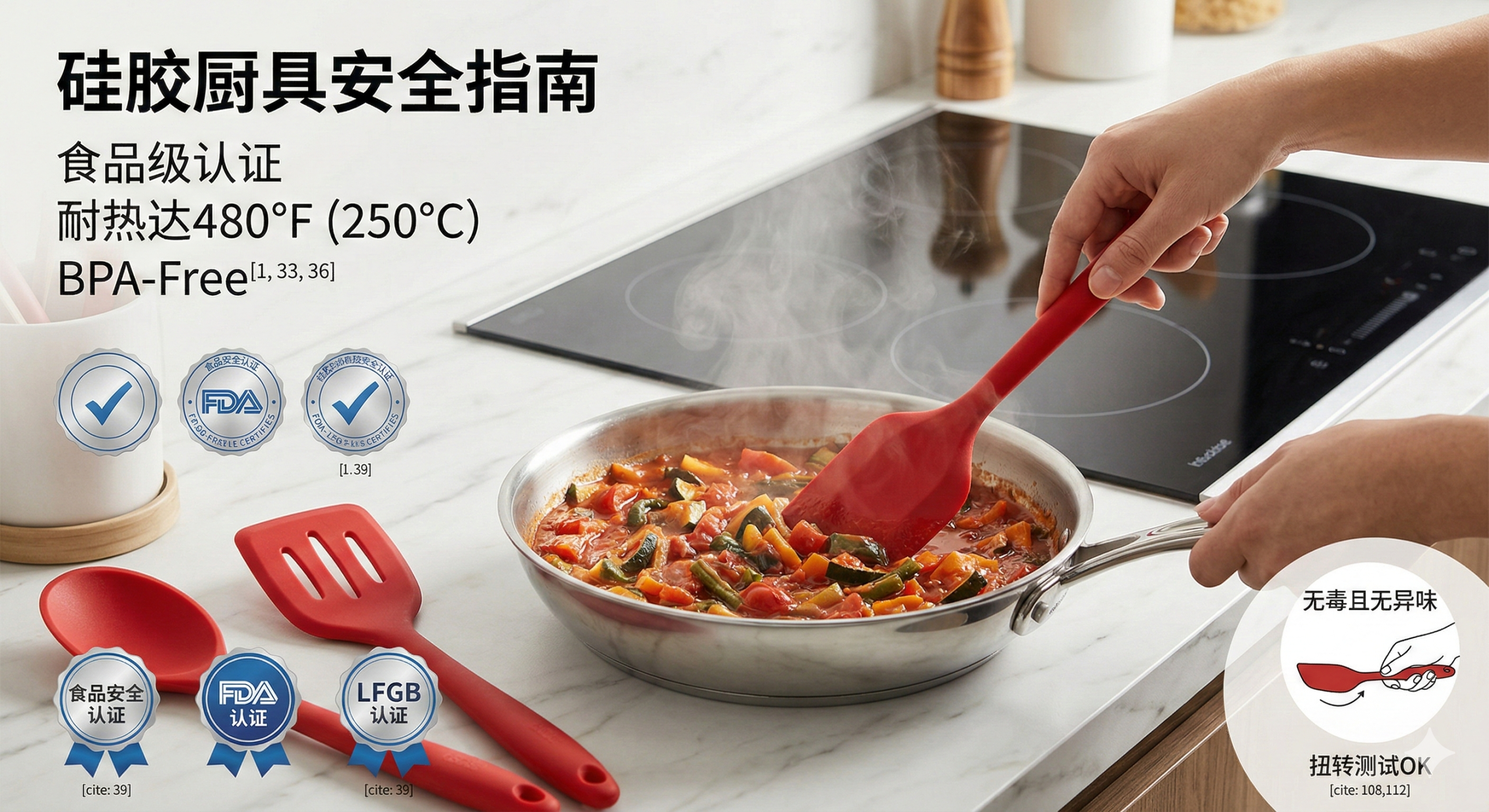
Yes, high-quality food-grade silicone utensils are safe because they are chemically stable and do not leach toxins under normal cooking temperatures. You might be preparing a healthy dinner for your family, only to worry if the flexible spatula in your hand is melting chemicals into the sauce. Many home cooks feel anxious when they see plastic tools warping or traditional wood staining, fearing these kitchen staples are compromising food safety. HuaLin Silicone specializes in premium manufacturing to ensure that when you ask are silicone utensils safe to cook with, the answer is a resounding yes.
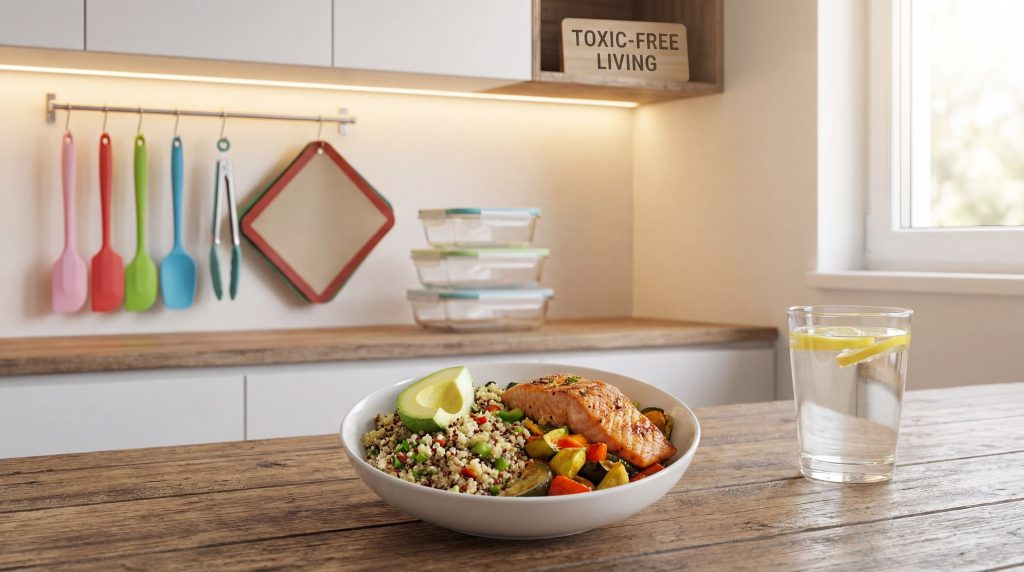
What materials make silicone tools safe for your kitchen?
Silicone tools are safe because they are made from a hybrid of silicon—a natural element found in sand—mixed with oxygen, carbon, and hydrogen. When you wonder if are silicone utensils safe to cook with, you should look at the purity of the material used in manufacturing. High-quality tools utilize food-grade silicone that remains inert and does not react with acidic or oily foods.
Is silicone a type of plastic?
Silicone is not plastic, though it shares some flexible properties with synthetic polymers. It is actually closer to the rubber family but boasts significantly higher heat resistance and durability. Listen: while plastic is derived from petroleum, silicone is based on silica, making it a more stable choice for heat-intensive kitchen environments.
What are the main components?
The manufacturing process involves molding liquid silicone rubber (LSR) into precise shapes followed by a curing phase. This process ensures the material is:
- Non-porous to prevent bacteria buildup.
- Flexible enough to reach every corner of a pan.
- Completely BPA-free and non-reactive.
Here is the deal: HuaLin Silicone uses advanced engineering to ensure every component meets global safety standards for long-term kitchen use.
| Feature | Silicone Composition |
|---|---|
| Primary Element | Silicon (from Silica/Sand) |
| Chemical Stability | High (Inert) |
| Porosity | Zero |
Understanding the chemical makeup of your tools is the first step toward a safer kitchen.
Key Takeaway: Using utensils made from high-purity silica ensures your tools remain chemically inert and safe for all types of food preparation.
Are silicone utensils safe to cook with at high heat?
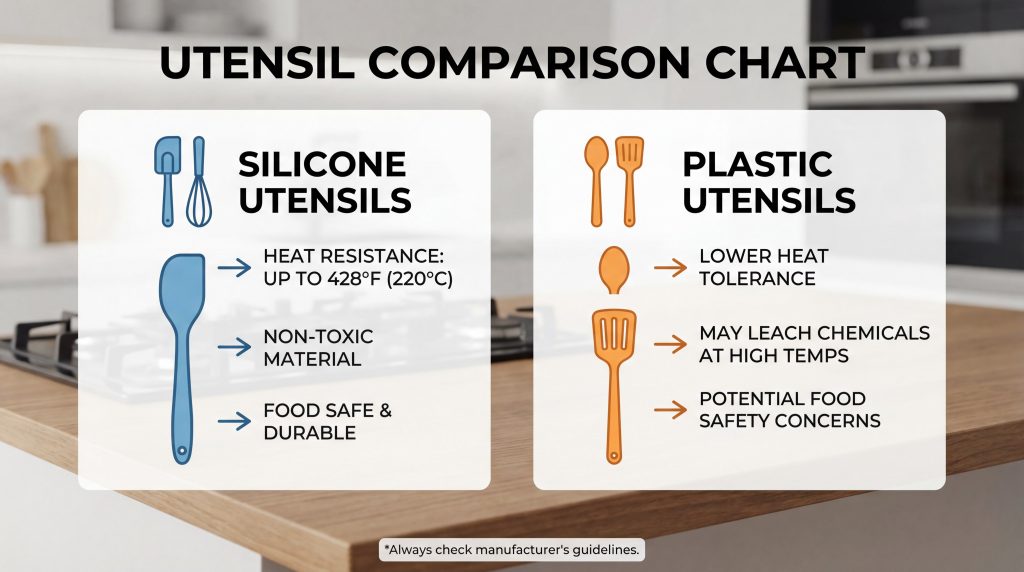
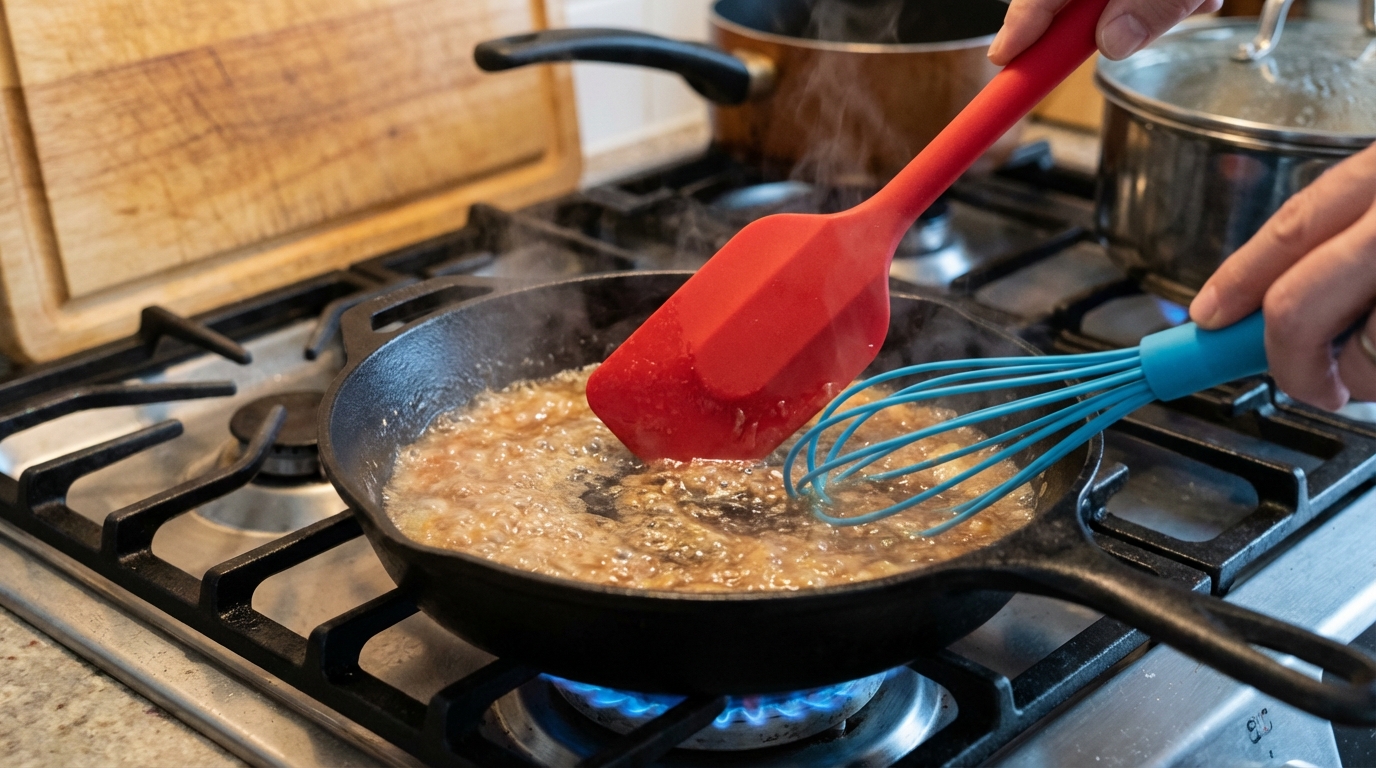
Silicone utensils are exceptionally safe at high temperatures because they typically resist heat up to 480°F (250°C) without melting or releasing fumes. When considering if are silicone utensils safe to cook with, you can trust that these tools handle boiling, sautéing, and baking far better than plastic alternatives. They maintain their structural integrity even when left against the side of a hot pan.
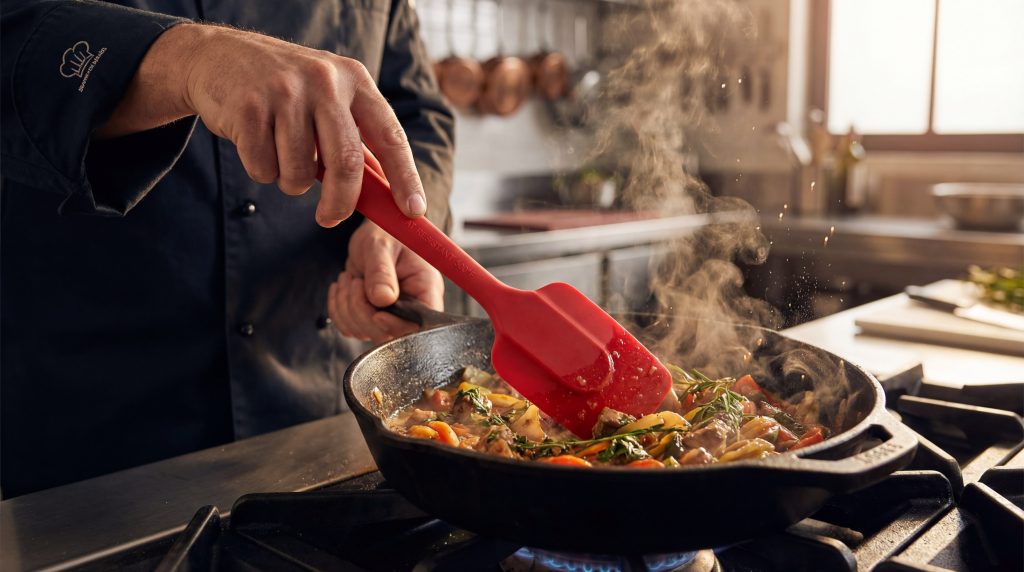
What is the maximum temperature limit?
Most professional-grade silicone tools are rated for continuous use at temperatures that would instantly melt nylon or plastic. Think about it: if you are frying or stirring thick stews, you need a tool that won’t lose its shape or bond. Premium silicone can often withstand brief exposure to even higher temperatures without significant degradation.
Does silicone melt or warp?
Unlike plastic, which has a low melting point, silicone does not melt; it simply begins to lose its flexibility if extreme temperature limits are exceeded. It will not warp or “weep” chemicals into your food during high-heat stir-frying.
- Heat resistance up to 480°F.
- No melting or warping in hot pans.
- Insulated handles to prevent burns.
| Material | Typical Heat Limit | Reaction to Extreme Heat |
|---|---|---|
| Silicone | 480°F (250°C) | Stays stable |
| Plastic/Nylon | 350°F (175°C) | Melts/Warps |
| Wood | N/A | Burns/Chars |
This thermal stability makes silicone the primary choice for professional chefs who require reliability in fast-paced environments.
Key Takeaway: High heat resistance ensures that your utensils remain durable and non-toxic even during intense cooking sessions.
Does food-grade silicone release toxins into your meals?
No, food-grade silicone does not release toxins like BPA, phthalates, or lead into your food because it is a chemically inert material. Professional B2B buyers often ask if are silicone utensils safe to cook with to ensure their supply chains meet strict health regulations. When you use certified silicone, you are choosing a material that does not react with food or beverages.
What certifications ensure safety?
Safety is guaranteed by international standards like the FDA in the US and LFGB in Europe. Listen: LFGB is often considered a stricter standard, requiring more rigorous testing for substance migration.
- FDA Approved (Standard safety).
- LFGB Certified (Premium safety).
- RoHS/REACH Compliant.
Are there harmful fillers in silicone?
Low-quality silicone may contain cheap fillers that can release odors or chemicals when heated. The truth is: pure silicone will not change color or release a white residue when twisted or pinched. HuaLin Silicone focuses on 100% inspection to eliminate the risk of contaminated materials reaching your kitchen.
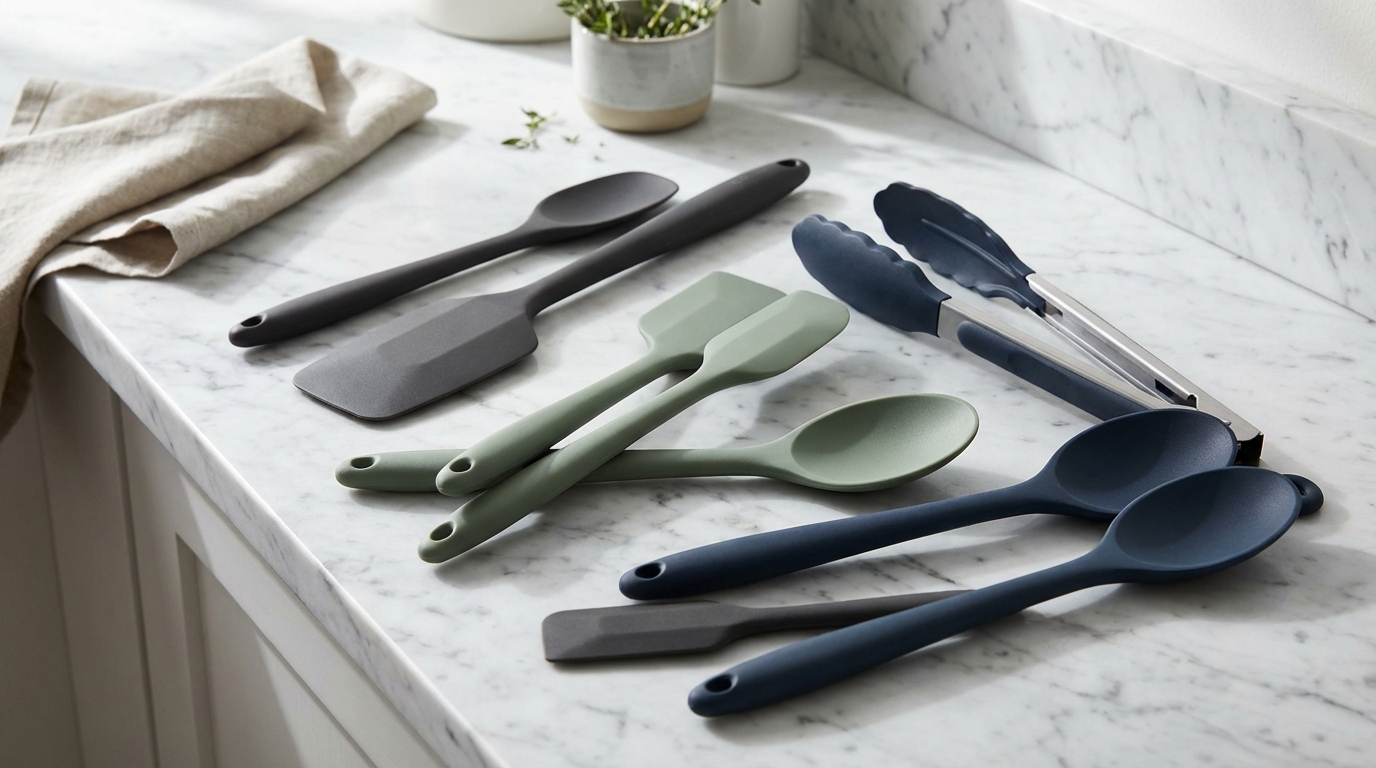
| Standard | Geographic Focus | Key Requirement |
|---|---|---|
| FDA | USA | General food contact safety |
| LFGB | Europe | Stricter migration testing |
| ISO 9001 | Global | Quality management systems |
Verified certifications are the only way to be certain that your kitchen tools are truly toxin-free.
Key Takeaway: Choosing certified food-grade silicone guarantees a non-toxic cooking experience that protects your health over years of use.
Is silicone safer than plastic for daily cooking tasks?
Yes, silicone is significantly safer than plastic because it does not contain hormone-disrupting chemicals like Bisphenol A (BPA) and has a much higher melting point. If you want to know if are silicone utensils safe to cook with, simply compare them to plastic tools that often flake or leach chemicals when scratched. Silicone remains intact and smooth, preventing micro-particles from entering your meals.
Does silicone leach chemicals like BPA?
Silicone is naturally BPA-free because it is not made from the same polycarbonate resins used in many plastics. Look: this makes it a superior choice for anyone looking to reduce their “chemical footprint” in the kitchen. Plastic can leach additives into hot, fatty, or acidic foods, whereas silicone remains stable.
How does durability affect safety?
A tool that cracks or flakes is a safety hazard, as small pieces of material can end up in your food. Silicone’s flexibility means it won’t chip or break, even after years of heavy use.
- No chemical leaching into fats or acids.
- Resistant to flaking and cracking.
- Long-term structural integrity.
| Factor | Silicone | Plastic |
|---|---|---|
| Chemical Leaching | None (Inert) | High risk (BPA/Phthalates) |
| Flaking/Chipping | Extremely Low | High over time |
| Impact on Pans | Safe for non-stick | Safe for non-stick |
The physical and chemical superiority of silicone makes it the logical replacement for aging plastic kitchenware.
Key Takeaway: Replacing plastic with silicone reduces your exposure to endocrine disruptors and prevents physical contamination from flaking tools.
Which cooking utensils are the healthiest for your family?
Food-grade silicone and stainless steel are widely considered the healthiest options because they are non-reactive and easy to sanitize. When determining if are silicone utensils safe to cook with, health-conscious families prioritize materials that do not harbor bacteria. Silicone’s non-porous surface ensures that no food particles or odors are trapped between uses.
How does silicone compare to wood?
Wood is natural but porous, meaning it can absorb juices from raw meat and grow bacteria if not dried perfectly. It gets better: silicone offers the same “gentle” touch on non-stick pans as wood but with the added benefit of being dishwasher-safe and completely hygienic.
- Won’t scratch non-stick surfaces.
- Does not absorb liquids or odors.
- Easy to sterilize in high heat.
Is stainless steel better?
Stainless steel is incredibly durable but can scratch non-stick coatings, leading to the release of PFOA/PFAS from the pan itself. By using silicone, you protect the health of your cookware, which in turn protects your family. It is often best to have a mix of both materials in your kitchen arsenal.
| Material | Health Benefit | Major Drawback |
|---|---|---|
| Silicone | Non-porous & Inert | Can hold strong odors |
| Stainless Steel | Lifetime durability | Scratches non-stick pans |
| Wood | Natural & Non-toxic | Traps bacteria/Moisture |
A combination of silicone and steel provides the most versatile and healthy cooking environment.
Key Takeaway: Silicone serves as the healthiest “soft” tool option, bridging the gap between natural wood and industrial steel.
Are silicone utensils safe to cook with in the dishwasher?
Yes, silicone utensils are completely dishwasher safe because they can withstand the high-temperature cycles and harsh detergents used in modern machines. Many people ask if are silicone utensils safe to cook with after multiple washings, worried that the material might degrade. In reality, silicone remains flexible and smooth even after hundreds of dishwasher cycles.
Will the dishwasher cause odors?
While silicone is non-porous, it can sometimes pick up a “soapy” smell if low-quality detergents or rinse aids are used. Believe it or not: this is usually a surface film rather than the material itself absorbing the scent. Using a vinegar rinse can easily remove any residual odors from the dishwasher.
Can high heat cycles damage them?
The heating element in a dishwasher typically reaches about 150°F to 170°F, which is well below silicone’s 480°F limit. Unlike plastic, which can melt if it falls onto the heating element, silicone will remain unharmed.
- Safe for top and bottom racks.
- Resists chemical degradation from detergents.
- Maintains color and texture over time.
| Cleaning Method | Effect on Silicone | Effect on Wood |
|---|---|---|
| Hand Wash | Gentle & Effective | Recommended |
| Dishwasher | Safe & Convenient | Causes cracking/warping |
| Boiling Water | Sterilizes effectively | Damages fibers |
The ability to thoroughly sanitize silicone in a dishwasher makes it a much more hygienic choice than wood.
Key Takeaway: Dishwasher compatibility ensures your tools are not just clean but sanitized, reducing the risk of cross-contamination.
What are the potential drawbacks of using silicone tools?
The main drawbacks of silicone utensils are their tendency to retain strong odors and their lack of a sharp edge for cutting or heavy scraping. B2B distributors often inquire if are silicone utensils safe to cook with when dealing with spicy or highly aromatic cuisines. While the safety is high, the material can sometimes hold onto the scent of garlic or curry if not cleaned immediately.
Why do some silicone tools feel flimsy?
Lower-grade silicone tools often lack an internal core, making them too flexible for heavy tasks like mashing potatoes or flipping large steaks. Wait, there’s more: high-quality manufacturers like HuaLin Silicone use overmolding techniques to bond silicone to a steel or nylon core for perfect rigidity.
- Can retain strong food smells.
- Not suitable for cutting or chopping.
- May feel too flexible if poorly made.
Do they stain easily?
Brightly colored foods like turmeric or tomato sauce can cause slight surface staining on lighter-colored silicone. This doesn’t affect the safety of the tool, but it can change the appearance over time. Choosing darker colors like grey or black can mitigate this aesthetic issue.
| Potential Issue | Impact on Use | Solution |
|---|---|---|
| Odor Retention | Annoying but safe | Soak in baking soda/water |
| Flexibility | Difficult for heavy lifting | Choose steel-core options |
| Staining | Cosmetic only | Use darker colored tools |
While no material is perfect, the drawbacks of silicone are mostly related to convenience rather than health or safety.
Key Takeaway: Awareness of silicone’s minor limitations allows you to choose the right tool for the right job without sacrificing safety.
How can you identify high-quality food-grade silicone?
You can identify high-quality silicone by performing the “pinch test”—pure silicone will not change color when twisted, while silicone with fillers will show white streaks. When sourcing are silicone utensils safe to cook with, professional buyers look for consistency in texture and a lack of chemical odors. Pure silicone should feel smooth, slightly heavy, and have no oily residue.
What is the “Pinch Test”?
This is the fastest way for a consumer to check for safety at home. The bottom line: if you twist the silicone and see white showing through, it contains plastic fillers that are not heat-stable.
- Grip a flat section of the silicone.
- Twist it firmly between your fingers.
- Look for any white color appearing at the stress point.
Why does brand reputation matter?
Reliable manufacturers provide full traceability for their raw materials and hold ISO certifications. Buying from a transparent factory ensures that you aren’t receiving “industrial-grade” silicone masquerading as food-grade. HuaLin Silicone maintains strict IPQC protocols to guarantee material purity in every batch.
| Quality Marker | High-Quality Silicone | Low-Quality Silicone |
|---|---|---|
| Pinch Test | Color remains solid | Shows white streaks |
| Odor | No smell | Chemical/Plastic scent |
| Surface | Smooth/Consistent | Tacky or irregular |
Using simple tests at home or requesting factory audits in B2B transactions ensures you only use the safest materials.
Key Takeaway: High-quality silicone is a pure, long-term investment that passes the pinch test and remains odorless throughout its life.
Are silicone utensils safe to cook with for baby food?
Yes, silicone is one of the safest materials for baby food because it is hypoallergenic, soft on developing gums, and free from all harmful endocrine disruptors. When parents ask if are silicone utensils safe to cook with, they are usually concerned about the high sensitivity of infants to chemical exposure. Silicone is widely used for pacifiers and bottle nipples specifically because of its extreme safety profile.

Why is silicone better than plastic for babies?
Babies are much more vulnerable to the effects of BPA and phthalates found in cheap plastics. That’s not all: silicone’s soft texture prevents injury to a child’s mouth while they are learning to eat. It is also heat-stable enough to be boiled for sterilization, which is essential for infant health.
Is it hypoallergenic?
Silicone is an inorganic material that does not support the growth of mold or fungi. It is rare for anyone, including infants, to have an allergy to medical-grade or food-grade silicone.
- Soft, gum-friendly texture.
- Phthalate and BPA-free.
- Easy to sterilize in boiling water.
| Benefit for Infants | Why Silicone? |
|---|---|
| Safety | No chemical leaching |
| Comfort | Flexible and soft edges |
| Hygiene | Can be boiled to kill germs |
For the most sensitive members of the family, silicone offers a level of safety that other synthetic materials simply cannot match.
Key Takeaway: The hypoallergenic and non-toxic nature of silicone makes it the gold standard for infant feeding and food preparation.
Why should B2B buyers choose certified silicone manufacturers?
B2B buyers should choose certified manufacturers to ensure product consistency, regulatory compliance, and consumer safety across global markets. If your business is built on the question of are silicone utensils safe to cook with, having a partner that provides DFM support and ISO-certified quality control is non-negotiable. Certified factories eliminate the risks of batch rejection and brand damage.
How does ISO 9001 protect your brand?
ISO 9001 certification ensures that the factory has a repeatable, controlled process for manufacturing. This means the 10,000th spatula you order will be just as safe and durable as the first prototype. Consistent quality is the backbone of any successful consumer brand.
What is the value of 24-hour DFM support?
Design for Manufacturing (DFM) guidance helps you select the right material hardness and structure for your specific application.
- Reduces design risks before tooling.
- Ensures parts meet dimensional accuracy.
- Simplifies international logistics and compliance.
| Manufacturer Capability | Business Value |
|---|---|
| In-house Mold Making | Faster time-to-market |
| Traceable Materials | Regulatory peace of mind |
| 100% Inspection | Zero defective batches |
Partnering with a sophisticated manufacturer turns safety from a concern into a competitive advantage for your brand.
Key Takeaway: Professional certification and engineering support are essential for delivering safe, high-performance silicone products to the global market.
Conclusion
Choosing the right kitchen tools shouldn’t be a source of stress. Silicone utensils solve the most common kitchen problems by offering extreme heat resistance, chemical stability, and long-term durability without the risks associated with plastic or the hygiene issues of wood. At HuaLin Silicone, our vision is to provide precision-engineered, food-grade solutions that meet the highest global standards. Whether you are a home cook or a B2B buyer looking for a reliable manufacturing partner, we are committed to excellence in every part we produce. To learn more about our custom manufacturing capabilities or to secure a quote for your next project, contact us today and let our experts guide you toward a safer, more efficient kitchen.
FAQ
Can I use silicone utensils on an open flame?
No, you should never expose silicone to direct fire or an open flame as it will eventually burn and degrade.
What’s the best way to remove stains from silicone?
Absolutely, a paste made of baking soda and water applied to the stain for 30 minutes usually lifts any discoloration.
How do I know if my silicone contains fillers?
Simply perform the pinch test by twisting the material; if white streaks appear, the silicone likely contains cheap, unsafe fillers.
Can I put silicone baking mats in a high-heat oven?
Yes, most food-grade silicone mats are rated for oven use up to 480°F, making them perfect for healthy, non-stick baking.
What’s the lifespan of a high-quality silicone spatula?
Absolutely, with proper care and dishwasher cleaning, a premium silicone tool can easily last 5 to 10 years without losing its shape.