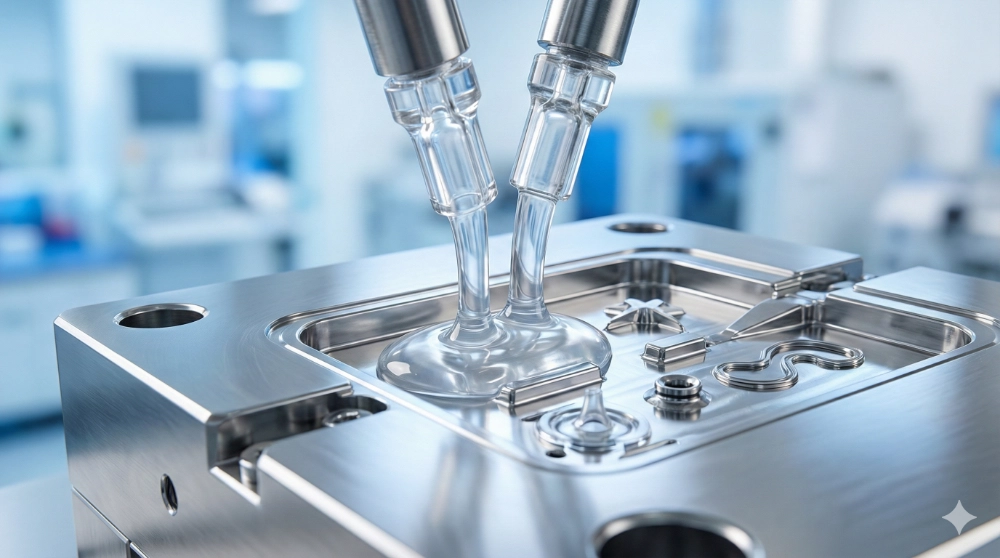
This guide serves as a comprehensive resource for understanding the industrial advantages of high-purity silicone materials. Finding reliable components for high-precision engineering can feel like an uphill battle where material failure is always a threat. You likely know that a single faulty seal can result in catastrophic product failures and ruined brand reputation. This is where lsr liquid silicone rubber provides a definitive solution through its unique chemical stability and manufacturing efficiency.
1. What is lsr liquid silicone rubber?
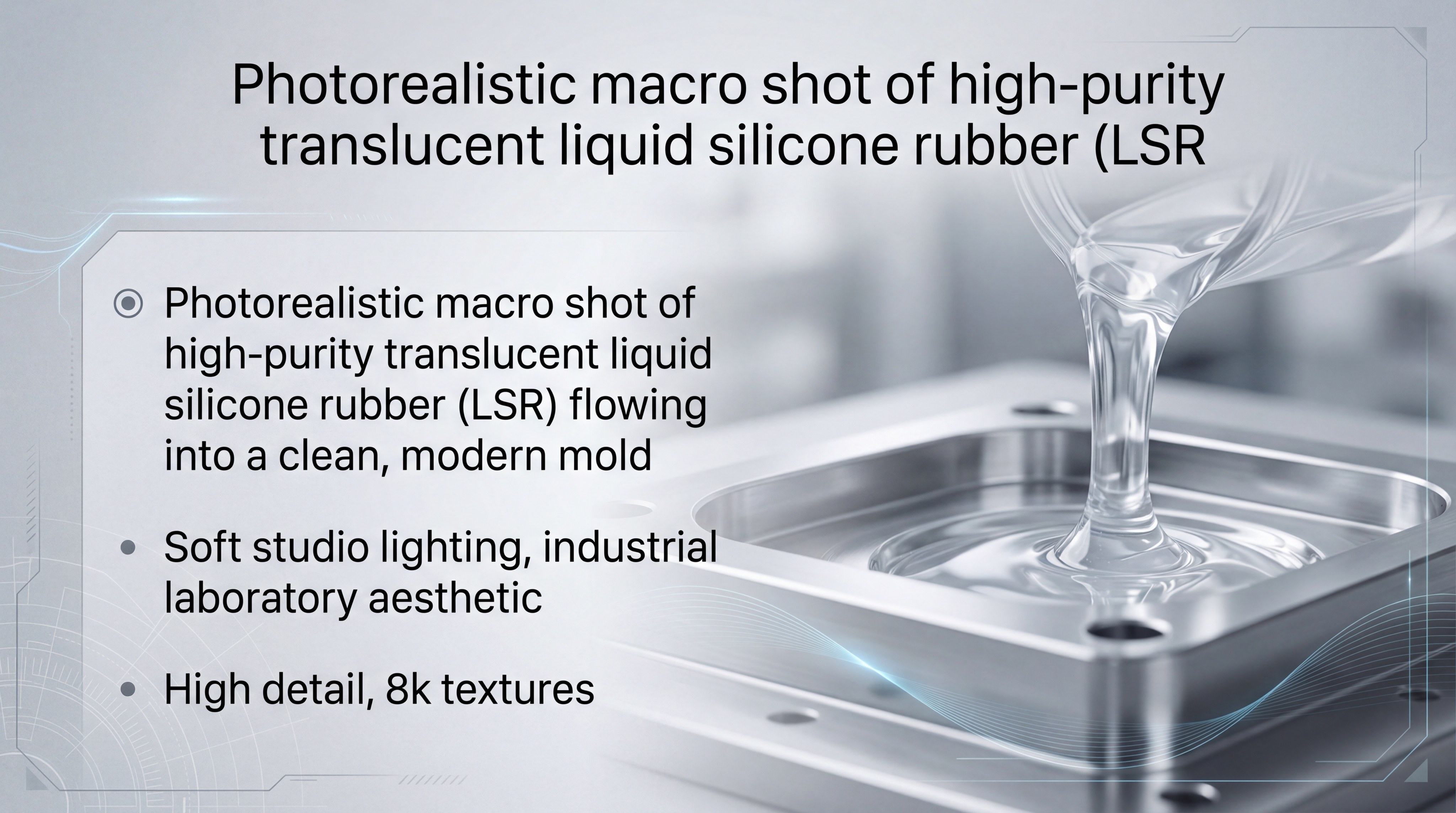
Understanding lsr liquid silicone rubber begins with its definition as a high-purity, two-component thermoset elastomer. It is a versatile material used primarily in liquid injection molding for technical parts that require high strength and durability.
Why is high-purity silicone essential for parts?
You might be wondering why purity matters so much in modern manufacturing.
Think about it.
- Reduced risk of material contamination.
- Enhanced clarity for optical applications.
- Consistent performance across different batches.
Key Takeaway: High-purity LSR is the foundation for precision parts where material failure is simply not an option.
| Purity Level | Transparency | Mechanical Consistency |
|---|---|---|
| High-Purity LSR | Excellent | Very High |
| Industrial Grade | Moderate | Variable |
Analyze the purity requirements of your specific application to determine if medical-grade or standard LSR is the better fit.
2. What is the chemical structure of LSR?
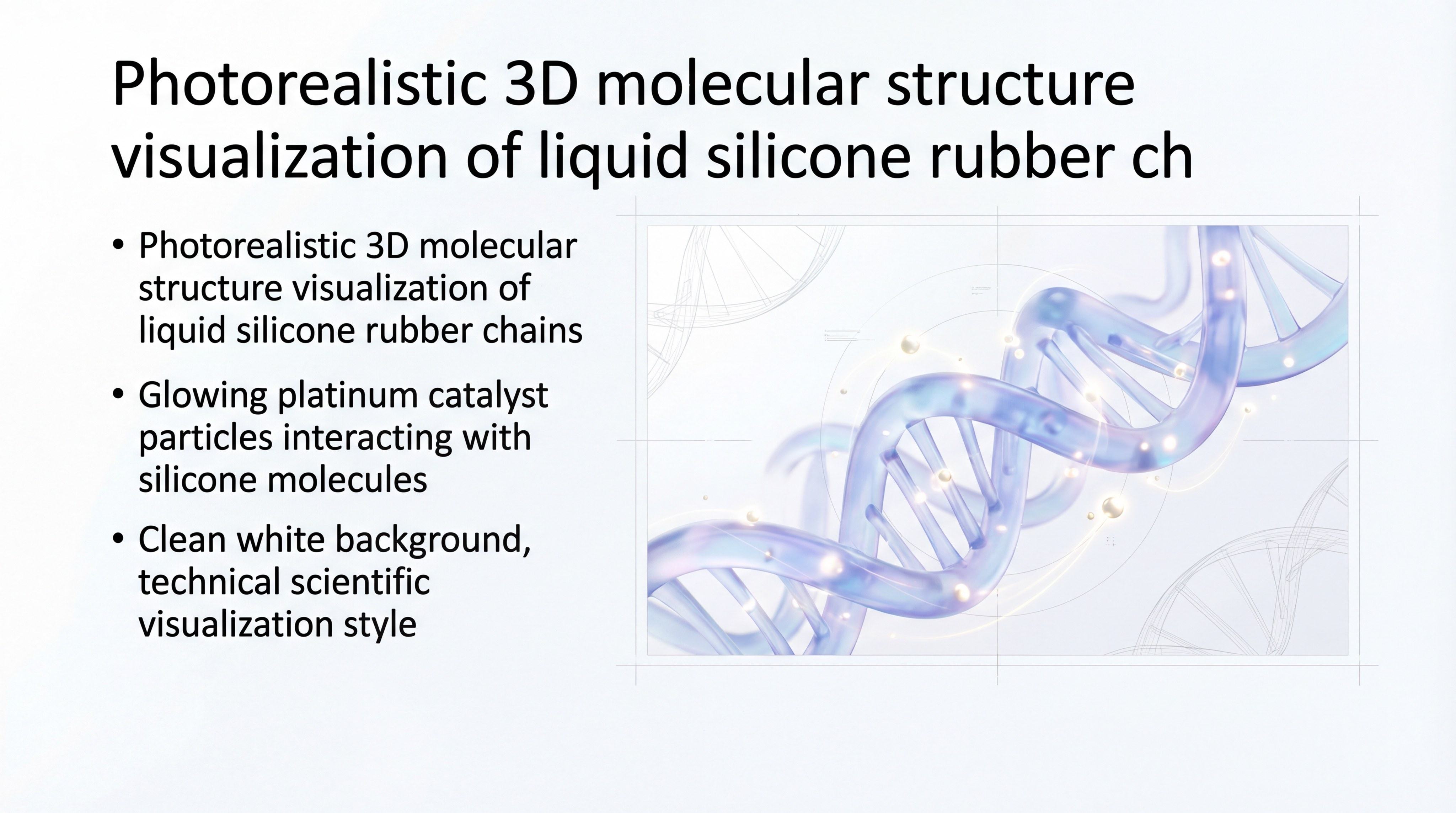
The molecular composition of lsr liquid silicone rubber is what allows it to maintain such impressive stability. It is formed by a two-component system consisting of polysiloxane chains and specially treated silica.
How does the two-component system work?
The chemical reaction is initiated when two distinct parts are mixed under specific conditions.
Here is the deal:
- Component A contains a platinum catalyst to drive the reaction.
- Component B contains methylhydrogen siloxane as a cross-linker.
- This interaction creates a permanent, thermosetting bond during vulcanization.
Key Takeaway: The platinum-cured system ensures a fast, clean, and irreversible chemical bond that guarantees part longevity.
| Component | Primary Function | Chemical Role |
|---|---|---|
| Part A | Catalyst | Initiation of curing |
| Part B | Cross-linker | Structural bonding |
Consider the chemical compatibility of LSR with your existing hardware to ensure optimal bonding and performance.
3. How is lsr liquid silicone rubber processed?
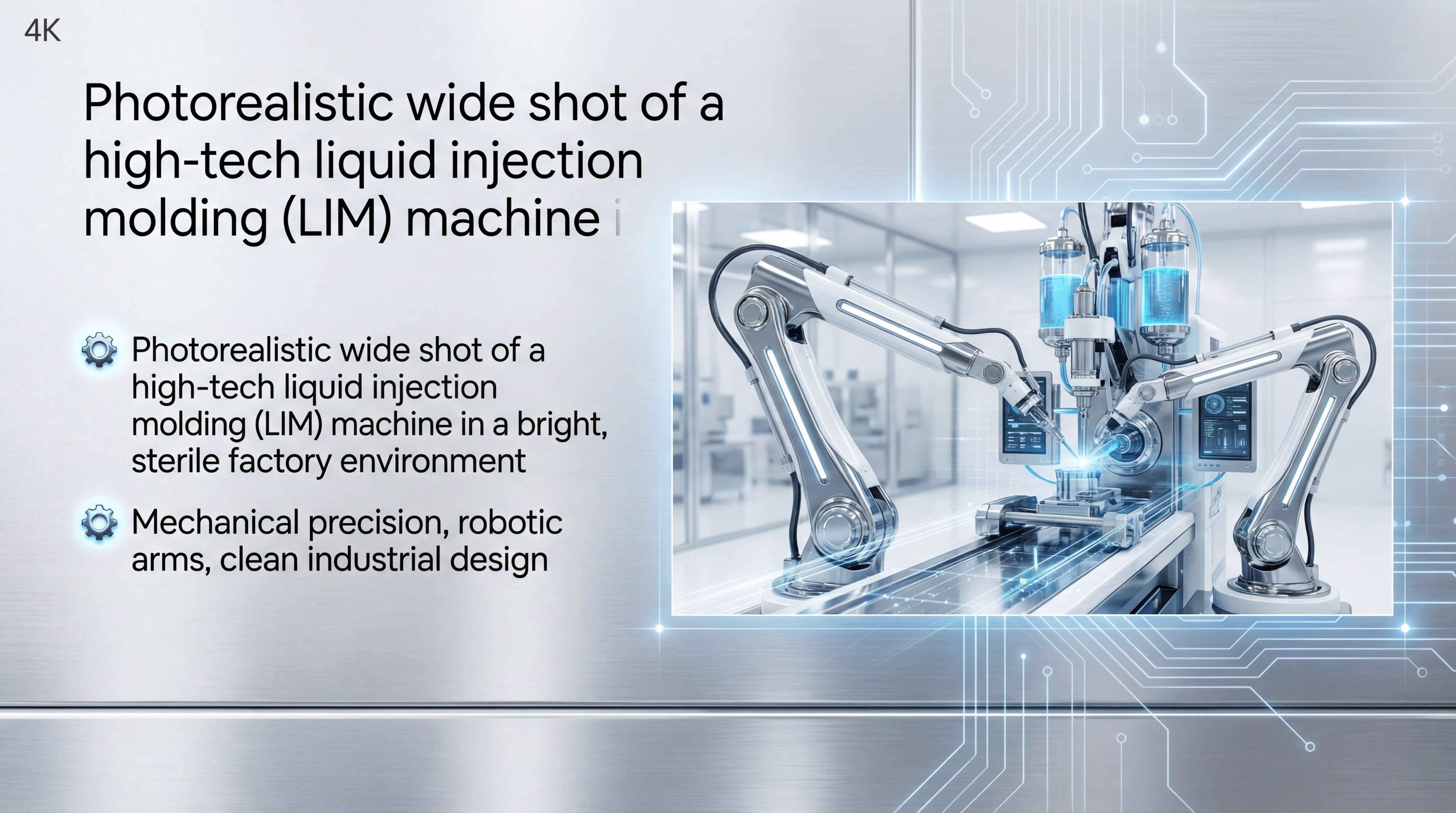
Efficiently processing lsr liquid silicone rubber requires advanced injection molding equipment designed for precision and speed. The material is kept at a low temperature before being pushed into a heated cavity for vulcanization.
What makes liquid injection molding unique?
The molding process for liquid silicone differs significantly from traditional thermoplastic methods.
Wait, there’s more:
- Intensive distributive mixing of both components occurs in-line.
- Cold runner systems prevent the material from curing prematurely.
- Rapid injection cycles allow for high-volume output of complex parts.
Key Takeaway: Precise temperature control and high-speed injection are the secrets to successful and repeatable LSR molding.
| Process Step | Temperature State | Critical Metric |
|---|---|---|
| Mixing | Low (Cold) | Homogeneity |
| Injection | Transition | Pressure Control |
| Curing | High (Hot) | Vulcanization Time |
Evaluate your production volume to decide if automated LIM systems provide the necessary ROI for your project.
4. What are the key properties of LSR?
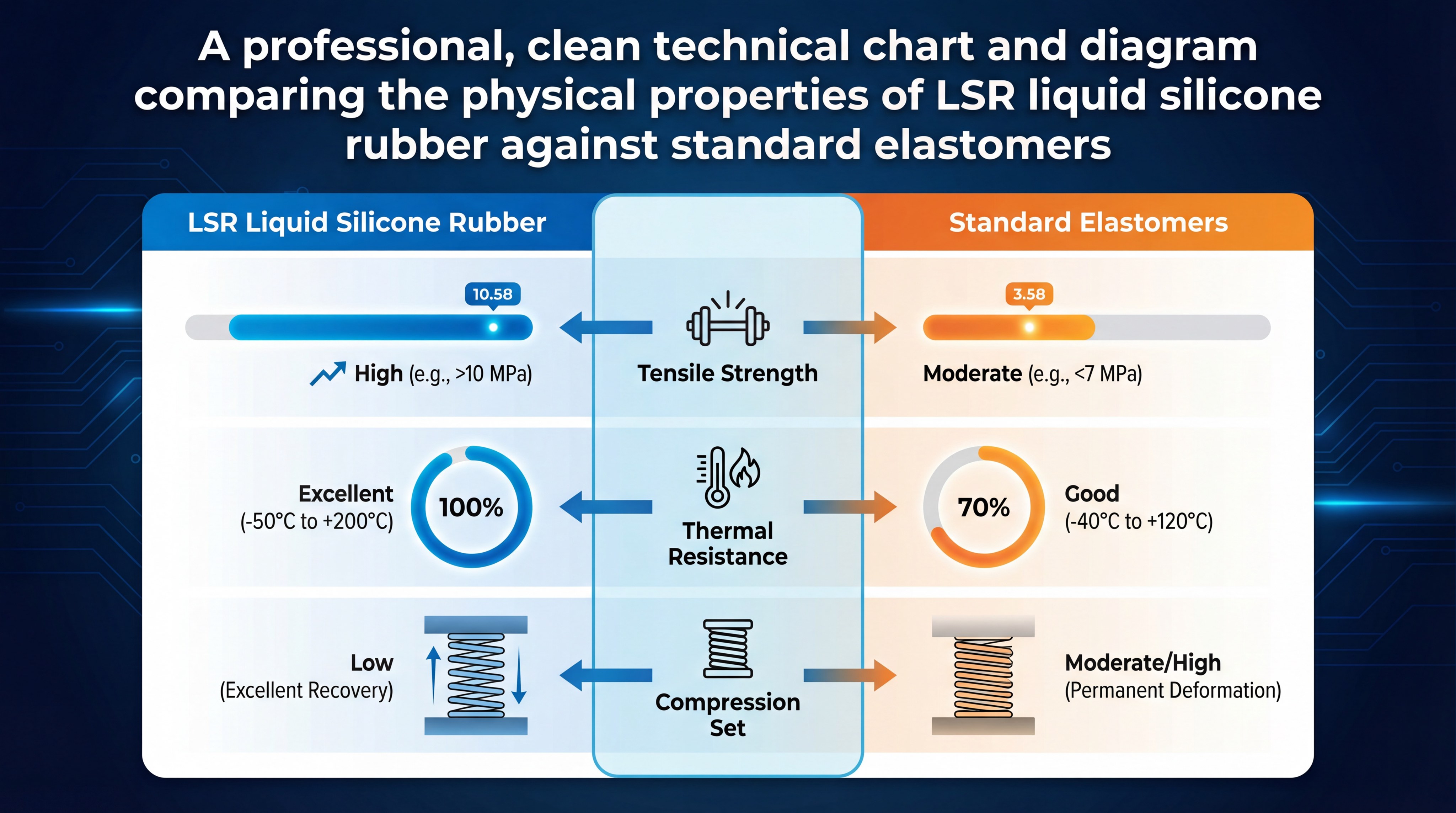
The versatile properties of lsr liquid silicone rubber make it an ideal choice for technical components that face harsh environments. It offers a unique combination of flexibility, chemical resistance, and long-term stability.
Does it offer superior mechanical durability?
You need a material that can withstand constant stress without losing its shape or function.
You better believe it:
- High tear and tensile strength for rugged use.
- Excellent compression set resistance for sealing applications.
- Chemical stability that prevents degradation over time.
Key Takeaway: LSR maintains its high-performance mechanical properties even when subjected to continuous physical and chemical stress.
| Property | Benefit | Industrial Use |
|---|---|---|
| Tear Strength | Durability | Moving gaskets |
| Compression Set | Sealing | Waterproof O-rings |
| Stability | Longevity | Permanent housings |
Map your required mechanical specs against the standard durometers of LSR to find the perfect material grade.
5. Is LSR safe for medical use?
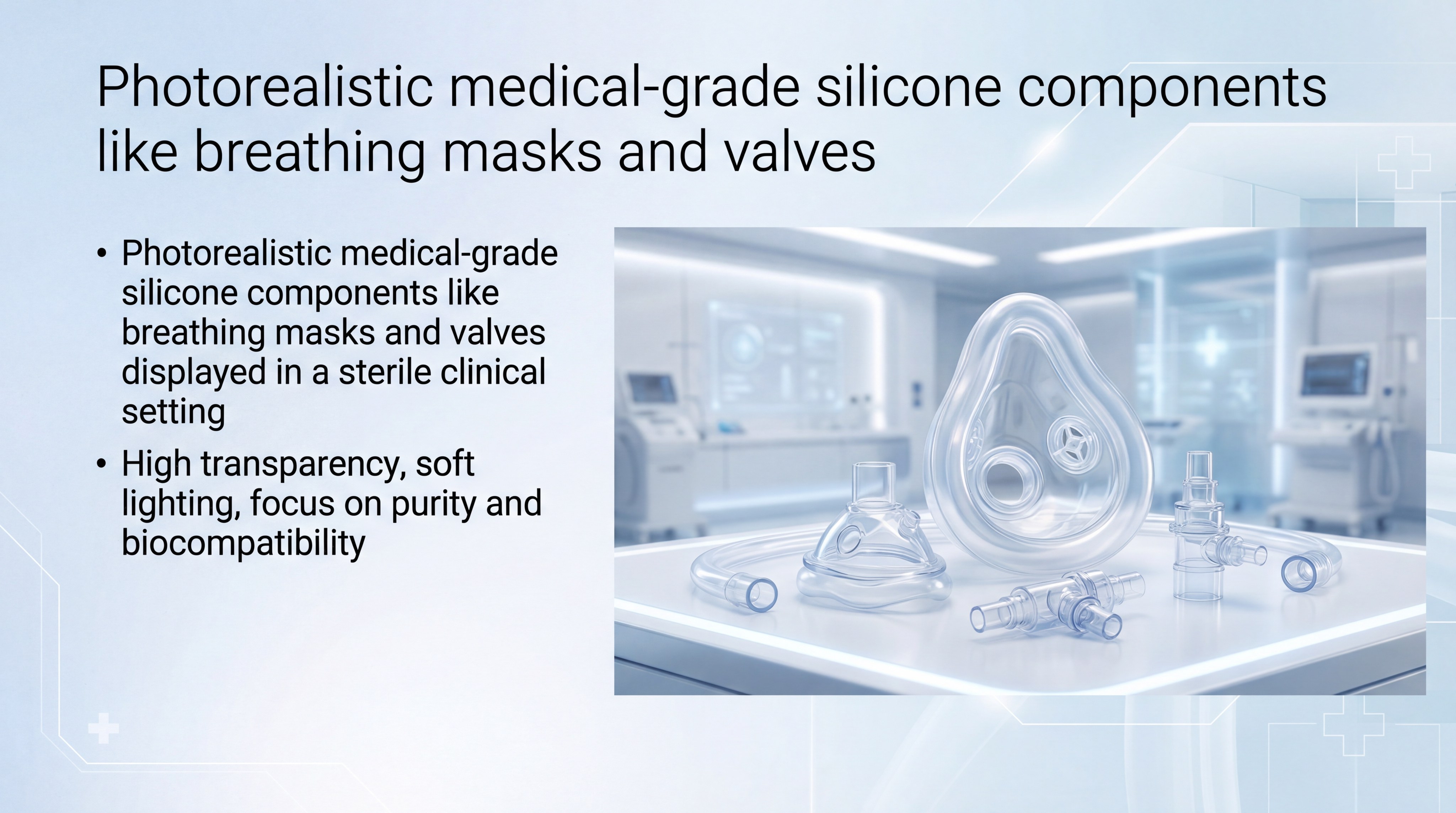
The biocompatibility of lsr liquid silicone rubber ensures it is safe for human contact in medical and maternal applications. This material is widely used for prostheses, organ parts, and high-safety baby products.
What certifications ensure biocompatibility?
Medical-grade silicone must meet rigorous international standards before it can be used in clinical settings.
Here is the kicker:
- Compliance with ISO 10993 for biological evaluation.
- FDA and LFGB grade options for food-safe contact.
- Resistance to bacteria growth and standard sterilization processes.
Key Takeaway: Biological inertness and high purity make LSR the gold standard for regulated healthcare and infant products.
| Certification | Requirement | Typical Application |
|---|---|---|
| ISO 10993 | Biocompatible | Medical implants |
| FDA/LFGB | Food Safety | Pacifiers and valves |
| Class 100k | Cleanroom | Sterile components |
Verify that your manufacturer operates ISO-certified cleanrooms when sourcing components for medical or maternal devices.
6. How does LSR handle extreme heat?
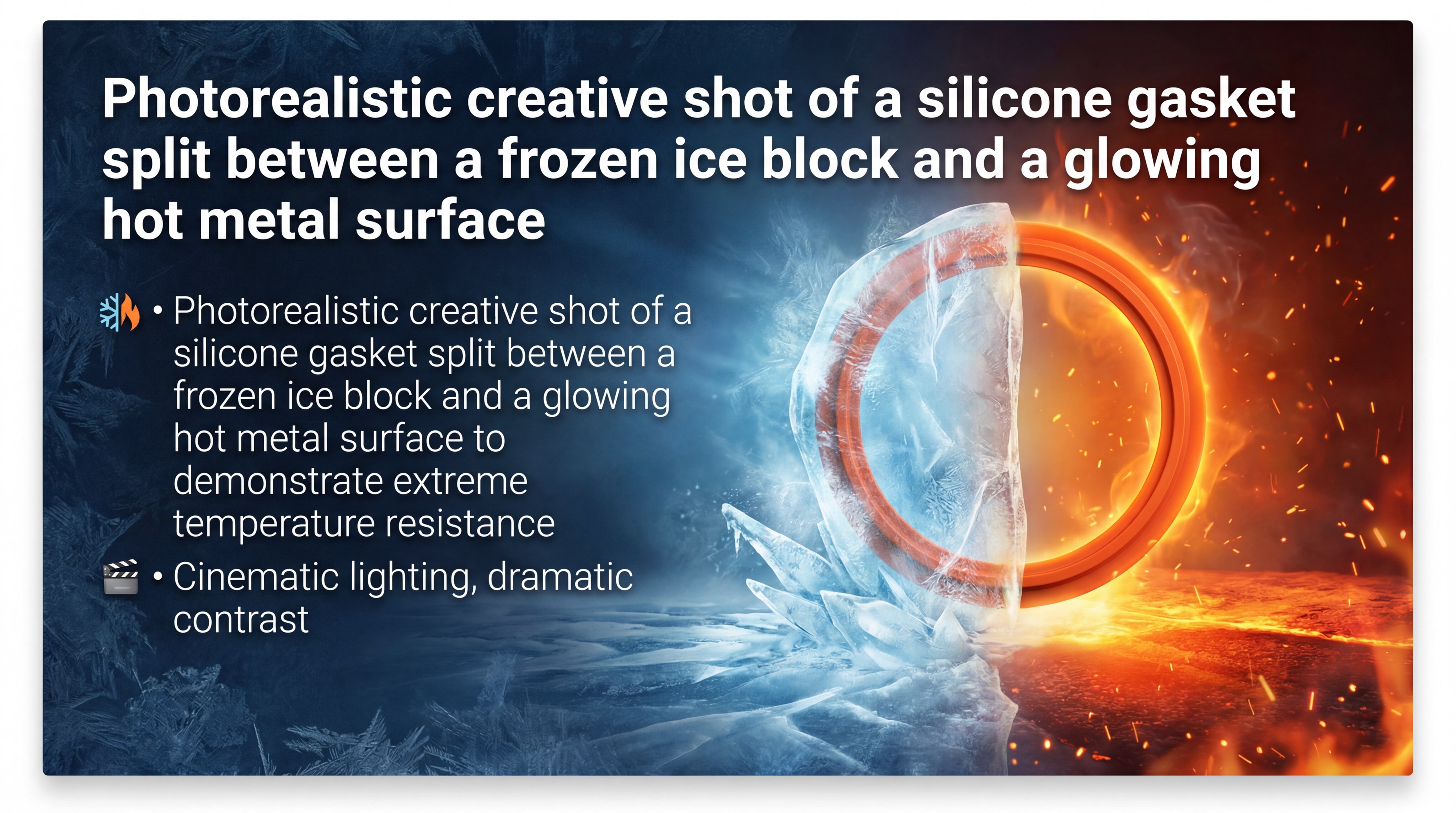
Thermal stability is a hallmark of lsr liquid silicone rubber, allowing it to function where other elastomers would fail. It is designed to resist heat cycles and maintain flexibility in both hot and cold environments.
Can it withstand temperatures above 200°C?
Many industrial applications require a material that can survive extreme thermal fluctuations without cracking.
That’s not all:
- Operating range spans from -60°C to +250°C.
- Retains flexibility and sealing power in sub-zero conditions.
- Zero degradation of mechanical properties even at peak heat.
Key Takeaway: LSR is virtually immune to thermal shock, making it the premier choice for automotive and energy applications.
| Condition | Performance | Temperature Range |
|---|---|---|
| Cold Resistance | High Flexibility | Down to -60°C |
| Heat Resistance | No Melting | Up to +250°C |
Compare the thermal profile of your application to LSR’s limits to ensure a safe margin of operation.
7. Which industries benefit from LSR?
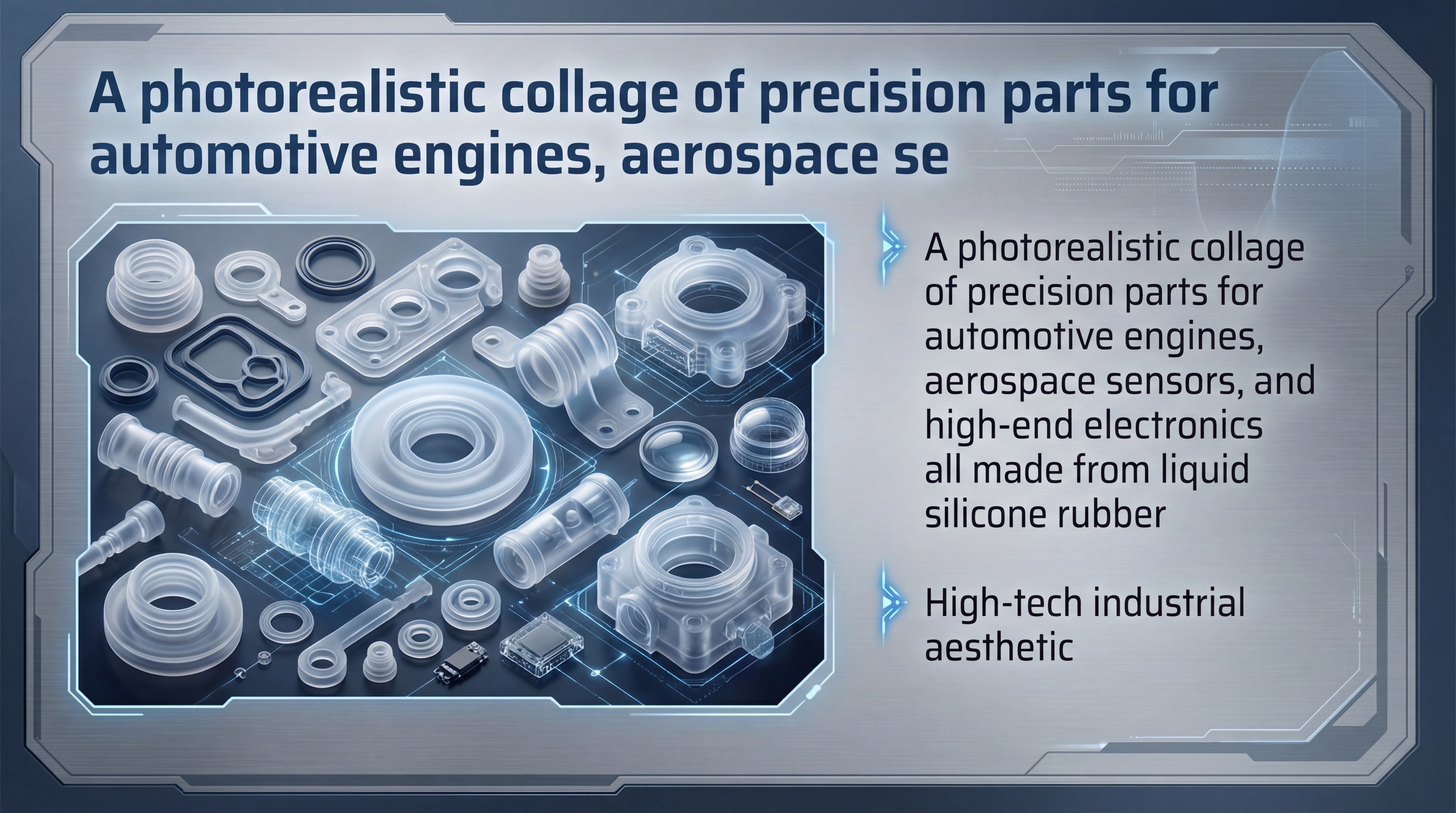
Numerous sectors rely on lsr liquid silicone rubber to produce complex, high-performance elastomeric components at scale. Its adaptability allows it to solve problems in automotive, aerospace, and electronics engineering.
Is it suitable for automotive and aerospace?
Precision and reliability are non-negotiable in the transport and aerospace industries where safety is paramount.
Look at it this way:
- Durable seals and gaskets for harsh engine environments.
- Vibration dampening for sensitive aerospace sensors.
- Connector seals for electronic control units (ECUs).
Key Takeaway: Any industry requiring high-precision parts and reliable environmental sealing can benefit from integrating LSR solutions.
| Industry | Primary Use Case | Key Benefit |
|---|---|---|
| Automotive | Engine Seals | Thermal resistance |
| Electronics | Connector Seals | Waterproofing |
| Aerospace | Sensors | Vibration damping |
Identify the most critical failure points in your current design and test LSR against your existing materials.
8. Can LSR be customized for color?
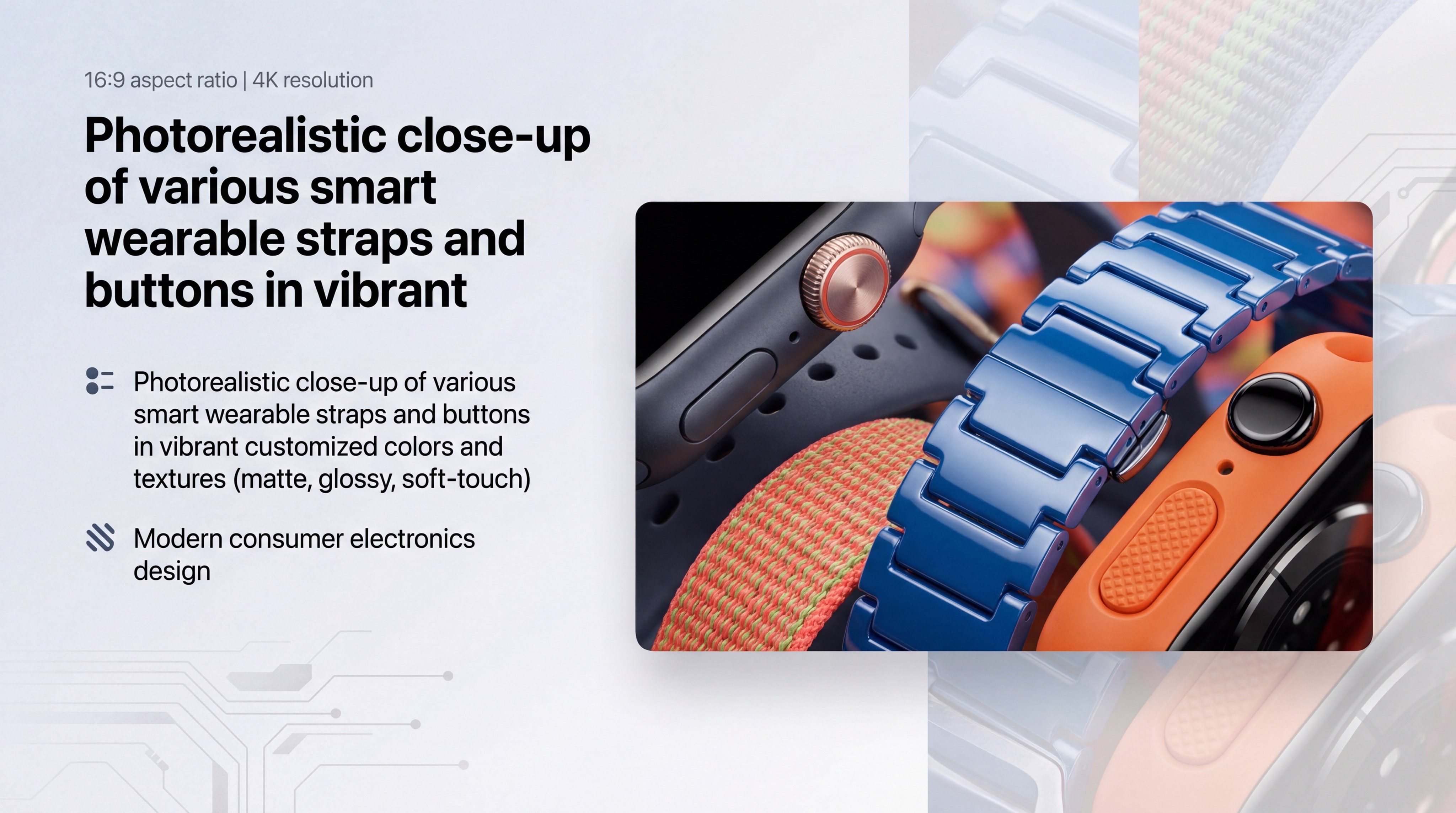
Aesthetics are easily managed with lsr liquid silicone rubber, allowing you to meet branding requirements without sacrificing performance. The material is naturally transparent, providing a perfect canvas for pigments and textures.
How are pigments and textures applied?
You can achieve almost any look, from vibrant consumer colors to functional industrial finishes.
Best of all:
- In-line pigmentation ensures consistent color throughout the entire part.
- Laser marking allows for permanent branding and serial numbers.
- Mold-texturing creates matte, gloss, or soft-touch finishes easily.
Key Takeaway: Functional technical parts can also meet the highest aesthetic standards for consumer-facing wearable technology.
| Customization | Method | Result |
|---|---|---|
| Color | Masterbatch | Solid or translucent |
| Branding | Laser Marking | Permanent identification |
| Texture | Mold Surface | Soft-touch or anti-slip |
Determine if a matte or soft-touch finish improves the user experience for your smart wearable or handheld device.
9. Why use LSR for high-volume production?
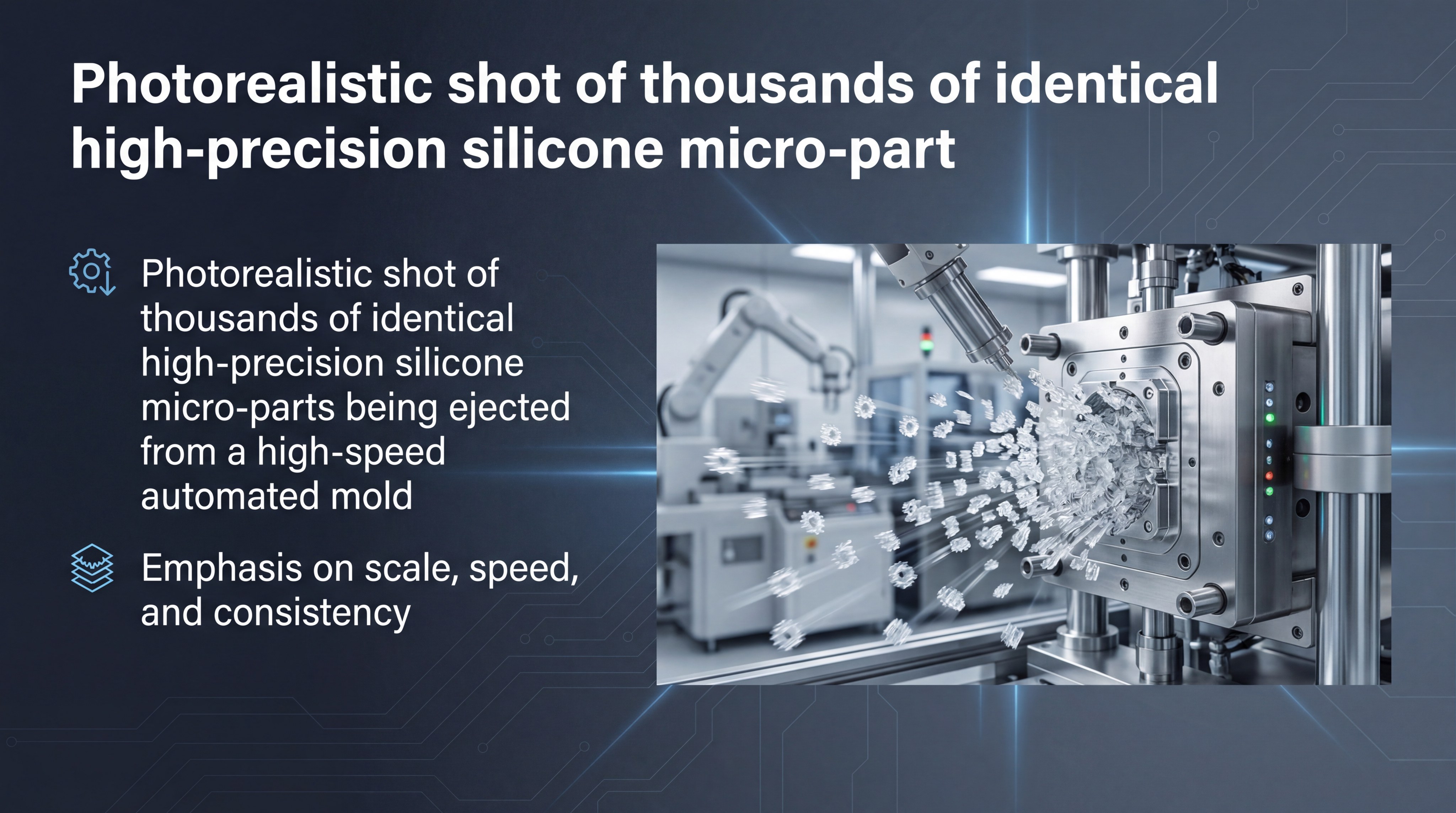
Selecting lsr liquid silicone rubber for your manufacturing route enables high-speed production with minimal labor intervention. This automation is critical for meeting global demand for consumer and medical products.
Does it offer faster cycle times?
Speed to market is often the difference between success and failure in competitive B2B landscapes.
It gets better:
- Automated flash-less molding eliminates the need for manual trimming.
- Rapid curing cycles significantly increase the total hourly output.
- Precision injection reduces material waste compared to compression molding.
Key Takeaway: High-volume projects achieve a much lower per-unit cost through the efficiency of automated LSR injection.
| Production Method | Labor Needs | Waste Level |
|---|---|---|
| LSR Injection | Low (Automated) | Minimal |
| Compression | High (Manual) | Significant |
Review your annual volume forecasts to see if the upfront tooling cost of LSR is offset by production efficiency.
10. How do we ensure LSR part quality?
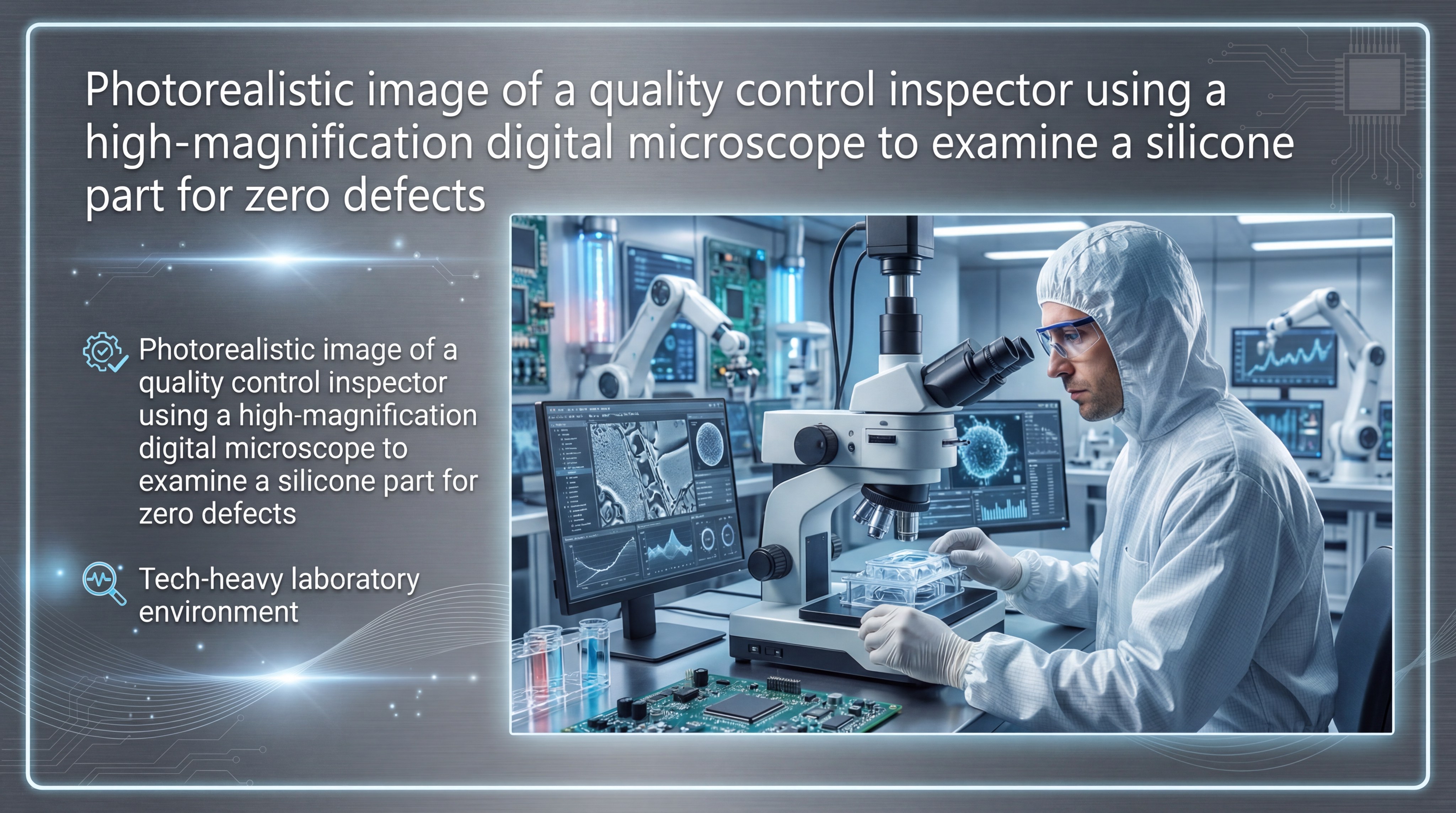
Partnering with a professional manufacturer is vital for maintaining the quality of your lsr liquid silicone rubber components. We implement rigorous testing protocols to ensure every part meets the strictest dimensional tolerances.
What inspection tools are necessary?
Maintaining a zero-defect rate requires specialized equipment and a dedicated quality control team.
This is critical:
- CCD visual inspection systems for detecting surface defects automatically.
- Precision dimensional measurement tools for tolerance verification.
- Comprehensive physical testing for hardness and tensile strength.
Key Takeaway: A dedicated three-stage quality control system ensures that you receive perfect parts from prototype through mass production.
| QC Stage | Primary Focus | Tooling Used |
|---|---|---|
| IQC | Raw Material | Material Analysis |
| IPQC | Molding Process | Real-time Patrol |
| FQC | Finished Goods | CCD / Measurement |
Inquire about the specific inspection equipment used by your supplier to guarantee the reliability of your supply chain.
FAQ: Common Questions About LSR
- Can I customize the hardness of LSR parts?
Yes, LSR is available in a wide range of durometers, typically ranging from Shore 10A to Shore 80A to suit your design. - What’s the best way to bond LSR to plastic?
Overmolding is the most effective method, as it creates a chemical or mechanical bond during the injection process. - Can I use LSR for food-contact applications?
Absolutely, as LSR can be formulated specifically to meet FDA and LFGB food-safety standards for kitchenware and feeding. - What’s the best lead time for LSR tooling?
Depending on the complexity, in-house mold making can typically produce production-ready samples within 2 to 4 weeks. - Can I get high-transparency parts with LSR?
Yes, the material is naturally transparent and can be processed to maintain high optical clarity for lenses and windows.
Conclusion
Transitioning to lsr liquid silicone rubber offers a strategic advantage for brands demanding precision, safety, and scale. By understanding the chemistry and processing of this material, you can unlock new design possibilities and reduce long-term manufacturing risks. At Hualin Silicone, we are dedicated to providing the engineering expertise and production discipline required to bring your most complex silicone projects to life.
If you are ready to optimize your components, contact us today for expert DFM support and a high-precision manufacturing quote. We stand by our commitment to quality and your project’s success.