
FDA food safe silicone is a specialized synthetic polymer primarily composed of silicon, oxygen, carbon, and hydrogen, specifically formulated to meet strict toxicity and migration standards. You might feel overwhelmed by the technical jargon surrounding kitchenware and industrial seals, wondering if the materials touching your food are truly safe. This confusion often leads to anxiety about chemical leaching and long-term health impacts for your family or customers. By understanding the composition of high-quality food safe silicone, you can make informed decisions that ensure safety, durability, and peace of mind in every application.
What is the primary chemical backbone of silicone?
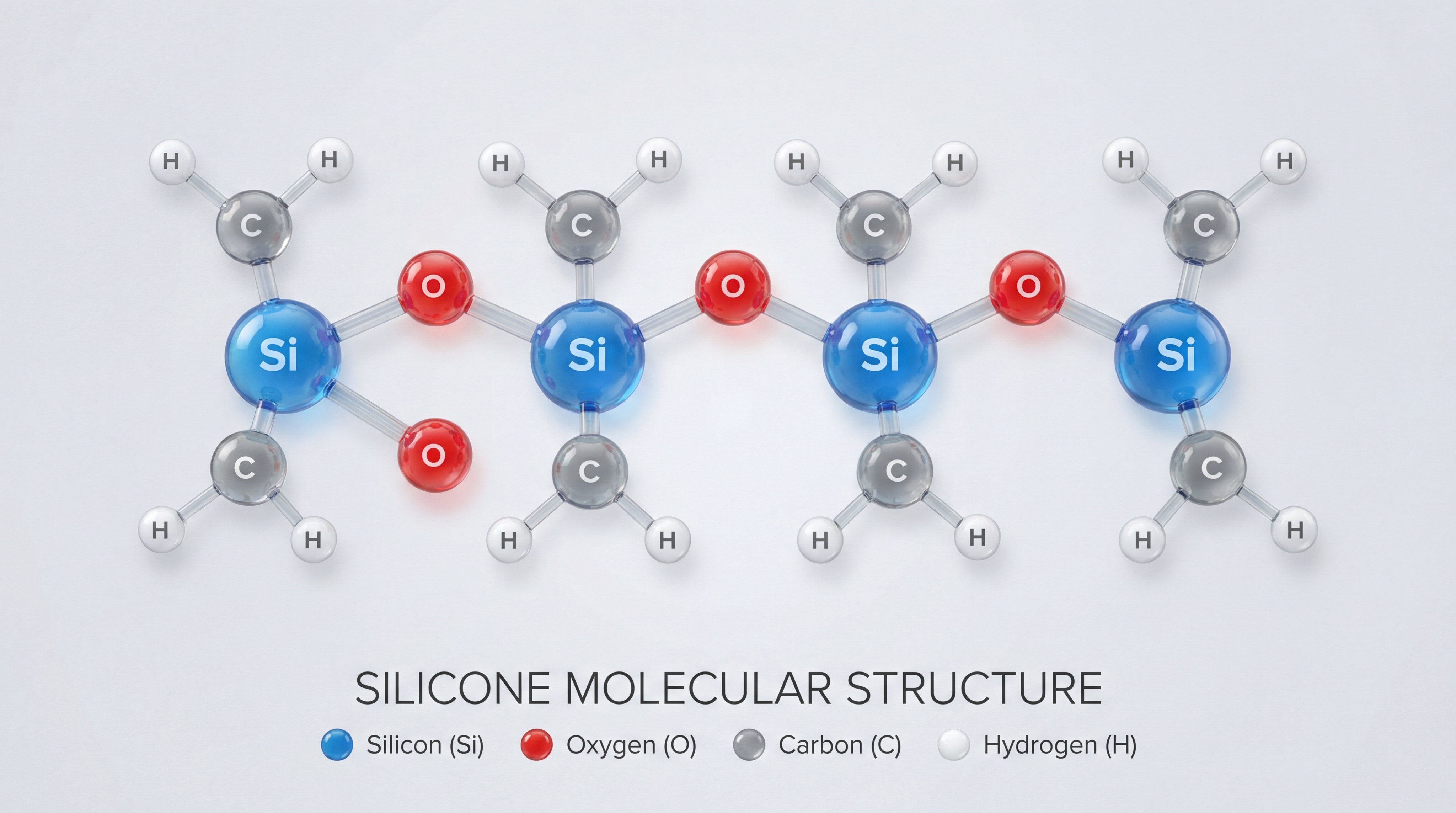
The primary chemical backbone of this material is a repeating chain of silicon and oxygen atoms, which distinguishes food safe silicone from carbon-based plastics. This siloxane structure provides an incredibly stable foundation that resists breaking down under environmental stress. Because the Si-O bond is stronger than the C-C bond found in organic polymers, the material maintains its integrity longer.
What atoms are involved in the polymer chain?
At the molecular level, the alternating silicon and oxygen atoms form the main “spine” of the polymer. This configuration allows for significant flexibility and thermal stability because the bond angles can adjust easily. You will find that these inorganic properties are what allow the material to remain non-reactive with most food types.
- Silicon (Si): The core element derived from quartz sand.
- Oxygen (O): The connecting atom that creates the flexible bridge.
- Methyl Groups: Organic attachments that provide water repellency.
- Hydrocarbon Side Chains: Elements that determine the specific grade.
But here is the kicker. These side groups are carefully selected during the synthesis process to ensure the final product is suitable for contact with consumables.
How does the Si-O bond contribute to food safety?
The strength of the silicon-oxygen bond is the secret behind the material’s inert nature. Unlike many plastics, this backbone does not degrade into microplastics or release harmful phthalates when heated. This stability ensures that the chemical composition remains unchanged even during repeated use in high-temperature environments.
- High Bond Energy: Prevents thermal decomposition.
- Inert Surface: Reduces the likelihood of bacterial growth.
- Non-porous Structure: Prevents the absorption of odors or flavors.
- Hydrophobic Properties: Makes the surface easy to clean and sanitize.
You might be wondering. This specific atomic arrangement is exactly why global health organizations trust this material for sensitive applications.
Key Takeaway: The unique inorganic backbone of silicone provides a level of chemical stability that organic plastics cannot match, making it inherently safer for repeated food contact.
| Component | Role in Backbone | Benefit |
|---|---|---|
| Silicon | Primary Element | Provides high temperature resistance |
| Oxygen | Linkage Atom | Grants the material its signature flexibility |
| Side Groups | Functional Modifier | Determines softness and oil resistance |
This structural foundation is the reason why silicone remains the preferred choice for safety-conscious manufacturers globally.
Where does the raw material for silicone come from?
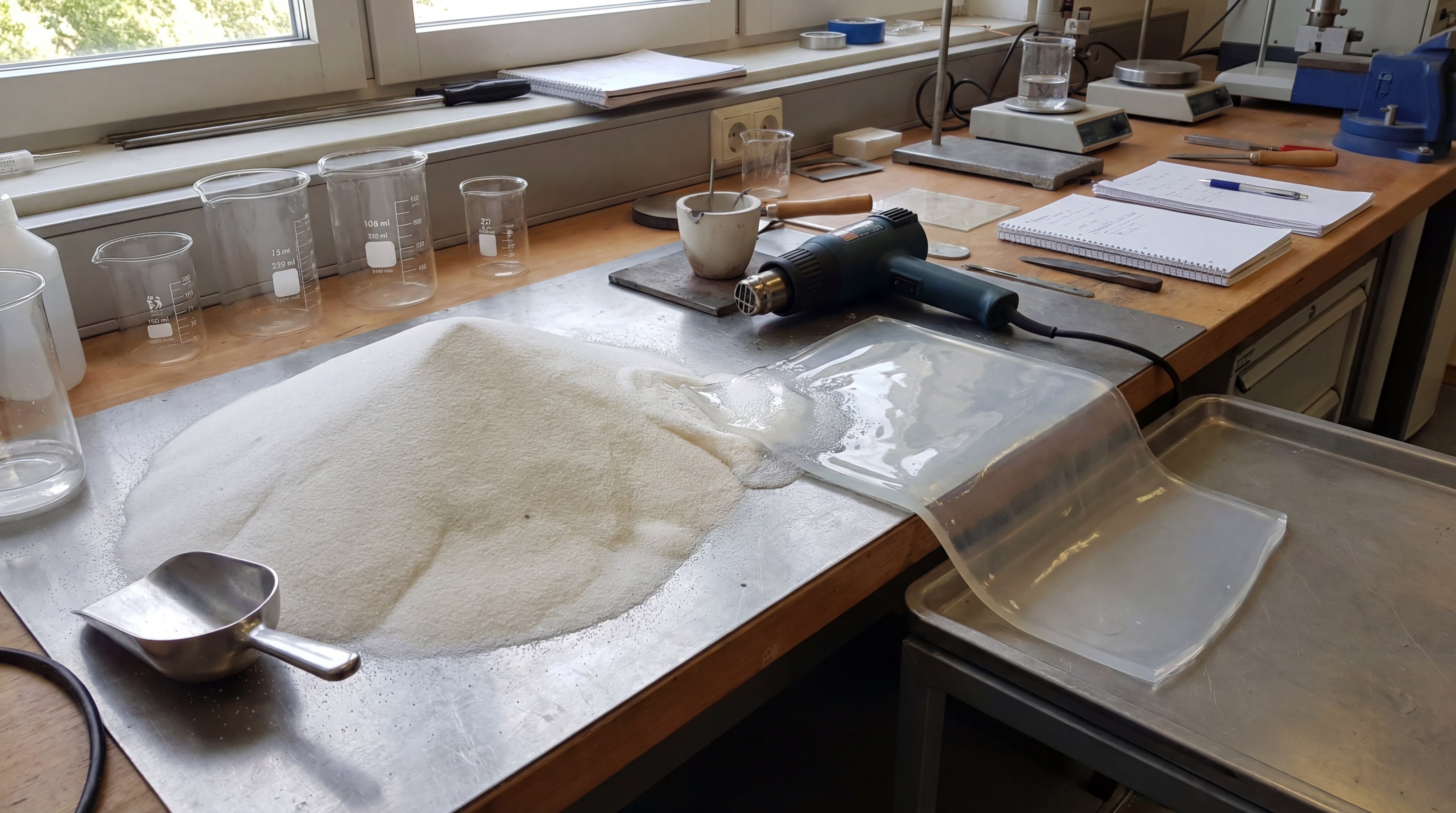
The journey of food safe silicone begins with silica, a natural compound found abundantly in the earth’s crust as sand or quartz. While it starts as a natural mineral, it undergoes a complex chemical transformation to become the flexible polymer you recognize. This transition from rigid mineral to soft elastomer is a testament to modern material science.
How is silica sand converted into silicone?
The process starts by heating high-purity silica sand with carbon in an industrial furnace to extract pure silicon metal. This silicon is then reacted with methyl chloride to create various chlorosilanes, which are the building blocks of the polymer. After a series of distillation and hydrolysis steps, the raw silicone fluid is formed and ready for further refinement.
- Carbon Reduction: Separates oxygen from the silicon atoms.
- Synthesis: Combines silicon with organic molecules.
- Distillation: Purifies the monomers to remove unwanted byproducts.
- Hydrolysis: Creates the initial siloxane chains.
Think about it this way. The complexity of this refinement process is what ensures that the final product is free from the impurities found in raw sand.
Why is the purification of raw materials so critical?
For a material to be classified as food grade, the raw inputs must be exceptionally pure to prevent heavy metal contamination. Any trace elements left over from the sand or the reaction process could compromise the safety of the finished product. Leading manufacturers like those found at our about us page prioritize sourcing high-purity precursors.
- Heavy Metal Screening: Ensures no lead or mercury remains.
- Volatile Removal: Eliminates odors and low-molecular-weight siloxanes.
- Environmental Controls: Prevents cross-contamination during synthesis.
- Batch Testing: Verifies the chemical profile before molding begins.
It gets better. By starting with medical-grade or ultra-pure silica, the resulting silicone achieves a level of safety that meets even the strictest FDA 21 CFR 177.2600 requirements.
Key Takeaway: While derived from abundant natural sand, the safety of silicone depends entirely on the rigorous chemical purification and transformation processes used during its creation.
| Raw Material | Source | Final Function |
|---|---|---|
| Silica Sand | Natural Quartz | Source of pure silicon atoms |
| Methyl Chloride | Synthetic Chemical | Adds organic flexibility to the spine |
| Water | Purified Source | Facilitates the polymerization reaction |
This rigorous transformation ensures that the natural abundance of silicon is harnessed into a safe, controlled industrial material.
How is food safe silicone manufactured and cured?
The manufacturing of food safe silicone involves mixing raw silicone gum or liquid with specific additives and then “curing” it into a solid form. This curing process is a chemical reaction that creates cross-links between the polymer chains, turning a sticky substance into a durable rubber. The method of curing used directly impacts the purity and safety of the final kitchen or industrial product.
What is the difference between LSR and HCR?
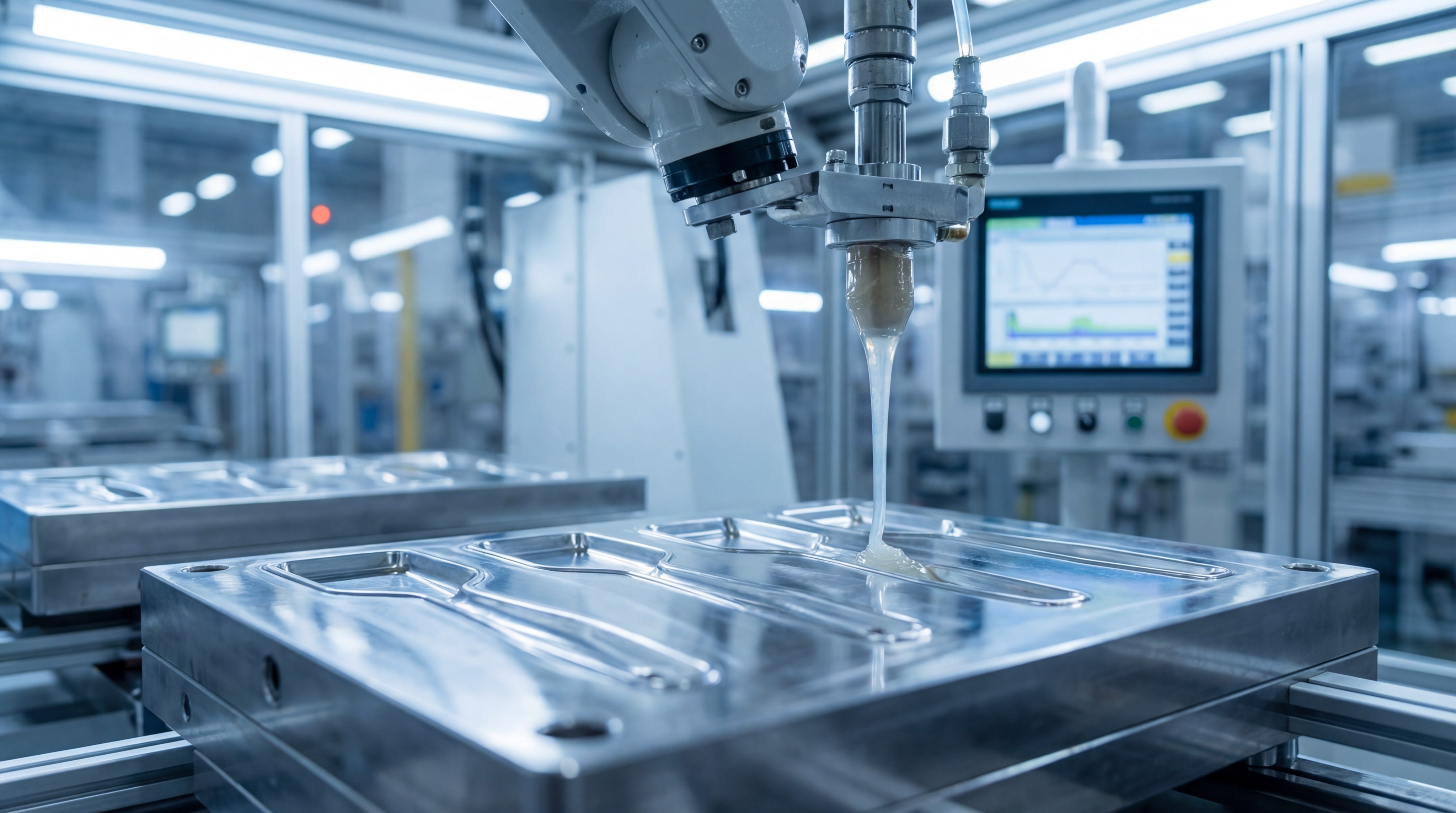
Liquid Silicone Rubber (LSR) is often preferred for complex food-grade parts because it uses a closed injection molding system that minimizes contamination. High Consistency Rubber (HCR), on the other hand, is a clay-like material used for extrusion or compression molding. Both can be food safe, but the precision of LSR often results in higher consistency for delicate items like bottle nipples.
- LSR: Pumped through sealed systems for maximum purity.
- HCR: Rolled and cut, requiring more manual handling.
- Precision: LSR offers tighter tolerances for sealing rings.
- Speed: HCR is often more cost-effective for large, simple gaskets.
The best part? Modern LSR injection molding allows for the creation of intricate designs without sacrificing the material’s inherent safety.
Why does the curing agent matter for food contact?
Curing agents are the catalysts that trigger the hardening of the silicone, and their residues can remain in the final product. For food applications, the catalyst must either be completely inert or removed entirely during a post-curing heating process. If the wrong catalyst is used, it can leave behind a bitter taste or harmful chemical byproducts.
- Cross-linking: Creates the three-dimensional rubber network.
- Catalyst Selection: Determines the presence of residual chemicals.
- Temperature Control: Ensures the reaction goes to completion.
- Post-Curing: A secondary bake that removes any lingering volatiles.
Make no mistake. The curing method is the single most important factor in determining whether a silicone product is truly food safe or merely “industrial grade.”
Key Takeaway: Precision in the manufacturing process, particularly the choice of curing technology, is essential for producing silicone that is free from toxic residues and safe for daily food use.
| Process Type | Common Application | Safety Advantage |
|---|---|---|
| Liquid Injection | Baby bottle nipples | Sealed system prevents dust/debris |
| Compression | Baking mats | High durability for repeated use |
| Extrusion | Beverage tubing | Consistent internal diameter for flow |
These manufacturing techniques are carefully calibrated to maintain the material’s purity from the mixing bowl to your kitchen.
Why is platinum curing better than peroxide curing?
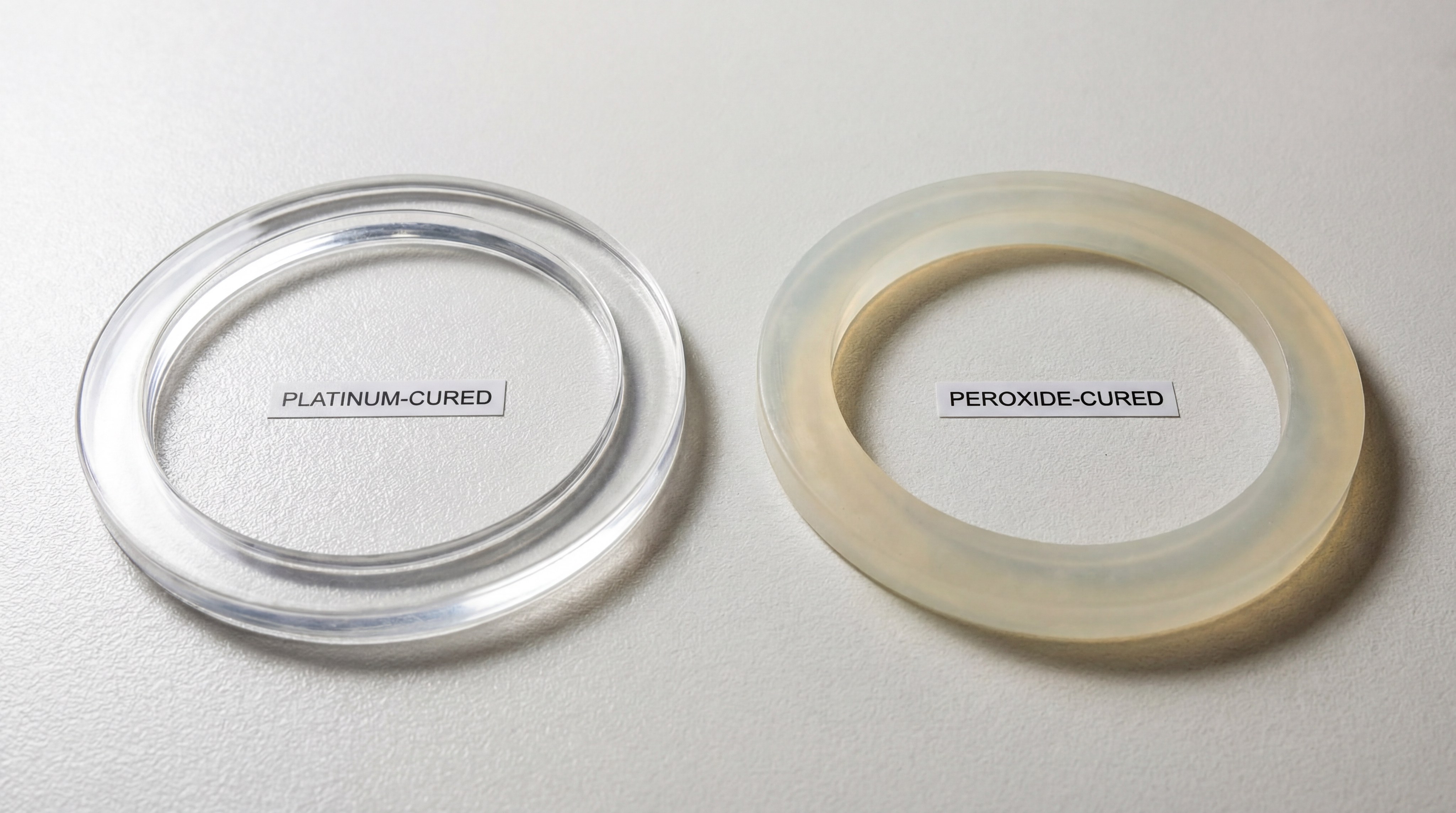
In the world of food safe silicone, platinum curing is widely considered the gold standard for purity and performance. Peroxide curing, while cheaper, can leave behind “blooming” residues and organic acids that are undesirable in food contact applications. When you choose platinum-cured products, you are opting for a material that has been cross-linked without producing toxic byproducts.
How does the platinum catalyst work?
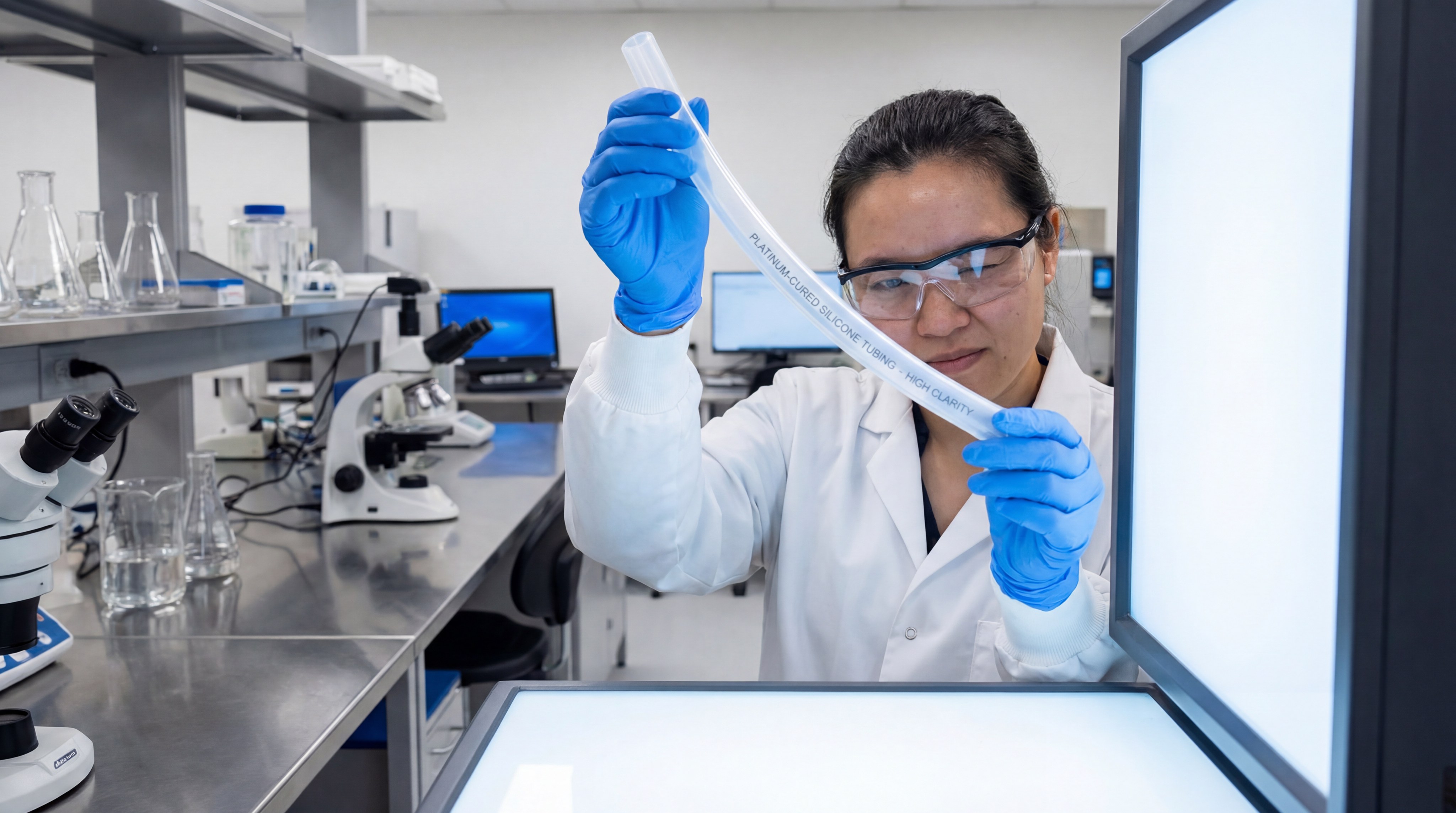
The platinum catalyst facilitates an addition reaction where the polymer chains link together without releasing any secondary chemicals. This results in a material that is exceptionally clear, odorless, and tasteless, which is vital for beverage tubing and food storage. Because the catalyst remains part of the matrix in trace amounts, it does not migrate into your food.
- Addition Reaction: No harmful byproducts are formed during curing.
- Clarity: Platinum-cured silicone remains transparent and doesn’t yellow.
- Consistency: The physical properties are more stable over time.
- Biocompatibility: Highest rating for medical and food safety.
You may have noticed. Platinum-cured items often feel smoother and lack the “rubbery” smell associated with cheaper alternatives.
What are the risks of using peroxide-cured silicone?
Peroxide curing involves a free-radical reaction that produces organic acid byproducts, which must be “baked out” during a post-cure process. If this step is skipped or done incorrectly, these acids can leach out, causing the silicone to smell or leave a “white powder” residue known as bloom. This can compromise the flavor of food and may not meet the highest FDA standards for repeat-use applications.
- Off-gassing: Potential for unpleasant odors during initial use.
- Acidity: Residual peroxide can affect the pH of sensitive liquids.
- Blooming: Surface residues that can contaminate food batches.
- Lower Clarity: Often appears cloudy or slightly translucent.
The truth is. While peroxide silicone is common in industrial gaskets, it is generally avoided by premium food-grade products due to these leaching risks.
Key Takeaway: Platinum-cured silicone is superior for food safety because it uses an addition-based reaction that leaves the final product free of odors, tastes, and chemical residues.
| Feature | Platinum Cured | Peroxide Cured |
|---|---|---|
| Byproducts | None (Addition reaction) | Organic acids (Radical reaction) |
| Odor | Completely Odorless | Potential for “rubbery” smell |
| Appearance | Crystal Clear | Translucent/Cloudy |
Choosing the right curing agent ensures that your silicone components never interfere with the quality or safety of the products they touch.
Can food safe silicone withstand extreme temperatures?
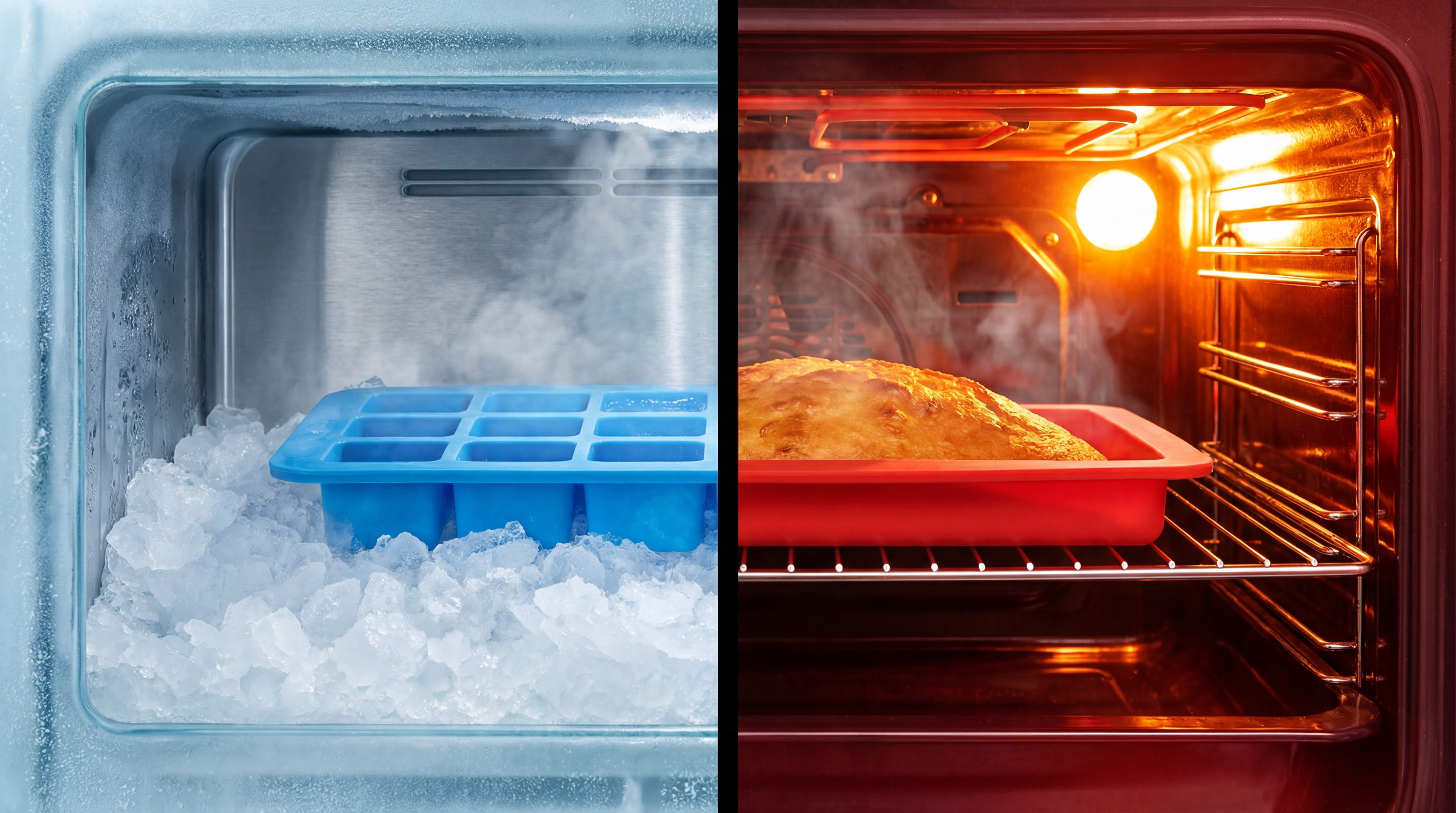
One of the most remarkable features of food safe silicone is its ability to maintain its physical properties across a vast temperature range. You can move a silicone mold from the deep freezer directly into a hot oven without it cracking, melting, or releasing fumes. This thermal stability is a direct result of the strong silicon-oxygen backbone discussed earlier.
What is the typical temperature range for FDA silicone?
Most FDA-compliant silicone can safely operate between -60°C and +230°C (-76°F to +446°F) without any loss of flexibility or structural integrity. Some specialized grades can even reach 300°C for short periods, making them ideal for high-heat baking and industrial food processing. This range covers almost every conceivable kitchen and food manufacturing environment.
- Freezer Safe: Does not become brittle or snap at sub-zero temps.
- Oven Safe: Resists melting and scorching in high-heat environments.
- Dishwasher Safe: Withstands the combination of heat and chemicals.
- Microwave Safe: Does not absorb energy or leach chemicals when nuked.
Now, consider this. This versatility allows a single silicone container to serve as a storage unit, a cooking vessel, and a serving dish.
Why doesn’t silicone melt like regular plastic?
Unlike thermoplastics that soften and liquefy when heated, silicone is a “thermoset” elastomer, meaning its chemical bonds are permanently locked during curing. Once it is formed, it will not return to a liquid state, though it will eventually oxidize and turn to ash if exposed to extreme, direct flame. This prevents the “melting plastic” disaster that can happen with inferior kitchen tools.
- Cross-linked Bonds: Lock the molecular structure in place.
- Low Thermal Conductivity: Protects your hands and surfaces from heat.
- Dimensional Stability: Retains its shape even under thermal stress.
- Oxidation Resistance: Prevents the material from becoming crusty or hard.
Believe it or not. This heat resistance is why silicone is the preferred material for industrial oven seals and high-performance bakeware.
Key Takeaway: The thermoset nature of silicone provides unparalleled thermal stability, allowing it to perform safely in both freezing and high-heat environments where plastics would fail.
| Temperature Condition | Silicone Behavior | Typical Application |
|---|---|---|
| Deep Freeze (-60°C) | Stays flexible; no cracking | Ice cube trays/Frozen food molds |
| Room Temp (25°C) | Inert and stable | Food storage containers |
| High Heat (230°C) | No melting or leaching | Baking mats and oven mitts |
This wide operating window makes silicone one of the most versatile and reliable materials in the modern food industry.
Is food safe silicone resistant to chemical exposure?
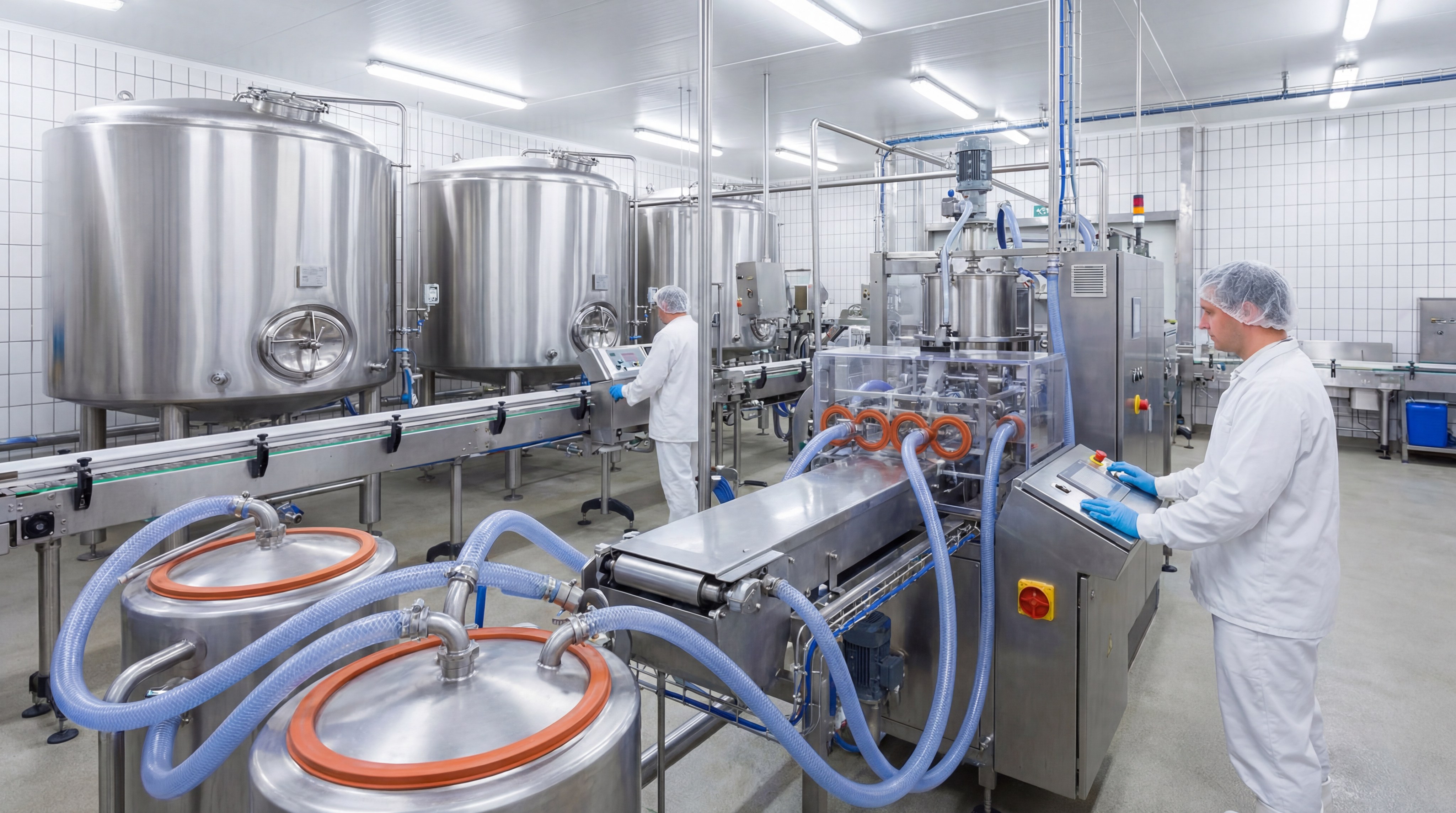
In industrial food production, equipment is constantly exposed to cleaning agents, oils, and acidic food components. Food safe silicone is prized for its excellent chemical resistance, ensuring that seals and tubes do not degrade when they come into contact with harsh substances. This resistance extends the life of the components and prevents chemical contamination of the food supply.
How does silicone handle acidic and fatty foods?
Silicone is largely unaffected by the weak acids found in citrus fruits or the complex fats found in dairy and meat products. While some rubbers swell when exposed to oils, high-quality food-grade silicone maintains its dimensions and seal integrity. This makes it an essential material for the dairy and beverage industries where consistency is non-negotiable.
- Acid Resistance: Safe for use with vinegar, citrus, and tomatoes.
- Fat/Oil Stability: Does not swell or degrade when in contact with lipids.
- Alcohol Resistance: Ideal for brewing and distilling applications.
- Sugar Stability: Does not become sticky or degrade in high-sugar environments.
And that’s not all. The non-stick surface further ensures that these chemical components don’t “stain” the material or leave behind residual flavors.
Can silicone withstand industrial cleaning chemicals?
Industrial food lines must be sanitized with detergents and sometimes steam; luckily, silicone is highly resistant to both. It can withstand repeated CIP (Clean-In-Place) cycles without hardening or becoming gummy, which is a common failure point for EPDM or Nitrile rubbers. This durability reduces maintenance downtime in large-scale food manufacturing plants.
- Detergent Compatibility: Resists breakdown from common soaps.
- Steam Sterilization: Can be autoclaved without losing its properties.
- UV/Ozone Resistance: Does not crack when exposed to sanitizing lights.
- Antimicrobial: Does not provide a food source for bacteria or mold.
But wait, there’s more. Because the material is so smooth and chemically inert, it is much harder for biofilms to attach to the surface of silicone tubing.
Key Takeaway: Silicone’s broad chemical compatibility ensures that it remains safe and functional even when subjected to aggressive cleaning protocols and acidic food ingredients.
| Chemical Type | Silicone Resistance | Example Use Case |
|---|---|---|
| Organic Acids | Excellent | Tomato sauce processing |
| Animal Fats | High | Meat packaging machinery |
| Sanitizers | Excellent | Brewing line sterilization |
By resisting chemical breakdown, silicone protects the purity of the food chain and the longevity of manufacturing equipment.
How do FDA regulations define silicone safety?
The FDA doesn’t just give a blanket “thumbs up” to all silicone; it sets specific criteria under Title 21 of the Code of Federal Regulations. To be considered food safe silicone, the material must pass extraction tests that measure how much of the substance migrates into food under different conditions. These regulations ensure that the composition you use is safe for repeat-use applications in kitchens and factories.
What is 21 CFR 177.2600?
This specific regulation covers “Rubber articles intended for repeated use,” and it outlines the allowed ingredients and the limits for extractable substances. Manufacturers must test their products in distilled water and n-hexane to simulate both aqueous and fatty food contact. If the levels of migrated substances are below the strict thresholds, the material can be legally labeled as FDA food-grade.
- Ingredient List: Only specific, pre-approved chemicals can be used.
- Extraction Limits: Sets a maximum weight of material that can leach out.
- Repeat Use: Focuses on durability over multiple cleaning cycles.
- Documentation: Requires manufacturers to maintain proof of compliance.
To put it simply. These rules act as a gatekeeper, ensuring that only the highest quality chemical formulations reach your dinner table.
Is FDA the same as LFGB certification?
While FDA is the standard in the United States, LFGB is the German and European standard, which is often considered even more stringent. LFGB testing involves more rigorous extraction methods, particularly for substances that might affect the smell or taste of food. Many high-end manufacturers aim for both certifications to ensure global marketability and the highest possible safety profile.
- Sensory Testing: LFGB checks for changes in food odor and flavor.
- Stricter Limits: Often allows for fewer extractable volatiles.
- Global Standards: Meeting both ensures the product is safe anywhere.
- Market Access: Crucial for companies exporting to the EU and USA.
You see. Choosing a product that meets both standards is the ultimate way to guarantee that you are getting the safest material available.
Key Takeaway: FDA and LFGB regulations provide a scientific framework for safety, requiring rigorous testing to ensure that no harmful levels of chemicals ever migrate into your food.
| Regulation | Region | Focus Area |
|---|---|---|
| FDA 21 CFR 177.2600 | USA | Extractable weights in water/hexane |
| LFGB | Germany/EU | Sensory impact and volatile content |
| REACH/RoHS | Global | Restriction of hazardous substances |
Compliance with these standards is the hallmark of a professional manufacturer and a safe consumer product.
How can you tell if your silicone is high quality?
With so many products on the market, it can be difficult to distinguish between high-quality food safe silicone and cheap imitations that contain fillers. Low-cost manufacturers often add plasticizers or calcium carbonate to reduce the cost of the raw material. Fortunately, there are simple tests and observations you can use to verify the purity of your silicone items.
What is the “Pinch Test” for silicone?
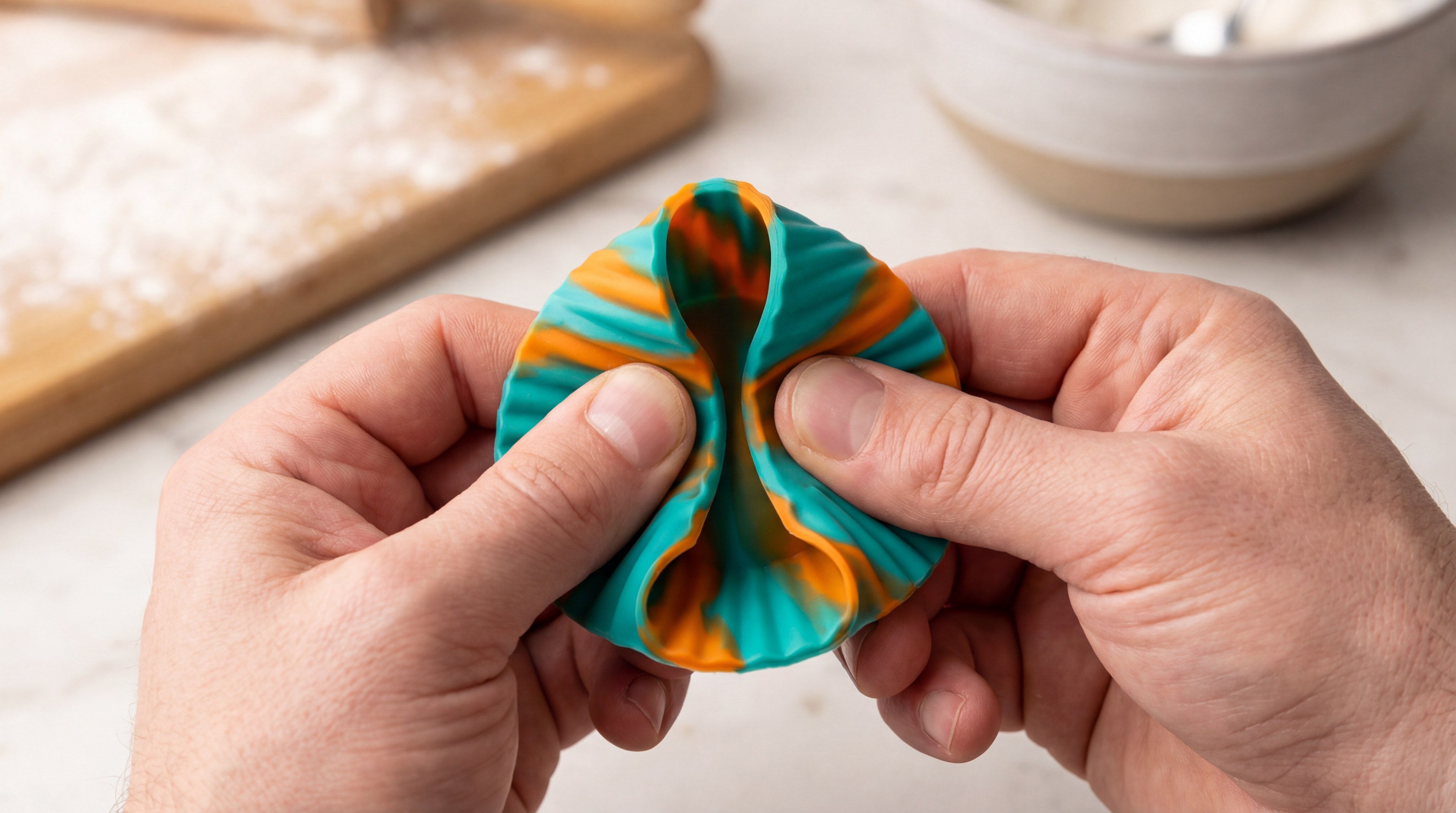
The pinch test is a quick way to check for the presence of hidden fillers in your silicone products. If you twist or pinch a piece of silicone and it turns white at the crease, it likely contains plastic fillers that are not food safe. Pure, high-quality silicone will maintain its color throughout the entire bend, indicating a consistent and pure material matrix.
- Color Consistency: No white streaks should appear when stretched.
- Texture: Should feel smooth and slightly grippy, not oily or waxy.
- Elasticity: Should snap back to its original shape instantly.
- Translucency: Pure silicone has a natural clarity that fillers often cloud.
Here is the deal. While the pinch test isn’t a lab-grade analysis, it is a highly reliable “red flag” for consumer-grade products.
Why do some silicone products have a strong smell?
High-quality food-grade silicone should be virtually odorless right out of the package. If you notice a strong chemical or “burnt plastic” smell, it is a sign of poor curing or the use of low-grade peroxide catalysts. This odor is caused by volatile organic compounds (VOCs) that are off-gassing, which can easily transfer to your food and alter its taste.
- Off-gassing: Indicates the presence of unreacted chemicals.
- Manufacturing Residue: Suggests that post-curing was skipped.
- Flavor Transfer: Strong smells almost always lead to tainted food.
- Health Risk: VOCs can be respiratory irritants in closed environments.
Keep this in mind. A clean, odorless profile is the most immediate indicator that a product has been properly manufactured and purified.
Key Takeaway: Visual inspections like the pinch test and sensory checks for odor are effective ways for consumers and businesses to verify the purity and quality of their silicone.
| Quality Indicator | High-Quality Silicone | Lower-Grade Silicone |
|---|---|---|
| Stretch/Pinch Test | Stays uniform color | Shows white streaks/fillers |
| Initial Odor | Neutral/None | Strong chemical or rubber smell |
| Surface Finish | Silky and consistent | Oily, tacky, or uneven |
Investing in high-quality silicone prevents the risk of contamination and ensures your tools last for years rather than months.
Why is food safe silicone used for baby products?
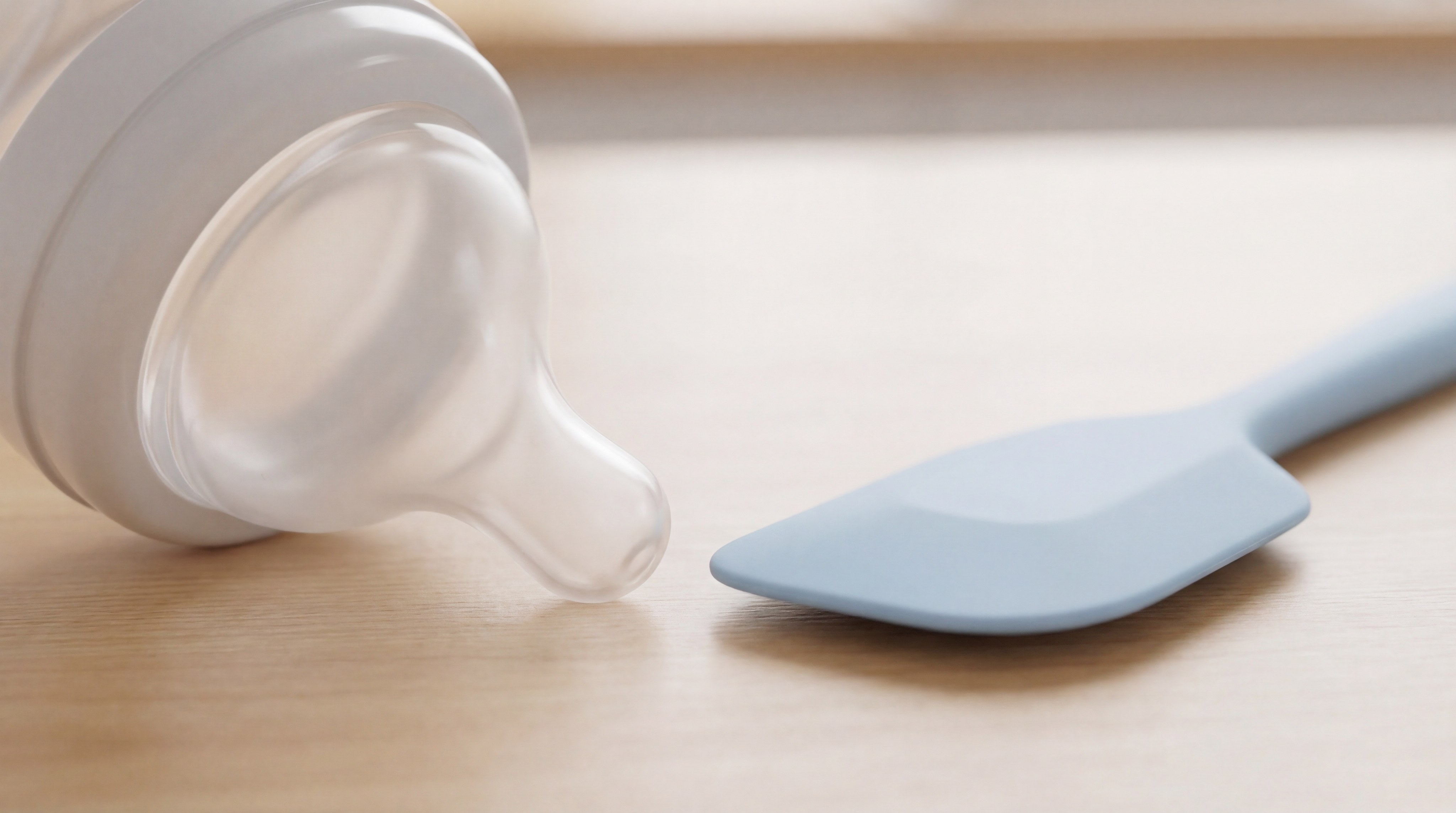
The safety requirements for baby products are the most demanding in the industry, and food safe silicone is often the only material that meets them all. It is hypoallergenic, free from BPA and phthalates, and soft enough to protect a baby’s developing gums. Because it can be sterilized repeatedly without degrading, it is the ideal material for bottle nipples, pacifiers, and teething toys.
Is silicone better than latex for babies?
While latex is a natural material, it carries a high risk of allergies and tends to degrade and become porous over time, harboring bacteria. Silicone is completely inorganic and hypoallergenic, meaning it won’t cause the allergic reactions associated with latex proteins. Additionally, silicone’s durability means it won’t crack or become sticky, which could pose a choking hazard if a piece were to break off.
- Hypoallergenic: Safe for babies with sensitive skin or allergies.
- Bacteria Resistant: Non-porous surface prevents germ buildup.
- Heat Stable: Can be boiled or steamed thousands of times.
- Tasteless: Does not interfere with the flavor of breast milk or formula.
You won’t believe it. The switch from latex to silicone has significantly reduced the incidence of contact dermatitis in infants worldwide.
What makes silicone “biocompatible”?
Biocompatibility means that the material does not induce a toxic or immunological response when it comes into contact with living tissue. Food-grade silicone, particularly platinum-cured varieties, is so inert that it is also used in medical implants and catheters. This level of safety ensures that even if a baby chews on a silicone toy for hours, no harmful substances will enter their system.
- Non-toxic: No BPA, BPS, PVC, or phthalates.
- Softness Control: Can be molded to mimic the feel of skin.
- Color Stability: Safe food-grade pigments are locked in the matrix.
- Durability: Resists tearing from sharp new teeth.
It turns out. The same properties that make silicone safe for a baby’s mouth are what make it the top choice for high-end kitchenware.
Key Takeaway: Silicone’s hypoallergenic and non-porous nature makes it the safest possible choice for products that come into contact with the most vulnerable consumers—infants and toddlers.
| Benefit | Why It Matters for Babies |
| :— | :— | :— |
| Hypoallergenic | Prevents skin rashes and allergic reactions |
| Steam Sterilizable | Allows for deep cleaning to kill germs |
| Bite Resistance | Prevents small pieces from being swallowed |
Parents and pediatricians trust silicone because it provides a soft, safe, and chemical-free experience for child development.
Is food safe silicone an eco-friendly material?
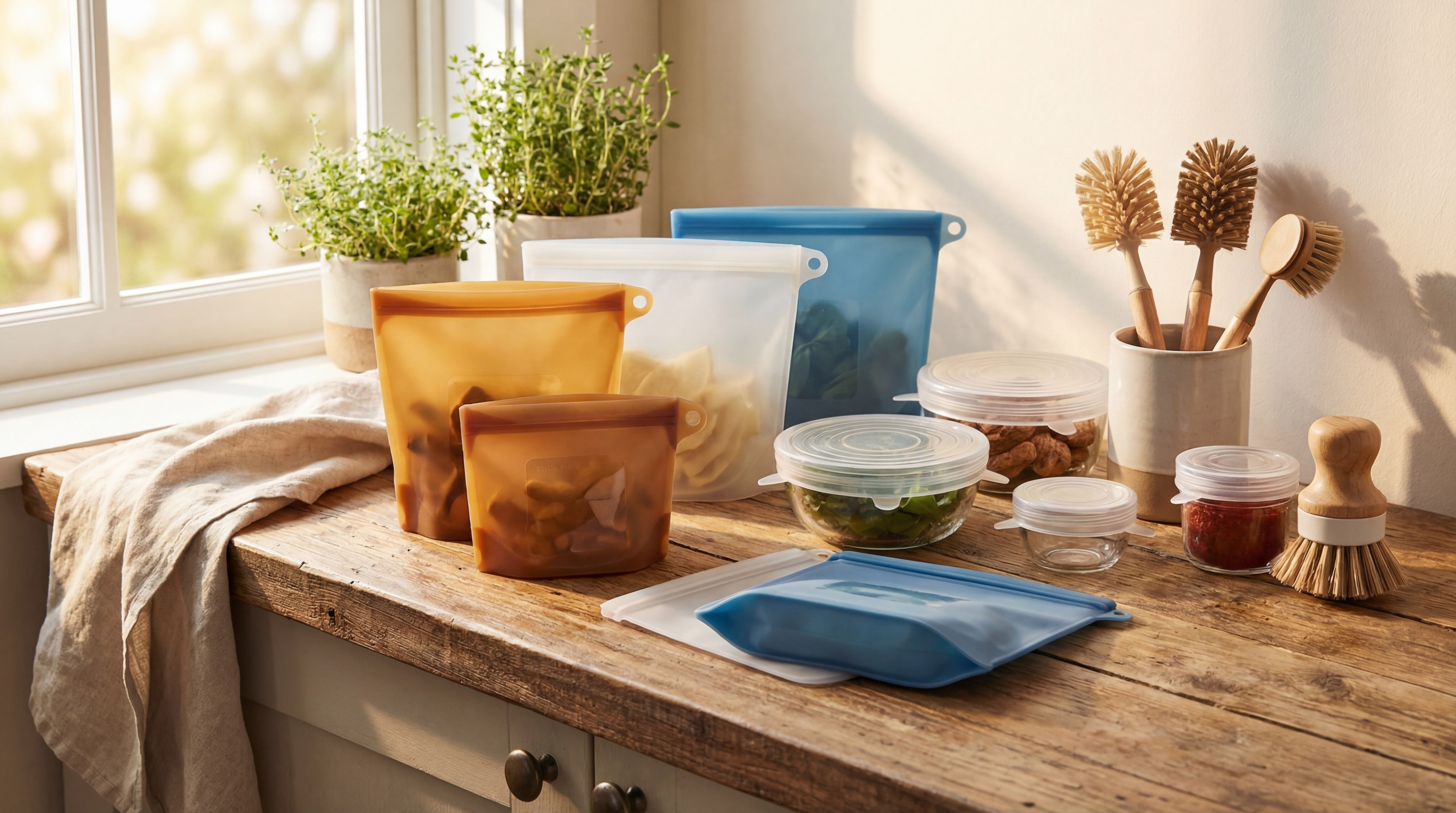
While silicone is not biodegradable, it is considered much more eco-friendly than single-use plastics due to its incredible longevity and recyclability. By replacing thousands of plastic bags or wraps with a few pieces of food safe silicone, you significantly reduce your environmental footprint. Furthermore, silicone is made from silica (sand), which is much more sustainable to source than the petroleum used for traditional plastics.
Can silicone be recycled?
Yes, silicone can be recycled, although it usually requires specialized industrial facilities rather than your curbside bin. Recycled silicone is typically ground down and used as filler for lower-grade industrial products like playground surfaces or athletic tracks. This “downcycling” keeps the material out of landfills and gives it a second life in a different form.
- Industrial Programs: Specialized companies take back silicone waste.
- Downcycling: Reborn as insulation, lubricant, or paving material.
- Waste Reduction: A single silicone bag replaces 500+ plastic ones.
- Non-Toxic Disposal: If incinerated, it returns to silica, CO2, and water.
The bottom line is this. Even though it’s not compostable, its durability makes it a “buy it for life” material that prevents massive amounts of plastic waste.
How does silicone compare to plastic in the ocean?
Unlike plastic, which breaks down into harmful microplastics that enter the food chain, silicone is chemically stable and does not degrade into small particles. It remains an inert solid that does not leach toxins into the water or soil if it ends up in the environment. While we should always strive to keep it out of the ocean, silicone is significantly less harmful to marine life than petroleum-based polymers.
- No Microplastics: Does not shatter into microscopic bits.
- Chemically Inert: Does not release endocrine disruptors into the soil.
- Ocean Friendly: Does not absorb and concentrate toxins like plastic.
- Resource Efficiency: Derived from sand rather than fossil fuels.
Think about this. Choosing silicone is a vote for a circular economy where high-quality materials are used for decades rather than minutes.
Key Takeaway: Silicone’s durability and the sustainable nature of its raw materials make it a powerful tool in the fight against plastic pollution and environmental degradation.
| Material | Source | Life Cycle |
|---|---|---|
| Food Safe Silicone | Silica Sand | Multi-decade use / Industrial recycling |
| Single-Use Plastic | Petroleum | Minutes of use / Thousands of years in landfill |
| Biodegradable Plastic | Corn/Starch | Single use / Requires industrial composting |
By opting for silicone, you are choosing a path of sustainability that prioritizes long-term health for both humans and the planet.
*
At Hualin, we are committed to providing only the highest-grade, FDA-compliant silicone solutions for our global partners. Our expertise in material science and precision manufacturing ensures that every component we produce meets the most rigorous safety standards. Whether you are developing medical-grade baby products or industrial food processing seals, our team is here to support your success with integrity and innovation.
To learn more about how we can help your business achieve the highest safety standards, please contact us.
FAQ
Can I put any silicone in the oven?
Only if it is labeled as “Food Grade” or “Oven Safe,” as industrial grades may contain fillers that off-gas at high temperatures. Always check the manufacturer’s temperature rating, which is typically up to 230°C.
How do I clean food safe silicone?
You can clean it with warm soapy water or place it in the dishwasher, as it is resistant to both heat and common detergents. For stubborn odors, a paste of baking soda and water can be applied and rinsed off.
Can I use silicone if I have a latex allergy?
Yes, silicone is completely latex-free and hypoallergenic, making it the perfect alternative for individuals with sensitive skin or latex sensitivities.
How do I know if my silicone has fillers?
Perform the “pinch test” by twisting a small section of the material; if the crease turns white, it contains fillers. High-purity silicone will maintain its color even when stretched or twisted.
Can food safe silicone be used for liquids?
Absolutely, it is commonly used for beverage tubing and storage because it is non-porous and does not impart any flavor or odor to the liquid.