
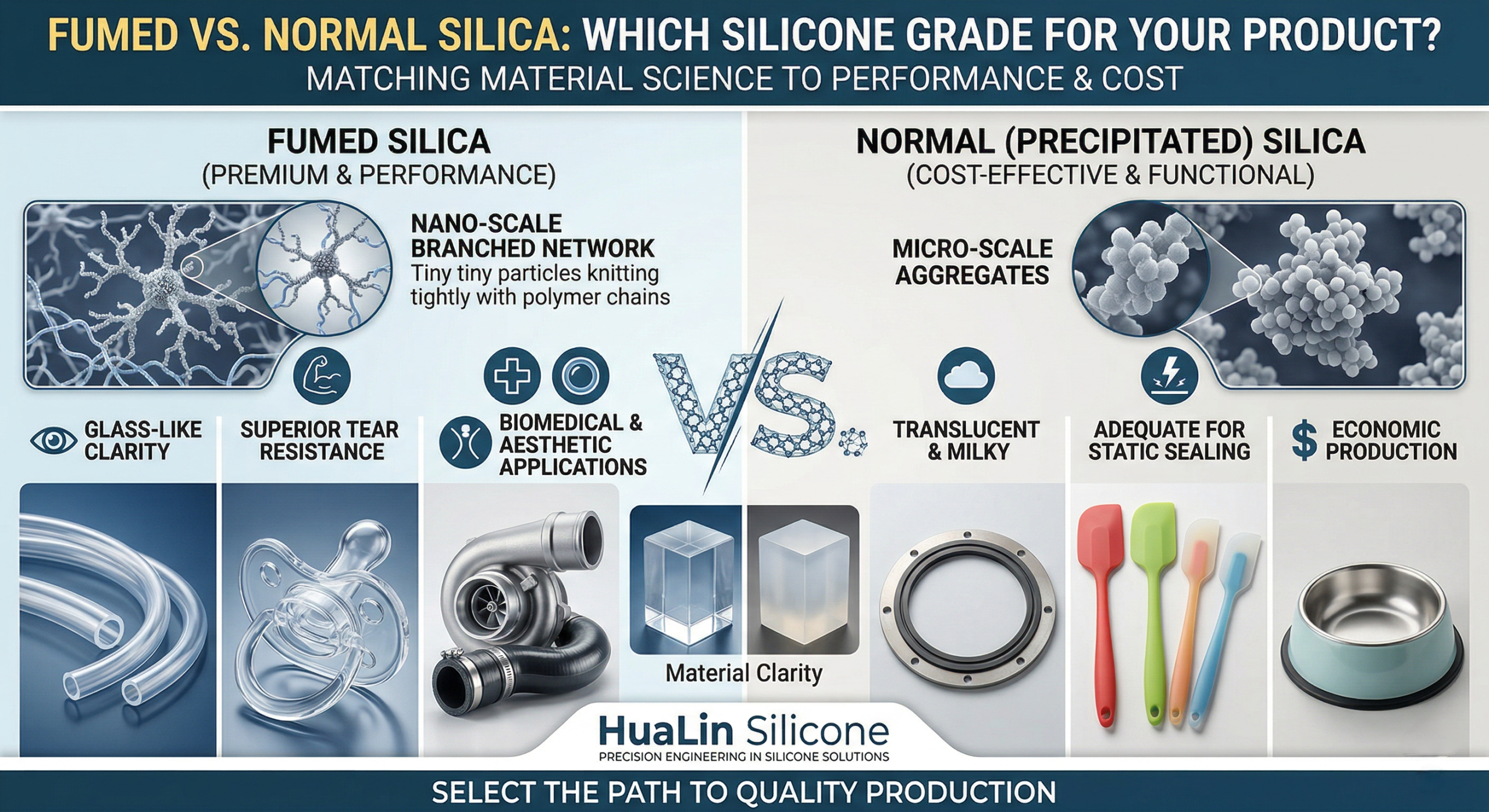
Fumed silica is the superior choice for high-performance medical and heavy-duty applications, while normal (precipitated) silica serves as the standard for cost-effective consumer goods. Many engineers struggle with balancing durability against production budgets, often choosing materials that either fail prematurely or inflate costs unnecessarily. HuaLin Silicone provides high-quality Silicone Products that solve these dilemmas by matching material science to your specific project needs.
What makes fumed and normal silica different?
The primary difference lies in the chemical manufacturing process where fumed silica uses flame hydrolysis, whereas normal silica is created through chemical precipitation. When selecting materials for Silicone Products, you must understand how these tiny white powders serve as the reinforcing backbone of the final rubber. Choosing the correct filler ensures your part performs exactly as designed in the field.
How is fumed silica produced?
The truth is:
Fumed silica is manufactured by burning silicon tetrachloride in a hydrogen-oxygen flame. This creates incredibly small, branched particles that bond tightly with the polymer chains.
- High purity levels.
- Extremely small particle size.
- Three-dimensional branched structure.
- Low ionic content.
What is the precipitated silica process?
Think about it.
Precipitated silica is made in a liquid solution through a chemical reaction between sodium silicate and sulfuric acid. This process results in larger, less uniform particles compared to the fumed variety.
- Lower production energy requirements.
- Larger particle clusters.
- Higher moisture absorption.
- Standard reinforcement properties.
Key Takeaway: Fumed silica offers a premium, high-purity structure, while precipitated silica provides a functional, budget-friendly alternative for general reinforcement.
| Feature | Fumed Silica | Precipitated (Normal) Silica |
|---|---|---|
| Production Method | Flame Hydrolysis | Chemical Precipitation |
| Purity | Extremely High | Moderate |
| Particle Size | Nano-scale | Micro-scale |
| Primary Use | High-performance parts | General consumer goods |
Why does silica grade affect material clarity?
Fumed silica produces a crystal-clear finish due to its microscopic particle size, while normal silica results in a translucent or milky appearance. For high-end Silicone Products, aesthetics are often just as important as functionality. Using the wrong filler can lead to cloudy parts that look low-quality to the end consumer.
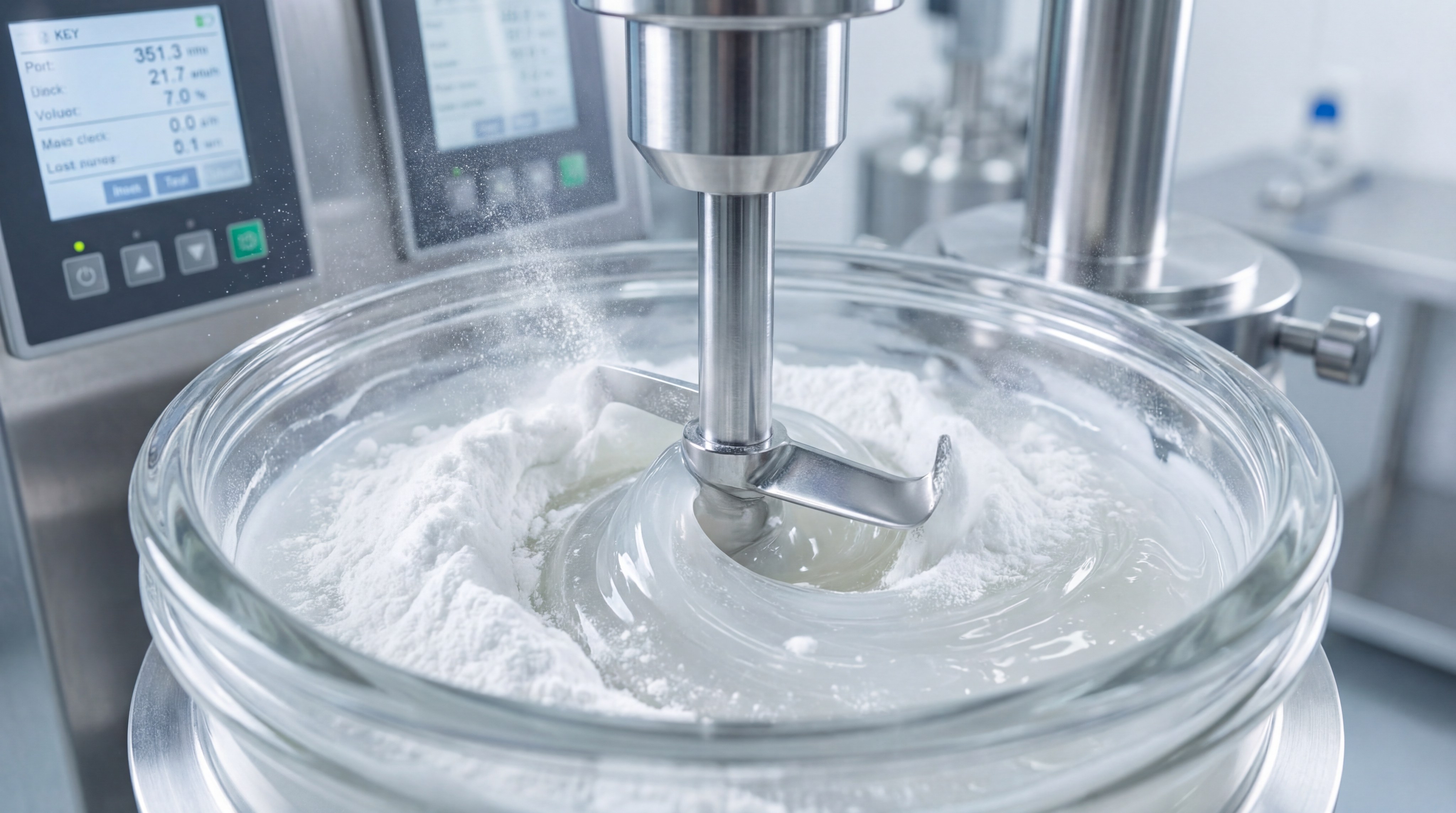
Is fumed silica necessary for aesthetics?
Let’s face it:
If your product requires glass-like transparency, fumed silica is your only viable option. The particles are so small they do not scatter light, keeping the material nearly invisible.
- Ideal for LED lenses.
- Perfect for clear medical tubing.
- Prevents yellowing over time.
- Enhances color vibrancy in dyes.
Key Takeaway: Choose fumed silica whenever your design demands high transparency or premium visual appeal to differentiate your brand.
| Visual Property | Fumed Silica Silicone | Normal Silica Silicone |
|---|---|---|
| Transparency | Excellent (Glass-clear) | Translucent to Milky |
| Color Depth | High | Moderate |
| Yellowing Resistance | High | Low to Moderate |
Which grade offers better tear resistance?
Fumed silica provides significantly higher tear strength and resilience because its branched structure creates a more robust reinforcement network within the silicone. When you manufacture Silicone Products that undergo constant stretching or pulling, material fatigue is a major risk. Normal silica can lead to “notch sensitivity,” where a small nick quickly turns into a complete failure.
Why do high-stress parts need fumed silica?
Here’s the deal:
The branched “arms” of fumed silica particles knit into the silicone matrix with extreme efficiency. This creates a material that resists crack propagation even under extreme mechanical loads.
- Superior elongation at break.
- Resists tearing from sharp edges.
- Higher tensile strength.
- Better rebound resilience.
Key Takeaway: For any part that faces mechanical stress, fumed silica is the essential choice to prevent field failures and costly returns.
| Mechanical Property | Fumed Silica Silicone | Normal Silica Silicone |
|---|---|---|
| Tear Strength | Exceptional | Moderate |
| Elasticity | High | Average |
| Durability | Long-term | Medium-term |
When should you choose medical-grade fumed silica?
You should choose fumed silica for medical applications because its ultra-low impurity levels and biocompatibility satisfy the most rigorous healthcare standards. High-quality Silicone Products used in surgery or patient care cannot risk leaching chemicals into the body. Normal silica often contains residual ions that can trigger adverse reactions or compromise fluid purity.
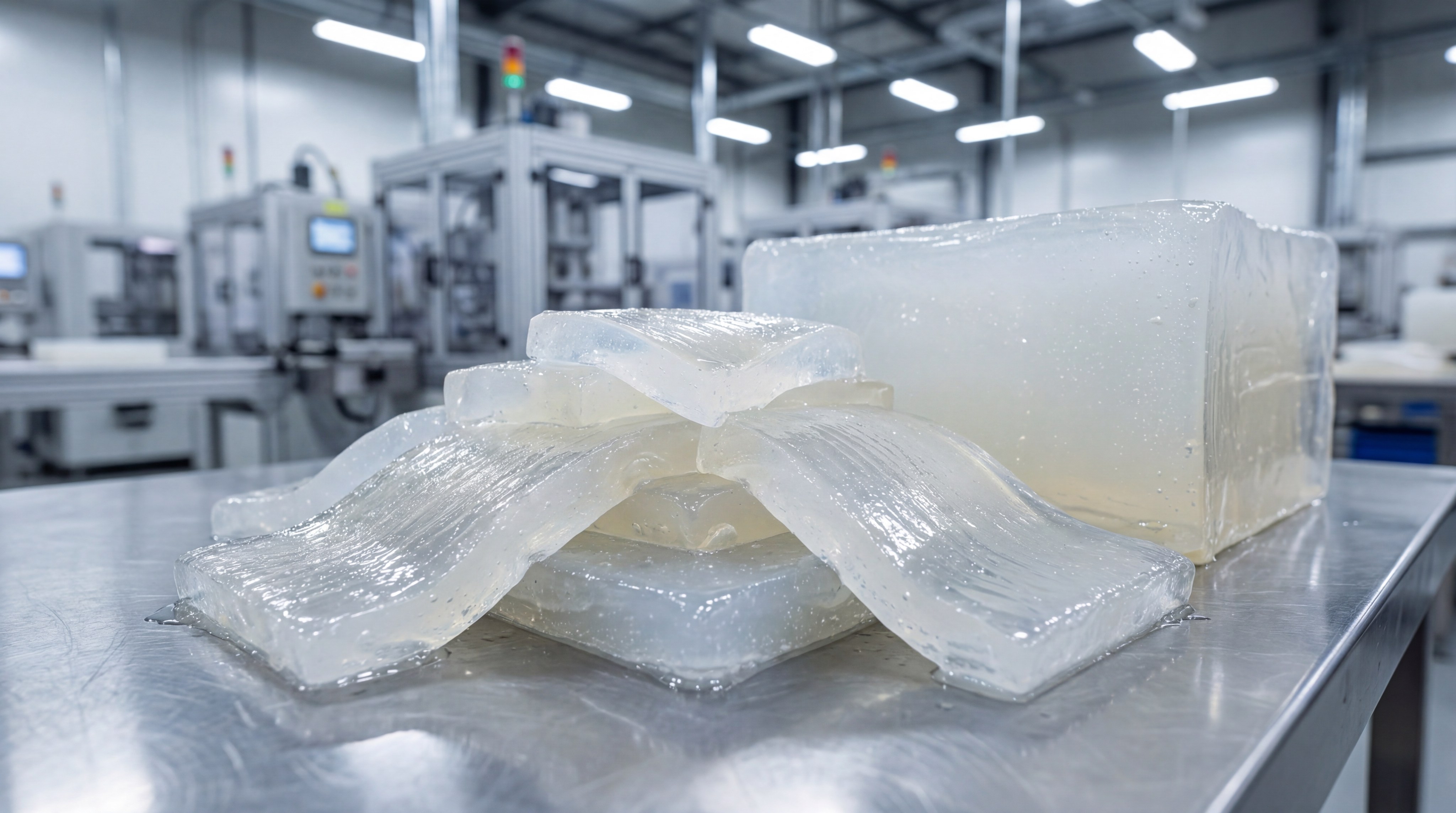
Is purity critical for wearable tech?
It gets better:
Wearable devices often stay in contact with skin for 24 hours a day, making material purity vital for user safety. Fumed silica ensures that your straps and sensors remain hypoallergenic and non-irritating.
- BPA and phthalate-free.
- Low volatile organic compounds (VOCs).
- Skin-safe for long-term wear.
- Easily sterilized via autoclave.
Key Takeaway: Medical-grade fumed silica ensures safety compliance and patient comfort for critical healthcare and wearable applications.
| Compliance Factor | Fumed Silica (Medical) | Normal Silica (Industrial) |
|---|---|---|
| Ionic Impurities | Trace amounts only | Detectable levels |
| Biocompatibility | Certified safe | Requires heavy testing |
| Sterilization | Excellent stability | Possible degradation |
Is normal silica better for industrial gaskets?
Normal silica is frequently the better choice for industrial gaskets where standard sealing performance is required without the need for extreme transparency or purity. In the world of Silicone Products, over-engineering can be just as detrimental to your bottom line as under-engineering. If your gasket is hidden inside a machine and only needs to prevent basic leaks, the premium cost of fumed silica isn’t justified.
How do standard O-rings perform?
Bottom line:
Precipitated silica provides adequate compression set and thermal stability for most static sealing applications. It offers a reliable seal that keeps machinery running without unnecessary material overhead.
- Cost-effective for bulk orders.
- Good oil and chemical resistance.
- Reliable in static environments.
- Easy to process in large batches.
Key Takeaway: Standard industrial parts often thrive on the cost-efficiency of normal silica while meeting all necessary performance specifications.
| Application Type | Recommended Silica | Reason |
|---|---|---|
| Static Sealing | Normal (Precipitated) | Cost-efficiency |
| Dynamic Sealing | Fumed | Higher wear resistance |
| Bulk Gaskets | Normal (Precipitated) | Economic viability |
Can precipitated silica lower production costs?
Yes, precipitated silica is the ideal choice for high-volume consumer Silicone Products where maintaining a low retail price point is a primary business objective. You don’t always need the “rolls-royce” of fillers for a simple kitchen tool or a pet toy. By selecting the standard grade, you can reduce your raw material spend by 20% to 40% without compromising basic utility.
Is it suitable for household items?
Believe it or not:
Most silicone spatulas and baking mats you use daily are reinforced with precipitated silica. These items perform perfectly at high temperatures while remaining affordable for the average consumer.
- Reduces unit costs significantly.
- Handles standard oven temperatures.
- Durable enough for daily washing.
- Supports opaque color branding.
Key Takeaway: Precipitated silica is the strategic choice for consumer-facing products that must remain competitive in a crowded retail market.
| Financial Factor | Fumed Silica | Precipitated Silica |
|---|---|---|
| Raw Material Cost | Premium Price | Budget-Friendly |
| Unit Margin | Lower | Higher |
| Market Target | High-end / Niche | Mass Market |
How does heat resistance vary between grades?
Both silica grades offer excellent heat resistance, but fumed silica maintains its mechanical integrity longer when exposed to extreme thermal spikes and constant vibration. High-performance Silicone Products in the automotive sector must survive under-the-hood temperatures that would degrade lesser materials. While normal silica works for basic heat, fumed silica is the engine that drives extreme-environment performance.

Does fumed silica help automotive parts?
You might wonder:
Automotive gaskets and turbocharger hoses face constant heat cycling that tests the limits of the polymer backbone. Fumed silica’s tight matrix prevents the rubber from becoming brittle or “taking a set” under these conditions.
- Maintains flexibility at -60°C.
- Stable at continuous 200°C+.
- Resists vibration-induced cracking.
- Low compression set over time.
Key Takeaway: Specify fumed silica for automotive or aerospace components where thermal stability and mechanical endurance are non-negotiable.
| Thermal Performance | Fumed Silica Silicone | Normal Silica Silicone |
|---|---|---|
| Max Continuous Temp | 220°C+ | ~200°C |
| Mechanical Retention | High | Moderate |
| Vibration Damping | Excellent | Good |
Which grade is best for baby care items?
Fumed silica is the gold standard for baby care Silicone Products because it withstands the rigors of biting, pulling, and daily boiling without degrading. Parents demand absolute safety and visual clarity for items like pacifiers and bottle nipples. Normal silica can become cloudy or develop micro-tears after repeated sterilization, which could harbor bacteria.
Are pacifiers safer with fumed silica?
The fact is:
Babies apply surprising amounts of force to silicone parts with their developing teeth and gums. Fumed silica provides the necessary tear strength to ensure the part doesn’t break off and become a choking hazard.
- High transparency for hygiene checks.
- Withstands biting and chewing.
- Remains clear after many washes.
- Zero taste or odor transfer.
Key Takeaway: Use fumed silica for any infant product to ensure the highest levels of safety, hygiene, and long-term durability.
| Baby Care Need | Fumed Silica | Normal Silica |
|---|---|---|
| Bite Resistance | Very High | Moderate |
| Hygiene (Clarity) | Stays Clear | Turns Cloudy |
| Choking Safety | Superior Strength | Standard Strength |
Does silica type influence the molding process?
Silica type directly impacts the viscosity and flow characteristics of the raw material, with fumed silica often requiring more complex processing during liquid injection molding. When designing Silicone Products, you must account for how the filler interacts with the injection equipment. A high-viscosity fumed silicone might require slower injection speeds or higher pressures to fill complex mold cavities completely.
How does viscosity impact your design?
Take note:
Fumed silica increases the “thixotropy” of the silicone, meaning it holds its shape better before curing. This is an advantage for extrusion but can be a challenge for intricate thin-walled parts.
- Affects cycle times in molding.
- Influences flash formation.
- Impacts air bubble release.
- Determines mold filling speed.
Key Takeaway: Partner with a manufacturer who understands these rheological differences to ensure your mold design and process parameters are optimized.
| Processing Factor | Fumed Silica Grade | Normal Silica Grade |
|---|---|---|
| Viscosity | Higher / Complex | Lower / Simple |
| Flowability | Moderate | Excellent |
| Extrusion Ease | Excellent | Average |
How do you decide on the right silicone grade?
You decide by balancing the functional environment of your part against the necessary safety certifications and your target manufacturing budget. For high-volume Silicone Products like pet bowls or remote sleeves, normal silica is usually the winner. However, for a life-saving medical valve or a high-stress automotive seal, the performance of fumed silica is worth every penny of the investment.
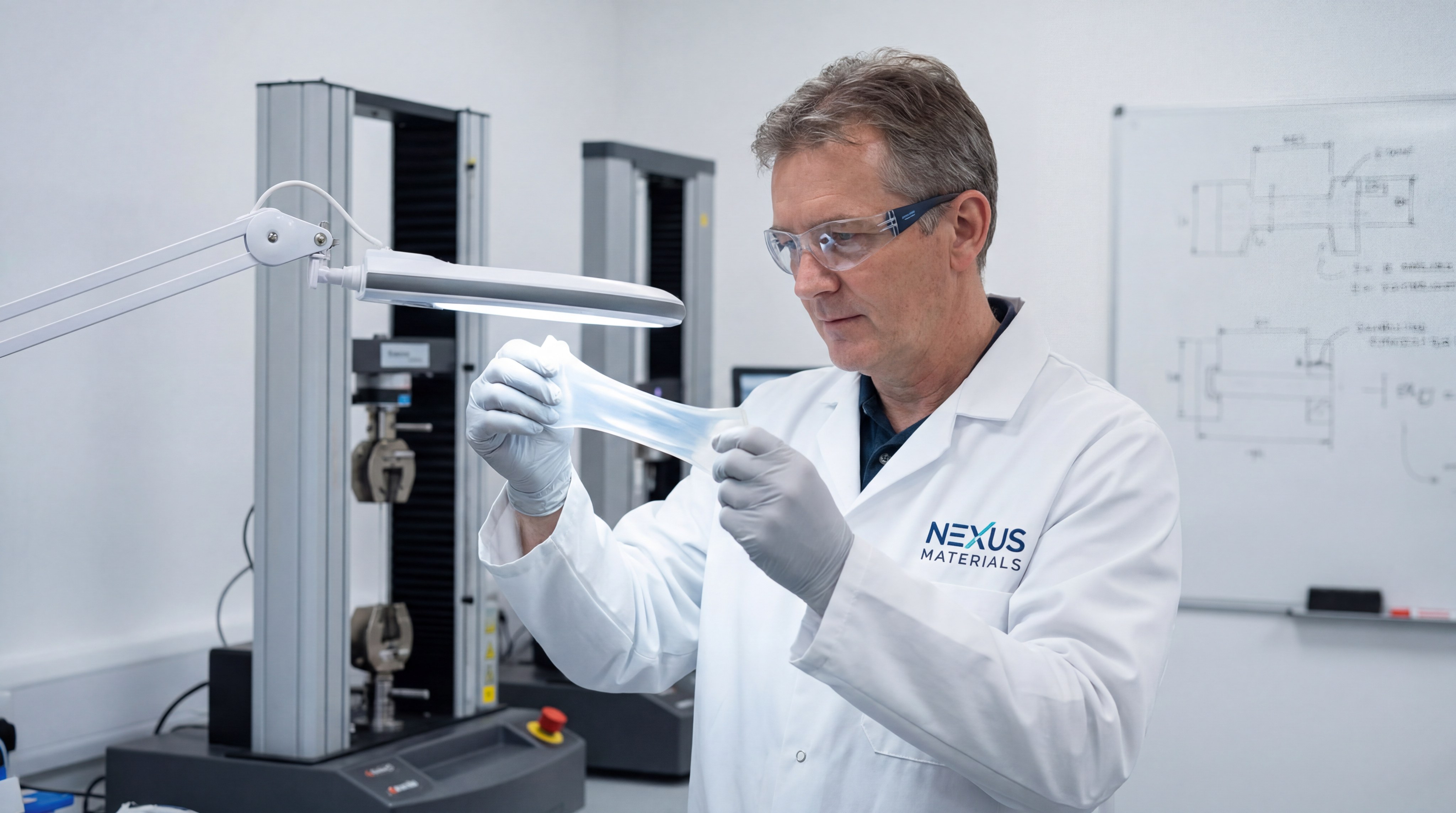
Should you consult a manufacturing expert?
In other words:
Don’t guess when it comes to material science; a small mistake in filler selection can ruin an entire production run. A professional DFM (Design for Manufacturing) review can help you find the “sweet spot” between cost and performance.
- Get free material samples.
- Review performance data sheets.
- Verify certification requirements.
- Audit the manufacturing facility.
Key Takeaway: Evaluate your product’s lifecycle and failure points before selecting a silica grade to ensure maximum ROI and reliability.
| Decision Factor | Choose Fumed Silica | Choose Normal Silica |
|---|---|---|
| Safety Priority | Medical / Food Grade | General Industrial |
| Visual Priority | Glass-clear | Opaque / Colored |
| Budget Priority | Performance-Driven | Cost-Sensitive |
Selecting the Path to Quality Production
Choosing between fumed and normal silica is more than a technicality; it is a strategic decision that defines your product’s success. Whether you need the crystal clarity and extreme strength of fumed silica or the reliable cost-efficiency of precipitated grades, getting the chemistry right is non-negotiable. HuaLin Silicone is dedicated to precision engineering, helping you navigate these complex material choices to deliver flawless results every time. We believe that stable mass production begins with the right material science and rigorous quality control.
To ensure your project uses the optimal material grade for your specific market, contact us today for a comprehensive DFM review and custom manufacturing quote.
Frequently Asked Questions
Can I use normal silica for medical devices?
Generally, no. Medical devices typically require the high purity and biocompatibility of fumed silica to meet strict regulatory standards and safety requirements.
What’s the best silicone for clear parts?
Fumed silica is the best choice for clear parts because its nano-sized particles do not scatter light, resulting in a transparent, glass-like finish.
Can I switch from fumed to normal silica to save money?
You can, but only if your product does not require high tear strength, extreme transparency, or specific medical certifications that only fumed silica provides.
What’s the best way to test silicone tear strength?
The best way is to perform a standard ASTM D624 tear test, which measures the force required to initiate and propagate a tear in the material.
Can I request a custom blend of silica fillers?
Yes, custom compounding is common in manufacturing to find a specific balance between the performance of fumed silica and the cost of precipitated silica.