To choose a silicone parts manufacturer, you must evaluate their technical capabilities, quality certifications, and ability to provide design-for-manufacturability (DFM) support. Selecting the wrong partner can lead to catastrophic product failures, costly recalls, and significant delays in your time-to-market. When you face inconsistent part quality or slow engineering responses, your brand’s reputation and bottom line are at immediate risk. You can avoid these pitfalls by understanding how to choose silicone manufacturer partners who prioritize precision engineering and scalable production.
Does the Partner Have Proven Industry Experience?
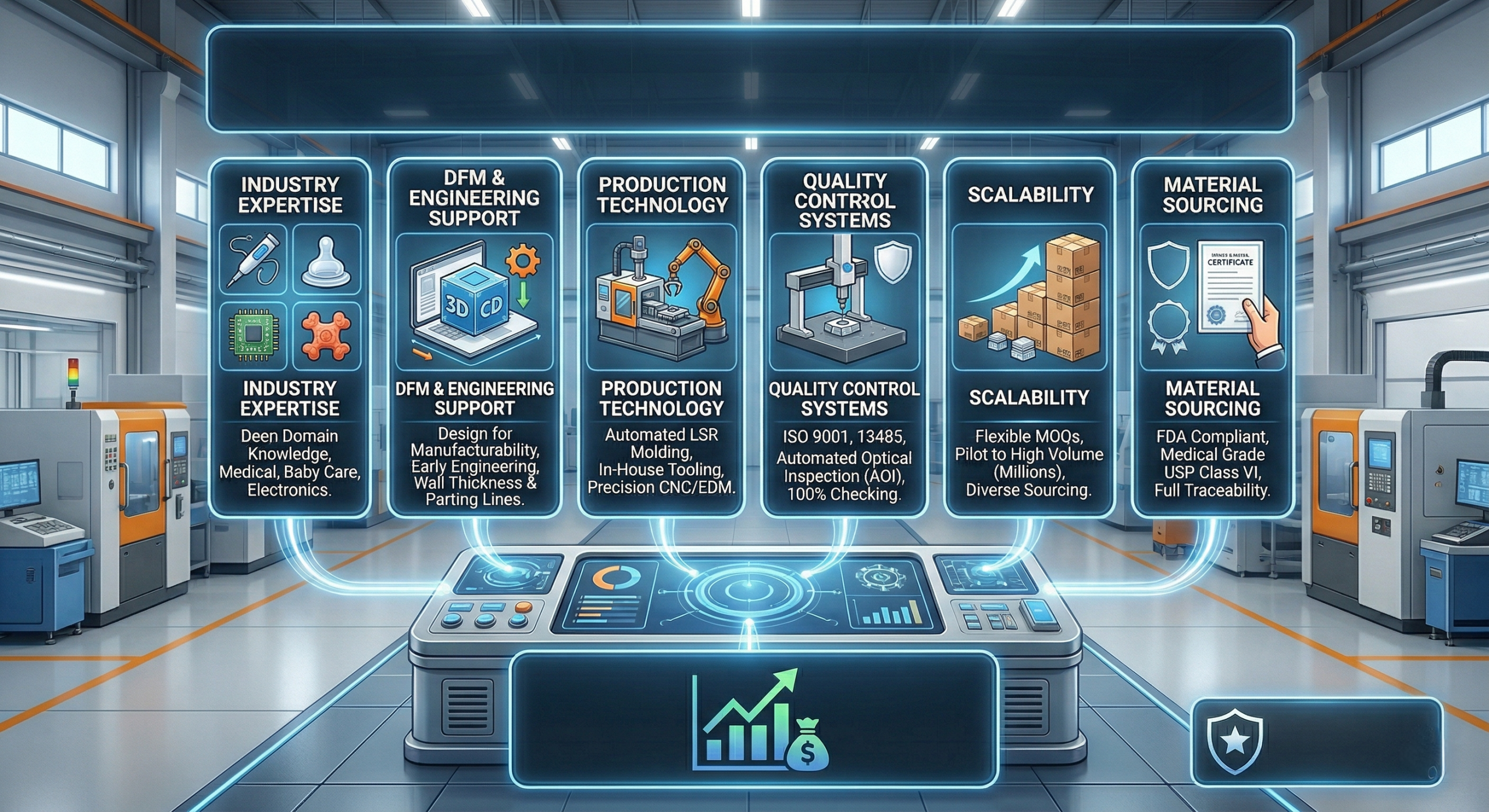
Determining experience involves looking at their history of serving complex sectors and understanding how to choose silicone manufacturer candidates with deep domain knowledge. You should prioritize partners who have spent years navigating the regulatory requirements of various global markets.
What industries do they serve?
You need a manufacturer that understands the unique pressures of your specific market niche.
Think about this:
- Medical & Healthcare: Requires ISO 13485 certification and cleanroom environments.
- Mother & Baby Care: Demands FDA/LFGB compliant, 100% BPA-free materials.
- Consumer Electronics: Needs precision for acoustic seals and wearable components.
- Pet Care: Focuses on high-tear strength and bite resistance.
Here is the deal: a partner with cross-industry experience can often apply best practices from one sector to solve problems in another.
Can they provide DFM support?
Design for Manufacturability (DFM) is the bridge between a blueprint and a successful mass-produced part.
The bottom line:
- Identifying wall thickness issues before tooling saves thousands of dollars.
- Optimizing parting lines ensures better hygiene for medical and baby products.
- Reducing flash through proper mold design lowers secondary labor costs.
Key Takeaway: Early engineering involvement prevents the friction of transitioning from a concept to a high-volume manufacturing run.
| Feature | Importance | Business Impact |
|---|---|---|
| Industry History | High | Reduces regulatory and technical risks |
| DFM Review | Critical | Lowers total production costs and scrap |
| Portfolio Diversity | Medium | Validates the supplier’s technical versatility |
Early engineering reviews identify potential failure points before you invest in expensive steel tooling.
Is Their Production Technology Truly Advanced?
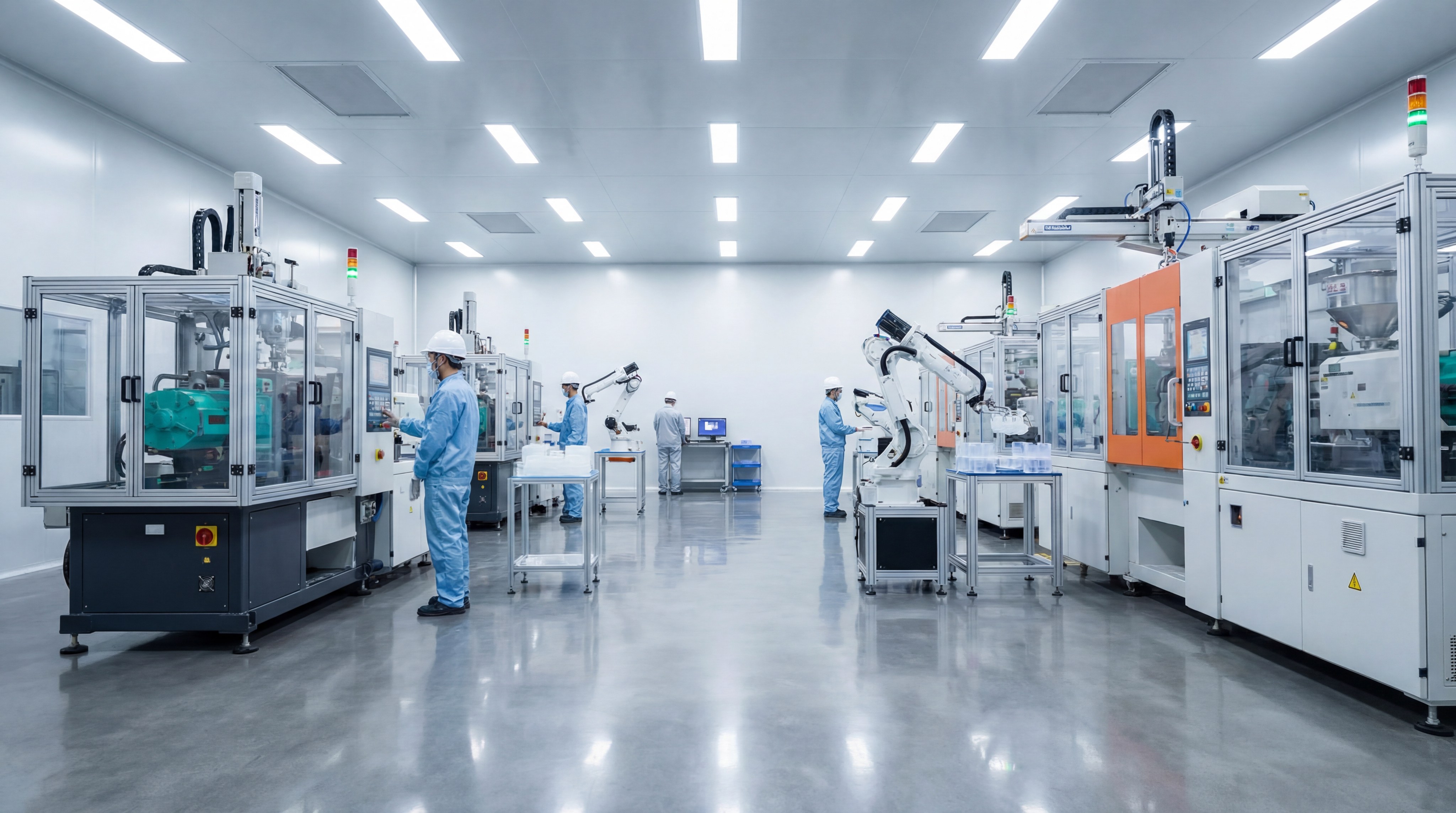
Advanced technology is defined by automated systems and in-house tooling that simplify how to choose silicone manufacturer partners based on their efficiency. Modern facilities utilize high-speed electric injection machines and robotic demolding to maintain extreme precision across millions of cycles.
Do they use automated LSR molding?
Liquid Silicone Rubber (LSR) injection molding offers the highest level of repeatability for small, complex parts.
Listen to this:
- Automated closed-loop systems ensure consistent material dosing every time.
- Robotic arms prevent human contamination in hygiene-critical applications.
- Cold runner technology reduces material waste and lowers unit costs.
Specifically, automation allows for flash-free production which eliminates the need for secondary trimming.
Is there in-house tooling available?
In-house tooling centers allow for faster iterations and much tighter control over the intellectual property of your designs.
You might be wondering:
- Why wait weeks for an outsourced mold when it can be done in days?
- Can they perform mold modifications quickly after a design change?
- Does the tooling center use high-speed CNC and EDM machines?
Key Takeaway: Integrated tooling and molding departments cut lead times by up to 50% compared to fragmented supply chains.
| Technology | Standard | Value Proposition |
|---|---|---|
| LSR Injection | Fully Automated | High precision with zero human error |
| In-House Tooling | CNC/EDM Equipped | Rapid prototyping and IP protection |
| Secondary Operations | Inline Slitting | Streamlined supply chain and assembly |
Automated production lines ensure that part number 1,000,000 is identical to part number one in every dimension.
How Robust Are Their Quality Control Systems?
Evaluating quality systems is central to the question of how to choose silicone manufacturer partners that can guarantee safety and performance. You must audit their adherence to international standards and verify that their testing protocols are integrated into the actual production flow.
What ISO certifications do they hold?
Certifications are not just paper; they are a commitment to a repeatable and auditable manufacturing process.
But wait, there’s more:
- ISO 9001:2015: The baseline for quality management systems worldwide.
- ISO 13485: The critical standard for medical device component manufacturing.
- IATF 16949: Essential for automotive parts requiring rigorous failure mode analysis.
Checking these credentials ensures the factory operates under strict discipline and constant improvement.
Do they use automated inspection?
Visual inspection by humans is prone to fatigue and error, especially for micro-sized silicone parts.
Here is the deal:
- Automated Optical Inspection (AOI) catches microscopic defects at high speeds.
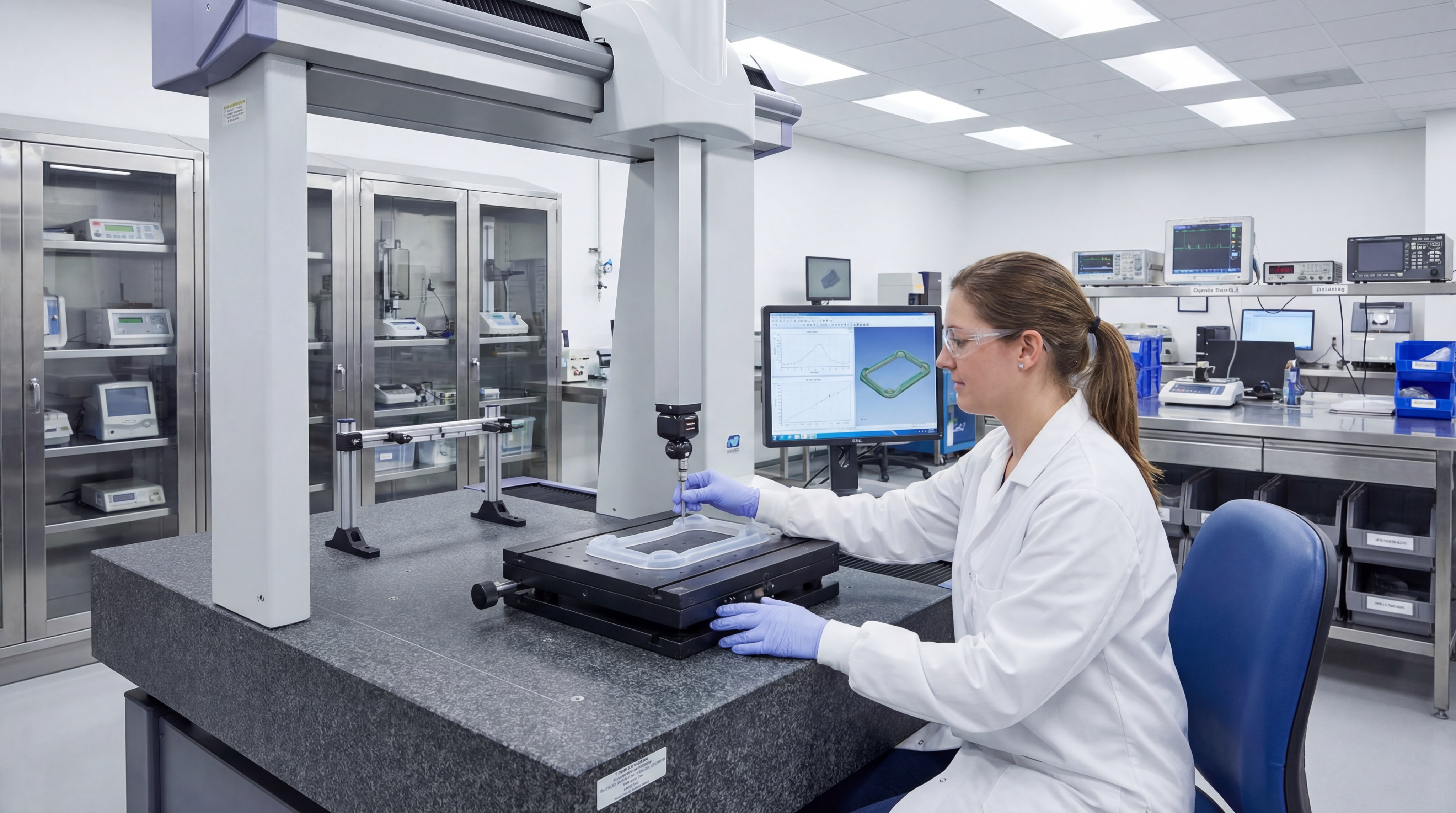
- CMM machines verify dimensional tolerances down to ±0.01mm.
- 100% inspection protocols protect you from receiving even a single defective part.
Key Takeaway: A robust QC system should identify and isolate non-conforming materials at the earliest stage of production.
| QC Stage | Method | Result |
|---|---|---|
| Incoming (IQC) | Material Screening | Verified purity and hardness of raw silicone |
| In-Process (IPQC) | FAI & Patrol Checks | Stable production with zero dimensional drift |
| Final (FQC) | 100% Visual/Optical | Guaranteed part performance for the end user |
Integrated quality control reduces the risk of product recalls and protects your brand’s market reputation.
Can They Scale From Prototype to High Volume?
Scalability is a critical factor when deciding how to choose silicone manufacturer options that can grow alongside your business demands. You need a partner who can provide rapid prototypes for validation and then quickly ramp up to millions of units.
Are flexible MOQs available?
Minimum Order Quantities (MOQs) shouldn’t be a barrier to innovation or market testing for new product lines.
Think about this:
- Can they support small pilot runs for market validation?
- Are they willing to grow from 500 units to 500,000?
- Is there a clear path to lower unit pricing as volume increases?
Finding a partner with the flexibility to handle varied volumes prevents the headache of switching vendors mid-project.
What is their production capacity?
Large-scale facilities with thousands of square meters of space can handle surges in demand without affecting lead times.
It gets even better:
- Multiple production lines ensure that one project doesn’t bottleneck another.
- Large facilities often have better access to raw material stockpiles.
- Scaled operations provide the stability needed for long-term contract manufacturing.
Key Takeaway: Select a manufacturer whose facility size and equipment count can absorb your projected growth for the next five years.
| Production Level | Focus | Primary Benefit |
|---|---|---|
| Prototyping | Speed & Fit | Fast design validation with minimal cost |
| Pilot Run | Market Testing | Real-world performance data at low risk |
| Mass Run | Efficiency & Cost | Economies of scale for global distribution |
Scalability ensures that your supply chain remains uninterrupted even when consumer demand spikes unexpectedly.
Will Communication Facilitate Project Success?
Effective communication is the foundation for how to choose silicone manufacturer teams that act as an extension of your own engineering department. You need a partner who responds quickly and provides transparent updates throughout the entire manufacturing lifecycle.
Do they offer 24-hour response?
In a global market, waiting days for a response can cause you to miss critical product launch windows.
Listen to this:
- Fast RFQ (Request for Quote) turnaround shows respect for your project timeline.
- Real-time communication via WhatsApp or Email keeps the project moving.
- Proactive updates about potential delays help you manage your own stakeholders.
A responsive partner minimizes uncertainty and keeps your development schedule on a predictable track.
Is the engineering team accessible?
You should be able to speak directly with the engineers who are actually designing your molds and running your parts.
The bottom line:
- Direct access avoids the “lost in translation” issues typical of sales-only contacts.
- Engineers can explain the technical trade-offs between different silicone grades.
- Technical transparency builds the trust necessary for a long-term strategic partnership.
Key Takeaway: Choose a manufacturer that values technical dialogue over simple sales transactions to ensure the best product outcome.
| Communication | Indicator | Business Value |
|---|---|---|
| Speed | < 24 Hour Reply | Accelerated development and shorter time-to-market |
| Depth | Direct Engineering | Fewer design errors and optimized part performance |
| Transparency | Regular Status Reports | Reduced project risk and better stakeholder management |
Clear communication channels prevent misunderstandings that could lead to expensive rework or design failures.
Is Material Sourcing Up to Industry Standards?
Raw material quality is a non-negotiable aspect of how to choose silicone manufacturer partners who prioritize end-user safety and product longevity. You must verify that they source from reputable global suppliers and use medical or food-grade silicone where required.
Are materials FDA and LFGB compliant?
For products touching skin or food, compliance with international health standards is an absolute legal requirement.
You might be wondering:
- Does the manufacturer provide full material traceability for every batch?
- Are they using 100% virgin silicone without harmful fillers or additives?
- Can they provide documentation for RoHS and REACH compliance?
Ensuring material purity protects your brand from legal liability and ensures the safety of your customers.
Do they offer medical grade silicone?
Medical applications require biocompatible materials that have been tested to USP Class VI or ISO 10993 standards.
Think about this:
- Platinum-cured silicone is preferred for its high purity and zero leaching.
- Medical grade materials must remain stable after multiple sterilization cycles.
- Only specialized manufacturers have the cleanroom facilities to handle these materials.
Key Takeaway: Always request material certificates (COA) to verify that the silicone used matches your specific application requirements.
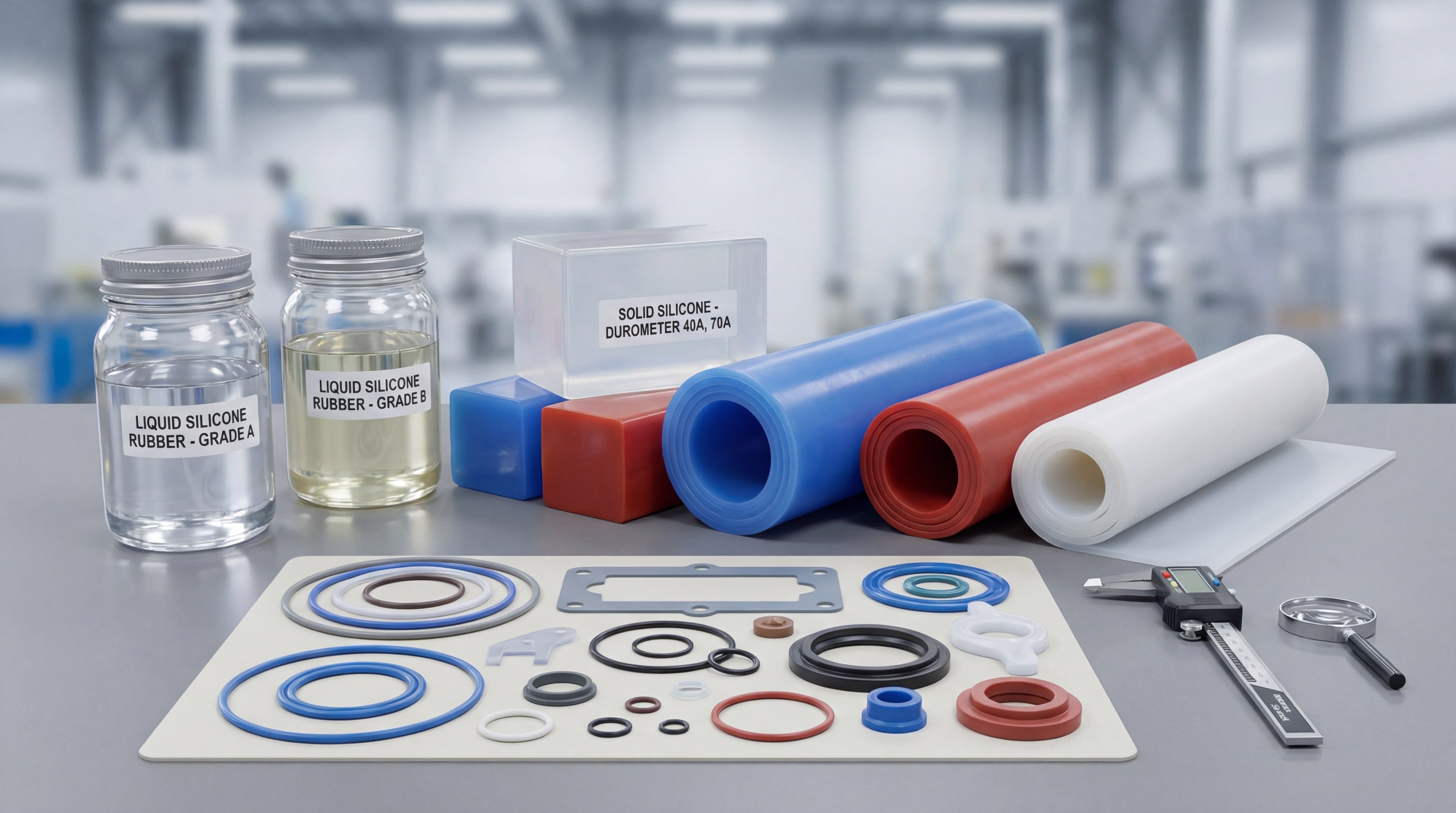
| Material Grade | Key Property | Typical Use |
|---|---|---|
| Medical | Biocompatible | Surgical tools, implants, and wearable tech |
| Food | FDA Compliant | Kitchenware, baby nipples, and beverage seals |
| Industrial | UV/Heat Resistant | Automotive gaskets and outdoor enclosures |
Using high-grade raw materials ensures that your silicone parts will not degrade or leach chemicals during their service life.
Are Value-Added Secondary Services Available?
Value-added services are a hallmark of how to choose silicone manufacturer partners who offer a “one-stop-shop” experience to simplify your logistics. By handling post-molding processes in-house, they reduce the risk of damage during transit between different vendors.
Can they handle post-molding assembly?
Combining silicone parts with plastic or metal components at the source significantly reduces your overall assembly costs.
Here is the deal:
- Overmolding and 2-shot molding create permanent bonds without adhesives.
- In-house assembly teams can perform complex kitting and final packaging.
- Streamlining the supply chain reduces the number of vendors you have to manage.
Integrated assembly ensures that the final product meets your quality standards before it even leaves the factory floor.
Is cleanroom packaging offered?
For medical, baby, and optical products, the environment where the part is packed is just as important as where it is molded.
But wait, there’s more:
- Class 100,000 cleanrooms prevent dust and particulate contamination.
- Specialized packaging materials protect the delicate surface finish of silicone parts.
- Sealed, sterile packaging is essential for healthcare applications.
Key Takeaway: Utilizing secondary services at the source reduces lead times and lowers the total cost of ownership for your product.
| Service | Process | Benefit |
|---|---|---|
| Overmolding | Bonding to Plastic | Enhanced grip and structural integrity |
| Surface Coating | Anti-Dust Spray | Premium tactile feel and improved hygiene |
| Assembly | Kitting & Packing | Reduced logistics costs and faster delivery |
Comprehensive secondary services allow you to receive ready-to-use components that fit perfectly into your final production line.
How Are Supply Chain Risks Managed?
Risk management is a vital consideration when evaluating how to choose silicone manufacturer partners in an increasingly volatile global market. A resilient manufacturer has contingency plans for material shortages and logistical bottlenecks to ensure your production never stops.
Do they have multi-vendor sourcing?
Reliance on a single raw material supplier can be a major vulnerability for your long-term supply chain stability.
Listen to this:
- Established manufacturers have relationships with multiple global silicone suppliers.
- Strategic stockpiling of common grades prevents delays during global shortages.
- Multi-sourcing ensures competitive pricing for raw materials.
A manufacturer with a diverse sourcing strategy protects you from sudden price spikes and material unavailability.
What is the logistics track record?
Getting parts from the factory to your door is just as important as the manufacturing process itself.
It gets even better:
- Experience with global shipping ensures your parts clear customs without delay.
- Partnerships with top-tier logistics firms provide predictable delivery windows.
- Dedicated export documentation teams handle all the paperwork for you.
Key Takeaway: Evaluate a manufacturer’s export history to ensure they can reliably deliver parts to your specific geographic location.
| Risk Factor | Strategy | Result |
|---|---|---|
| Material Shortage | Multi-Supplier Sourcing | Continuous production during global crises |
| Shipping Delay | Global Logistics Partners | Reliable delivery and lower transit costs |
| Quality Spike | Automated Inspection | Minimal scrap and zero defective shipments |
Proactive risk management ensures that your product remains on the shelf regardless of external market pressures.
Is Their Environmental Responsibility Verifiable?
Sustainability is becoming a core requirement for how to choose silicone manufacturer partners as global ESG (Environmental, Social, and Governance) standards tighten. You should align with manufacturers who invest in energy-efficient machinery and waste-reduction programs.
Are production processes sustainable?
Eco-friendly manufacturing is no longer a luxury; it is a necessity for modern brand reputations.
Specifically:
- High-efficiency electric molding machines consume significantly less power.
- Closed-loop water cooling systems reduce the factory’s environmental footprint.
- Recycling and regrinding programs minimize the amount of silicone waste.
Choosing a sustainable partner helps you meet your own corporate social responsibility goals while protecting the planet.
Do they follow ESG standards?
Social and governance standards ensure that the factory treats its workers fairly and operates with legal integrity.
The bottom line:
- Ethical labor practices lead to lower turnover and higher quality parts.
- Transparent management systems reduce the risk of business disruption.
- Compliance with local environmental laws avoids costly factory shutdowns.
Key Takeaway: Sustainable manufacturing practices protect your brand from the negative PR associated with unethical supply chains.
| ESG Metric | Action | Outcome |
|---|---|---|
| Energy Use | Electric Machines | Lower carbon footprint and production costs |
| Waste Management | Recycling Programs | Reduced landfill impact and material efficiency |
| Labor Standards | Ethical Compliance | Skilled, stable workforce and high part quality |
Commitment to environmental and social standards is a strong indicator of a manufacturer’s long-term operational health.
What Is the Long-Term Cost-Value Proposition?
Understanding the difference between price and value is the final step in how to choose silicone manufacturer partners for long-term success. While a low initial quote is tempting, the Total Cost of Ownership (TCO) is a much more accurate metric for profitability.
Is TCO lower than cheap alternatives?
Low-cost manufacturers often hide expenses in high defect rates, late shipments, and poor engineering support.
You might be wondering:
- What is the cost of a production line shutdown due to a late delivery?
- How much does it cost to rework parts that were made with cheap, poor-quality molds?
- Is the unit price still “low” if 10% of the batch is defective?
Investing in a high-quality partner reduces these “hidden” costs and ensures higher overall profitability.
Do they provide long-term stability?
A manufacturer that has been in business for over a decade is much more likely to support your product through its entire lifecycle.
Think about this:
- Will they still be here to maintain your molds five years from now?
- Do they have the financial health to invest in new technologies as they emerge?
- Is their reputation built on long-term partnerships rather than one-off deals?
Key Takeaway: Focus on the value of reliability, quality, and service rather than just the lowest possible unit price on an invoice.
| Cost Element | Cheap Supplier | Quality Partner |
|---|---|---|
| Initial Quote | Very Low | Competitive |
| Defect Rate | High (Unpredictable) | Near Zero |
| Engineering Support | Minimal | Comprehensive DFM |
| Total Value | Low (Risky) | High (Profitable) |
Choosing based on total value rather than initial price protects your long-term margins and ensures a successful product lifecycle.
Conclusion
Choosing the right silicone parts manufacturer solves the critical problems of part failure, supply chain instability, and high development costs. At HuaLin Silicone, our vision is to provide precision-engineered solutions that empower your brand to lead in the global market. With our 12,000 m² facility, ISO 13485 certification, and 15+ years of expertise, we are ready to become your trusted manufacturing extension in China. To elevate your production standards and receive a 24-hour engineering review, contact us today.
FAQ
Can I request a prototype before starting mass production?
Yes, most professional manufacturers offer rapid prototyping or FAI (First Article Inspection) samples to verify the fit, form, and function of your design before you commit to high-volume tooling.
What’s the best way to evaluate a factory’s technical capacity?
The best way is to request their equipment list, check for ISO certifications, and ask for a virtual factory tour or case studies related to your specific industry application.
How do I know if my design is suitable for silicone molding?
A qualified manufacturer will provide a free DFM (Design for Manufacturability) review to identify issues like improper wall thickness, undercut problems, or inefficient parting lines that could affect production.
Can I expect assistance with selecting the right silicone grade?
Yes, an expert partner should guide you through the selection process for durometer (hardness), material grade (medical, food, or industrial), and specialized properties like UV or oil resistance.
What is the standard lead time for custom silicone tooling?
Lead times typically range from 2 to 4 weeks for prototype molds and 6 to 10 weeks for high-volume, multi-cavity production molds, depending on the complexity of the part.