
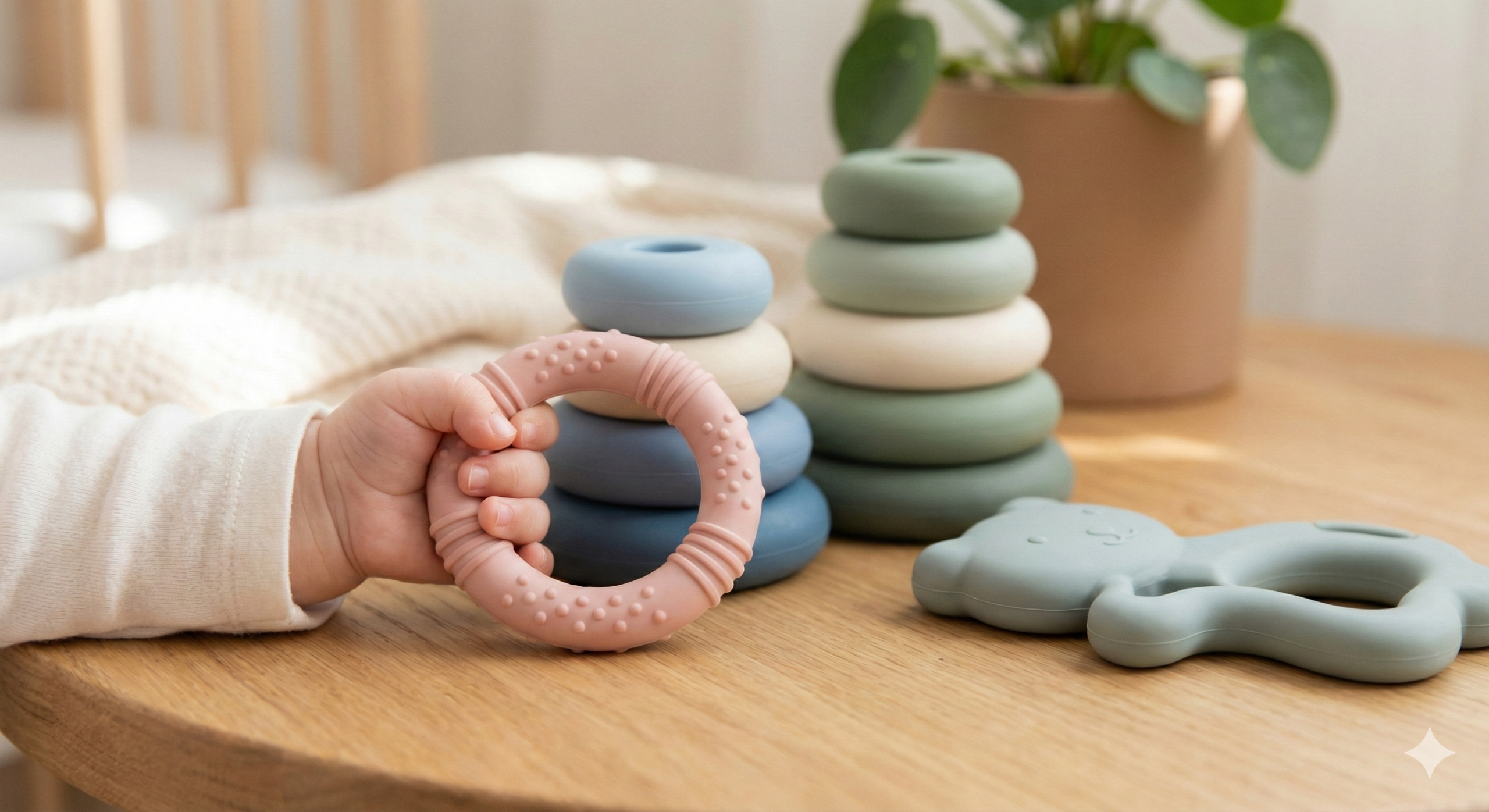
Finding a reliable manufacturer for infant products is often a high-stakes challenge for B2B buyers. You face the constant pressure of navigating strict safety regulations while trying to maintain the durability and aesthetic appeal that modern parents demand. Hualin provides the vertical integration and material expertise you need to develop premium silicone toys that secure your brand’s reputation in a competitive global market.
What are silicone baby toys and why are they preferred?
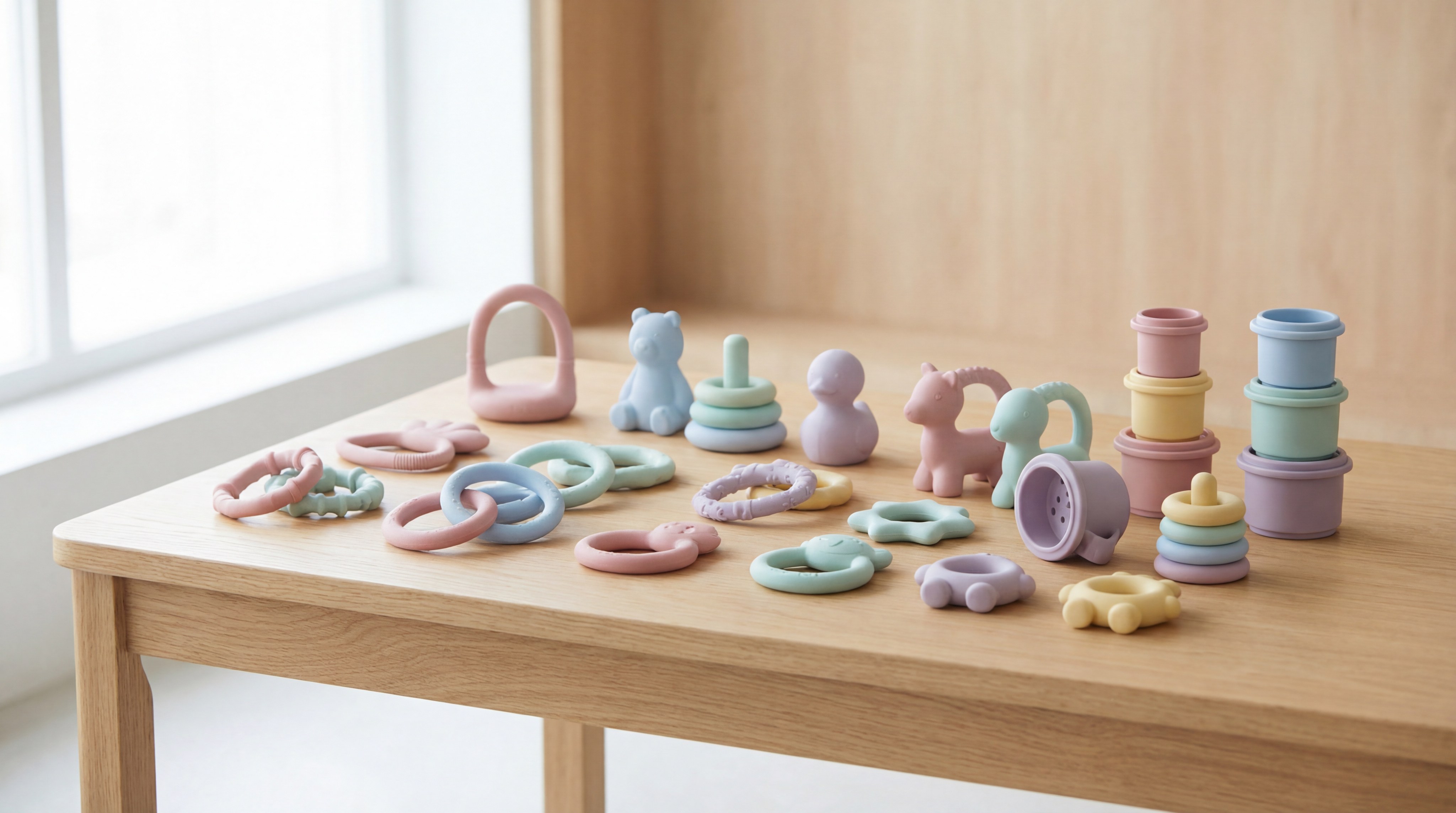
The global market for silicone toys has expanded rapidly because these items are crafted from 100% food-grade silicone, a material specifically engineered for maximum infant safety. You will find that unlike traditional plastics, silicone does not leach harmful chemicals, making it the preferred choice for teething products and sensory play.
Defining Food-Grade Material
Understanding the difference between standard industrial silicone and food-grade alternatives is vital for your product line.
- Silicone used in baby products must be FDA or LFGB compliant.
- It is naturally resistant to bacteria and mold growth.
- The material remains stable under temperature fluctuations.
The Safety and Tactile Advantage
As a brand owner, you know that safety is the ultimate selling point for parents.
- Silicone is entirely free from BPA, PVC, and phthalates.
- Its soft-touch surface prevents oral injuries during teething.
- The material provides a unique sensory feedback that aids development.
Key Takeaway: Food-grade silicone is the gold standard for infant safety due to its non-toxic nature and superior textural qualities.
What are the primary advantages of manufacturing silicone toys?
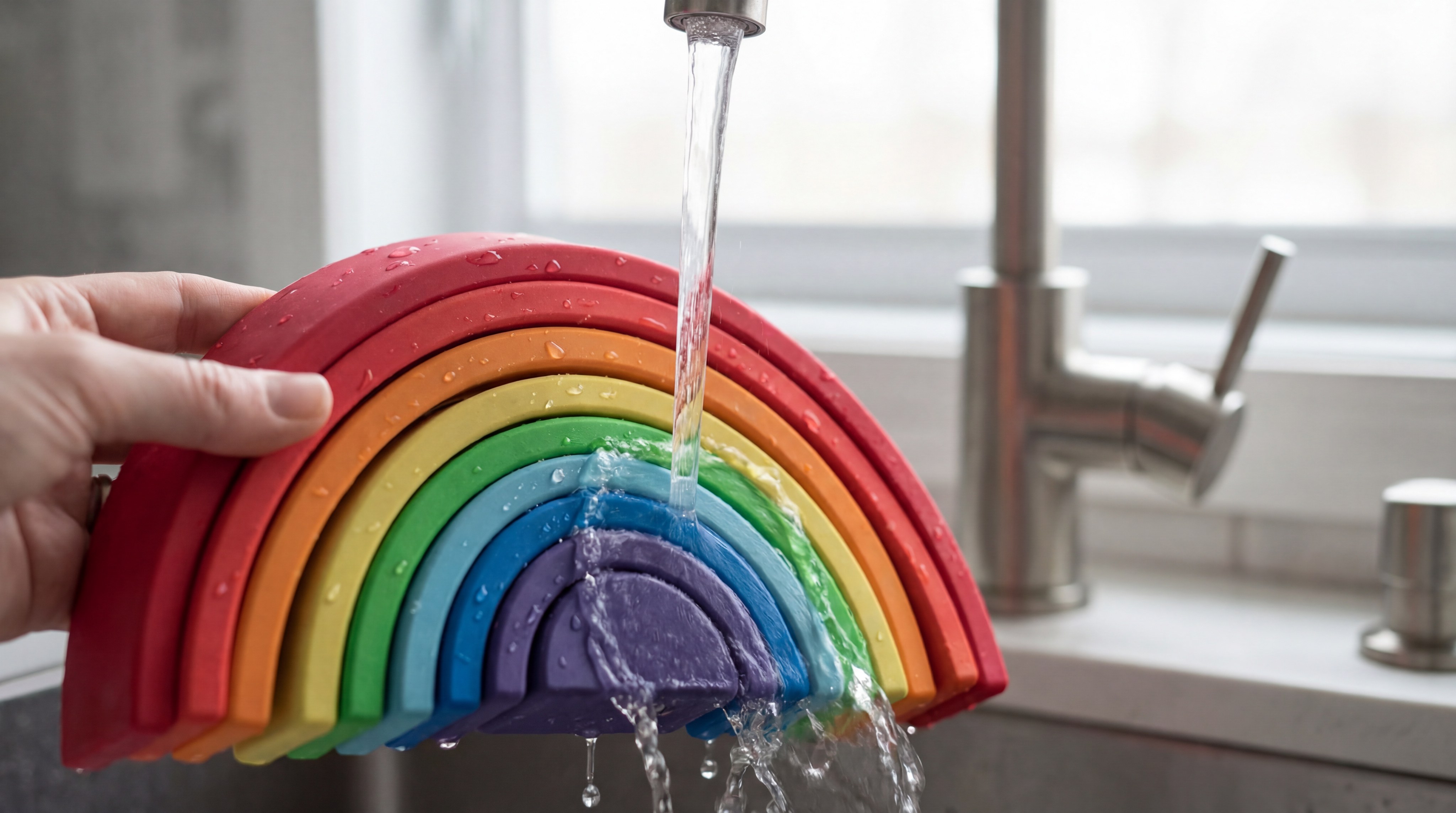
When you decide to scale your brand with silicone toys, you are choosing a product category celebrated for its extreme durability. These items do not crack, shatter, or degrade over time, which means your customers receive a product with a significantly longer lifecycle than low-cost plastic competitors.
Unmatched Durability for Longevity
Investing in silicone toys provides a clear value proposition for the end consumer.
- Resists wear and tear from repeated drops and chewing.
- Color remains vibrant even after years of use.
- High elasticity prevents structural deformation.
Hygienic Maintenance and Sterilization
Maintaining a clean environment for infants is a top priority for your customers.
- Silicone is dishwasher safe and easy to wipe clean.
- It can withstand boiling water or steam sterilization without warping.
- Non-porous surfaces prevent the absorption of odors or stains.
Key Takeaway: The resilience and ease of maintenance associated with silicone create a high perceived value for consumers.
| Benefit | Feature | Impact on Brand |
|---|---|---|
| Material Life | Degrade-resistant | Lower return rates |
| Hygiene | Dishwasher safe | Higher customer satisfaction |
| Safety | Impact absorbent | Trusted by parents |
How do you design a 3D structure for silicone toys?

Designing high-performance silicone toys requires a sophisticated balance between infant ergonomics and technical engineering. You must ensure that your designs are not only visually appealing but also optimized for the unique flow characteristics of silicone during the molding process.
Ergonomics and Anti-Choking Standards
Safety begins at the drafting table where dimensions must be strictly controlled.
- Designs must avoid small detachable parts to prevent choking hazards.
- Shapes are contoured to fit perfectly in an infant’s palm.
- Engineers use design for manufacturing (DFM) to eliminate sharp edges.
Integrating Sensory Textures
You can enhance the developmental value of your toys by adding specific surface features.
- Raised ridges and bumps provide teething relief for sore gums.
- Multiple thicknesses within one toy offer varied resistance for chewing.
- Matte vs. glossy finishes create different tactile perceptions for the child.
Key Takeaway: Successful product design bridges the gap between creative aesthetics and rigorous safety engineering.
| Design Phase | Critical Action | Objective |
|---|---|---|
| Concept | Ergonomic sizing | Ease of use for babies |
| Technical | Sharp edge removal | Elimination of injury risk |
| Development | Wall thickness optimization | Consistent curing in production |
What goes into the silicone toys tooling and mold development process?
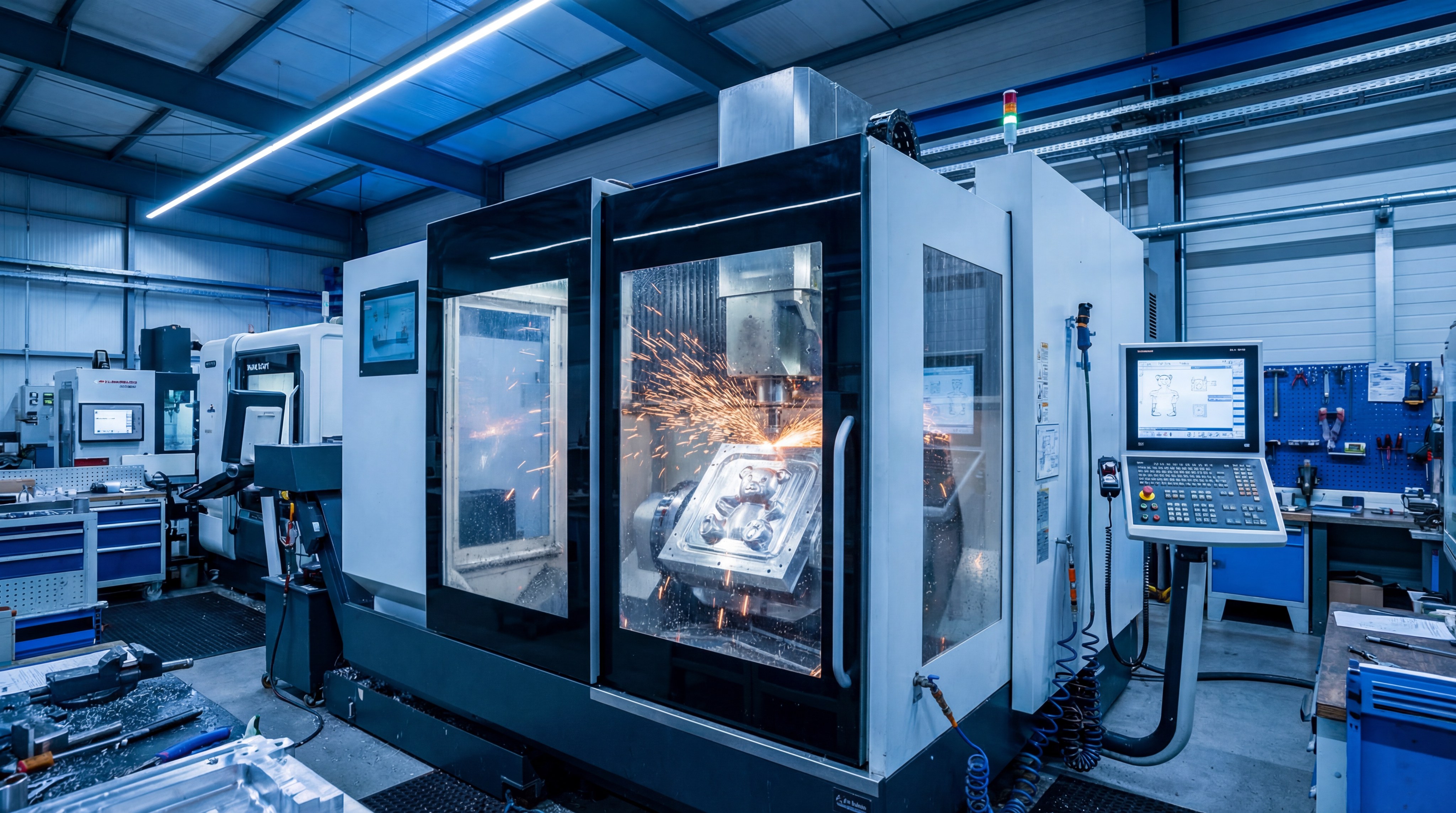
The ultimate precision of your silicone toys is determined by the quality of the molds produced in the tooling shop. By using high-grade steel and advanced CNC machining, you can ensure that every production batch maintains the tight tolerances required for complex infant products.
Precision Tooling Techniques
Modern manufacturing relies on high-tech equipment to bring 3D models to life.
- 3-axis and 5-axis CNC machines create intricate mold cavities.
- EDM (Electrical Discharge Machining) is used for fine textures and logos.
- Multi-cavity molds increase production efficiency for high-volume orders.
Multi-Color Tooling Engineering
If your brand identity relies on vibrant, multi-colored designs, specific tooling is required.
- Overmolding tools allow for different colors or materials to be bonded.
- Precision gates prevent color bleeding between sections.
- Insert molding can be used to combine silicone with food-grade plastic shells.
Key Takeaway: High-quality tooling is a one-time investment that ensures consistent product quality for the life of the project.
| Tooling Type | Advantage | Best For |
|---|---|---|
| Single Cavity | Lower initial cost | Small test batches |
| Multi-Cavity | Lower unit price | Mass market distribution |
| Overmolding | Design complexity | Premium sensory toys |
How are raw materials prepared for silicone toys production?
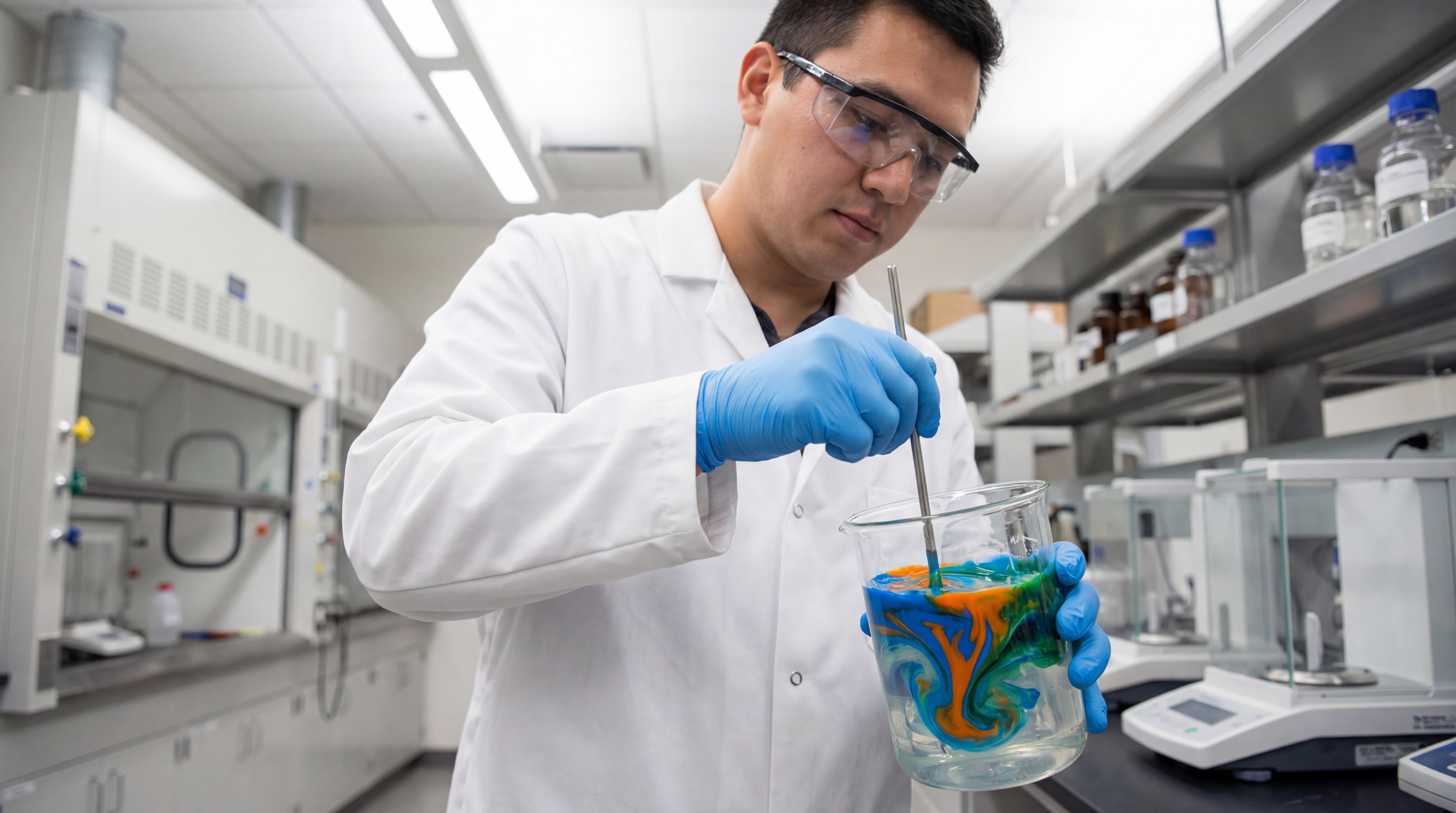
Before the molding cycle begins, the raw base for your silicone toys must be carefully compounded and colored. You need to verify that the raw materials are sourced from reputable suppliers to ensure the final product meets global medical and food-grade standards.
Choosing the Right Silicone Grade
Not all silicone is created equal, and your choice impacts the final feel of the toy.
- Fumed silicone offers superior clarity and tear strength for premium parts.
- Precipitated silicone is a cost-effective alternative for simpler mechanical designs.
- Shore A hardness is adjusted to make the toy softer for younger infants.
Color Matching and Weighting
Consistency is key when building a recognizable brand across multiple product lines.
- Pantone matching ensures your brand colors stay uniform.
- Precision weighing of the raw compound prevents material waste.
- Anti-yellowing agents are added to keep clear or light-colored toys looking new.
Key Takeaway: Precise material compounding is the foundation of both the safety and the aesthetic consistency of your toys.
| Material Prep | Importance | Requirement |
|---|---|---|
| Base Choice | Structural Integrity | Fumed vs. Precipitated |
| Pigmentation | Visual Appeal | Pantone Matching |
| Additives | Durability | UV/Heat Resistance |
Which molding process is best for your silicone toys project?
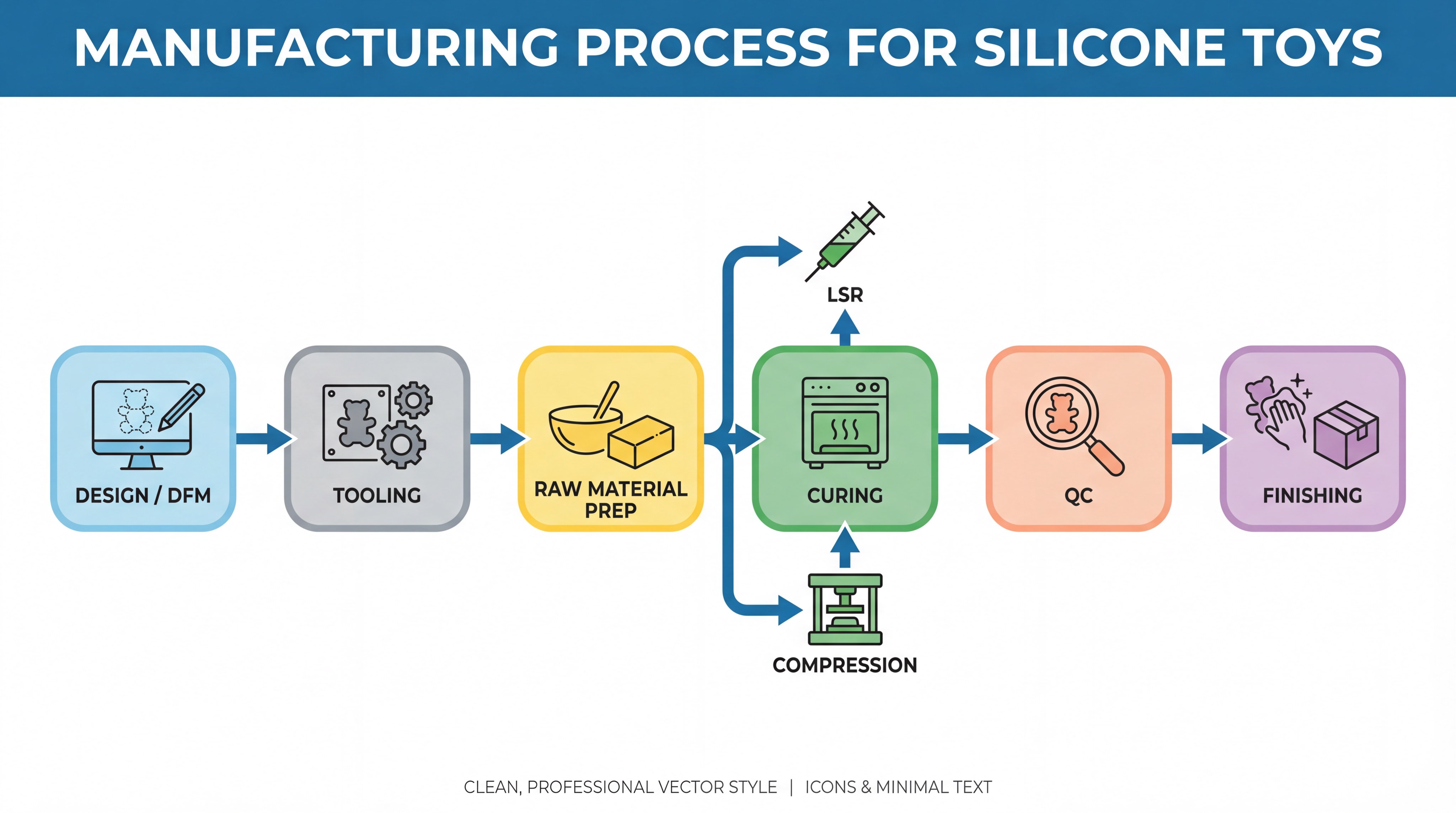
Determining the right production method for your silicone toys depends on your target price point and the complexity of the geometry. You must choose between traditional compression molding and high-efficiency injection molding to hit your project goals.
LSR (Liquid Silicone Rubber) Injection Molding
For high-volume, high-precision baby care items, LSR is often the superior choice.
- Fully automated process reduces human error and contamination.
- Short cycle times allow for rapid scaling of production.
- Excellent for complex parts with thin walls or intricate details.
Compression Molding for Cost-Efficiency
If you are producing simpler, solid shapes, compression molding remains a viable option.
- Lower upfront tooling costs compared to injection molding.
- Ideal for larger, heavier silicone parts like stacking rings or blocks.
- Flexibility to run smaller batches for niche market testing.
Key Takeaway: Choosing the right molding process balances your need for precision with your target production budget.
| Process | Automation | Ideal Batch Size | Cost per Unit |
|---|---|---|---|
| Compression | Manual/Semi | Small to Medium | Lower for solids |
| LSR Injection | High | Large | Lower for complex |
| Overmolding | Moderate | Medium to Large | Premium pricing |
What post-processing steps ensure silicone toys safety and quality?
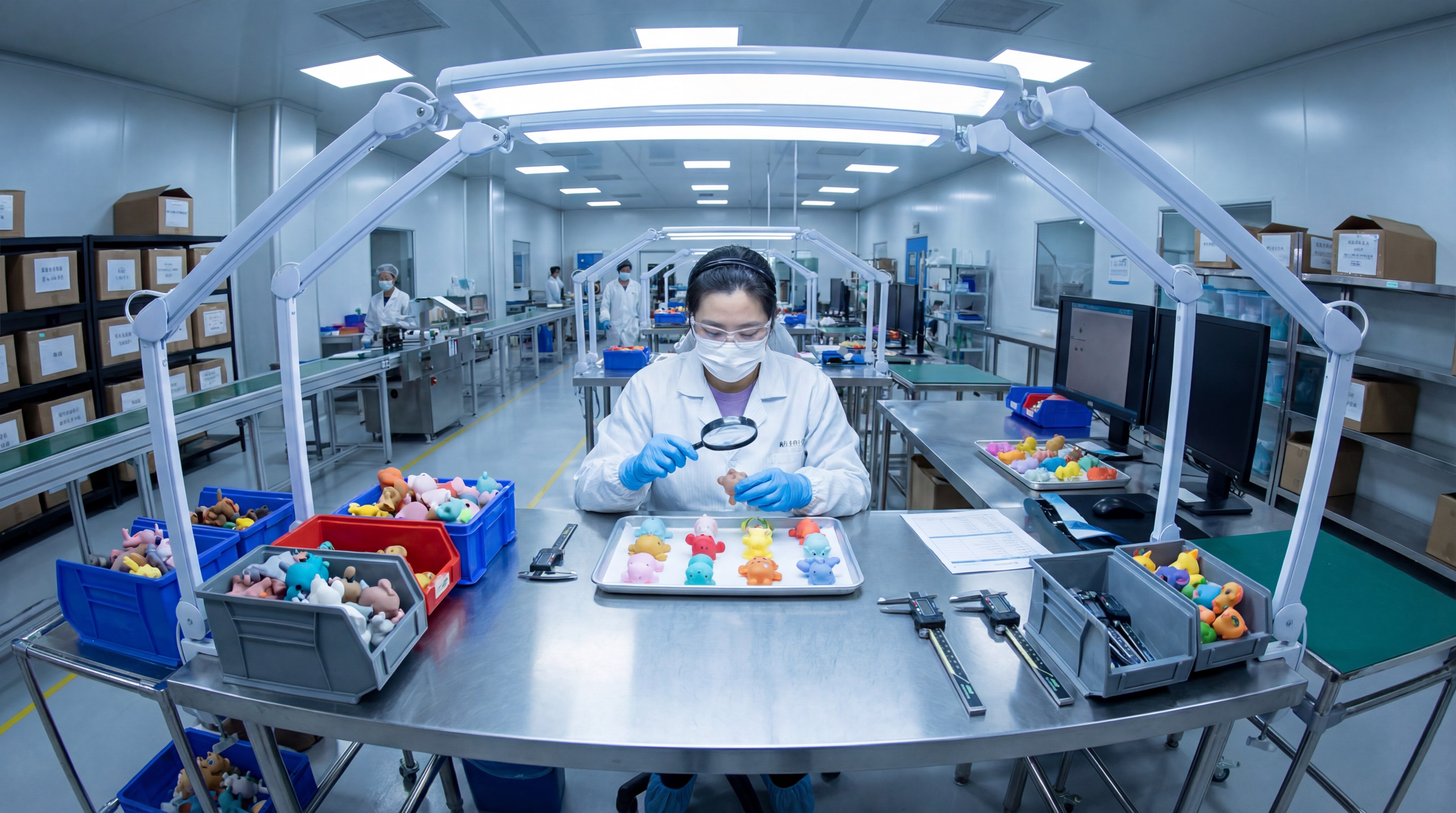
Once the silicone toys leave the mold, the manufacturing process is far from over. You must implement rigorous post-processing steps to ensure the products are chemically stable and physically perfect before they reach the consumer.
Secondary Vulcanization (Post-Curing)
This is arguably the most critical step for any industry-standard baby product.
- Products are baked in specialized ovens for several hours.
- This process eliminates volatile organic compounds (VOCs).
- It ensures the silicone is completely odorless and safe for oral contact.
Finishing and Quality Control
Attention to detail during the finishing stage separates premium brands from the rest.
- Manual or cryogenic trimming removes excess material (flash).
- Visual inspection under high-intensity lights catches surface defects.
- Tensile strength tests ensure that parts cannot be bitten off.
Key Takeaway: Post-curing and hand-finishing are essential for meeting the strict safety requirements of the infant category.
| Post-Process | Function | Safety Impact |
|---|---|---|
| Baking | VOC Removal | Chemical Safety |
| Deflashing | Surface Smoothing | Choking Prevention |
| Logo Laser | Branding | Permanent Marking |
How much does it cost to manufacture silicone toys?
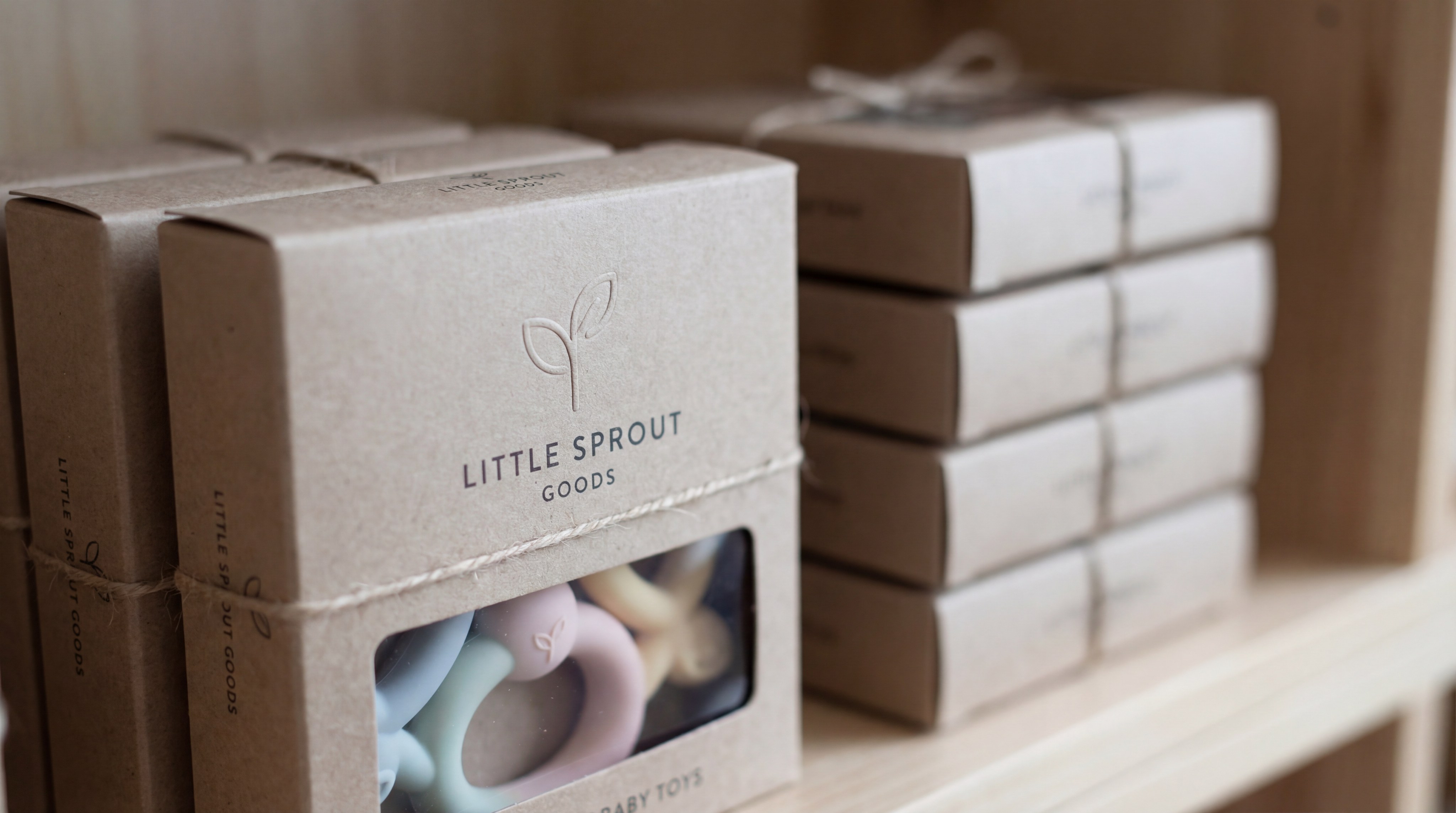
Budgeting for silicone toys requires an understanding of both the manufacturing costs and the logistical expenses. While unit prices are generally stable, you must account for the initial capital required for molds and the specific requirements for retail-ready packaging.
Understanding Unit Pricing Factors
Several variables will shift your final landed cost per unit.
- Material volume: Larger toys utilize more high-grade silicone.
- Structural complexity determines the molding cycle time and labor.
- Typical unit costs for standard teethers range from $1.29 to $2.19 USD.
Packaging and Amortization
The way you present your product is just as important as the toy itself for retail success.
- Custom paper boxes or eco-friendly sleeves add to the unit cost.
- Tooling costs are usually amortized over the first 10,000 to 50,000 units.
- Shipping volume (CBM) is affected by whether toys are nested or bulky.
Key Takeaway: Early DFM reviews are the best way to optimize your design and lower the final manufacturing cost.
| Cost Driver | Typical Range | Management Strategy |
|---|---|---|
| Mold Tooling | $1,500 – $8,000 | Amortize over high volume |
| Material | $4 – $10 per kg | Optimize wall thickness |
| Packaging | $0.20 – $0.80 | Use sustainable materials |
When is the best time to source silicone toys for your brand?
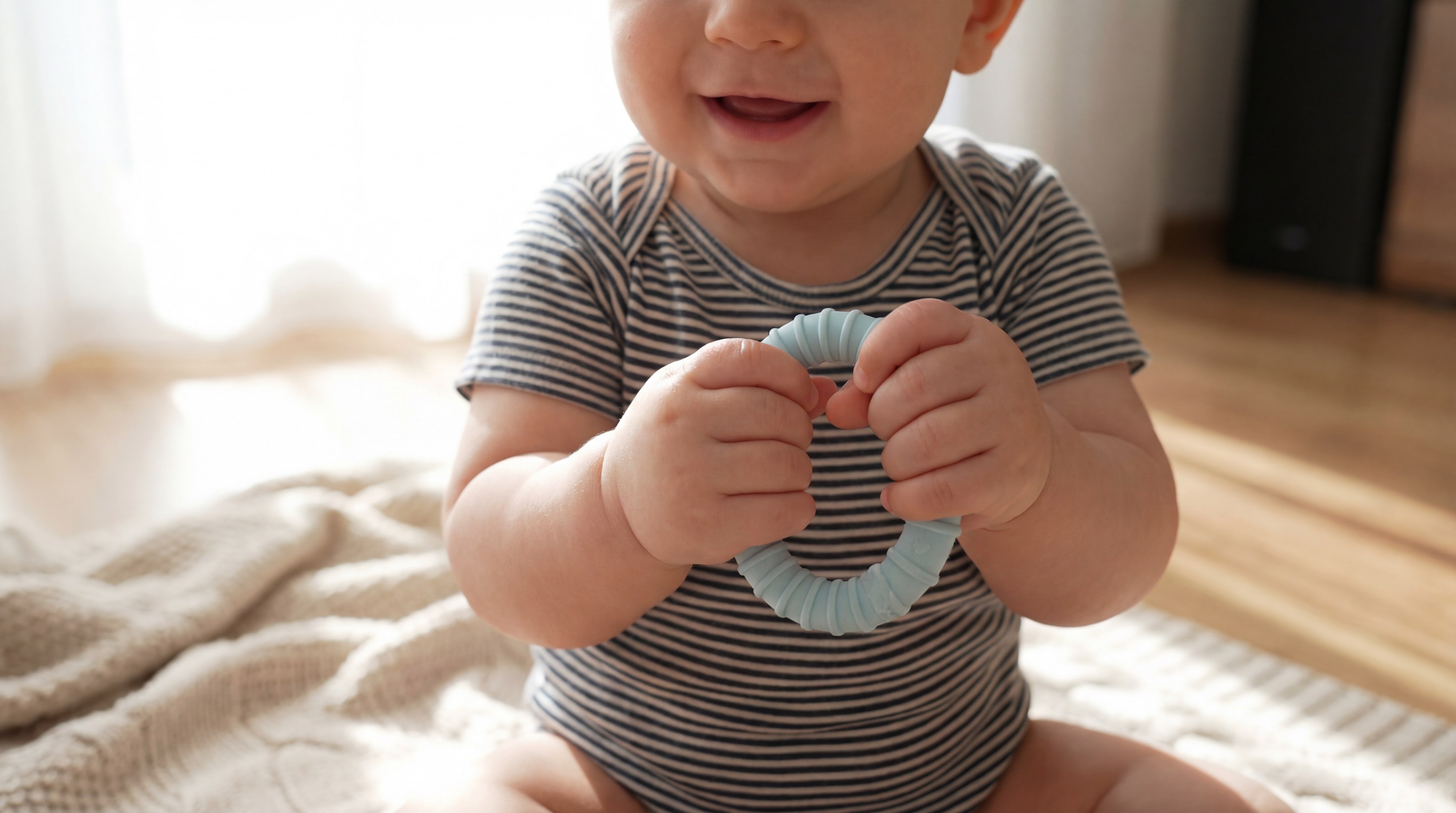
Strategic timing is essential when launching new silicone toys to match infant developmental phases. You should plan your production cycles to coincide with peak demand periods, such as holiday gift seasons or the high-birthrate months transition.
Targeting Developmental Milestones
Focus your product launches on the specific needs of the 2-8 month age group.
- The peak “oral phase” creates a massive demand for teething aids.
- Sensory stackers and educational toys are best marketed for the 12+ month range.
- Planning production 6 months in advance ensures retail stock for peak seasons.
Seasonal and Market Trends
Monitoring global parenting trends can give your brand a competitive edge.
- Pastels and earth-tone colors are currently leading the market.
- “Open-ended play” designs like silicone cups and blocks are trend-resistant.
- Aligning with trade show calendars helps you stay ahead of competitors.
Key Takeaway: Timing your product launch to infant growth stages ensures a steady, repeatable sales cycle.
| Sourcing Timing | Focus Area | Goal |
|---|---|---|
| Q1-Q2 | Prototyping | Prep for Year-End |
| Q3 | Mass Production | Inventory Build-up |
| Q4 | Retail Launch | Holiday Sales Peak |
How do you ensure your silicone toys meet global safety certifications?
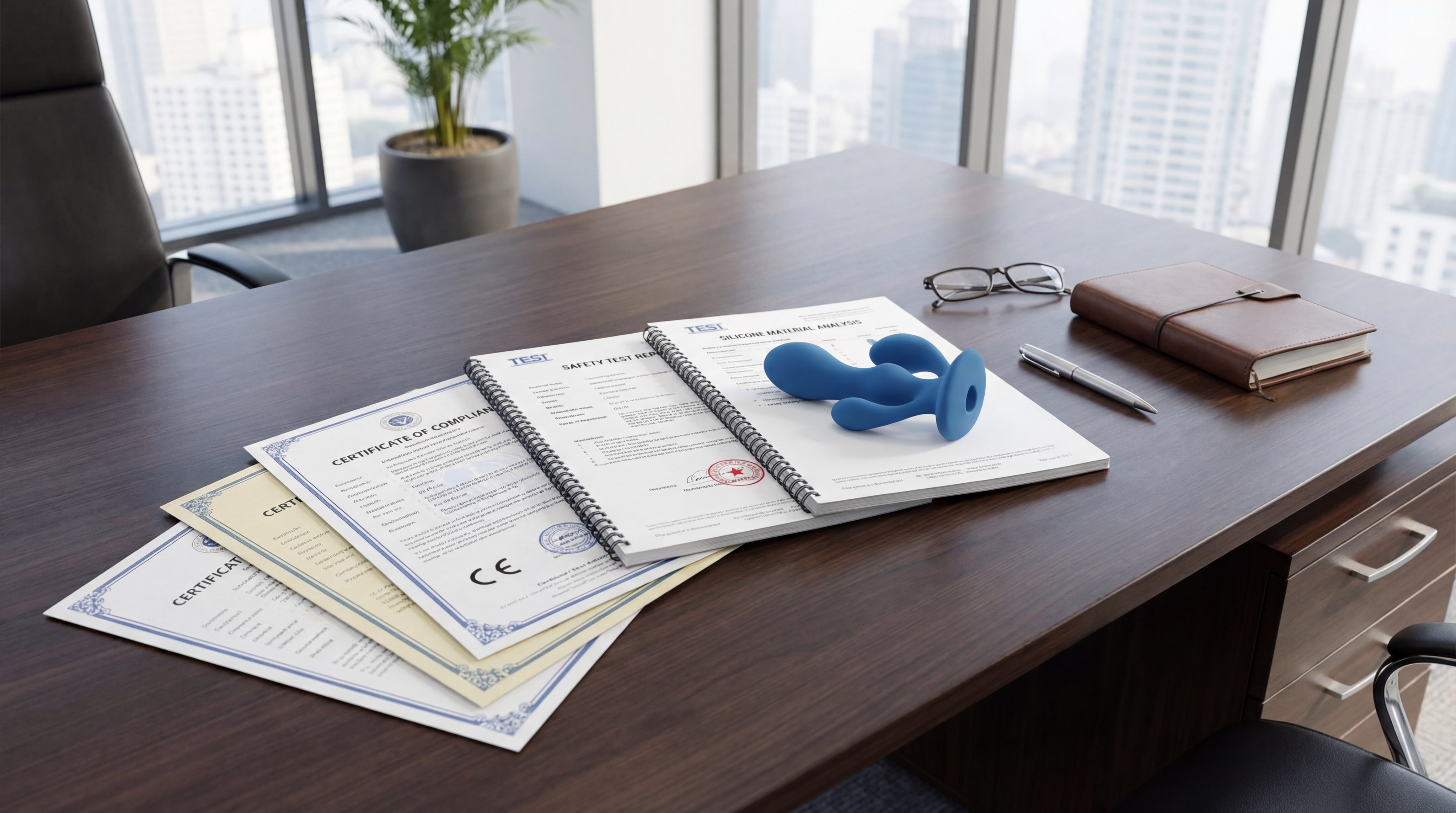
Successfully exporting silicone toys to markets like the USA and the EU requires comprehensive documentation. You must partner with a manufacturer that provides verifiable test reports for chemical composition and mechanical safety.
Navigating US and EU Regulations
Compliance is the bridge to entering lucrative global markets.
- US markets require FDA approval and CPSIA compliance.
- European markets demand LFGB and REACH certification for food contact.
- Toys must pass “small parts” and “sharp point” mechanical testing.
The Value of Factory Audits
A certified manufacturer provides peace of mind for your procurement team.
- Look for ISO 9001:2015 certification for quality management.
- Ensure the factory follows IATF 16949 standards if producing complex parts.
- Third-party audits (SGS / TUV) verify ethical and safe production environments.
Key Takeaway: Certifications are not just paperwork; they are your brand’s protection against recalls and liability.
Frequently Asked Questions
Can I customize the hardness of the silicone for my toys?
Yes, you can specify the Shore A hardness. For baby toys, it typically ranges from 30A (very soft) to 70A (firm).
Can I produce multi-colored toys in a single mold?
Absolutely. We use overmolding and co-injection technologies to create multi-colored sensory toys without the use of toxic adhesives.
What is the minimum order quantity (MOQ) for custom designs?
MOQs typically range from 500 to 1,000 units depending on the size and complexity of the design.
How long does the entire manufacturing process take?
The process from design approval to delivery usually takes 6-8 weeks, including 3-4 weeks for mold development.
Can I get a sample before committing to mass production?
Yes, we provide 3D-printed prototypes or trial mold samples so you can verify the design and feel.
Strategic Conclusion
Manufacturing safe and profitable baby products requires a partner who understands the nuances of material science and global compliance. By following this structured approach to design, tooling, and post-processing, you can ensure your brand stands out for its quality and reliability. To begin your next project with a certified expert, contact us today for a comprehensive DFM review and quotation.