
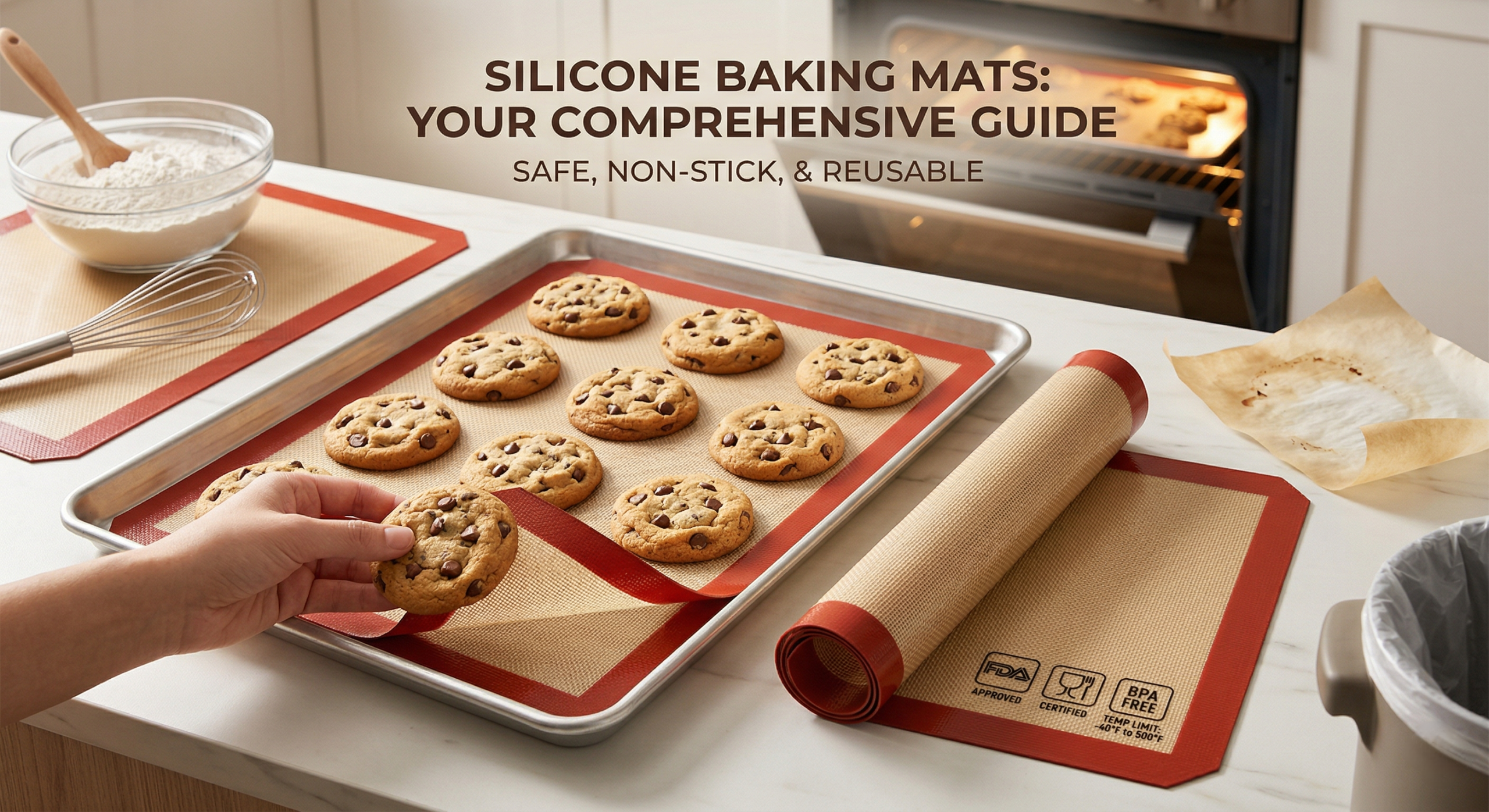
Yes, high-quality silicone baking mats are generally safe for food preparation when used within their rated temperature limits. For years, professional kitchens have struggled with the ongoing expense and waste of disposable parchment paper that often tears or sticks to delicate pastries. This inefficiency not only cuts into your bottom line but also creates a significant environmental footprint that modern B2B clients find increasingly unacceptable. By integrating Silicone Baking Mats into your production workflow, you can eliminate recurring supply costs while ensuring a non-toxic, reliable surface for every batch.
What Exactly Are These Modern Silicone Baking Mats?
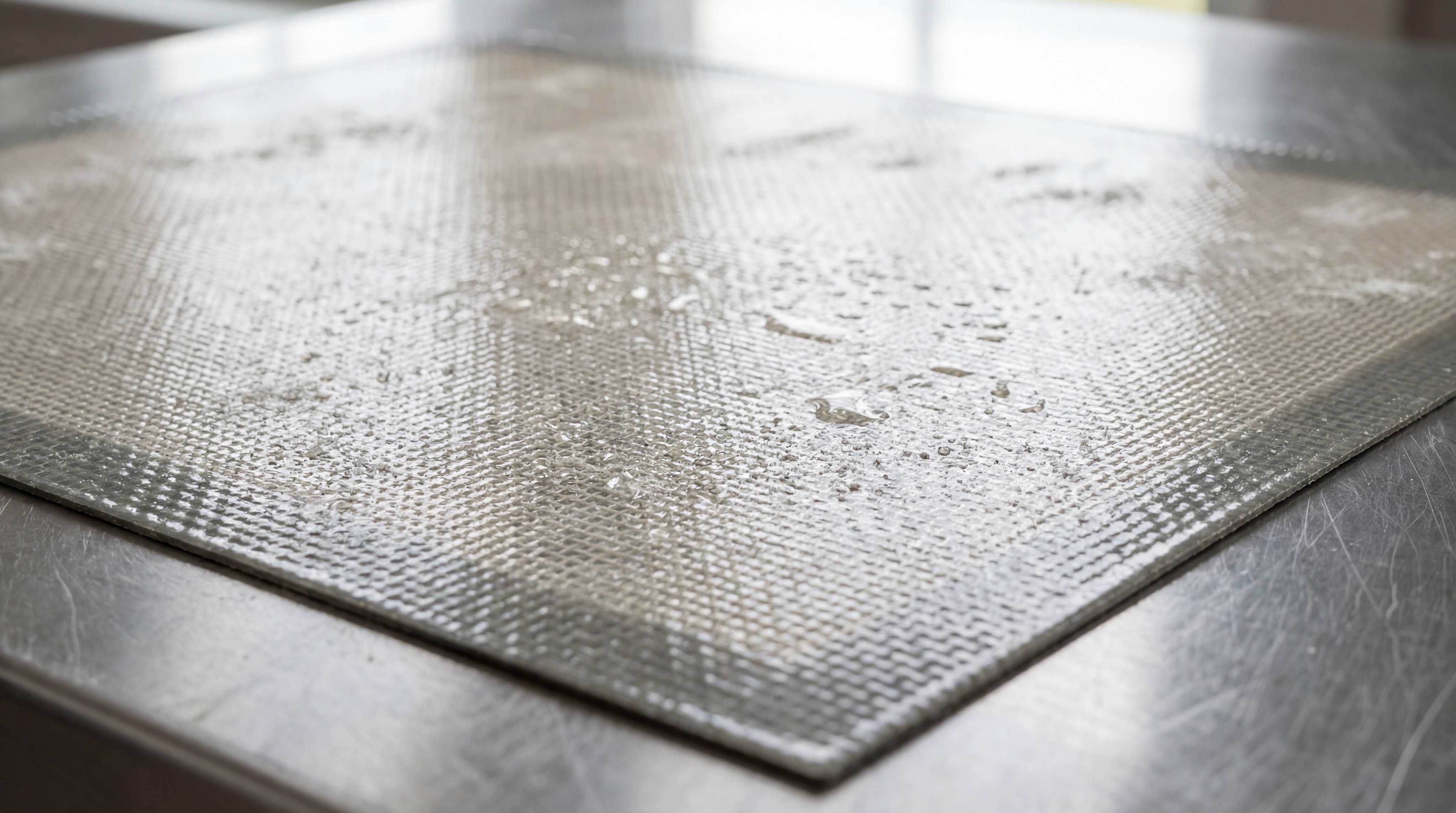
Silicone baking mats are specialized kitchen tools made from a combination of food-grade silicone and a reinforced fiberglass mesh core. These Silicone Baking Mats provide a flexible yet sturdy surface that can withstand temperature extremes from freezing to high-heat roasting. They are designed to replace greased pans and disposable liners in commercial settings. Many industrial bakeries rely on them for consistent results.
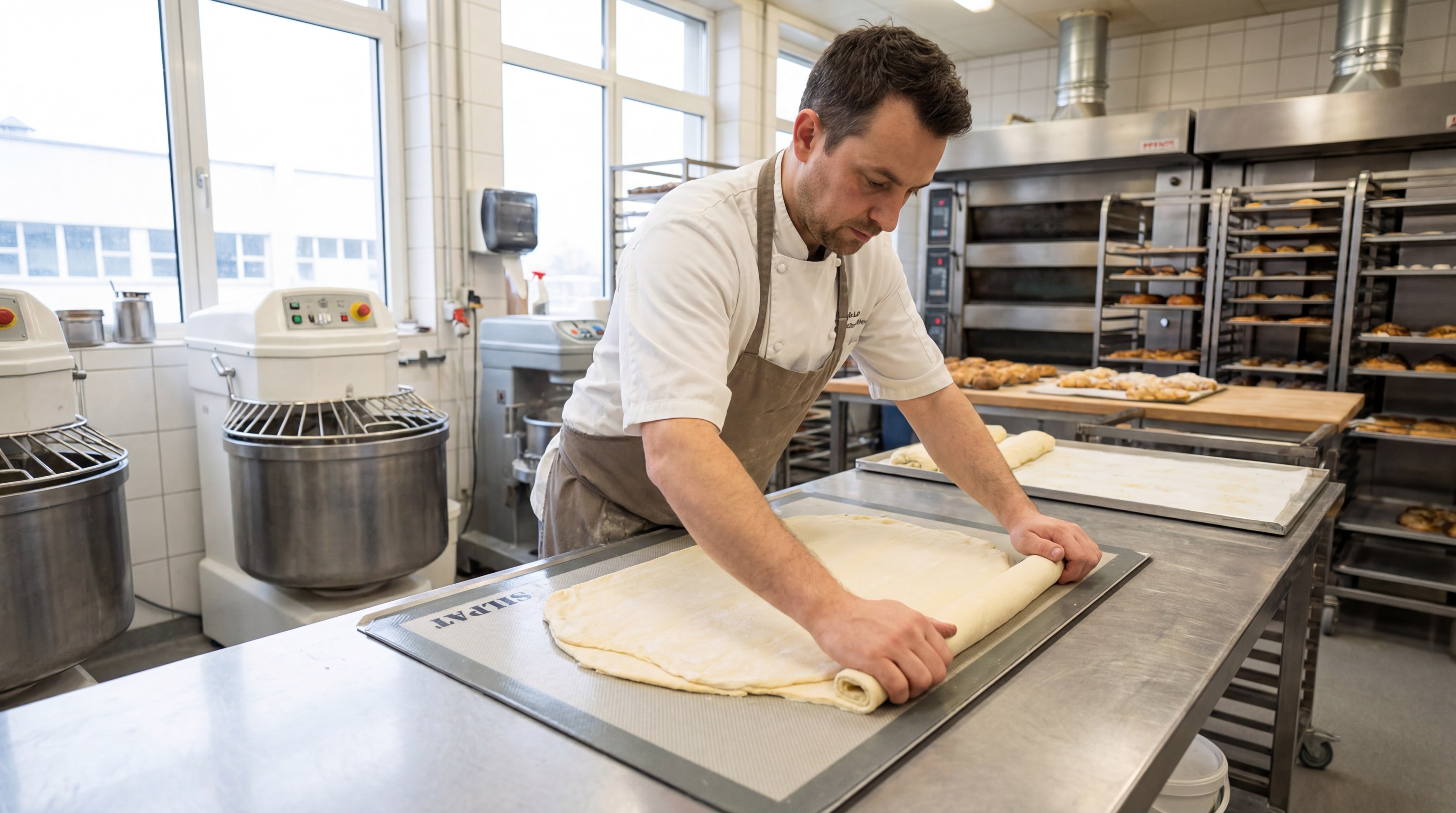
Core Materials and Temperature Tolerance
Look: most premium mats are rated for temperatures between -40°F and 500°F. This wide range makes them suitable for everything from shock-freezing dough to high-temp biscuit baking.
- Standard food-grade silicone coating
- Heat-resistant polymer structure
- Non-reactive chemical properties
Why Are They Made With Fiberglass Mesh?
The best part? The internal mesh ensures that heat is distributed evenly across the entire surface of the mat. Without this core, the silicone might warp or lose its shape under heavy industrial use.
Key Takeaway: Fiberglass integration is essential for structural integrity and heat management in professional baking environments.
| Component | Function |
|---|---|
| Silicone Layer | Provides non-stick properties |
| Fiberglass Core | Ensures even heat distribution |
The synergy between these two materials creates a durable, high-performance surface that prevents “hot spots” during the baking process.
How Do They Compare to Traditional Parchment Paper?
Silicone mats offer a superior long-term investment compared to parchment paper because they are reusable for thousands of cycles. Utilizing Silicone Baking Mats reduces the logistical burden of constantly reordering disposable supplies. While parchment is a single-use item, a high-quality mat can last for years with proper care. This shift represents a significant change in kitchen resource management.
Reusability and Long-Term Cost Savings
Here is the deal: while the upfront cost of a silicone mat is higher, the cost-per-use drops to fractions of a cent over time. Commercial operations can save thousands of dollars annually by switching from rolls of paper to durable mats.
- Lower recurring procurement costs
- Reduced storage space requirements
- Minimized kitchen waste volume
Which Option Is Better for the Environment?
Think about it: every piece of parchment paper used in a commercial kitchen ends up in a landfill. Silicone mats support your sustainability goals by eliminating this massive stream of daily waste.
Key Takeaway: Switching to reusable mats is one of the easiest ways to improve the environmental profile of your food production facility.
| Metric | Parchment Paper | Silicone Mat |
|---|---|---|
| Lifespan | Single Use | 2,000+ Uses |
| Waste Level | High | Negligible |
The data confirms that the environmental and financial benefits of silicone far outweigh the convenience of disposables in high-volume settings.
Are They Truly Safe for High-Heat Cooking and Baking?
Yes, they are safe because food-grade silicone is chemically inert and does not release toxic fumes or leach chemicals under standard conditions. These Silicone Baking Mats are manufactured to meet strict global safety standards like those set by the FDA and LFGB. As long as you stay within the manufacturer’s specified temperature range, the material remains stable. Understanding these limits is key to maintaining a safe kitchen environment.
Understanding Global Food Safety Standards
Fact is: only mats certified as 100% food-grade should be used in commercial food contact applications. These certifications ensure the material does not contain harmful additives or industrial fillers.
- FDA (U.S. Food and Drug Administration)
- LFGB (European Food Safety Standard)
- ISO Quality Management Systems
Is Chemical Leaching a Real Concern?
Wait, there’s more: high-quality silicone does not leach into food because it lacks the volatile organic compounds found in some plastics. The material is designed to be non-reactive even when exposed to acidic or fatty foods at high temperatures.
Key Takeaway: Chemical stability is the primary reason silicone has become the industry standard for safe, non-stick baking.
| Condition | Silicone Reaction |
|---|---|
| Acidic Foods | Non-reactive |
| High Heat (<500°F) | Chemically stable |
Properly certified materials provide peace of mind for food service operators who prioritize consumer health and safety.
What Factors Impact the Safety of Your Baking Mat?
The safety of a mat is primarily determined by the quality of the raw silicone and the presence of any unauthorized chemical fillers. Using low-quality Silicone Baking Mats can lead to the release of unpleasant odors or smoke when heated. It is vital to source your equipment from reputable manufacturers who provide full material transparency. Safety is never an accident; it is a result of rigorous material selection.
The Dangers of Using Low-Quality Fillers
Interestingly: some manufacturers add cheap fillers like calcium carbonate to reduce production costs. These fillers can degrade at high temperatures, potentially compromising the safety of the food being prepared.
- Check for “pinch test” discoloration
- Avoid mats with strong chemical smells
- Ensure a smooth, uniform surface texture
How Does Extreme Temperature Affect Safety?
Make no mistake: exceeding the maximum temperature rating (usually 500°F) can cause the silicone to become brittle or begin to decompose. Always verify the specific heat limits of your equipment before placing it in an industrial oven.
Key Takeaway: Temperature management is the most critical operational factor in ensuring the long-term safety of silicone products.
| Heat Level | Impact on Silicone |
|---|---|
| Normal (350°F-450°F) | Perfectly safe |
| Excessive (>500°F) | Risk of material breakdown |
Strict adherence to temperature guidelines prevents structural degradation and ensures the mat remains a safe tool in your kitchen.
Why Should You Switch to Reusable Silicone Mats?
You should switch because these mats combine health safety, economic efficiency, and environmental responsibility into a single product. Silicone Baking Mats are naturally BPA-free and do not require additional oils or fats to prevent sticking. This allows you to produce healthier food products while streamlining your cleaning process. It is a modern solution for businesses looking to optimize their operations.
Health Advantages of BPA-Free Materials
In short: silicone is a much safer alternative to old-fashioned non-stick coatings that may contain PFOA or other harmful chemicals. It provides a clean, neutral surface that does not alter the flavor of your baked goods.
- No PFOA or PFAS chemicals
- Naturally hypoallergenic surface
- Non-porous material prevents bacterial growth
Sustainability and Reducing Kitchen Waste
The secret? A more sustainable kitchen often leads to better brand perception among eco-conscious B2B partners and consumers. Reducing your waste stream is a powerful statement about your company’s values and operational maturity.
Key Takeaway: The transition to silicone is a strategic move that aligns health benefits with corporate sustainability initiatives.
| Aspect | Impact |
|---|---|
| Health | Clean, chemical-free surface |
| Efficiency | No need for greasing pans |
Consolidating your baking needs onto a reusable platform simplifies your supply chain and improves your overall product quality.
How Do These Mats Improve Your Baking Results?
Silicone mats improve results by providing a perfectly flat, non-stick surface that ensures every item in a batch cooks at the same rate. Using Silicone Baking Mats prevents the bottom of cookies or pastries from burning while the tops remain undercooked. They act as a thermal buffer between the metal pan and your delicate dough. Consistent heat is the foundation of high-quality professional baking.
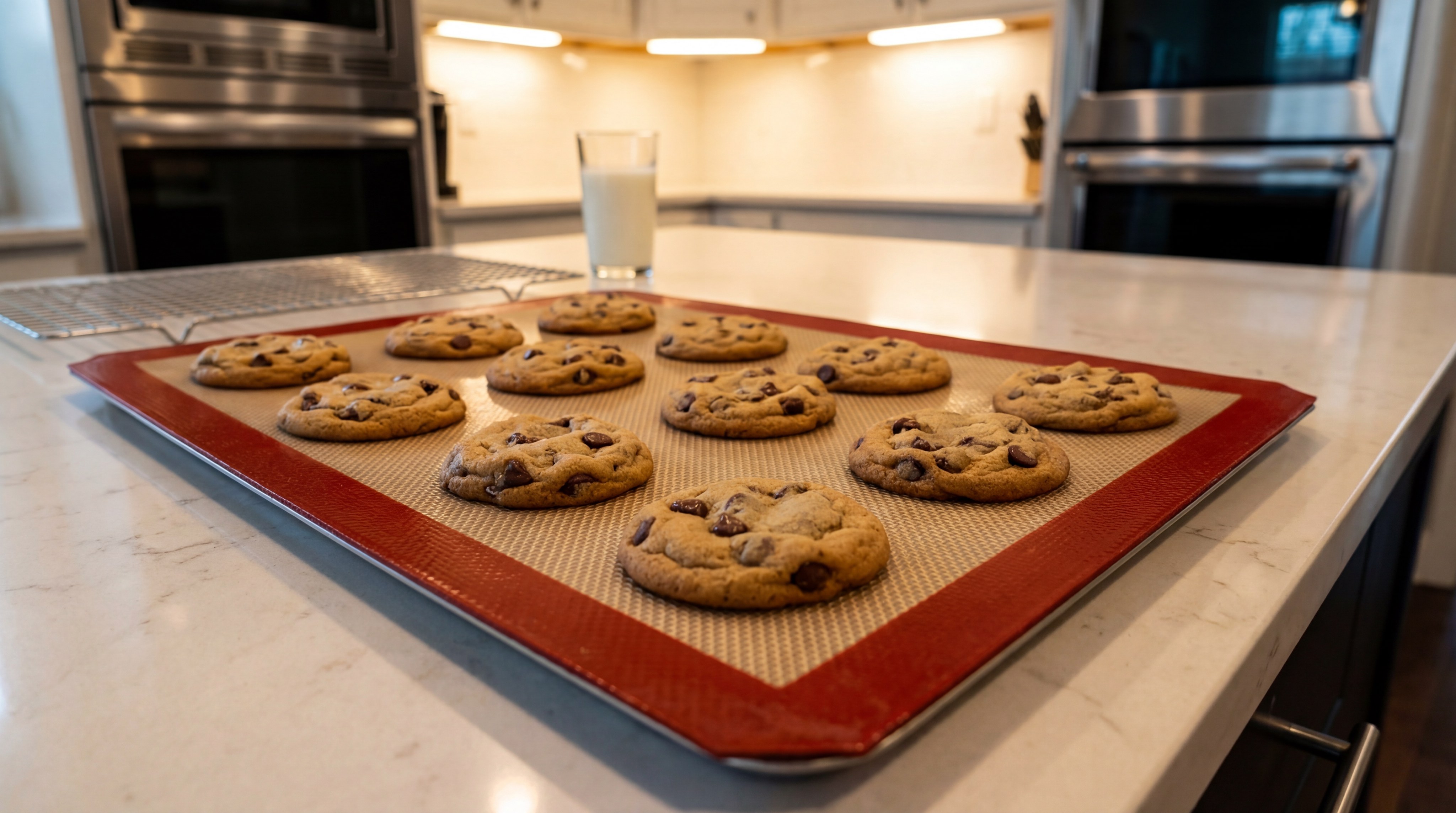
Achieving Even Heat Distribution Every Time
Look: the fiberglass mesh inside the mat regulates the transfer of heat from the oven rack to the food. This eliminates the hot spots often found on thin aluminum baking sheets that can ruin a batch.
- Uniform browning on all items
- Consistent texture and crumb
- Reduced risk of scorched edges
The Benefits of a Truly Non-Stick Surface
The best part? You will never have to scrape a stuck cookie off a pan again. This protects the delicate structure of your baked goods and saves significant time during the depanning process.
Key Takeaway: Non-stick performance directly translates to higher yield and fewer “seconds” in a professional production environment.
| Product Type | Performance Improvement |
|---|---|
| Cookies | Even browning, easy release |
| Macarons | Perfectly smooth bottoms |
The mechanical advantages of silicone allow for a level of precision that traditional greased pans simply cannot match.
What Are the Primary Risks You Should Watch Out For?
The primary risks involve using mats that have become physically damaged or heating them beyond their intended thermal limits. Low-quality Silicone Baking Mats may produce smoke if they contain industrial fillers not meant for food contact. It is essential to perform regular inspections of your kitchen equipment to identify these issues before they affect production. Awareness of these risks is the first step in effective risk management.
Can Overheating Lead to Toxic Fumes?
Here is the deal: silicone is very stable, but it is not indestructible. If a mat is accidentally left under a broiler, it can release silica-based smoke which, while less toxic than plastic smoke, should still be avoided.
- Never use under a direct flame
- Avoid contact with broiler elements
- Monitor oven temperatures accurately
Identifying Potential Health and Safety Concerns
Think about it: a mat with deep cuts or gouges can harbor bacteria or allow fiberglass particles to migrate into food. Maintaining the physical integrity of the surface is just as important as the chemical composition of the silicone.
Key Takeaway: Regular quality control checks are necessary to ensure your mats remain in peak condition for safe food preparation.
| Risk Factor | Prevention Method |
|---|---|
| Overheating | Use within 500°F limit |
| Contamination | Avoid cutting directly on mats |
By managing these risks through proper training and maintenance, you can enjoy all the benefits of silicone without any safety compromises.
How Can You Maintain Your Mats for Maximum Longevity?
Proper maintenance involves gentle cleaning with warm soapy water and storing the mats in a way that prevents permanent creasing. You should treat your Silicone Baking Mats as precision tools rather than disposable items. Avoiding sharp objects and harsh chemicals will significantly extend their operational lifespan. A well-maintained mat can easily last for several years of daily use.
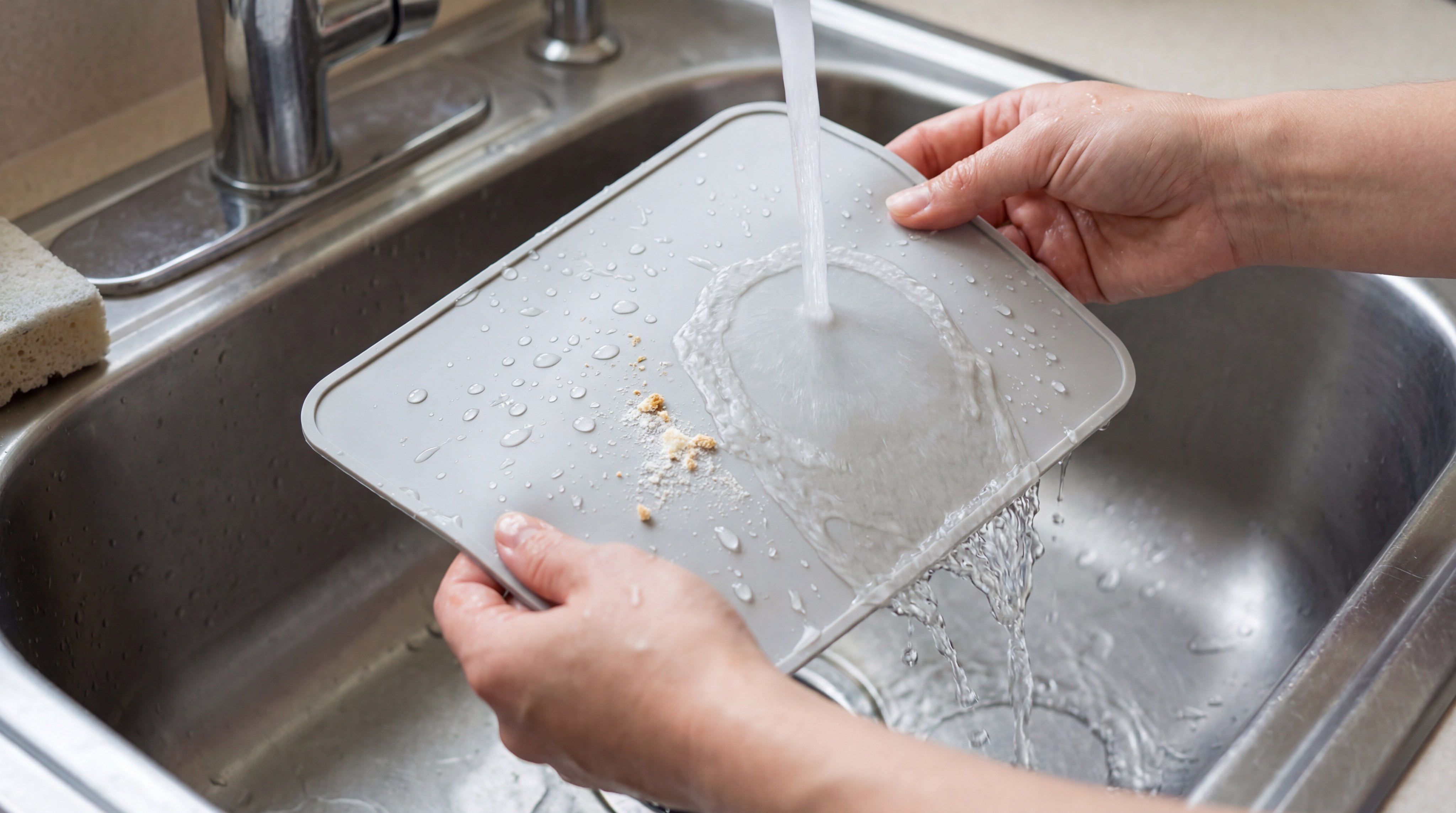
Best Practices for Cleaning and Storage
Fact is: a simple soak and a soft sponge are usually all you need to remove stubborn grease. Storing mats flat or rolled—never folded—preserves the fiberglass core and prevents the silicone from cracking at the seams.
- Use mild dish detergent
- Air dry completely before storage
- Store in a clean, dust-free area
Should You Avoid Harsh Chemical Cleaners?
Wait, there’s more: high-pH cleaners or abrasive scouring pads can strip the silicone coating and expose the fiberglass mesh underneath. This not only ruins the non-stick surface but also creates a potential food safety hazard.
Key Takeaway: Gentle cleaning is the secret to maintaining the non-stick properties and safety of your silicone equipment.
| Cleaning Tool | Recommended? |
|---|---|
| Soft Sponge | Yes |
| Steel Wool | No |
Following these simple care instructions ensures that your investment continues to provide value and safety for its entire expected life.
When Is It Time to Replace Your Old Baking Mat?
You should replace a mat when it shows visible signs of structural failure, such as exposed fiberglass or deep cracks in the silicone. While Silicone Baking Mats are durable, they are not infinite and will eventually wear out after thousands of uses. Using a compromised mat can lead to food sticking and potential safety risks. Knowing when to retire a tool is a hallmark of a professional operator.
Spotting Visible Cracks and Surface Tears
Look: if you can see the white fiberglass mesh through the colored silicone, the mat’s non-stick barrier is gone. This is a clear signal that the material can no longer be effectively sanitized or used safely.
- Frayed edges on the mat
- Deep gouges from knife cuts
- Bubbling on the silicone surface
What Does Significant Discoloration Mean?
The best part? Some light staining from fats or sugars is normal and does not affect safety. However, if the mat becomes dark, brittle, or develops a sticky residue that cannot be washed off, it has reached the end of its life.
Key Takeaway: Timely replacement of worn equipment is essential for maintaining consistent food safety and quality standards.
| Sign of Wear | Action Required |
|---|---|
| Exposed Mesh | Immediate replacement |
| Minor Staining | Continued safe use |
A regular audit of your mats ensures that your production line is always equipped with the highest quality tools available.
How Do You Choose a High-Quality Product?
Choosing a high-quality product requires verifying that the manufacturer uses 100% food-grade silicone and provides verifiable safety certifications. Premium Silicone Baking Mats will have a uniform thickness and a high-density fiberglass weave for better durability. Buying based on quality rather than just the lowest price ensures better performance and safety. Your reputation depends on the tools you choose.
Looking for 100% Food-Grade Certification
Here is the deal: always ask for the FDA or LFGB compliance documents when sourcing for a B2B environment. This documentation is your only guarantee that the product has been tested for safety in food-contact scenarios.
- Verify manufacturer reputation
- Request material safety data sheets
- Look for clear temperature ratings
Importance of Industry Standard Compliance
Think about it: products designed for the consumer market may not withstand the rigors of an industrial bakery. Ensure your mats are rated for commercial use to guarantee they can handle the volume and heat of your operation.
Key Takeaway: Prioritizing certified materials and commercial-grade construction is the best way to ensure long-term ROI and safety.
| Criteria | High Quality | Low Quality |
|---|---|---|
| Material | 100% Food Grade | Contains Fillers |
| Durability | High Cycle Count | Prone to Cracking |
Investing in superior products reduces downtime and protects the integrity of your brand in a competitive marketplace.
*
Silicone baking mats are a transformative tool for the modern food industry, successfully balancing safety concerns with high-performance requirements. By selecting certified, high-quality materials and following rigorous maintenance protocols, you can eliminate the waste of parchment paper while ensuring a non-toxic environment for your staff and customers. At HuaLin Silicone, our vision is to provide industrial partners with high-precision, food-safe solutions that drive efficiency and sustainability in every kitchen. To learn more about how our custom manufacturing can support your specific production needs, contact us today for expert guidance and a comprehensive quote.
*
FAQs
Can I use these mats under a broiler or open flame?
No, you should never use silicone mats under a broiler or near an open flame as these temperatures exceed the material’s safety limit. High heat can cause the silicone to smoke or degrade rapidly.
What’s the best way to remove oily residue from the mat?
The best way is to soak the mat in hot, soapy water and use a soft sponge to gently lift the oils. For very stubborn residue, a paste of baking soda and water can be applied before rinsing.
How do I know if my mat contains harmful fillers?
You can perform the “pinch test” by twisting a corner of the mat; if white shows through the color, it likely contains cheap fillers. Pure food-grade silicone will maintain its color when pinched or twisted.
Can I put my silicone mat in the dishwasher for cleaning?
Yes, most silicone mats are dishwasher safe and can be placed on the top or bottom rack. However, hand washing is often more effective at removing all grease and extends the mat’s lifespan.
What’s the best temperature limit for safe baking?
The safest temperature limit for most premium mats is typically between 480°F and 500°F. Always check the specific manufacturer’s rating printed on the edge of the mat to ensure compliance.