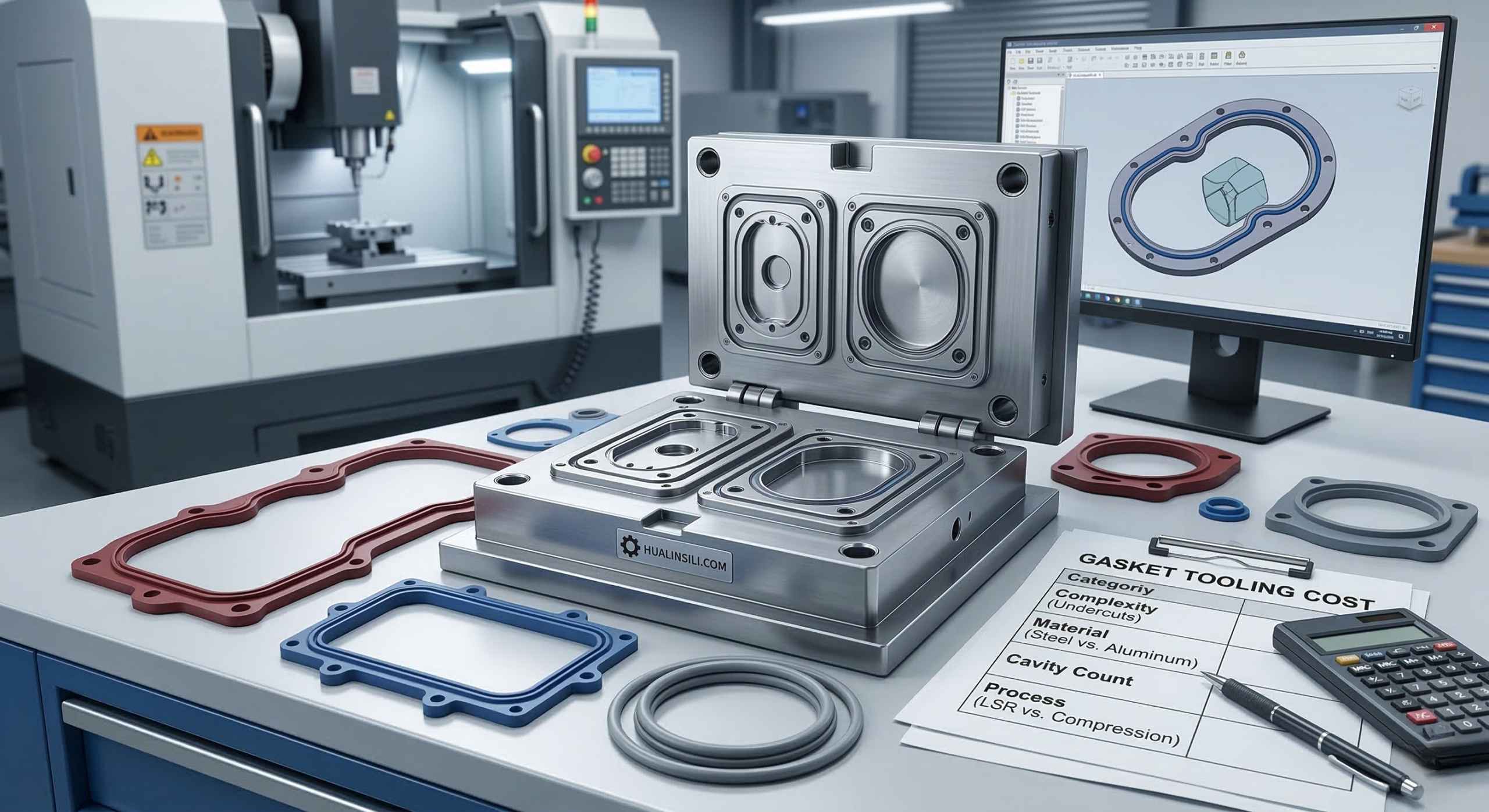
The average cost to make a custom silicone mold ranges from $500 for simple gaskets to over $20,000 for high-precision, multi-cavity industrial tools. You may have a brilliant new product design that requires a high-performance seal, but you are likely stuck at the first major hurdle: the tooling budget. Without a clear breakdown of how size, material, and complexity impact the bottom line, your project could face unexpected delays or expensive mid-production corrections. The good news is that understanding the custom silicone molding for gaskets cost allows you to optimize your strategy for maximum ROI and technical success.
What determines the base price of a custom mold?
The base price is primarily driven by CNC machining time and the total volume of the mold base required for your project. When calculating the custom silicone molding for gaskets cost, manufacturers evaluate the projected tool life and the specific requirements of the silicone grade.
Primary factors in tooling quotes
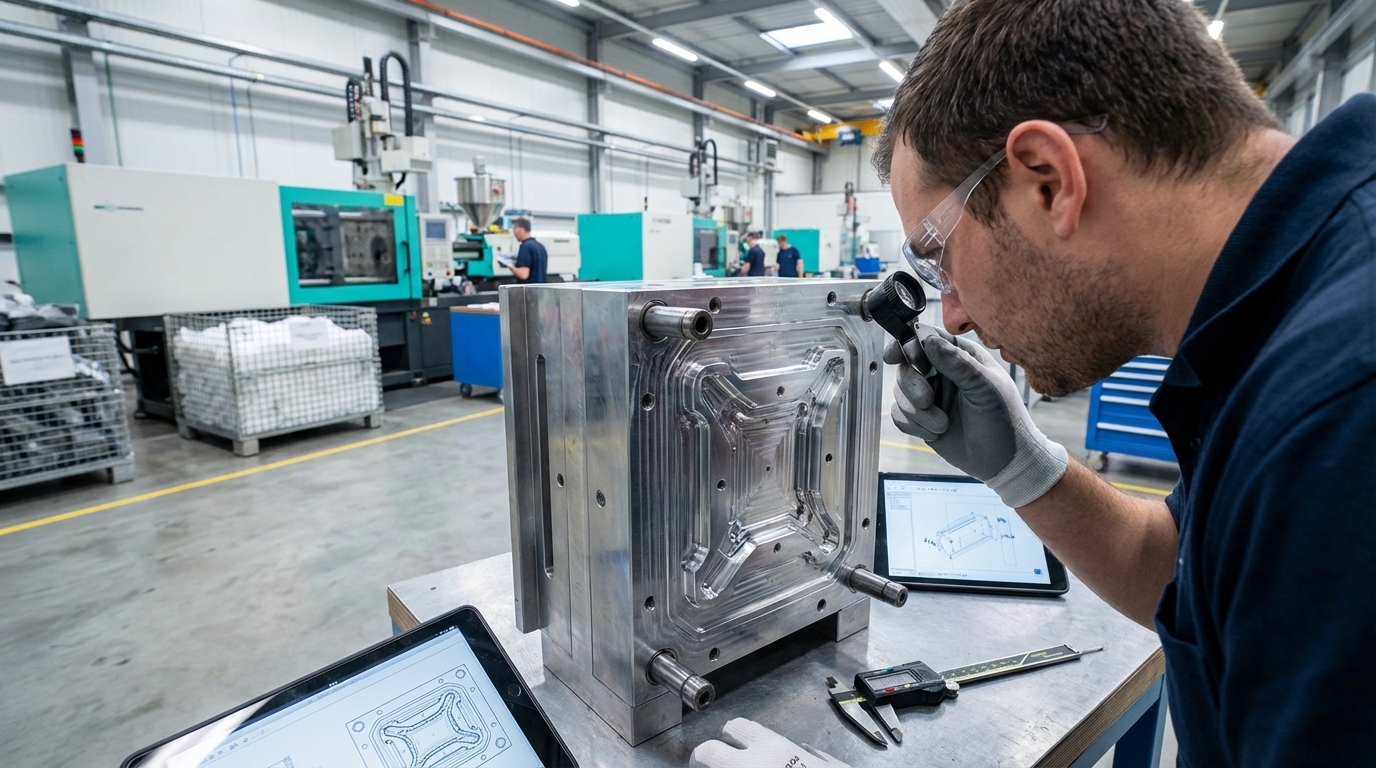
Engineering teams analyze several variables before providing a final quote. They look at your CAD files to determine how long a CNC machine must run to carve the cavities.
- Total volume of raw metal.
- Expected number of cycles.
- Complexity of the parting line.
- Tolerance requirements.
Typical price ranges for standard parts
For a simple, single-cavity mold, you can expect costs to fall between $500 and $5,000. High-precision industrial components or large-format molds often scale significantly higher.
But that’s not all. You must also consider the cost of the mold base itself, which supports the cavities during the high-pressure injection process.
Key Takeaway: Base pricing is a reflection of raw material costs and the labor-intensive machining hours required to transform steel or aluminum into a functional tool.
| Factor | Low End Cost | High End Cost |
|---|---|---|
| Single Cavity | $500 | $5,000 |
| Multi-Cavity | $8,000 | $20,000+ |
| Prototype Tool | $300 | $1,500 |
Understanding these baseline figures helps you set a realistic budget for your initial manufacturing phase.
How does size and shape impact your total cost?
Larger physical dimensions require more raw metal and longer machining cycles, which increases the custom silicone molding for gaskets cost. If you are designing a gasket for a large automotive housing, the mold base must be significantly larger to maintain structural integrity under pressure.
Material volume and machining time
The physical footprint of your part dictates the size of the steel or aluminum block used for the mold. Larger blocks are more expensive and take more time to move through the CNC milling process.
- Raw material weight and grade.
- Cooling channel length.
- Surface area for polishing.
- Setup time on large-scale mills.
Scaling costs for larger industrial gaskets
Think about it. A tiny seal for an earbud requires very little material compared to a gasket for a battery enclosure. As the surface area expands, the complexity of maintaining uniform heat and pressure also rises.
Large-format tools involve higher logistics and handling fees during the manufacturing process. You will find that the cost scales exponentially once you exceed standard machine bed sizes.
Key Takeaway: Keeping your part as compact as possible is the most direct way to keep your tooling expenses within a manageable range.
| Dimension | Cost Impact | Production Factor |
|---|---|---|
| Small (<50mm) | Low | High Speed |
| Medium (50-200mm) | Moderate | Standard Speed |
| Large (>200mm) | High | Slower Cycles |
Physical size remains a non-negotiable cost driver in any heavy-industry manufacturing environment.
Why does complexity drive up molding expenses?
Complexity drives up costs because intricate features require specialized Electrical Discharge Machining (EDM) and slower CNC feed rates, affecting the custom silicone molding for gaskets cost. Every rib, notch, or textured surface you add requires additional tool paths and manual labor.
Intricate geometries and tight tolerances
Complexity refers to how many unique features your part has and how precisely they must fit together. Tight tolerance requirements for sealing surfaces necessitate a level of precision that only the most advanced machines can provide.
- Fine surface textures.
- Extremely thin wall sections.
- Multiple interlocking features.
- High-precision sealing lips.
Impact of undercuts and side-actions
Here is the kicker. If your part design has features that prevent it from being “pulled” straight out of the mold, you need side-actions or sliders. These moving mechanical parts within the tool add significant engineering hours and assembly costs.
These mechanical features must be timed perfectly with the mold opening and closing. You should expect a 20% to 40% price jump for every side-action added to the design.
Key Takeaway: Simplifying your design to eliminate undercuts can drastically reduce the complexity and cost of your custom mold.
| Complexity Level | Design Features | Cost Multiple |
|---|---|---|
| Low | Flat, no undercuts | 1.0x |
| Medium | Some ribs, 1 slider | 1.5x |
| High | Complex undercuts, 3+ sliders | 2.5x+ |
Designing for simplicity is the smartest way to manage your long-term capital expenditure.
Which mold material offers the best ROI for gaskets?
Steel molds provide the best long-term return on investment for high-volume production, while aluminum is better for lower quantities and lowers the custom silicone molding for gaskets cost. Choosing the right metal is a balance between your upfront budget and the total number of parts you intend to produce.
Steel vs. Aluminum: Choosing for longevity
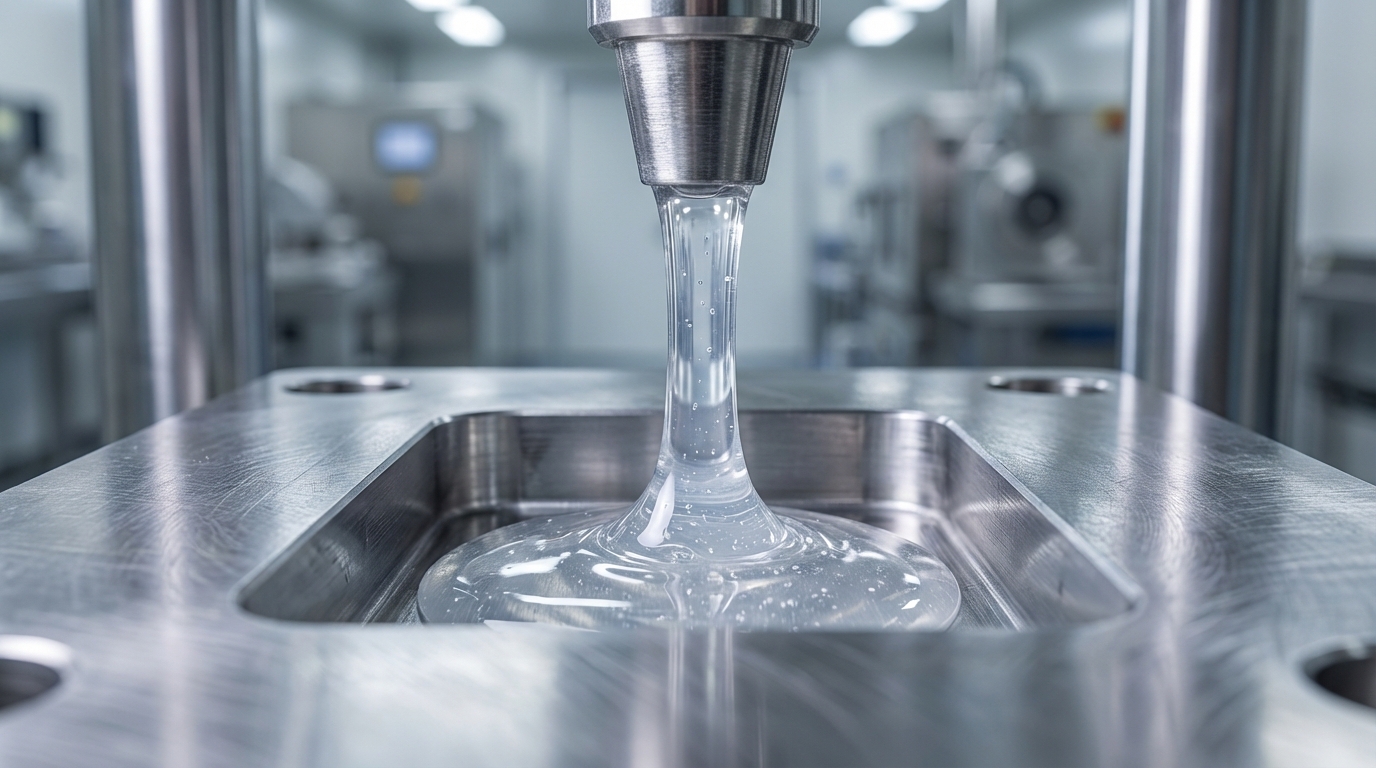
Steel is the gold standard for industrial gaskets because it resists wear and tear over hundreds of thousands of cycles. Aluminum is softer and easier to cut, which makes it faster to produce but less durable over time.
- Hardened steel for 500k+ cycles.
- P20 steel for medium volumes.
- Aluminum for 5k to 20k cycles.
- Beryllium copper for heat dissipation.
When to use low-cost plastic molds
Believe it or not, some low-pressure casting applications use 3D-printed or plastic molds for very small batches. However, these are not suitable for the high temperatures and pressures of standard compression or LSR molding.
You will likely find that plastic molds fail after just a few dozen parts. For any serious industrial gasket project, you should stick to metal tooling.
Key Takeaway: Invest in steel if you plan to scale, but use aluminum if you are still in the market-testing or low-volume phase.
| Material | Durability | Initial Cost |
|---|---|---|
| Hardened Steel | Extremely High | High |
| Aluminum | Moderate | Medium |
| 3D Printed | Very Low | Low |
The right material choice prevents you from having to pay for a second mold mid-way through your product lifecycle.
Does the number of cavities affect the upfront price?
Increasing the number of cavities significantly raises the custom silicone molding for gaskets cost because it requires more machining and a larger mold base. However, this upfront investment is the only way to achieve a lower price per part during mass production.
Comparing single-cavity vs. multi-cavity
A single-cavity mold produces one part per cycle, making it the cheapest to build but the most expensive to run. Multi-cavity tools (2, 4, 8, or more) produce multiple parts simultaneously, drastically reducing labor and machine time costs.
- Single cavity for prototypes.
- 4-cavity for medium demand.
- 16-cavity for high-volume consumer goods.
- Balanced runner systems for uniformity.
Balancing tool cost with production speed
Think about this. If you need 100,000 gaskets, a single-cavity mold would take months to finish the order and cost you a fortune in machine time. By spending more on a multi-cavity tool now, you save thousands of dollars on the back end.
The decision on cavity count depends entirely on your total projected volume and your deadline. High-volume gasket production typically justifies the $10,000+ investment in a multi-cavity tool.
Key Takeaway: Calculate your total cost of ownership by looking at the unit price rather than just the initial tooling quote.
| Cavity Count | Tooling Cost | Unit Price |
|---|---|---|
| 1 Cavity | $2,000 | $1.50 |
| 4 Cavities | $6,000 | $0.60 |
| 16 Cavities | $18,000 | $0.25 |
Multiplying your output per cycle is the most effective way to scale your business efficiently.
How do design and CAD services influence the bill?
Professional engineering services ensure your part is optimized for manufacturing, which can either increase or decrease the custom silicone molding for gaskets cost. If you provide “molder-ready” files, you can skip the expensive fees associated with fixing design flaws.
Fees for professional DFM support
Design for Manufacturing (DFM) is a critical step where experts review your drawing for potential issues like improper draft angles or thin walls. Most factories charge for this engineering time if the initial files are not production-ready.
- Draft angle adjustments.
- Wall thickness optimization.
- Gating and venting placement.
- Parting line selection.
Saving money with production-ready files
The best part? Providing a clean, optimized CAD file in STP or IGS format can save you hundreds of dollars in prep fees. Well-designed parts also reduce the risk of mold re-working, which is the most expensive type of manufacturing delay.
You should consult with your manufacturer early in the design phase. Often, a medical-grade silicone specialist can suggest minor tweaks that save thousands in tooling complexity.
Key Takeaway: Spending time on high-quality CAD design upfront is a proven way to avoid costly rework and engineering surcharges.
| Design State | Engineering Fee | Risk Level |
|---|---|---|
| Optimized CAD | $0 – $200 | Low |
| Basic Sketch | $500 – $1,500 | High |
| No CAD | $2,000+ | Very High |
A little bit of preparation goes a long way in keeping your project on budget and on schedule.
Is prototyping a necessary cost for custom gaskets?
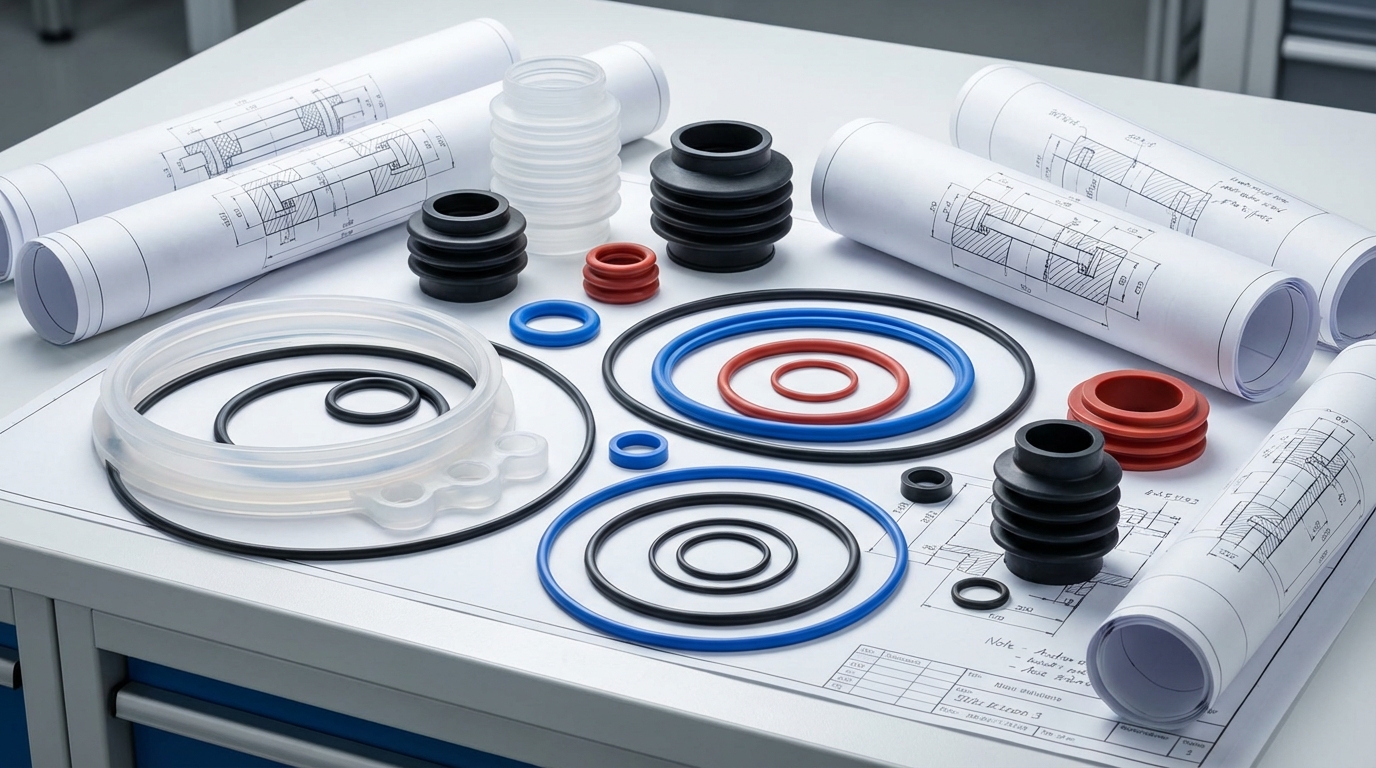
Prototyping is a necessary insurance policy that protects your custom silicone molding for gaskets cost by catching errors before they are cut into metal. It is much cheaper to spend a few hundred dollars on a sample than to find out your $10,000 mold is the wrong shape.
Benefits of 3D printed silicone samples
Before you commit to high-cost steel, 3D printing or RTV molding allows you to test the physical fit and seal of your gasket. This stage is vital for validating that your chosen material hardness (durometer) works in the real world.
- Functional fit testing.
- Material compatibility checks.
- Assembly verification.
- Rapid design iterations.
Avoiding expensive mid-production changes
It gets better. Once a metal mold is finished, making changes is incredibly difficult and often involves expensive welding or re-cutting. Prototyping ensures the design is finalized, preventing the need for these emergency “fixes.”
You should always request a “First Article” inspection. This process ensures the parts coming off the tool perfectly match your original specifications.
Key Takeaway: Never skip the prototyping phase unless you are 100% certain of your design, as the cost of a mistake in steel is unforgiving.
| Method | Cost | Lead Time |
|---|---|---|
| 3D Printing | $100 – $300 | 2 Days |
| RTV Molding | $300 – $800 | 1 Week |
| Soft Tooling | $1,500 – $3,000 | 2 Weeks |
Prototyping is the most effective risk-mitigation tool available to any hardware developer.
What is the price difference between LSR and compression?
Liquid Silicone Rubber (LSR) injection molding tools are generally 20% to 50% more expensive than compression molds, which directly affects the custom silicone molding for gaskets cost. This price gap exists because LSR tools must be airtight, heated, and capable of handling high-pressure liquid injection.
Liquid silicone rubber tooling premiums
LSR molding requires a sophisticated cold runner system to prevent the material from curing before it reaches the cavity. These systems are technically complex and require high-grade sensors and heating elements.
- Cold runner integration.
- Automated part ejection.
- Precision flash control.
- High-speed cycle capability.
Cost-effective compression molding options
You might be wondering if compression molding is “good enough” for your project. For gaskets with simpler shapes and medium tolerances, compression tools are the most budget-friendly option and are ideal for standard high-consistency rubber (HCR).
Compression molds have fewer moving parts and do not require the same level of automation as LSR. This makes them a great choice for startups or low-volume industrial runs.
Key Takeaway: Choose LSR for high-precision, high-volume projects, but stick to compression molding if your priority is minimizing upfront tooling costs.
| Process | Tooling Price | Ideal Volume |
|---|---|---|
| LSR Injection | $$$$ | 50,000+ |
| Compression | $$ | 1,000 – 10,000 |
| Overmolding | $$$$$ | High Complexity |
Selecting the right process at the start prevents you from overpaying for capabilities you don’t actually need.
How do shipping and storage fees impact your budget?
International logistics and ongoing maintenance can add 5% to 15% to your total custom silicone molding for gaskets cost. While the mold itself is a one-time purchase, you must account for the expense of moving heavy metal across borders.
Hidden costs of international logistics
Heavy metal molds are expensive to ship via air freight, and ocean freight takes weeks. If you are manufacturing in one country but molding in another, you must also account for potential import duties on capital equipment.
- Customs brokerage fees.
- Crating and protection.
- Insurance during transit.
- Import taxes (VAT/Duties).
Benefits of factory-side mold maintenance
That’s not even the half of it. Many professional suppliers offer free storage and routine maintenance if you keep the mold at their facility. This is a massive advantage because the about us section of most top factories highlights their ability to guarantee tool life.
Keeping the mold at the factory also means they are responsible for any repairs. This “on-site” approach reduces the risk of damage during repeated shipping and handling.
Key Takeaway: Factor in at least 10% of your tooling cost for logistics if you plan to move the mold, or save that money by partnering with a full-service factory.
| Service | Included? | Estimated Cost |
|---|---|---|
| Local Storage | Often Free | $0 |
| Air Freight | Extra | $500 – $2,000 |
| Routine Repair | Usually Free | $0 |
Managing your physical assets wisely is just as important as the initial design of the part.
Why is choosing the right manufacturer critical?
Choosing the right manufacturer is the single most important factor in managing the custom silicone molding for gaskets cost over the life of your product. A high-quality partner ensures that your mold is built to last and that your parts meet strict regulatory standards.
Comparing domestic vs. overseas labor costs
Overseas manufacturers, particularly in hubs like Dongguan, often offer lower tooling costs due to integrated supply chains. However, you should look for a factory that balances low costs with world-class communication and technical expertise.
- Integrated supply chain access.
- Lower overhead expenses.
- 24/7 engineering support.
- Rapid prototyping capabilities.
Quality assurance and compliance documentation
Now, consider this. A “cheap” mold that fails to produce parts meeting industry standards like FDA or ISO is a wasted investment. Ensure your manufacturer provides full inspection reports and material certifications with every batch.
You need a partner that acts as an extension of your team. This means they should catch errors during the DFM phase, not after the parts have already shipped to your warehouse.
Key Takeaway: Prioritize manufacturers who offer in-house mold making and transparent quality control systems to ensure the best long-term value.
| Manufacturer Type | Price | Reliability |
|---|---|---|
| Full-Service Factory | Competitive | High |
| Broker/Middleman | Varied | Low |
| Local Boutique | High | Moderate |
The right partner makes the difference between a successful product launch and a costly manufacturing nightmare.
Conclusion
Navigating the financial landscape of custom silicone molding is a balancing act between your initial capital expenditure and long-term production efficiency. We have seen that while size, complexity, and material choice are the primary levers of cost, the real value lies in choosing a manufacturer that understands your specific industry needs. Whether you are developing high-precision medical seals or durable automotive gaskets, your goal is to minimize risk while maximizing quality.
Our team is dedicated to providing the engineering support and high-performance molding solutions your project deserves. We invite you to contact us today to receive a detailed DFM review and a transparent quote for your next custom project. Let us help you turn your design into a repeatable, cost-effective reality.
FAQ
Can I use the same mold for different silicone grades?
Generally, yes, but you must be careful about shrinkage rates. Most molds can accommodate various durometers of the same silicone type, though slight dimensional changes may occur between standard and high-performance grades.
How do I know if I need a steel or aluminum mold?
If your production run is under 5,000 parts, aluminum is often sufficient and saves money. For anything higher, or for parts with high-tolerance sealing requirements, steel is the necessary professional investment.
What’s the best way to reduce my initial tooling cost?
The most effective way is to simplify the part design to eliminate undercuts and minimize the overall physical footprint. Reducing the number of cavities also lowers the initial price, though it increases the unit cost later.
Can I modify my mold after it has been manufactured?
Molds can be modified by “removing metal” to make a part larger, but “adding metal” is much harder. Making a part smaller requires expensive welding or new inserts, so finalizing your design during prototyping is essential.
How many parts can I produce from a single custom mold?
A well-maintained steel mold can produce between 100,000 and 500,000 parts before requiring major repairs. Aluminum molds are typically rated for much shorter lifespans, usually between 5,000 and 20,000 cycles.