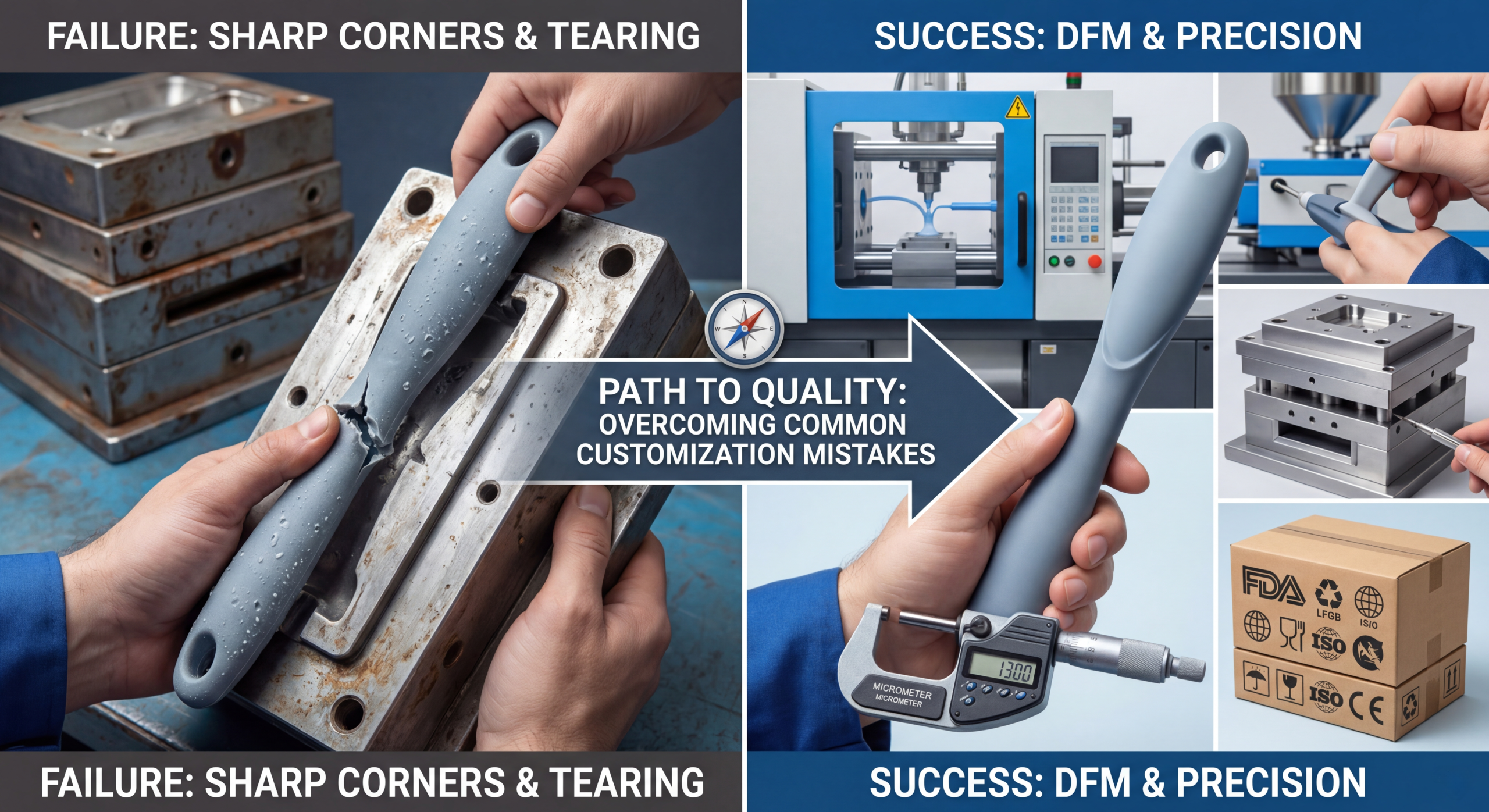
Common mistakes in customizing silicone products include selecting incorrect material grades, over-engineering designs, and underestimating shrinkage rates. Many businesses face unexpected delays, high defect rates, and skyrocketing costs because they overlook technical nuances. Imagine investing months into a prototype only to find the material isn’t food-safe or the parts don’t fit the assembly. By identifying the most common manufacturing pitfalls early, you can streamline your supply chain and ensure your product meets global standards when Customizing Silicone Products.
Why Is Material Choice Vital for Customizing Silicone Products?
Material choice is vital because treating all silicone as equal leads to functional failure and regulatory non-compliance. When Customizing Silicone Products, choosing an industrial grade for a medical application can cause catastrophic safety risks. You must ensure the raw material properties align perfectly with the environment the part will inhabit.
Is Food-Grade Always Necessary?
Choosing the right certification is the difference between market entry and a legal ban.
Here is the thing.
- Difference between FDA and LFGB standards for global shipping.
- Impact of temperature resistance on material longevity in kitchens.
- Chemical compatibility for specific industrial detergents.
Key Takeaway: Material selection determines the lifespan and legal compliance of your part.
| Material Type | Primary Use Case | Compliance Level |
|---|---|---|
| Food Grade | Kitchenware/Bottles | FDA/LFGB |
| Medical Grade | Healthcare/Wearables | ISO 13485/Biocompatible |
| Industrial | Gaskets/Seals | RoHS/REACH |
Use this table to align your material choice with the specific regulatory demands of your target industry.
Are Complex Designs Ruining Your Customizing Silicone Products?
Complex designs ruin production efficiency by increasing scrap rates and causing molding failures that delay your launch. Success in Customizing Silicone Products depends heavily on Design for Manufacturing (DFM) principles. Over-engineering often leads to high costs that could have been avoided with a simpler geometric approach.
Why Are Sharp Corners a Design Killer?
Sharp corners create stress points that cause the silicone to tear during the demolding process.
Think about it.
- The role of radiused edges in preventing material tearing.
- How wall thickness consistency prevents unsightly warping.
- Stress distribution improvements through curved transitions.
Can Your Design Be Demolded Easily?
A design that looks good on screen may be impossible to remove from a physical mold without damage.
The truth is.
- Importance of draft angles for high-speed automated production.
- Avoiding deep undercuts that trap air or cause defects.
- Optimal parting line placement for aesthetic finishes.
Key Takeaway: Simplify geometries to ensure consistent material flow and easier demolding.
| Design Feature | Common Error | Recommended Solution |
|---|---|---|
| Wall Thickness | Uneven thickness | Maintain 1.5mm – 3.0mm |
| Undercuts | Sharp internal hooks | Use collapsible cores or fillets |
| Draft Angles | Zero degree walls | Minimum 0.5 to 1.0 degree |
This analytical guide helps you identify high-risk design features before they reach the expensive tooling stage.
How Does Poor Tooling Affect Customizing Silicone Products?
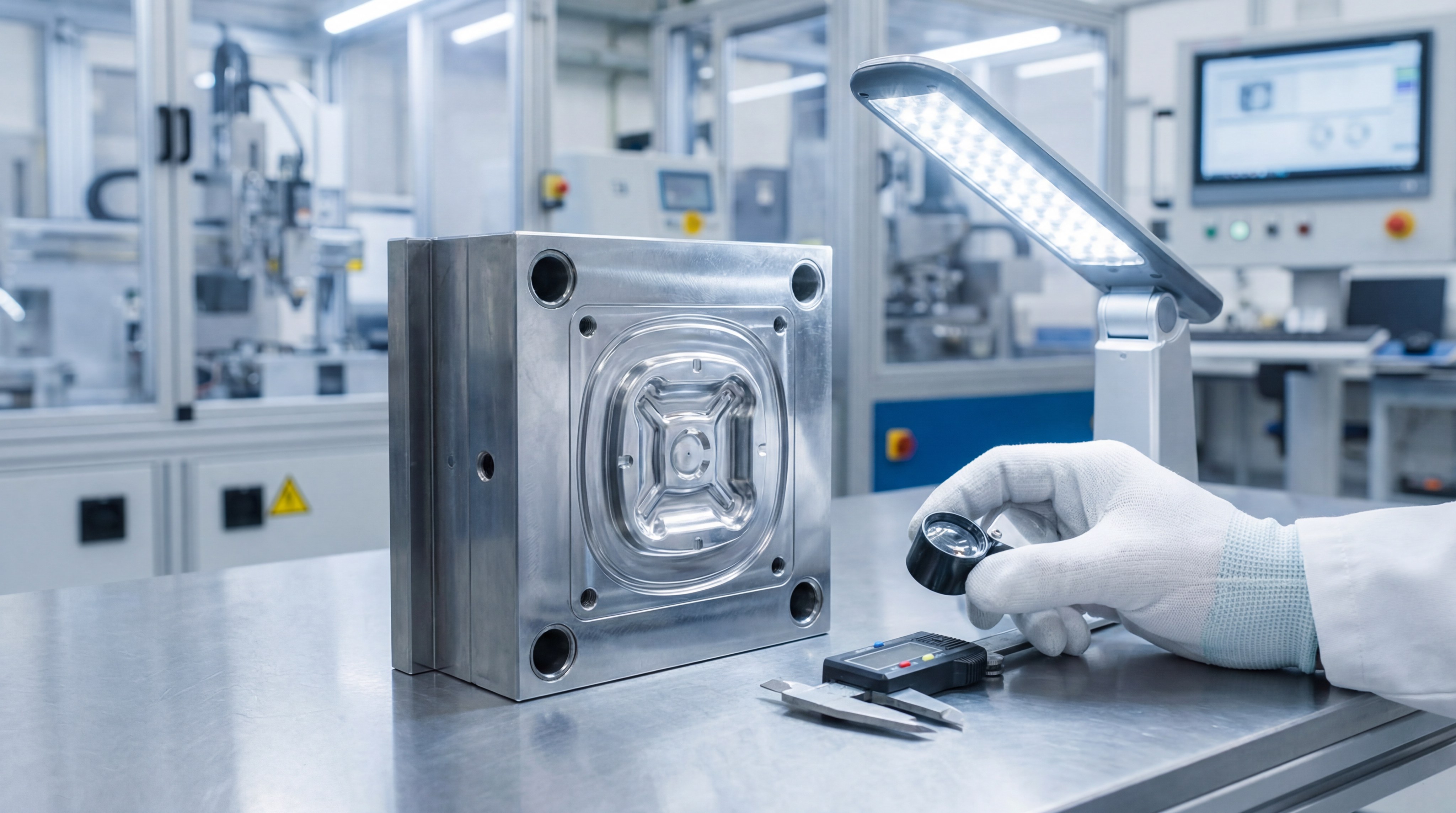
Poor tooling causes dimensional drift, excessive flash, and surface bubbles that ruin the perceived quality of your brand. When Customizing Silicone Products, the mold is the foundation of your entire manufacturing success. Cheap tooling is a “silent killer” that eventually results in higher costs due to frequent mold repairs and high rejection rates.
Is Your Mold Steel Grade High Enough?
Using low-grade steel leads to rapid wear and loss of precision after only a few thousand cycles.
Believe it or not.
- Why CNC precision is non-negotiable for high-performance seals.
- The lifespan difference between aluminum and hardened steel molds.
- Surface finish retention over 100,000+ production shots.
How Does Venting Prevent Air Traps?
Without proper venting, air becomes trapped in the mold cavity, creating “burn marks” or incomplete parts.
The secret is.
- The impact of poor venting on surface aesthetics and texture.
- Preventing structural weak points in high-pressure molding.
- Optimizing vent placement based on material flow analysis.
Key Takeaway: Invest in high-grade steel tooling to guarantee consistency across 100,000+ cycles.
| Tooling Factor | Low-Quality Impact | High-Quality Benefit |
|---|---|---|
| Material | Rapid wear/deformation | 500k+ shots lifespan |
| Precision | Poor assembly fit | Tight tolerance (±0.05mm) |
Selecting premium tooling materials ensures your production line remains stable without unexpected maintenance shutdowns.
Why Is the Wrong Molding Process a Costly Mistake?
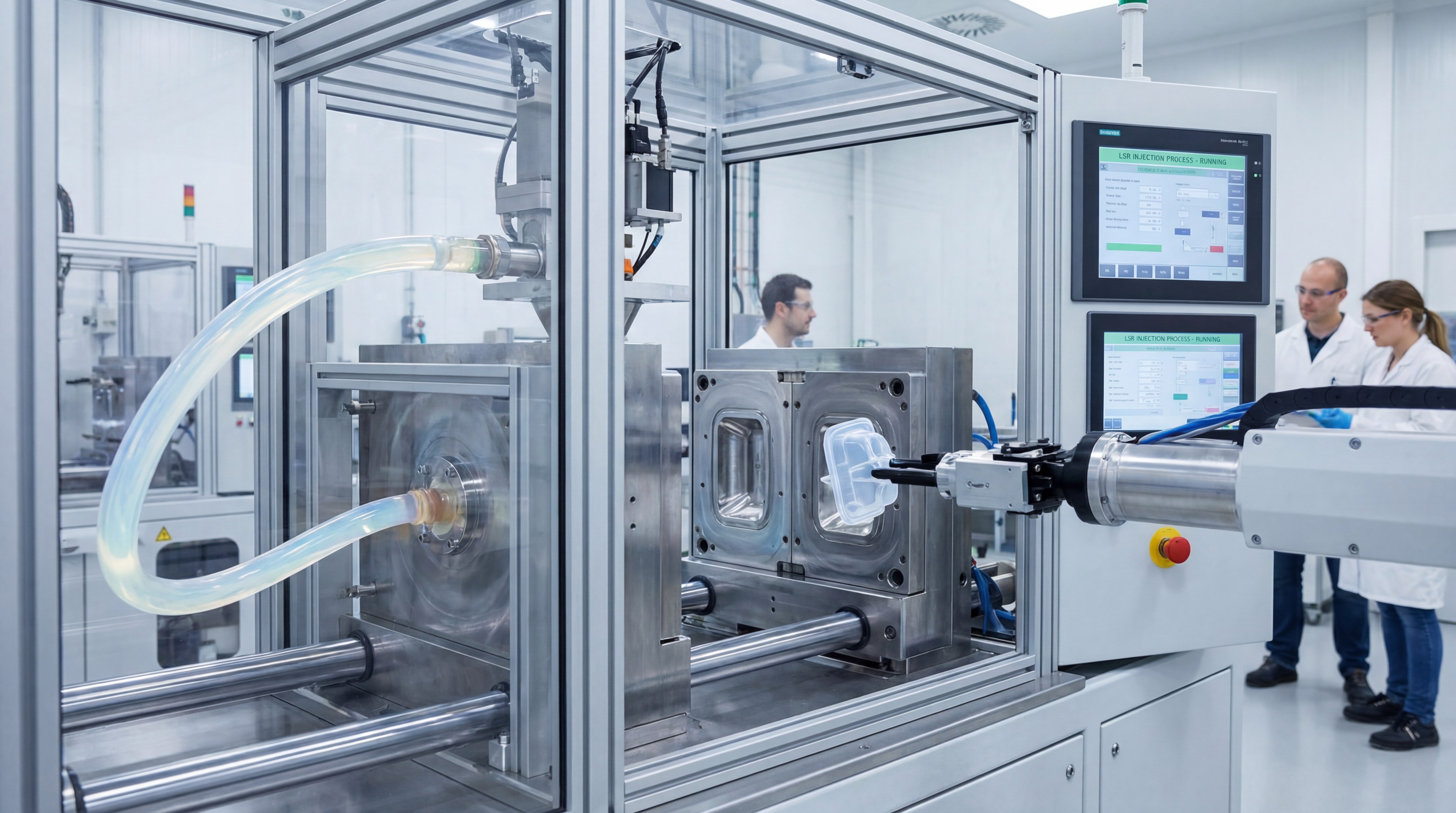
The wrong molding process causes excessive labor costs and fails to meet the precision requirements of advanced components. Selecting the right manufacturing route is essential when Customizing Silicone Products. A common error is using compression molding for high-precision components that require Liquid Silicone Rubber (LSR), so check industrial process routes first.
When Should You Choose LSR Over Compression?
LSR is the superior choice for high-volume projects requiring medical-grade precision and flash-less finishes.
Let’s break it down.
- LSR for high-volume, flash-less, and high-precision parts.
- Compression for cost-effective, large-scale, or simple geometries.
- Automated cycle times that reduce human error and labor.
Key Takeaway: The molding process must align with your volume, precision needs, and budget.
| Process | Best For | Speed/Efficiency |
|---|---|---|
| LSR Injection | High precision/Medical | Very High |
| Compression | Simple parts/Pet toys | Moderate |
| Overmolding | Handles/Electronics | High Integration |
Evaluate your volume and tolerance needs against these processes to optimize your production budget effectively.
Can Ignoring Tolerances Break Your Customizing Silicone Products?
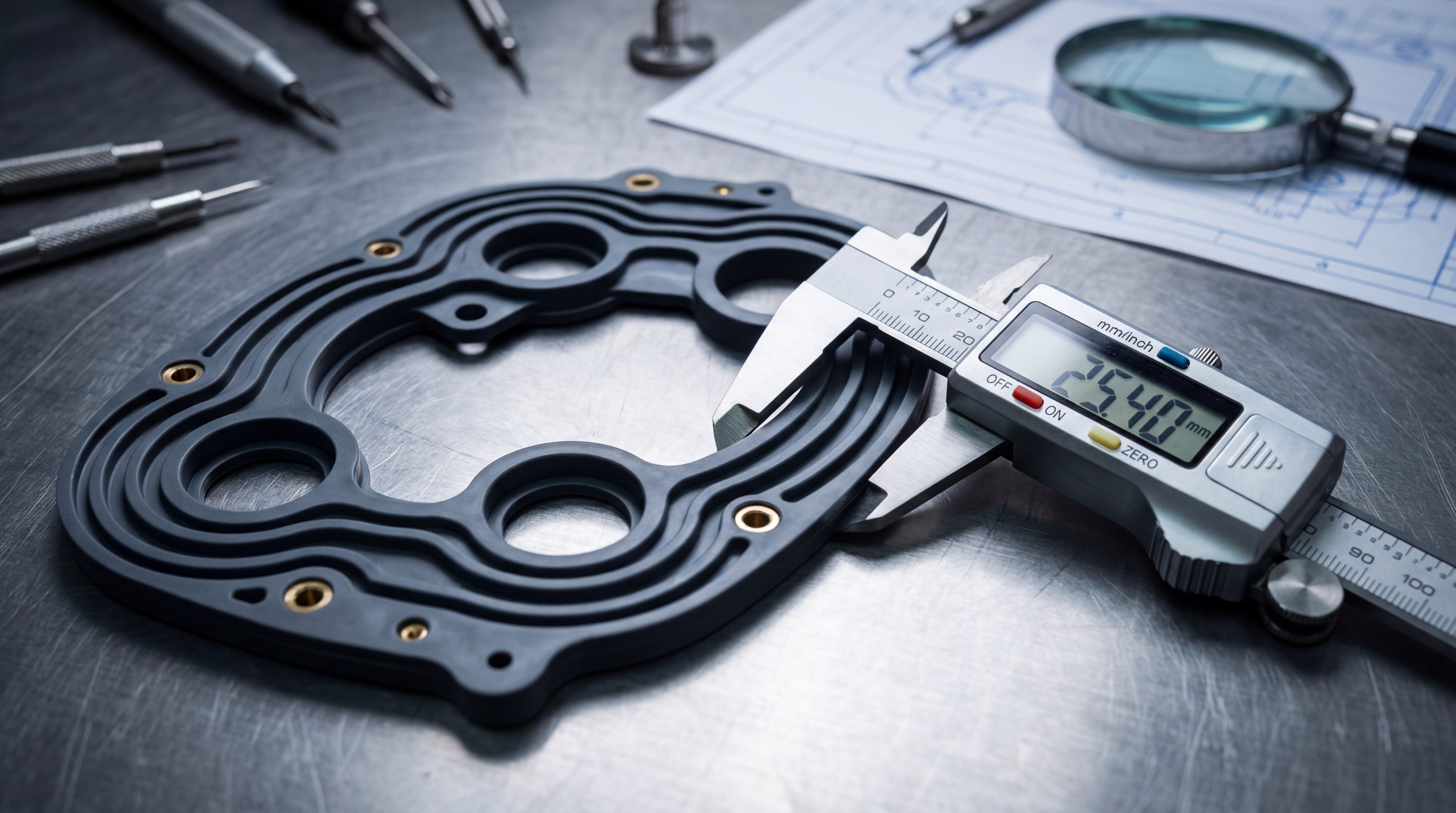
Ignoring tolerances leads to assembly failure because silicone naturally shrinks during the curing and cooling process. When Customizing Silicone Products, forgetting that silicone shrinks by 1-3% is a recipe for disaster. You must account for this physical change in the initial CAD design to ensure a perfect fit with mating parts.
Do You Factor in Thermal Expansion?
Silicone expands when heated, and neglecting this can cause seals to leak or housings to crack under pressure.
The truth is.
- How curing temperature affects the final dimensions of the part.
- The difference in shrinkage between HCR and LSR materials.
- Predicting expansion in high-temperature operating environments.
Why Are Mating Parts Misaligned?
Misalignment often stems from “stacking tolerances” where small errors in multiple parts add up to a major failure.
Think about it.
- The dangers of ignoring tolerances in multi-component assemblies.
- How to compensate CAD designs for predicted material shrinkage.
- Validating fitment with 3D printed prototypes before mass tooling.
Key Takeaway: Always validate shrinkage rates with your manufacturer before cutting steel.
| Component Type | Expected Shrinkage | Tolerance Strategy |
|---|---|---|
| Small O-rings | 2.5% – 3% | Tight CNC machining |
| Large Mats | 1% – 2% | Flexible fit design |
Accurate shrinkage calculations are the only way to ensure your custom parts integrate seamlessly into complex assemblies.
Why Is Overmolding Integration Often Misunderstood?
Overmolding is misunderstood because many assume silicone bonds naturally to all surfaces without specialized chemical primers. Many brands Customizing Silicone Products fail to realize that surface preparation is the difference between a solid bond and delamination. Reviewing manufacturing capabilities shows that technical expertise in bonding is mandatory for hybrid components.
Is Your Primer Selection Correct?
The wrong primer will cause the silicone to peel away from the plastic or metal insert during use.
What’s the secret?
- Chemical bonding vs. mechanical interlocking for maximum strength.
- Choosing the right adhesive for metal vs. plastic inserts.
- Ensuring the primer is compatible with the specific silicone grade.
How Does Heat Affect the Insert?
If your insert has a low melting point, it will deform during the high-heat silicone curing cycle.
The reality is.
- Ensuring plastic substrates don’t melt during silicone curing.
- The role of specialized overmolding tooling for heat management.
- Balancing cure time with substrate thermal stability.
Key Takeaway: Successful overmolding requires specialized adhesives and thermal management.
| Bonding Type | Pros | Cons |
|---|---|---|
| Chemical Primer | Seamless finish | High process control needed |
| Mechanical Lock | Cost-effective | Requires specific geometry |
Use this comparison to decide whether your project requires chemical adhesives or mechanical structural locks.
Is Your QC Enough for Success in Customizing Silicone Products?
Your quality control is insufficient if it relies only on visual checks rather than functional and reliability testing. Verification is the final hurdle when Customizing Silicone Products to avoid expensive product recalls. Relying on basic inspections often leads to functional failures once the product reaches the end-user.
Are You Performing Reliability Testing?
Reliability testing ensures the part can withstand repeated use, environmental stress, and chemical exposure over time.
But wait, there’s more.
- Tensile strength and elongation tests for long-term durability.
- IP-rating verification for critical waterproof seals.
- Aging tests to simulate years of environmental wear.
Is 100% Inspection Necessary?
For medical or automotive parts, 100% inspection is the only way to guarantee zero defects in every batch.
The fact is.
- Automated CCD inspection for micro-scale surface defects.
- Manual trimming vs. cryogenic deflashing for clean edges.
- Standardizing inspection criteria to reduce human subjectivity.
Key Takeaway: Implement a three-stage QC (IQC, IPQC, FQC) to prevent batch rejections.
| Test Type | Objective | Equipment Used |
|---|---|---|
| Hardness | Elasticity check | Durometer (Shore A) |
| Waterproof | Leak prevention | Vacuum/Pressure Tester |
| Dimensional | Fitment accuracy | 2.5D Projector/CMM |
Implementing these specific tests ensures that every customized part meets the high functional standards of your industry.
Why Is Global Compliance Crucial for Customizing Silicone Products?
Global compliance is crucial because it serves as the legal gatekeeper for entering international markets like the USA or EU. For businesses Customizing Silicone Products, especially for baby care products, certification is a non-negotiable barrier to entry. Selling without proper documentation can lead to heavy fines and the permanent destruction of your brand’s reputation.
Do You Have Traceable Material Records?
Traceability allows you to prove the safety and origin of every raw material batch used in your production.
It sounds simple, right?
- The importance of COA (Certificate of Analysis) for every batch.
- Meeting RoHS and REACH requirements for legal export.
- Maintaining a paper trail for medical and food-grade audits.
Is Your Factory ISO Certified?
An ISO-certified factory follows standardized procedures that ensure consistent quality across every single production run.
Here is the truth.
- Why ISO 9001:2015 is the baseline for quality management.
- The value of FDA-registered facilities for food contact items.
- Audit readiness for high-stakes international contracts.
Key Takeaway: Compliance must be planned at the material stage, not after production.
| Region | Essential Certification | Main Focus |
|---|---|---|
| USA | FDA | Food/Medical Safety |
| Europe | LFGB / CE | Chemical Migration |
| Global | ISO 9001 | Quality Systems |
Reference this compliance map to ensure your customized products meet the local laws of your target sales region.
How Does Ignoring Logistics Impact Customizing Silicone Products?
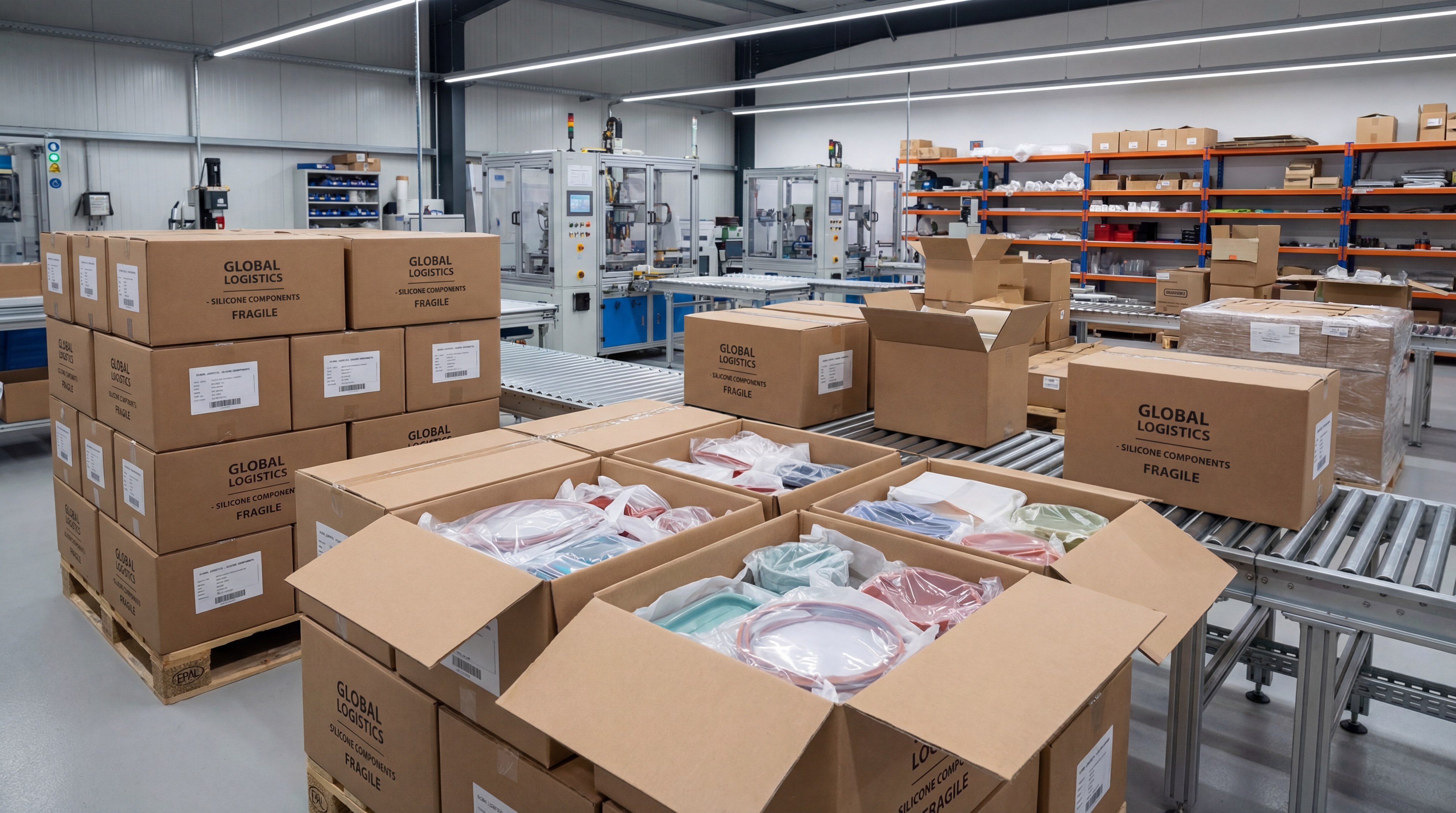
Ignoring logistics impacts your bottom line by causing product deformation and shipping delays that frustrate your customers. The job of Customizing Silicone Products doesn’t end at the molding machine; it continues until the part reaches your warehouse safely. Improper packaging can easily deform flexible parts during the high-pressure environment of international sea freight.
Why Is Deformation a Shipping Risk?
Silicone is flexible, and if it is stacked under heavy boxes for weeks, it will take on a permanent, unusable shape.
Bottom line.
- The danger of stacking heavy boxes on soft silicone parts.
- Using custom inserts to maintain part geometry during transit.
- Temperature control needs for sensitive silicone components.
Are Your Shipping Documents Export-Ready?
Incorrect documentation can lead to your shipment being held at customs, leading to missed launch windows.
The reality is.
- Managing HS codes and customs clearance for silicone.
- The impact of lead times on product launch schedules.
- Ensuring all certificates match the physical cargo.
Key Takeaway: Plan your packaging and logistics early to avoid “out-of-box” defects.
| Shipping Mode | Protection Level | Cost Impact |
|---|---|---|
| Air Freight | High (Fast) | High |
| Sea Freight | High (Bulk) | Low |
Choosing the right shipping strategy is as important as the manufacturing process itself for protecting your investment.
What Is the Secret to Scale Your Customizing Silicone Products?
The secret to scaling is finding a manufacturing partner that offers integrated DFM support and in-house tooling capabilities. When Customizing Silicone Products, moving from 100 units to 100,000 units requires a completely different approach to automation and quality control. Scaling is not just about making more parts; it is about making them more consistently at a lower per-unit cost.
How Can You Streamline Mass Production?
Streamlining involves reducing manual labor through automated LSR injection and robotic deflashing systems.
The truth is.
- Reducing cycle times through multi-cavity mold designs.
- Implementing automated secondary operations for faster finishing.
- Using real-time data to monitor production efficiency.
Why Is Communication the Key to Success?
Clear communication prevents the technical misunderstandings that lead to expensive mold rework and production delays.
Think about it.
- The value of a dedicated project manager for custom orders.
- Ensuring the factory understands your specific quality criteria.
- Early collaboration on DFM to solve problems before they start.
Key Takeaway: Scaling requires a combination of automated technology and expert engineering communication.
| Scaling Stage | Focus Area | Success Metric |
|---|---|---|
| Prototyping | Design Validation | Fit and Function |
| Pilot Run | Process Stability | Yield Rate |
| Mass Production | Cost Optimization | Per-Unit Margin |
Follow this roadmap to transition smoothly from a single custom prototype to a globally distributed product line.
Frequently Asked Questions
Can I use the same mold for different silicone materials?
In most cases, no. Different silicone grades have different shrinkage rates, meaning one mold will produce different dimensions for different materials.
What’s the best way to choose a silicone manufacturer?
Look for a factory that offers in-house tooling and DFM support. This reduces communication gaps and ensures the mold is optimized for the specific silicone grade.
Can I get a prototype before committing to mass production?
Yes. You should always request a pre-production sample or use soft-tooling to validate the design before investing in expensive steel molds.
What’s the best hardness for a custom phone case?
Typically, Shore 60A to 70A is preferred for phone cases to provide a balance between shock absorption and structural rigidity.
Can I customize the color of my silicone parts?
Absolutely. You can specify any Pantone or RAL code, but remember that the curing process can slightly shift the final hue, so always approve a cured color chip first.
Customizing silicone products is a journey of precision where small errors lead to large failures. By avoiding the common pitfalls of poor material selection, over-engineered designs, and inadequate quality control, you can protect your investment and brand reputation. At HuaLin Silicone, we specialize in guiding brands through these technical challenges with expert DFM support and world-class manufacturing. If you are ready to eliminate risks and launch your next innovation with confidence, please contact us today. Our vision is to empower global brands with stable, precision-engineered silicone solutions that set new standards for quality and reliability.