
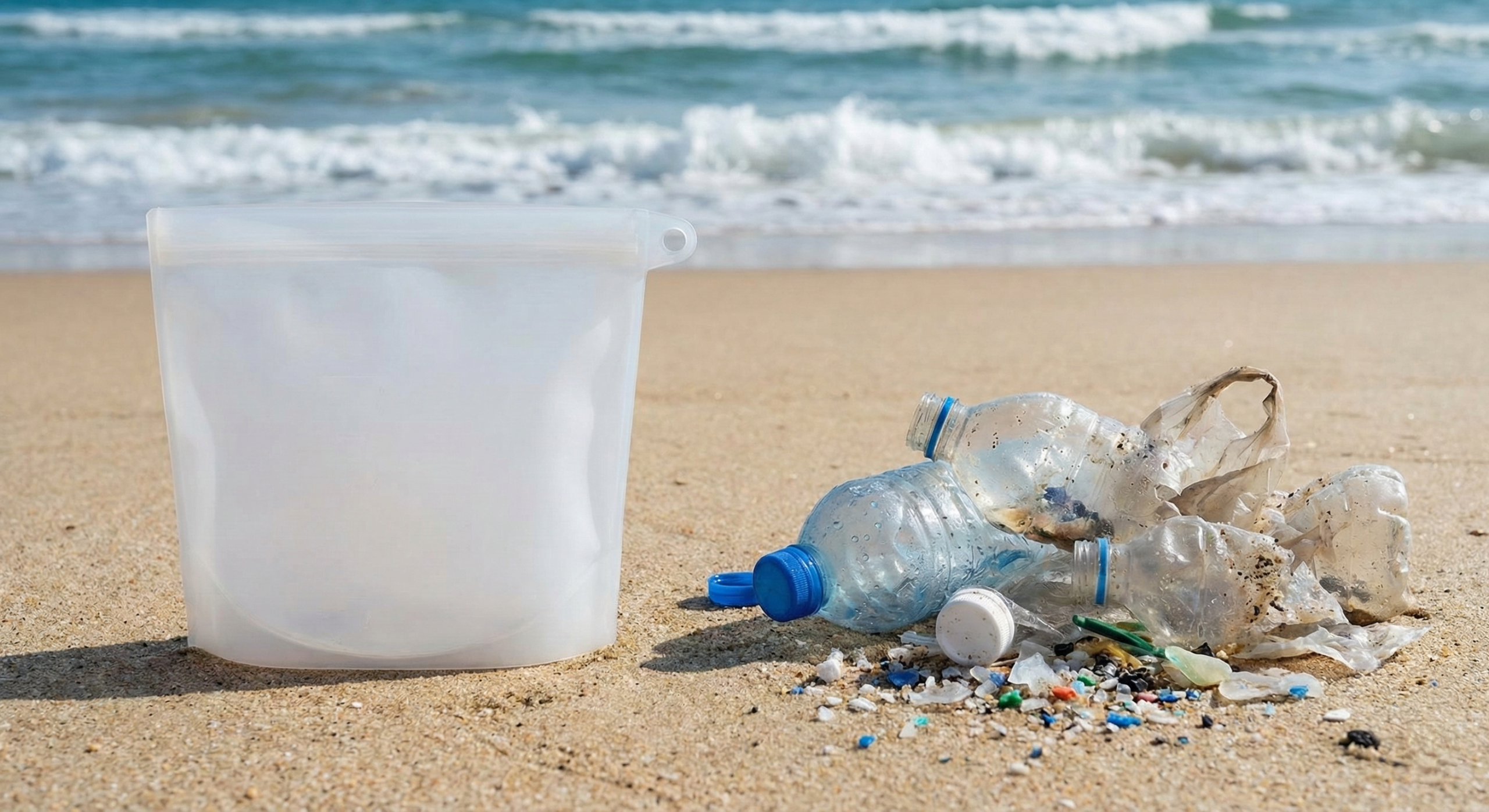
Silicone represents a synthetic polymer answering our primary question directly by containing absolutely zero natural microplastics. You often face deteriorating rubber parts causing major production headaches. Failing components lead directly toward massive revenue loss and frustrated B2B buyers. We provide a guaranteed method preventing those constant mechanical failures. Our professional grade elastomers solve those specific engineering challenges permanently. Knowing exactly does silicone have microplastics helps buyers select better materials. This manufactured material brings incredible heat resistance alongside total chemical stability.
1. What Is Silicone and Does Silicone Have Microplastics?
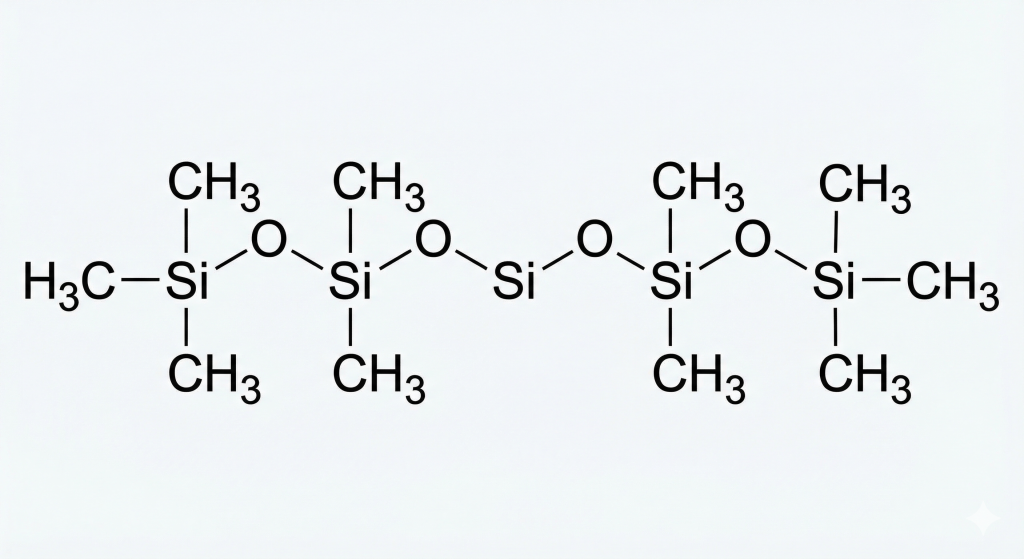
Silicone operates as an inorganic polymer completely answering our heading question. Clients often ask does silicone have microplastics before placing large volume orders. It entirely lacks those tiny plastic particles. This unique material utilizes an alternating silicon-oxygen backbone rather than carbon chains. Engineers rely upon these specific structures for demanding industrial applications.
Industrial buyers frequently misinterpret its fundamental chemical classification. Many people confuse it with pure elemental silicon used inside computer chips. Manufacturers synthesize this flexible elastomer through highly controlled laboratory processes. This careful engineering creates a highly durable end product.
How do chemical bonds create this structure?
Here’s the deal: molecular arrangements dictate physical behavior.
- Alternating silicon-oxygen atoms form a highly stable core framework.
- Attached organic methyl groups add necessary flexibility.
- This specific combination resists extreme temperature fluctuations effortlessly.
Key Takeaway: Your manufacturing processes benefit directly from utilizing materials free from contaminating microplastic particles.
Feature Breakdown
| Feature | Description | Benefit |
| Backbone | Silicon-oxygen chain | High stability |
| Additives | Organic methyl groups | Flexibility |
| Microplastics | Zero content | Clean production |
This fundamental chemical makeup guarantees cleaner manufacturing results across multiple sectors.
2. How Is This Flexible Elastomer Manufactured Industrially?
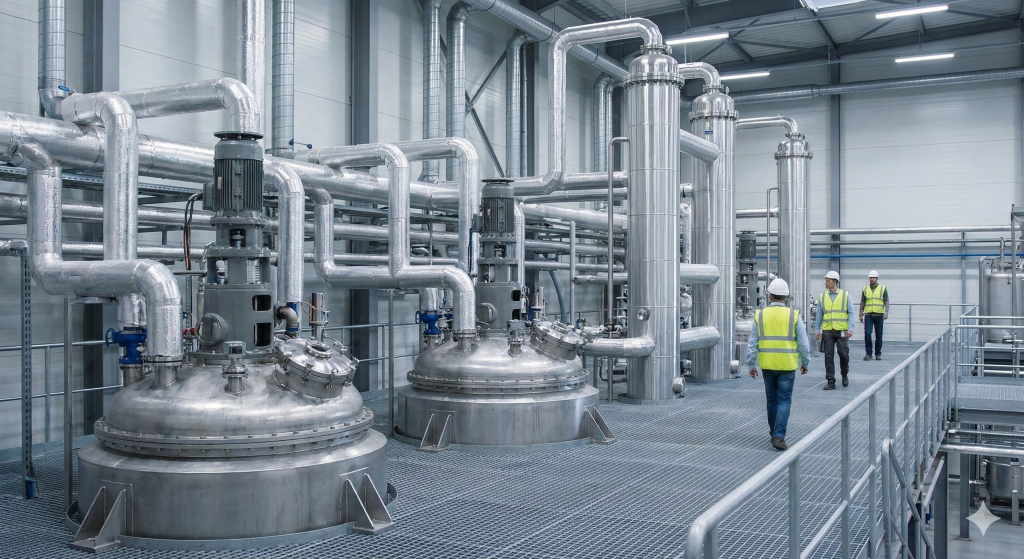
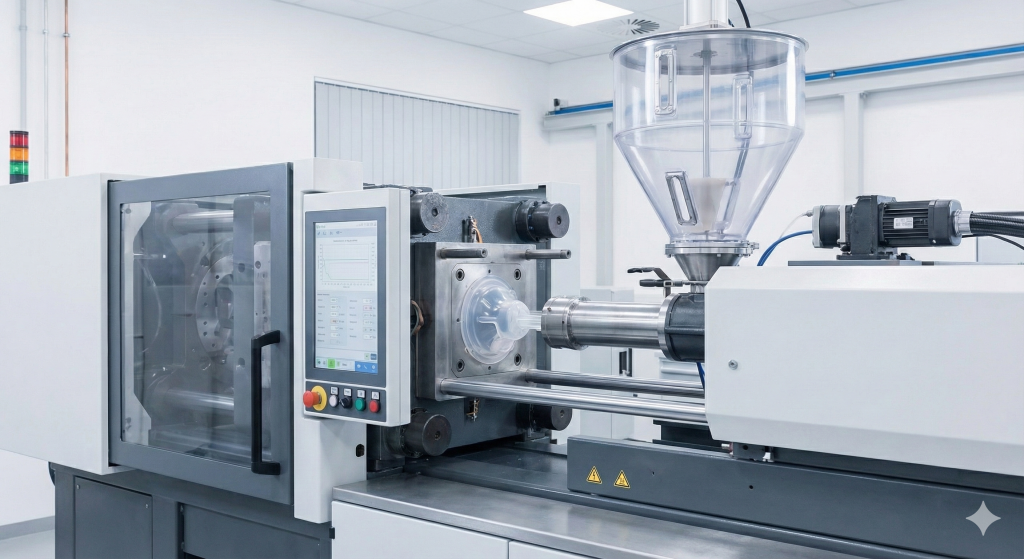
Factories produce this compound through complex chemical synthesis protocols. Procurement teams asking does silicone have microplastics receive negative answers during creation. Workers extract base elements directly from natural silica sand. Heated quartz undergoes intense processing alongside methyl chloride gases. Distillation creates pure polymers ready for specific molding requirements.
Mass production requires incredibly specialized automated factory equipment. Engineers monitor temperature levels constantly during polymerization phases. Strict quality control prevents defective batches from reaching clients. This careful oversight ensures absolute consistency across every single order.
What steps define industrial production?
You might be wondering: how does sand become flexible rubber?
- Extreme heat isolates pure silicon from raw quartz materials.
- Chemical reactions introduce methyl groups forming siloxane bonds.
- Specialized facilities polymerize these compounds into usable formats.
Key Takeaway: Understanding production methods helps buyers verify material purity for high-performance applications.
Production Stages
| Production Step | Action | Outcome |
| Extraction | Heating quartz sand | Pure elemental silicon |
| Synthesis | Adding methyl chloride | Siloxane monomers |
| Polymerization | Linking molecules | Flexible finished rubber |
Controlling each manufacturing phase eliminates unwanted contaminants perfectly.
3. What Are The Key Material Properties For B2B Buyers?
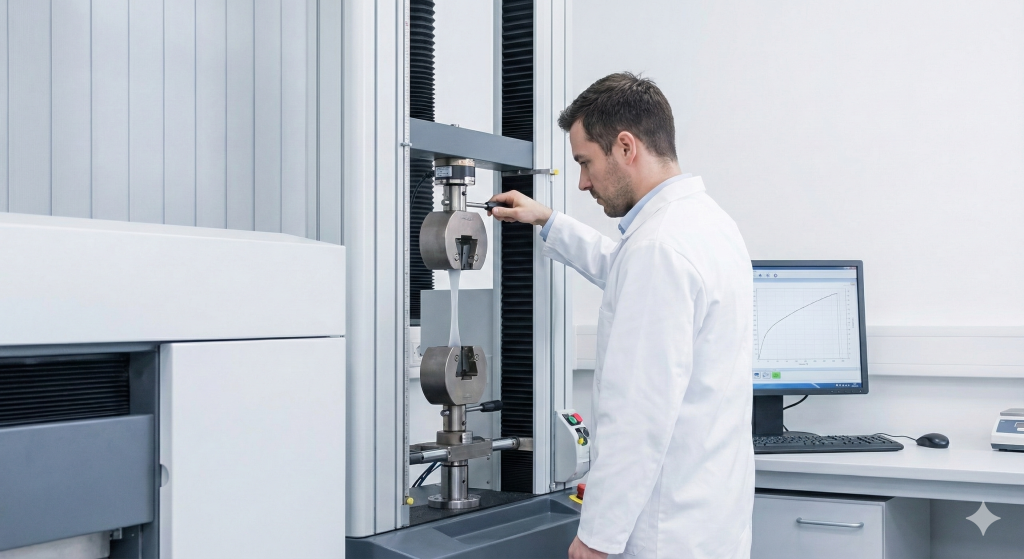
This substance exhibits remarkable thermal stability across extreme environmental conditions. Many engineers wonder does silicone have microplastics when designing eco-friendly systems. The material withstands freezing environments alongside blistering heat seamlessly. Such resilience prevents mechanical breakdown during heavy industrial usage.
Mechanical strength combined with high flexibility offers unmatched engineering value. Water rolls off its highly hydrophobic surface instantly. This distinct feature prevents mold growth within damp environments. Chemical inertness stops premature degradation when exposed toward harsh cleaning agents.
Why do engineers prefer these characteristics?
What’s the real story? Performance metrics dictate factory purchasing decisions.
- Complete water resistance stops moisture degradation instantly.
- High dielectric strength provides excellent electrical insulation.
- Chemical inertness prevents reactions with harsh cleaning solvents.
Key Takeaway: Superior physical traits allow factories maintain continuous operations without component failure.
Performance Metrics
| Property | Description | Industrial Value |
| Thermal Range | -60°C up past 230°C | Operational reliability |
| Inertness | Resists chemical attacks | Longer product lifespans |
| Insulation | Blocks electrical currents | Safe component design |
These specific metrics give engineers confidence when designing long-lasting systems.
4. Which Elastomer Types Suit Your Specific Project Needs?
Buyers select from several elastomer categories covering diverse manufacturing requirements. Evaluating does silicone have microplastics confirms zero presence across every type. High consistency rubber serves heavy-duty mechanical sealing needs effectively. Liquid silicone rubber works perfectly for intricate injection molding processes. Room temperature vulcanizing formats act as reliable industrial adhesives.
Product designers must match material states with intended manufacturing methods. Liquid formats speed up high-volume automated production lines considerably. Solid blocks require traditional compression molding techniques. Each variation delivers identical chemical stability regardless of its initial physical state.
How do liquid and solid forms differ?
Ready for the good part? Different formats solve distinct engineering problems.
- Solid variations handle high-pressure gasketing demands flawlessly.
- Liquid formulations allow rapid high-volume automated manufacturing.
- RTV sealants cure instantly upon atmospheric moisture exposure.
Key Takeaway: Selecting correct raw material formats guarantees optimal manufacturing efficiency and product longevity.
Material Formats
| Elastomer Type | Primary State | Best Application |
| HCR | Solid rubber blocks | Heavy industrial gaskets |
| LSR | Two-part liquid | Precision medical parts |
| RTV | Thick paste | Quick assembly sealing |
Matching specific material types with intended applications prevents costly production errors.
5. How Do Global Industries Apply This Material Daily?
Global sectors utilize these compounds extensively for mission-critical engineering projects. Knowing does silicone have microplastics remains irrelevant given its pure composition. Medical device manufacturers rely upon its proven biocompatibility daily. Automotive brands deploy these seals within extreme engine environments. Consumer electronics companies protect delicate internal components using these specific insulators.
Aerospace engineers specify this material for high-altitude pressure sealing. Pet toy brands favor its durable non-toxic nature. Kitchenware producers depend upon its impressive heat resistance. Such broad adoption highlights its universal reliability.
Why do medical fields demand this polymer?
This is where it gets interesting: patient safety requires absolute material purity.
- Surgical tools utilize these grips for sterilization compatibility.
- Implantable devices depend upon complete chemical inertness.
- Tubing systems require clear flexible non-reactive pathways.
Key Takeaway: Diverse B2B applications demonstrate massive reliability across highly regulated global markets.
Sector Applications
| Industry | Application | Primary Requirement |
| Medical | Surgical tubing | Biocompatibility |
| Automotive | Engine seals | Heat resistance |
| Consumer | Kitchenware | Food safety |
Adopting proven materials reduces regulatory compliance risks across all target markets.
6. Is This Compound Truly Safe For Direct Human Contact?
Health authorities classify these polymers as completely inert safety materials. Testing confirms does silicone have microplastics yields a completely negative result. The material refuses leaching harmful chemicals into food supplies. Platinum curing processes remove potential impurities during factory manufacturing. Hypoallergenic properties make these items perfect for direct skin contact.
Regulatory bodies demand extensive documentation proving material safety. Proper certifications give procurement teams complete confidence. Regular audits verify strict adherence toward international quality standards. Cleanroom environments prevent any cross-contamination during production.
What guarantees consumer safety standards?
Here’s the kicker: rigorous testing protocols validate every batch produced.
- Food grade certifications guarantee safe culinary usage.
- Medical standards dictate strict cleanroom manufacturing conditions.
- Automotive approvals require documented supply chain traceability.
Key Takeaway: Certified raw materials protect your brand reputation from catastrophic quality failures.
Safety Protocols
| Safety Standard | Target Sector | Verification Method |
| ISO 13485 | Medical devices | Process audits |
| FDA Grade | Food containers | Migration testing |
| IATF 16949 | Auto parts | PPAP documentation |
Proper certifications provide immediate peace of mind for B2B procurement managers.
7. How Do These Polymers Compare Against Standard Plastics?
Comparing these substrates reveals massive performance differences favoring inorganic structures. Environmentalists debating does silicone have microplastics prefer siloxanes over traditional hydrocarbons. Traditional plastics break down into dangerous microscopic fragments constantly. Siloxane polymers maintain their structural integrity across decades of use. This permanent durability makes them vastly superior investments.
Petroleum derivatives suffer under intense ultraviolet radiation exposure. Siloxane bonds ignore sunlight degradation completely. Plastics melt into toxic puddles during high-heat scenarios. Elastomers retain their original shape without releasing hazardous fumes.
Why replace standard plastic components?
You might be wondering: what justifies higher initial material costs?
- Plastics melt rapidly under moderate thermal stress.
- Carbon-based polymers turn brittle following UV exposure.
- Inorganic backbones outlast standard petroleum derivatives easily.
Key Takeaway: Upgrading from standard plastics prevents premature mechanical failures within demanding environments.
Material Comparison
| Feature | Siloxane Polymer | Standard Plastic |
| Microplastics | Zero shedding | High degradation |
| Heat Limit | Above 230°C | Often below 100°C |
| Lifespan | Decades | Years |
Investing upfront in superior materials lowers long-term replacement expenses dramatically.
8. What Environmental Impacts Occur During Production?
Evaluating ecological footprints requires honesty regarding factory energy consumption levels. Researching does silicone have microplastics shows a distinct ecological advantage. Production does consume significant energy during sand heating phases. However the resulting products replace thousands of disposable plastic items. Long lifespans offset initial carbon emissions effectively.
Sustainability efforts focus heavily upon reducing single-use waste. Durable components stay actively utilized rather than crowding local landfills. Reusability represents the most realistic approach toward environmental conservation. This material perfectly supports long-term ecological goals.
How does longevity benefit our planet?
What’s the real story? Durability acts as a primary sustainability metric.
- Single-use items fill landfills continuously.
- Reusable components reduce global manufacturing burdens.
- Non-toxic degradation prevents soil contamination entirely.
Key Takeaway: Specifying durable goods shrinks your corporate carbon footprint over extended periods.
Ecological Factors
| Impact Area | Plastic Issue | Siloxane Solution |
| Ocean Pollution | Microplastic shedding | Remains intact |
| Resource Use | Oil extraction | Sand base |
| Waste Volume | High turnover | Long lifespan |
Sustainable procurement strategies rely upon specifying items built for permanent usage.
9. Can Factories Recycle These Goods Effectively?
End-of-life management requires specialized handling through dedicated industrial networks. Asking does silicone have microplastics stays totally irrelevant during disposal. Municipal bins cannot process these specific chemical structures. Dedicated recycling facilities grind old materials into useful industrial lubricants. Repurposed rubber finds new life powering playground surfaces.
Standard melting procedures simply fail against such extreme thermal resistance. Mechanical shredding breaks large components down into manageable pieces. Chemical depolymerization extracts base oils for secondary manufacturing purposes. This closed loop prevents unnecessary environmental pollution.
What happens during specialized recycling?
Ready for the good part? Closed-loop systems prevent unnecessary landfill waste.
- Specialized shredders break down tough rubber matrices.
- Chemical depolymerization extracts valuable base oils.
- Reprocessed materials form secondary industrial goods.
Key Takeaway: Partnering with proper disposal networks maintains your green manufacturing credentials.
Recycling Methods
| Disposal Method | Action Required | End Result |
| Standard Bin | Avoid entirely | Landfill waste |
| Specialized Facility | Ship bulk materials | Reusable oils |
| Repurposing | Grind into mulch | Playground mats |
Responsible material management completes a sustainable manufacturing lifecycle perfectly.
10. How Can Reliable Partners Elevate Your Production?
Selecting capable suppliers guarantees success across all targeted product launches. Quality managers knowing does silicone have microplastics focus on dimensional tolerances. Integrated factories deliver strict quality control without risky middleman markups. Advanced automated equipment produces highly consistent batch outputs. Engineering support streamlines prototype development rapidly.
True manufacturing partners offer flexible minimum order quantities. They manage customized tooling operations completely in-house. Full process traceability protects brands against catastrophic product recalls. Reliable communication keeps complex projects moving forward efficiently.
Why choose direct factory relationships?
This is where it gets interesting: streamlined communication prevents costly delays.
- In-house mold design accelerates project launch timelines.
- Flexible minimum orders allow safe market testing.
- Full inspection protocols catch dimensional errors immediately.
Key Takeaway: Experienced manufacturing partners protect your bottom line through relentless quality enforcement.
Supplier Benefits
| Supplier Trait | Benefit to You | Outcome |
| In-house tooling | Faster prototyping | Quick market entry |
| 100% inspection | Zero defects | Happy customers |
| Direct pricing | Lower costs | Higher margins |
Strategic vendor selection remains a highly powerful tool for procurement success.
Conclusion
Silicone represents a powerful manufacturing solution offering unmatched thermal resistance. This inorganic polymer eliminates concerns about microscopic plastic contamination entirely. B2B buyers seeking reliable high-performance components must prioritize certified factory partners. We deliver precision-engineered elastomeric products designed for demanding global industries. Reach out and contact us today for reliable manufacturing support. HuaLin remains your steadfast partner advancing sustainable engineering excellence worldwide.
FAQ
Q1: Can I use these materials for medical implants safely?
Yes, absolutely. Medical-grade formulations undergo rigorous platinum curing preventing harmful chemical leaching.
Q2: What’s the best way to recycle old factory components?
Ship them directly toward specialized processing facilities. Standard municipal recycling centers lack equipment for breaking siloxane bonds.
Q3: How do I know if my supplier provides pure materials?
Demand certified material traceability reports alongside recognized standard testing documents. Reputable factories always supply extensive quality control paperwork.
Q4: Will high temperatures melt my heavy industrial gaskets?
No, they easily survive environments exceeding 200 degrees Celsius. Their unique silicon-oxygen backbone remains stable under extreme thermal stress.
Q5: Do these products release microscopic contaminants into water systems?
No, they maintain total structural integrity indefinitely. They simply lack carbon structures causing traditional plastics to fragme