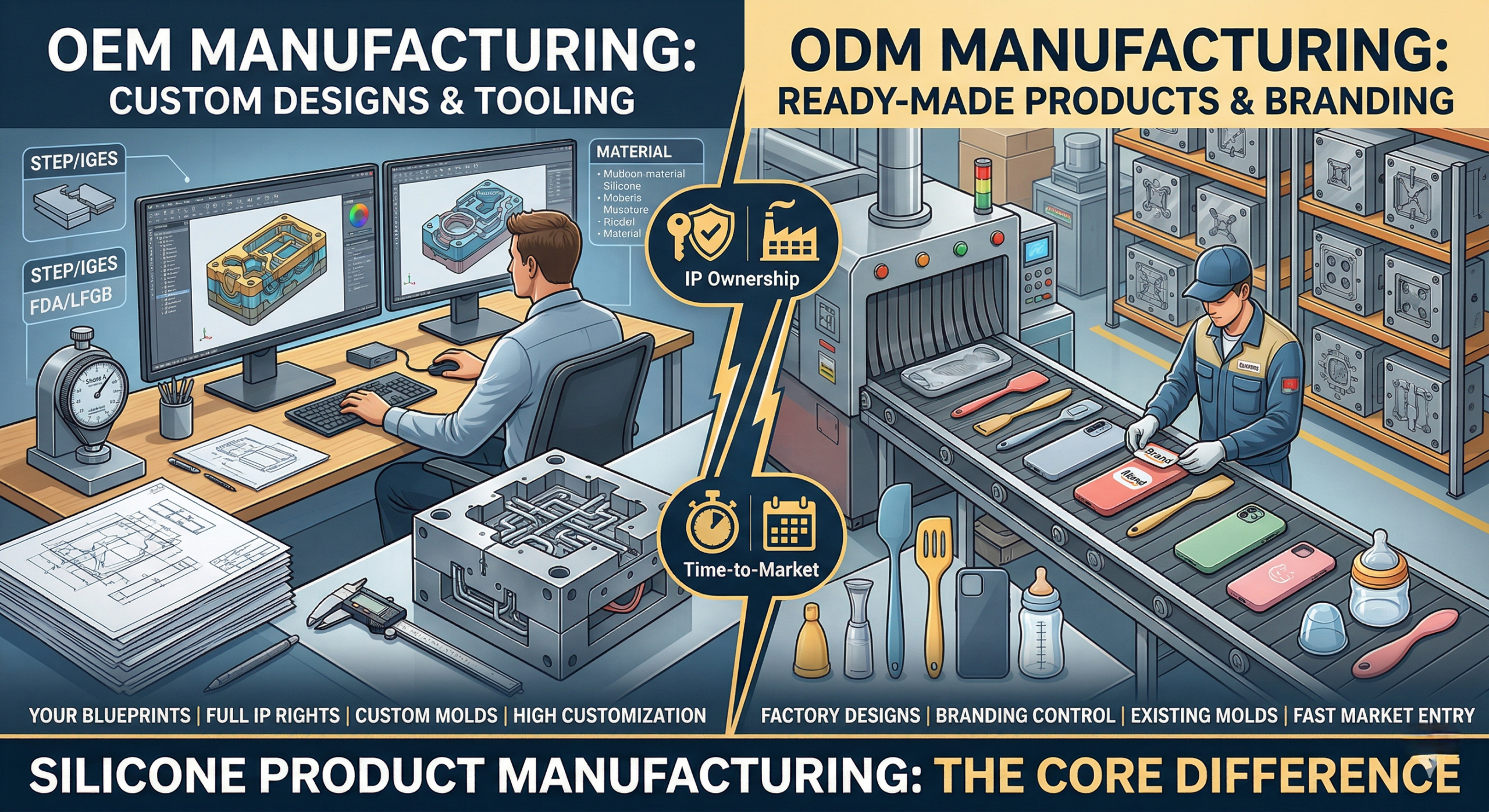
The fundamental difference between OEM and ODM is that OEM produces goods based on your unique blueprints, whereas ODM offers ready-made products that you can rebrand as your own. Many companies dive into Silicone Product Manufacturing only to encounter technical jargon and production hurdles that stall their progress.
You might find that your brand is sinking thousands into custom molds that don’t quite fit the market or, worse, losing your intellectual property rights because of a poorly drafted contract. This confusion leads to expensive delays and missed launch windows that can damage your reputation before you even start.
Fortunately, understanding the specific advantages of each model allows you to align your production strategy with your budget and innovation goals. By choosing the right path, you can secure your designs and streamline your supply chain for long-term success.
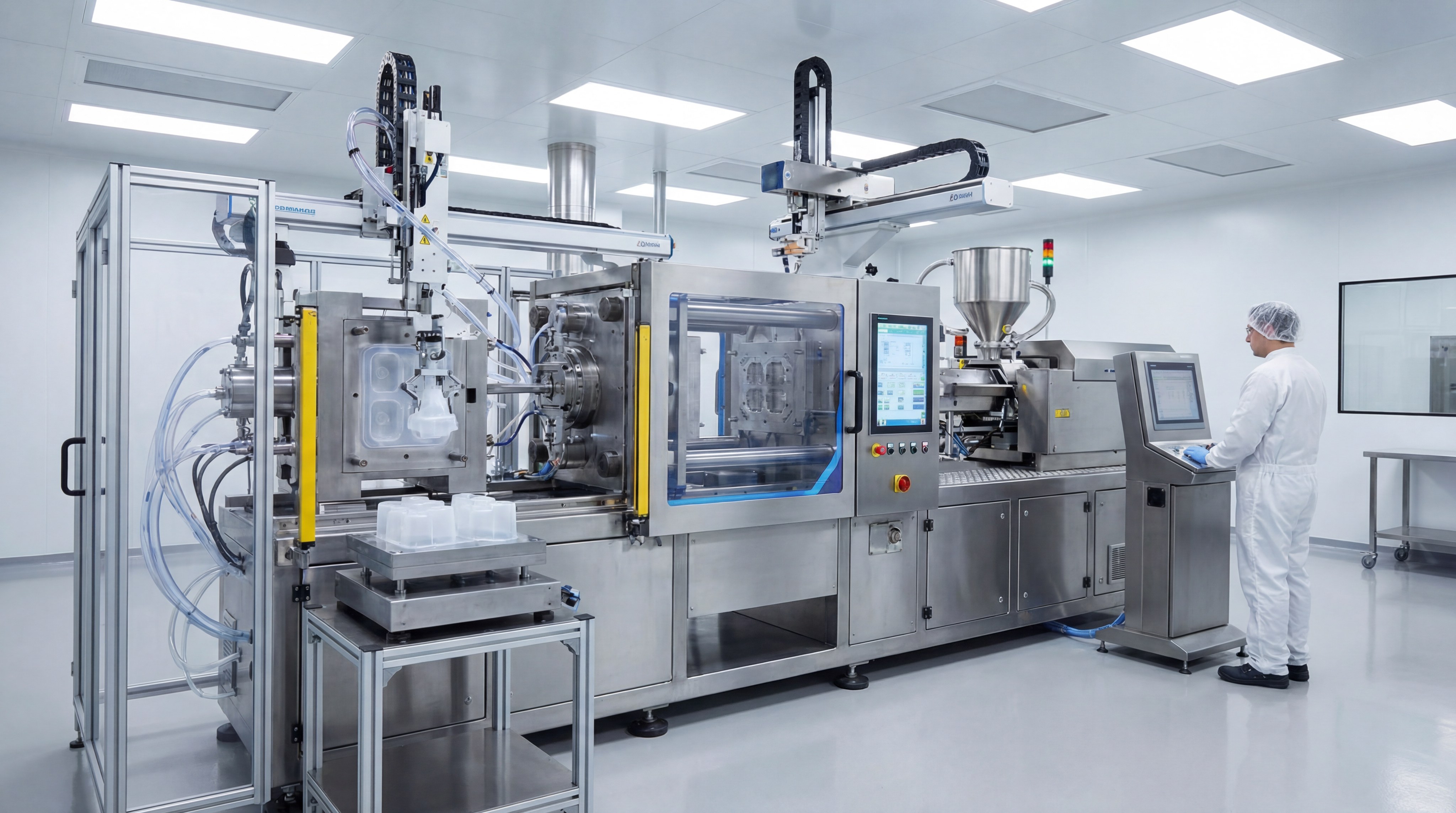
What is the core difference between OEM and ODM?
The primary distinction lies in who owns the design and the specific tooling used for Silicone Product Manufacturing. In an OEM setup, you provide the blueprints, while in an ODM setup, the factory provides the architecture.
Who owns the intellectual property in these models?
IP ownership is the most critical “make or break” factor in your manufacturing contract. When you choose OEM, you maintain full legal rights to the 3D files and unique molds created for your project.
Think about this:
- OEM gives you ownership of custom molds.
- ODM typically leaves product architecture rights with the factory.
- Branding and logos remain yours in both models.
But wait, there’s more: branding elements like packaging and unique surface textures are still under your control regardless of the model you select.
Which model offers faster market entry?
If you are facing a tight deadline, the ODM model is significantly faster because it skips the lengthy design for manufacturing (DFM) phase. OEM requires prototyping and extensive mold testing that can add several months to your timeline.
Here is the kicker:
- ODM uses existing, proven molds.
- OEM requires a ground-up development cycle.
- Standardized products often come with pre-existing certifications.
The truth is, your timeline often dictates whether you can afford the custom development cycle of an OEM project.
Key Takeaway: The core difference is a choice between full creative control (OEM) and rapid, low-cost market entry (ODM).
| Feature | OEM Model | ODM Model |
|---|---|---|
| Design Lead | Client | Manufacturer |
| IP Rights | Client-owned | Manufacturer-owned |
| Setup Time | Long (3-6 months) | Short (1-2 months) |
This comparison shows that OEM is a long-term asset play, while ODM is a speed-to-market tactic.
How does OEM work in silicone product manufacturing?
OEM is a “built-to-order” model where the factory executes your specific technical vision with high precision and proprietary tools. During Silicone Product Manufacturing, the facility acts as your secondary production arm, strictly following your engineering requirements.
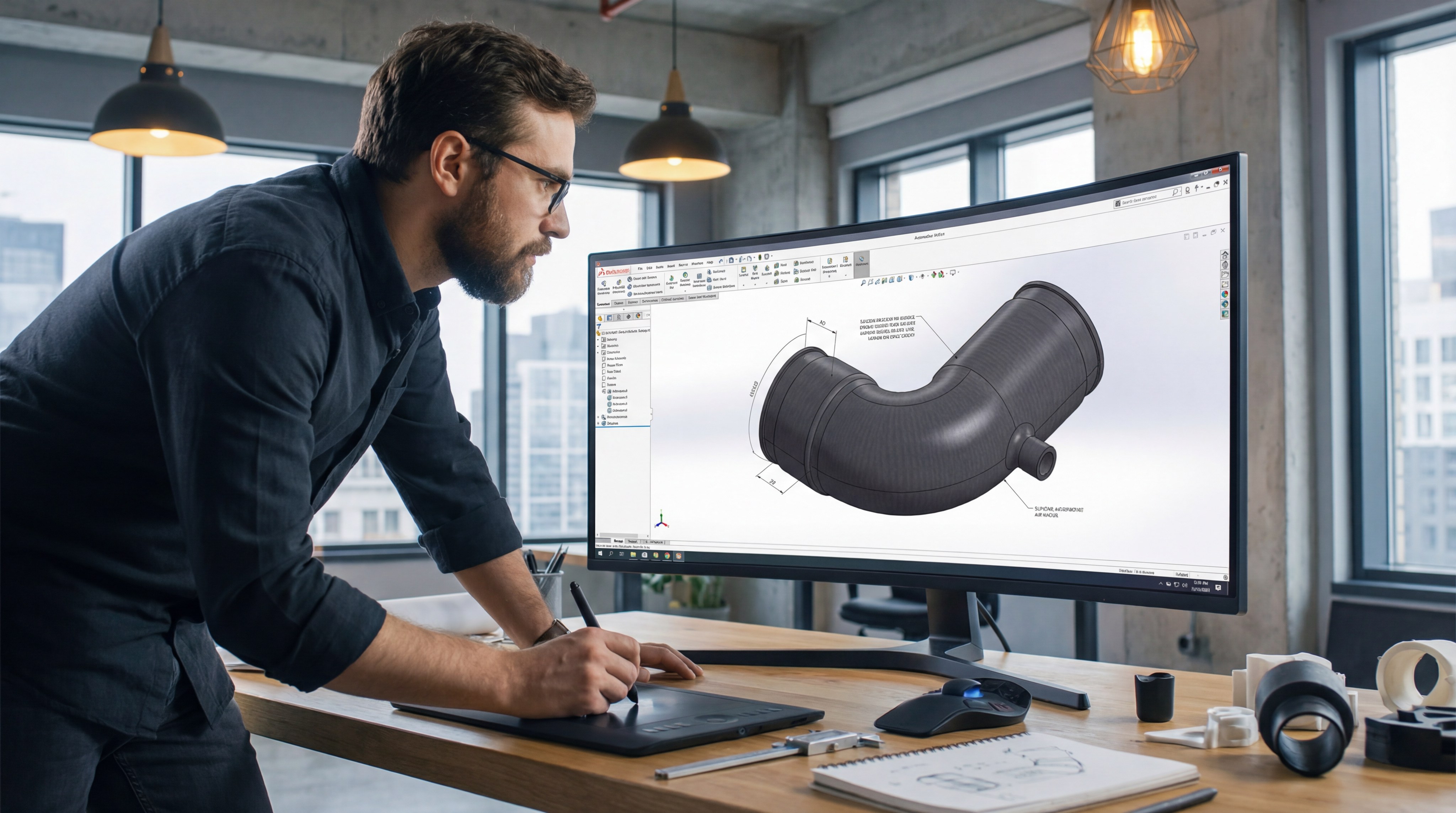
What technical specifications are required for OEM?
You need to provide a complete package of engineering data before the factory can begin the tooling process. This includes detailed 2D and 3D CAD drawings, usually in STEP or IGES formats, along with specific material hardness levels.
Check this out:
- You must specify Shore A hardness.
- Pantone color codes are required for accuracy.
- Material certifications (FDA/LFGB) must be defined.
You might be wondering if your drawings are enough, but the factory will also perform a DFM analysis to ensure the part is actually moldable.
Is full customization possible with OEM services?
Full customization is the hallmark of the OEM process, allowing you to integrate multi-material designs and unique mechanical features. You can request specific surface textures ranging from high-gloss to soft-touch matte finishes.
But wait, there’s more:
- Overmolding silicone onto plastic is possible.
- Complex internal geometries can be achieved.
- You can patent the final product design.
Here is the thing: if your product requires a unique selling point that competitors cannot easily copy, OEM is your only viable option.
Key Takeaway: OEM is the ideal route for brands that have in-house engineering capabilities and require a proprietary, patented product.
| Customization Area | OEM Capability | Benefit |
|---|---|---|
| Geometry | Unlimited | Unique functionality |
| Material | Custom Blends | Specific performance |
| IP Protection | High | Legal exclusivity |
The analysis here indicates that OEM provides the maximum competitive advantage through technical differentiation.
Why should you consider ODM for your silicone brand?
ODM is often referred to as the “private label” approach, which allows you to select items from a catalog for Silicone Product Manufacturing. This model is perfect for expanding a lifestyle brand without the heavy investment of research and development.
Can you save on tooling costs using existing molds?
The biggest financial advantage is that the manufacturer has already absorbed the high costs of steel mold production. You avoid the typical upfront investment of several thousand dollars required for custom tooling.
It gets better:
- No mold maintenance fees for the client.
- Lower initial capital expenditure.
- Reduced per-unit cost on small orders.
The best part is that the factory is responsible for the longevity and repair of the mold, not your company.
How does ODM streamline the design process?
You don’t need a team of industrial designers or engineers to launch a product using the ODM manufacturing path. You simply choose from a list of “ready-to-go” designs that have already been tested for market durability and safety.
Don’t forget:
- Prototyping is reduced to simple logo samples.
- DFM is already completed by the factory.
- Safety certifications are often pre-approved.
But wait, there’s more: this streamlined approach allows you to focus your resources on marketing and sales rather than technical production hurdles.
Key Takeaway: ODM is a low-risk strategy that lets you leverage existing factory expertise to launch proven products quickly.
| Cost Factor | OEM Investment | ODM Investment |
|---|---|---|
| Tooling Fee | $2,000 – $10,000+ | $0 – $500 (Logo only) |
| Engineering | High | Minimal |
| R&D Time | 100+ Hours | < 10 Hours |
This table highlights how ODM drastically lowers the barrier to entry for new silicone brands.
Which model is more cost-effective for startups?
For most startups, the cost-effectiveness of Silicone Product Manufacturing depends on whether you are testing a trend or building a proprietary brand. Choosing the wrong model early on can deplete your runway before you generate significant revenue.
Are MOQs different for OEM and ODM projects?
Minimum Order Quantities (MOQs) are generally lower for ODM products because the factory can combine your order with others using the same mold. OEM projects typically require higher MOQs to justify the machine setup and calibration time.
Here is the kicker:
- ODM MOQs can be as low as 500 pieces.
- OEM often starts at 2,000+ pieces.
- Trial runs are more accessible via ODM.
You should know that while OEM units might be cheaper at very high volumes, the initial setup makes it harder for small startups to afford.
What are the hidden costs of custom mold development?
Many entrepreneurs forget that the sticker price of a mold is rarely the final cost of bringing an OEM product to life. Design revisions, shipping of specialized tooling, and export duties can add unexpected thousands to your final bill.
Think about this:
- Engineering fees apply to CAD revisions.
- Mold testing (T1, T2 samples) adds cost.
- Export taxes on tooling vary by region.
But wait, there’s more: if you decide to move your production to a different factory later, you may face logistical nightmares and additional fees to transfer the molds.
Key Takeaway: Startups should generally prioritize ODM for market validation and shift to OEM once they have proven sales data.
| Cost Category | Startup Risk (OEM) | Startup Risk (ODM) |
|---|---|---|
| Initial Capital | High | Low |
| Inventory Risk | High | Medium |
| Flexibility | Low | High |
The data suggests that ODM provides the financial flexibility needed to pivot during the early stages of a business.
How do quality standards differ between OEM and ODM?
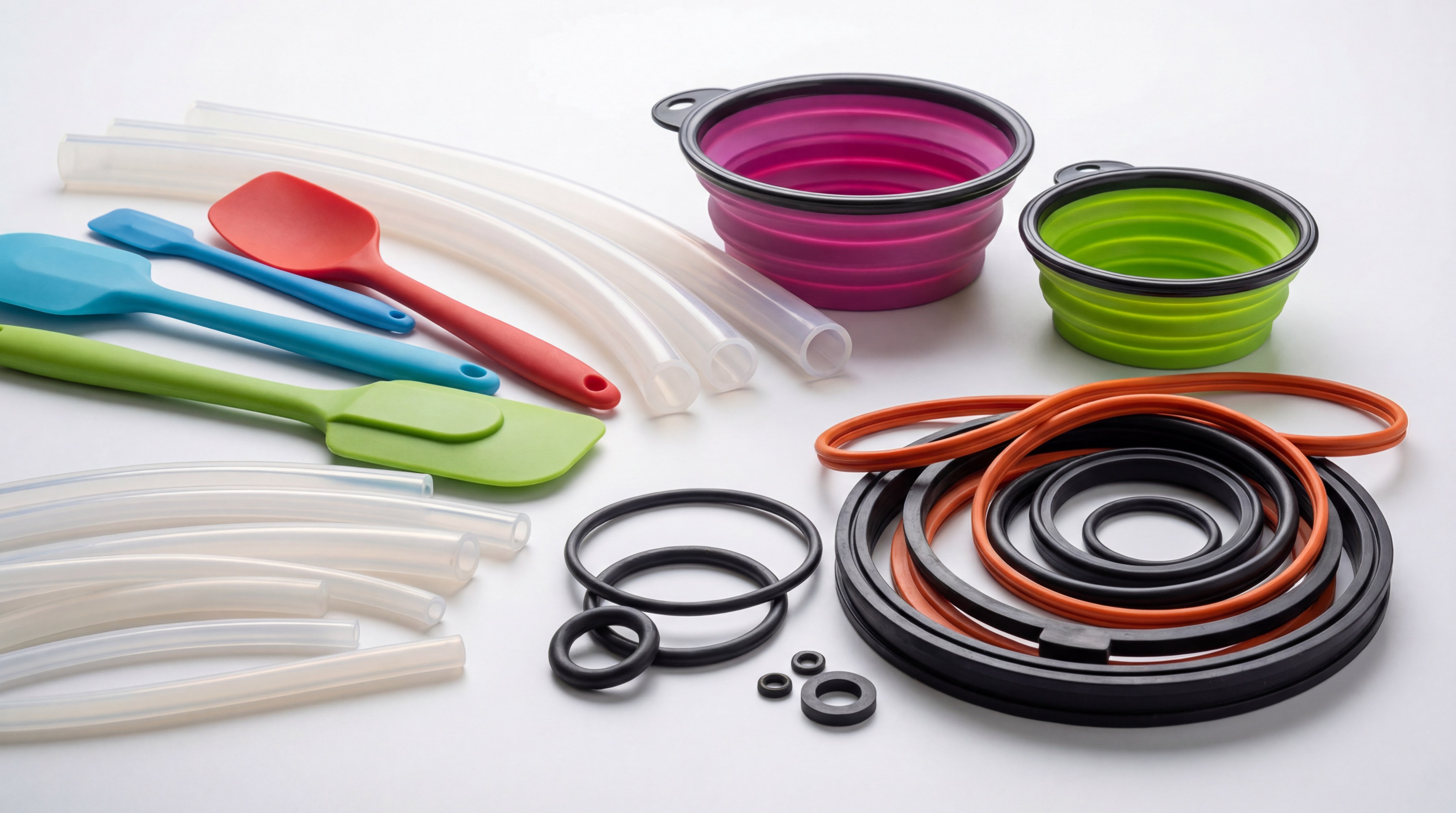
There is a common misconception that ODM products are “generic” or “cheap,” but in Silicone Product Manufacturing, both models use the same high-grade materials. The difference lies in the inspection protocols and the benchmark samples used for quality control.
Does ODM mean lower quality silicone materials?
Actually, the opposite is often true because factories want to ensure their catalog items pass global audits for multiple clients. Most ODM items are made with food-safe Liquid Silicone Rubber (LSR) to ensure they meet FDA or LFGB standards.
Look at these facts:
- Factories use standard, reliable formulas.
- Material reports are usually already on file.
- Compliance is checked across the whole catalog.
The truth is, you can still request premium material grades for ODM orders if you are willing to pay a slight premium on the unit price.
How is quality control managed in custom production?
In an OEM project, quality is maintained through a “Golden Sample” that you approve before mass production begins. This sample serves as the definitive benchmark for every single batch that comes off the assembly line.
Here is the thing:
- QC is customized to your tolerances.
- Independent audits are easier to schedule.
- You define the failure criteria for the batch.
But wait, there’s more: because you own the design, you have more leverage to demand specific testing, such as pull tests or specialized chemical resistance checks.
Key Takeaway: Both models offer high quality, but OEM allows you to define custom quality benchmarks tailored to your specific application.
| Quality Factor | OEM Standard | ODM Standard |
|---|---|---|
| Material Grade | Customizable | Standardized (FDA) |
| QC Protocol | Client-defined | Factory-standard |
| Benchmarking | Custom Golden Sample | Catalog Reference |
This analysis confirms that while materials are similar, the control over the QC process is much higher in OEM.
When is OEM the better choice for your project?
If your product’s success depends on a unique feature that solves a specific problem, Silicone Product Manufacturing via the OEM route is essential. Protecting your competitive advantage requires the design exclusivity that only a custom-built mold can provide.
Is OEM necessary for patented silicone designs?
To put it simply, yes; if you want to stop competitors from copying your innovation, you must own the mold and the design. OEM ensures that the factory cannot use your unique tooling to produce items for any other customer.
Here is the kicker:
- NNN agreements protect your IP.
- Custom molds are legally yours.
- Unique textures prevent easy counterfeiting.
Think about this: without an OEM agreement, a factory could technically sell your successful design to a competitor under a private label.
Can OEM handle complex multi-color molding?
Advanced aesthetic features like multi-color integrated molding or overmolding usually require a custom OEM approach. These processes are rarely found in standard ODM catalogs because they require specialized machine setups.
Check this out:
- Precision color placement is possible.
- Multi-material bonding is optimized.
- Branding is baked into the mold.
But wait, there’s more: for high-end brands that need to match a specific corporate identity, the precision of OEM is the only way to achieve perfect consistency.
Key Takeaway: Choose OEM when your product has a unique mechanical function or a proprietary design that requires legal protection.
| Scenario | Choose OEM if… | Reason |
|---|---|---|
| Innovation | Design is patented | Legal safety |
| Branding | Unique color/texture | Brand identity |
| Complexity | Overmolding needed | Technical demand |
The table reinforces that OEM is the premium choice for technical innovation and strict brand adherence.
When should you opt for an ODM partnership?
ODM is the strategic choice when you want to enter a proven market with minimal risk or fill a gap in your existing line. In Silicone Product Manufacturing, speed is often more valuable than total design control.
Is ODM ideal for seasonal promotional items?
Trends in the silicone market move fast, and ODM allows you to launch “summer editions” or holiday-themed items in weeks. You can pivot your inventory based on current market demand without waiting for new molds to be milled.
Here is the thing:
- Lead times are halved compared to OEM.
- Market testing is cheaper.
- Inventory is easier to manage.
But wait, there’s more: high-volume promotional giveaways benefit from the efficiency of the ODM model because the production pipeline is already “greased.”
Can you still add branding to ODM products?
Don’t worry; using an ODM model does not mean your product will look generic or unbranded. Most factories offer a range of secondary services like laser engraving, silk-screen printing, and custom packaging.
Look at these options:
- Custom Masterbatch colors are available.
- Laser-etched logos add a premium feel.
- Unique packaging changes the customer experience.
The best part is that you get a product that feels custom-designed for your brand without the engineering headache or the tooling cost.
Key Takeaway: ODM is best for fast-moving consumer goods and brands that prioritize speed-to-market over unique mechanical features.
| Strategy | ODM Advantage | Outcome |
|---|---|---|
| Speed | Ready-to-use molds | Fast revenue |
| Cost | No tooling fees | Better cash flow |
| Risk | Proven designs | Fewer QC failures |
This summary illustrates why ODM is the dominant choice for promotional and seasonal product lines.
How do lead times vary in silicone manufacturing?
Time is money in Silicone Product Manufacturing, and understanding the production clock prevents you from missing critical retail seasons. OEM and ODM operate on very different timelines due to the complexity of the initial setup.
Why does the prototyping phase take longer in OEM?
In an OEM project, perfection takes time because you are creating something from scratch. You must go through several rounds of design adjustments and “fit and finish” tests before the final steel mold is even carved.
Think about this:
- Aluminum prototype molds take 2 weeks.
- Design revisions add another 1-2 weeks.
- Mass production steel molds take 30 days.
Here is the kicker: any mistake in the design phase can set your project back by over a month, making the OEM timeline quite fragile.
Can ODM accelerate your global product launch?
ODM is the “fast track” to the shipping container because the production can often start as soon as your deposit is paid. Since the molds are already polished and ready, the only delay is the time needed for material mixing and machine scheduling.
But wait, there’s more:
- Lead times are typically 15-25 days.
- Safety documentation is already on file.
- Shipping logistics are often pre-arranged.
The bottom line is that if you have a retail deadline in two months, ODM is likely your only realistic manufacturing option.
Key Takeaway: Expect a 3–6 month window for OEM projects, while ODM products can often be at your door in less than 60 days.
| Phase | OEM Duration | ODM Duration |
|---|---|---|
| Design/DFM | 2-4 Weeks | 0 Days |
| Tooling | 4-6 Weeks | 0 Days |
| Production | 3-4 Weeks | 2-3 Weeks |
The time savings in the early phases of ODM are the primary reason for its popularity among resellers.
What risks are involved in OEM and ODM models?
No partnership is without risk, but the nature of those risks shifts depending on whether you are buying a service or a product. In Silicone Product Manufacturing, the most significant risks involve IP security and manufacturer “lock-in.”
How can you protect your designs in China?
The fear of having a design copied is common, and you must use specific legal tools like NNN (Non-use, Non-disclosure, Non-circumvention) agreements. Working with ISO-certified factories also reduces the likelihood of unethical behavior.
Don’t forget:
- Register patents in the country of manufacture.
- Use NNN agreements, not just standard NDAs.
- Audit your factory’s IP history.
Here is the thing: if you don’t legally secure your molds, a factory could technically use them for other clients if the contract is vague.
What happens if the manufacturer owns the mold?
In an ODM model, you are often “locked in” to that specific supplier because you do not own the rights to the mold. If you decide to move production to save costs, you will have to start from scratch with a new factory.
Check this out:
- You cannot take the mold with you.
- Pricing power stays with the factory.
- The product line depends on the factory staying open.
But wait, there’s more: always clarify who owns the “insert” (your logo part) versus the “mold base” to ensure you can at least move your branding assets.
Key Takeaway: OEM offers better long-term security and flexibility, while ODM requires a high level of trust in your manufacturing partner.
| Risk Type | OEM Risk | ODM Risk |
|---|---|---|
| IP Theft | Medium (Contractual) | High (Shared Architecture) |
| Price Hikes | Low (You own the mold) | High (Locked-in) |
| Continuity | High (Moveable mold) | Low (Manufacturer-dependent) |
This risk assessment highlights why the higher cost of OEM is often seen as an insurance policy for a brand.
How do you choose the right manufacturing partner?
The final step in Silicone Product Manufacturing is vetting the facility to ensure they have the technical capability to support your chosen model. A partner that offers both services provides the flexibility you need as your brand grows.
What certifications should you look for in a factory?
Don’t just take a supplier’s word for it; you must verify their paperwork through official channels. Look for ISO 9001 for quality management and material-specific reports like FDA 21 CFR 177.2600.
Here is the kicker:
- ISO 9001 is the baseline for quality.
- BSCI/SEDEX ensures ethical labor.
- RoHS is vital for electronic silicone.
The best part is that a certified factory is much more likely to have consistent production cycles and fewer material defects.
Should you look for a full-service provider?
A one-stop shop that handles everything from CNC tooling to final retail packaging saves you from the “supplier finger-pointing” that often occurs with multiple vendors. This is especially important for complex silicone projects.
But wait, there’s more:
- In-house tooling speeds up mold repairs.
- Assembly services reduce shipping costs.
- Better communication across departments.
You should know that a partner handling both models allows you to start small with ODM and eventually transition into custom OEM production seamlessly.
Key Takeaway: Look for a manufacturer with in-house tooling and global safety certifications to ensure a smooth production experience.
| Evaluation Criteria | Must-Have | Nice-to-Have |
|---|---|---|
| Experience | 5+ Years | 10+ Years |
| Equipment | CNC & Injection | Clean Room Assembly |
| Support | DFM Analysis | Design Assistance |
Selecting a partner based on these criteria ensures your manufacturing strategy remains scalable and secure.

Whether you are building a revolutionary new gadget or expanding a line of kitchen essentials, the path you take in silicone manufacturing defines your brand’s future. By balancing the control of OEM with the speed of ODM, you can create a resilient supply chain that adapts to any market challenge. Our team is dedicated to helping you navigate these choices with expert engineering and transparent production processes. If you are ready to bring your vision to life, contact us today to discuss your project requirements and get a professional consultation.
FAQ
Can I switch from ODM to OEM later?
Yes, many brands validate their market niche with a low-cost ODM product first and then invest in a custom OEM mold once they have enough sales data to justify the engineering costs.
What’s the best way to prevent a factory from sharing my design?
The most effective method is to sign an NNN agreement under the jurisdiction of the manufacturing country rather than a generic NDA that may not be enforceable overseas.
Can I request LFGB silicone for an ODM product?
Usually, yes; most professional factories can swap the raw material in an existing mold from standard FDA-grade to the stricter European LFGB-grade for a small increase in the unit price.
What’s the best way to handle mold maintenance costs?
In a standard OEM agreement, the factory handles routine cleaning and maintenance as part of the production fee, but major repairs after the guaranteed “mold life” (e.g., 500,000 shots) are usually your responsibility.
Can I get a physical sample before paying for an OEM mold?
You can request a 3D-printed or CNC-machined prototype to check the fit and form, but you must usually pay for a pilot or sample mold to see how the actual silicone material will behave.