
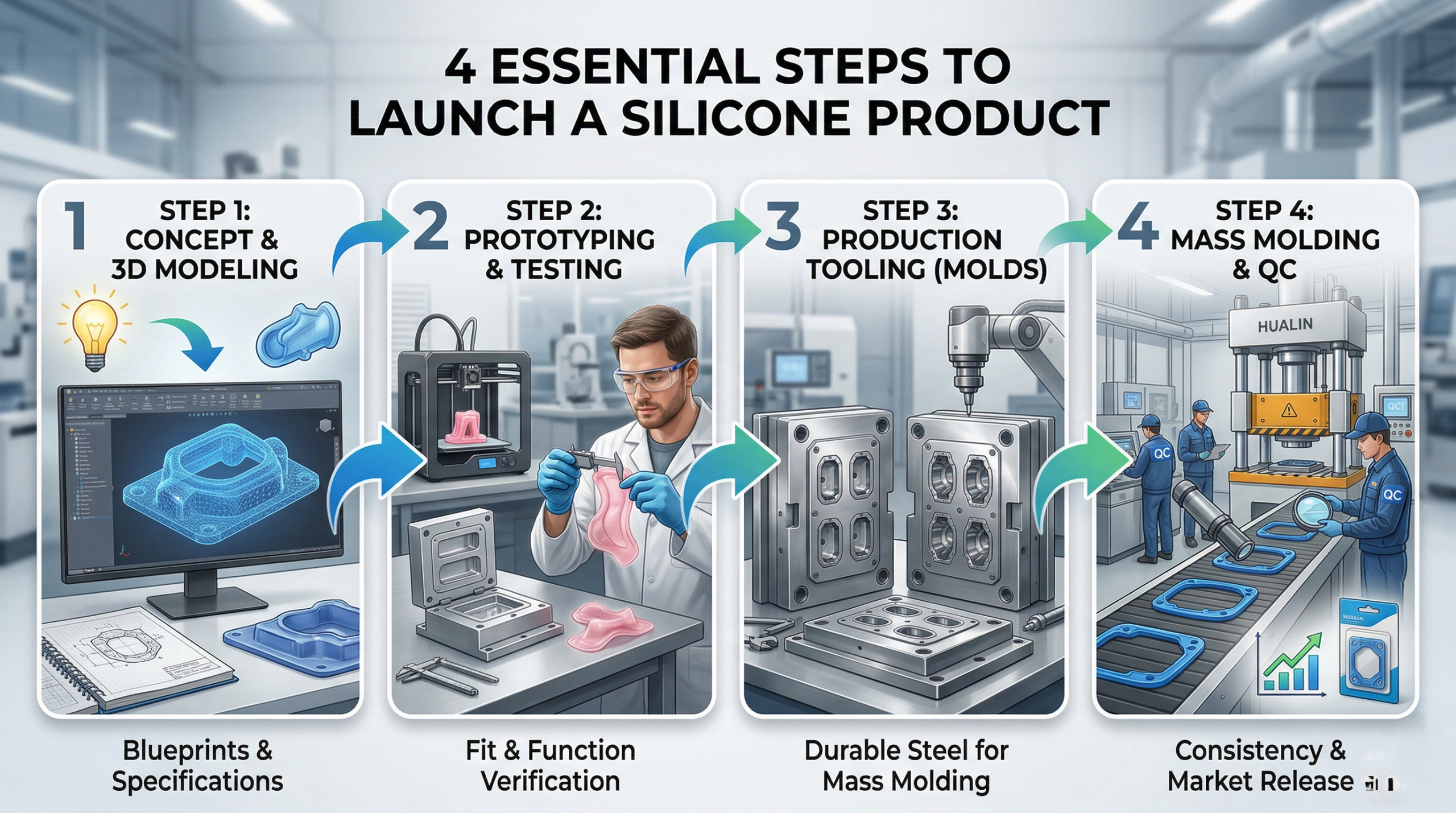
Bringing a fresh idea from concept through mass manufacturing requires following four distinct core phases successfully. Many businesses struggle with delayed timelines or flawed prototypes when managing complex industrial schedules. Lost capital and missed market opportunities often result from poor planning. A systematic approach mapping out every custom silicone product solves these structural challenges immediately. Following established guidelines guarantees smoother transitions between design iterations and final consumer release.
What Is the Initial Step for a Silicone Product?
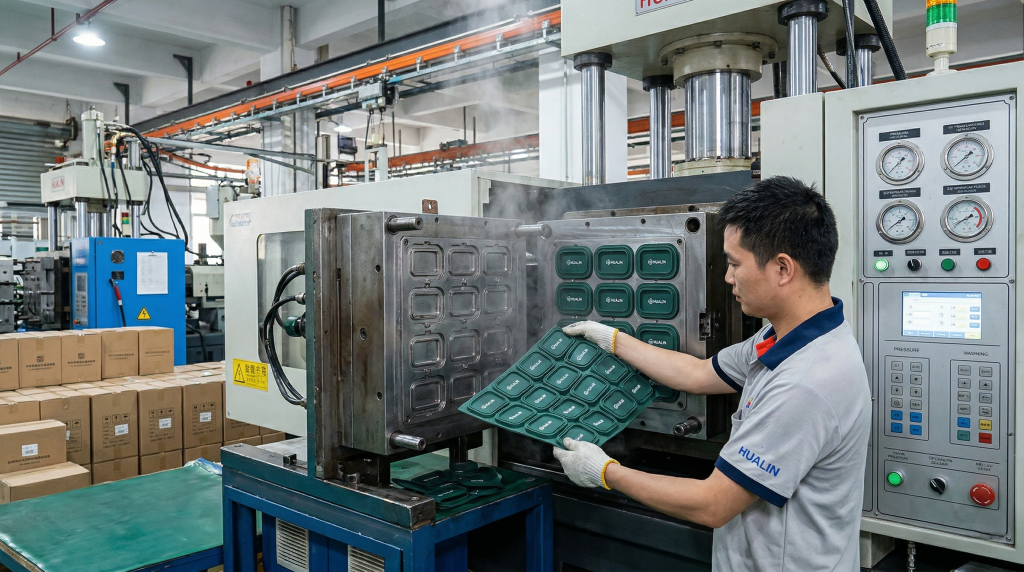
Creating a precise three-dimensional digital model serves as the foundational starting point for any custom silicone product. Engineering teams use specialized software programs mapping every physical dimension of your new silicone product accurately. Without a solid blueprint, factories cannot calculate exact material volumes your silicone product requires during high-pressure heating phases. Establishing exact parameters early prevents massive financial losses during mass manufacturing of a silicone product.
Why Does 3D Modeling Matter for a Silicone Product?
Accurate computer-aided designs prevent costly mistakes during later tooling phases for your silicone product. Software visualizes internal structures clearly before physical materials get cut, protecting your silicone product investment. But here’s the kicker… digital files allow instant modifications without wasting physical resources on a failed silicone product.
- Detailed scaling parameters get established for your silicone product.
- Potential structural weaknesses become visible in a silicone product.
- Material volume requirements calculate automatically for your silicone product.
Key Takeaway: Solid digital blueprints dictate downstream manufacturing success directly for any silicone product.
Reviewing standard modeling formats helps clarify engineering expectations perfectly for your silicone product launch.
Table 1: Common File Formats
| Format Type | Primary Use Case | Editing Capability |
| STEP | Complex assembly transfers | High |
| IGES | Surface geometry sharing | Medium |
How Do You Prepare Drawings for a Silicone Product?
Drafting requires selecting appropriate software and generating compatible files for factory machinery handling your silicone product. You must translate functional ideas into precise geometric instructions for any silicone product you intend mass-producing. Machine operators rely completely upon these digital vectors when milling heavy metal molds for your silicone product. Sending properly formatted files speeds quoting and engineering reviews regarding your new silicone product.
What Software Works Best for a Silicone Product?
Engineers favor parametric modeling tools for industrial parts like a complex silicone product. Applications resembling SolidWorks handle curved surfaces better than basic mesh editors when designing a silicone product. What’s the real story? Machine shops require standard vectors rather than generic image files making a functional silicone product.
- Program compatibility reduces export errors for your silicone product.
- Advanced tools offer stress testing simulations for a silicone product.
- Native files retain complete modification history for your silicone product.
Key Takeaway: Professional design tools translate ideas into actionable machine codes flawlessly for a silicone product.
Comparing popular software highlights specific advantages regarding manufacturing preparation of your silicone product.
Table 2: Software Options
| Software Name | Main Advantage | Industry Standard |
| SolidWorks | Parametric modeling | Yes |
| AutoCAD | 2D/3D drafting | Yes |
Why Is Prototyping Vital for a Silicone Product?
Testing physical samples reveals hidden design flaws before spending heavy capital on permanent molds for a silicone product. A tangible silicone product allows tactile evaluation regarding flexibility and ergonomics. Engineers can adjust hardness levels after holding an actual silicone product physically. Skipping this review phase guarantees massive defects within your mass-produced silicone product batches.
Can Prototypes Save Money for a Silicone Product?
Finding structural errors during sample testing prevents mass-producing defective units of your silicone product. Temporary tooling costs significantly less than hardened steel production equipment making a silicone product. Ready for the good part? You get physical proof within days rather than weeks for your silicone product.
- Physical testing verifies component fit for a silicone product.
- Color matching happens on real material for your silicone product.
- Surface texture options undergo user review on the silicone product.
Key Takeaway: Sample testing provides cheap insurance against massive production failures for a silicone product.
Analyzing prototyping benefits reveals dramatic risk reduction advantages regarding your silicone product.
Table 3: Prototyping Benefits
| Benefit Area | Cost Impact | Time Saved |
| Flaw Detection | High savings | Weeks |
| Fit Verification | Medium savings | Days |
What Happens During the Prototype Stage of a Silicone Product?
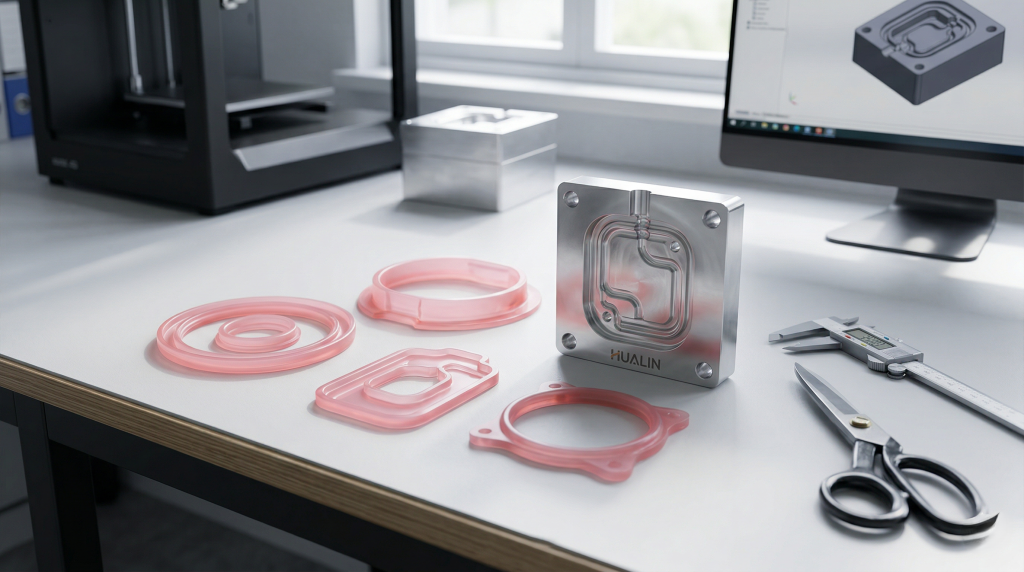
Engineers cut soft metal tools and press limited quantities for immediate physical review of a silicone product. This fast phase brings a silicone product into physical reality temporarily. Technicians mix specific pigments matching your requested pantone colors exactly for the silicone product. Reviewing these initial batches lets engineers refine parting lines on your silicone product.
How Fast Is Sample Generation for a Silicone Product?
Soft aluminum molds take minimal time for CNC machines shaping a silicone product. Factories run rapid compression cycles using specified durometer ratings for your silicone product. This is where it gets interesting… rapid iteration allows three distinct design changes within one month for a silicone product.
- Soft tooling finishes quickly for a silicone product.
- Small batches test material flow inside a silicone product.
- Engineers verify parting line locations on your silicone product.
Key Takeaway: Rapid sampling accelerates confidence regarding final design choices for a silicone product.
Tracking typical sample timelines helps set realistic project expectations for your silicone product.
Table 4: Sample Timelines
| Activity | Estimated Time | Complexity |
| Mold Machining | 3-5 Days | Low |
| Sample Pressing | 1-2 Days | Low |
How Do You Transition a Silicone Product to Tooling?
Approving final samples triggers immediate cutting of hardened steel mass-production equipment for your silicone product. Moving your silicone product into this stage requires locking all design dimensions permanently. Changing internal geometries after cutting steel ruins expensive molds making your silicone product. Engineering teams verify shrinkage rates mathematically before finalizing metal cavity dimensions for a silicone product.
What Makes Production Tooling Different for a Silicone Product?
Factories use durable metals designed withstanding millions of high-pressure heat cycles making a silicone product. These robust metal blocks feature multiple cavities pressing several silicone product items simultaneously. You might be wondering… why steel takes longer than aluminum machining a silicone product.
- Hardened steel resists wear over years producing a silicone product.
- Multi-cavity designs require complex programming for a silicone product.
- Internal heating elements need precise routing around your silicone product.
Key Takeaway: Investing heavily into durable molds guarantees long-term manufacturing stability for a silicone product.
Understanding material differences explains extended machining schedules effectively for your silicone product.
Table 5: Tooling Materials
| Material | Durability | Machining Speed |
| Aluminum | Low | Fast |
| P20 Steel | High | Slow |
What Are the Steps for Making a Silicone Product Mold?
Factories program CNC routers, perform EDM cutting, and polish metal surfaces meticulously for a silicone product. Every silicone product needs perfectly smooth or textured cavity walls. Machinists spend days grinding raw steel blocks flat before carving out your silicone product. Water cooling channels get drilled deep inside steel blocks controlling heat near your silicone product.
How Do Factories Cut Hard Steel for a Silicone Product?
High-speed milling machines remove bulk material from heavy steel blocks initially for a silicone product. Electrical discharge machining handles tiny corners or intricate logos perfectly on your silicone product. Here’s the deal: surface finishing dictates exactly how your silicone product feels.
- CNC milling shapes primary forms for a silicone product.
- EDM cutting burns sharp details into a silicone product.
- Manual polishing removes microscopic burrs from your silicone product.
Key Takeaway: Meticulous metal cutting dictates final aesthetic quality directly for a silicone product.
Reviewing cutting methods shows how factories achieve microscopic precision regarding your silicone product.
Table 6: Machining Methods
| Method | Target Area | Precision Level |
| CNC Milling | Bulk shapes | High |
| EDM Burning | Fine corners | Extremely High |
How Does Mass Molding Work for a Silicone Product?
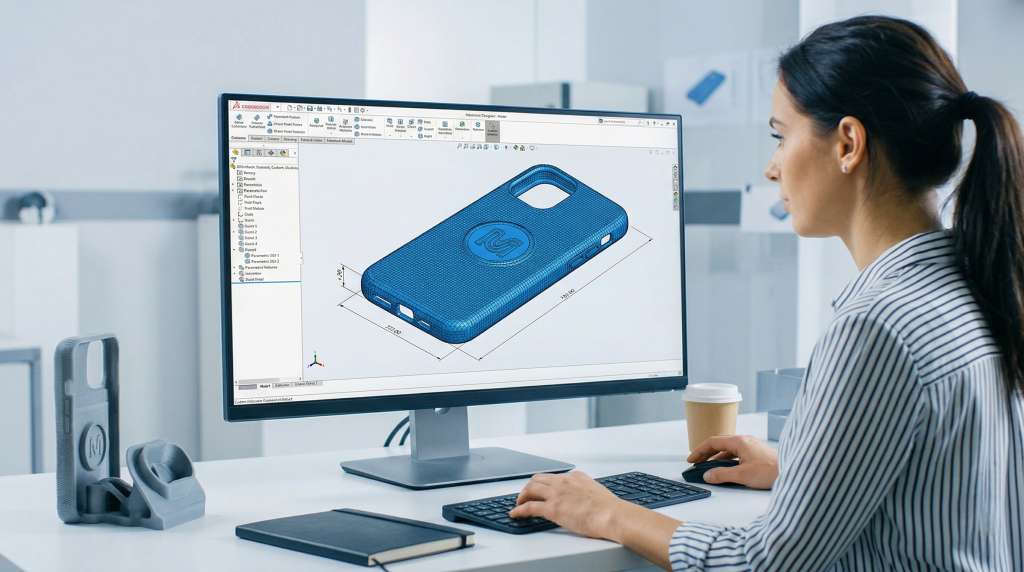
Raw material gets placed inside heated cavities and compressed under massive hydraulic pressure forming a silicone product. This core process transforms raw gum into a cured silicone product constantly. Operators trim away excess flash material rapidly after removing each hot silicone product. Proper ventilation systems extract fumes safely away from stations pressing your silicone product.
What Controls Final Quality of a Silicone Product?
Operators monitor temperature levels and cure times strictly during every cycle making a silicone product. Too much heat causes burning while inadequate time leaves a silicone product sticky. Now ask yourself this: how do factories maintain consistency across thousands of silicone product units?
- Automatic timers control cure duration for a silicone product.
- Heat sensors regulate platen temperatures near your silicone product.
- Hydraulic gauges maintain proper compression on the silicone product.
Key Takeaway: Strict environmental controls produce identical units repeatedly for any silicone product.
Monitoring specific variables guarantees structural integrity across large batches of your silicone product.
Table 7: Molding Parameters
| Parameter | Function | Risk if Ignored |
| Temperature | Cures material | Burning/Under-cure |
| Pressure | Fills cavity | Voids/Bubbles |
What Surface Treatments Enhance a Silicone Product?
Adding protective coatings or printed logos improves aesthetics and user tactile experience regarding a silicone product. An untreated silicone product often attracts dust rapidly without proper secondary processing. Factories run large spray booths applying matte finishes over every completed silicone product. Curing ovens bake applied inks permanently onto the exterior of your silicone product.
Why Apply Secondary Coatings to a Silicone Product?
Spraying a micro-thin polyurethane layer reduces surface friction significantly on a silicone product. Silk screening allows permanent branding using durable flexible inks upon your silicone product. Truth be told… users judge premium items mostly by surface feel on a silicone product.
- PU coatings repel daily dust from a silicone product.
- Laser etching creates illuminated buttons on your silicone product.
- Silk screening adds vibrant colored logos to a silicone product.
Key Takeaway: Secondary coatings elevate cheap feeling parts into premium merchandise for a silicone product.
Evaluating finishing options helps match functionality with visual appeal for your silicone product.
Table 8: Surface Finishes
| Finish Type | Primary Benefit | Durability |
| PU Spray | Dust resistance | High |
| Silk Screen | Custom branding | Medium |
How Is Quality Control Handled for a Silicone Product?
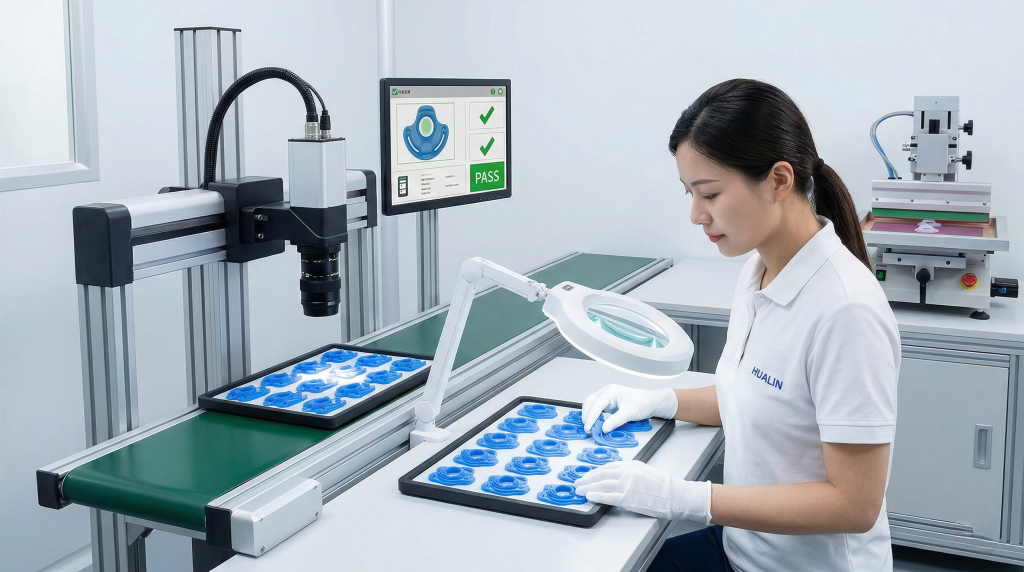
Inspectors use optical machines and manual visual checks looking for flashing or tears on a silicone product. Delivering a flawless silicone product demands rigorous sorting before packaging begins. Teams verify dimensional tolerances using precision calipers against technical drawings of your silicone product. Defective units get segregated immediately preventing bad parts ruining your silicone product shipment.
What Defects Do Inspectors Find in a Silicone Product?
Cameras detect microscopic black spots caused by stray carbon particles on a silicone product. Workers remove excess edge material known commonly as flash from your silicone product. Want to know a secret? Strict testing laboratories pull random samples verifying extreme stress resistance on a silicone product.
- Vision machines measure tight tolerances on a silicone product.
- Tear tests verify structural strength for your silicone product.
- Visual sorting removes cosmetic blemishes from a silicone product.
Key Takeaway: Layered inspection protocols block defective items from reaching consumers buying your silicone product.
Categorizing common defects helps improve upstream manufacturing processes continually for your silicone product.
Table 9: Inspection Focus
| Defect Type | Detection Method | Severity |
| Flash | Visual check | Low |
| Voids | Optical scanner | High |
How Should You Pack and Deliver a Silicone Product?
Using customized blister trays or poly bags protects items during international transit of a silicone product. A perfectly manufactured silicone product requires robust shielding against crushing forces. Warehouse teams stack heavy cartons carefully optimizing space without damaging your silicone product. Proper documentation ensures customs clearance happens smoothly avoiding delays for your silicone product.
Does Packaging Impact Logistics for a Silicone Product?
Optimized carton dimensions maximize shipping container space efficiently for a silicone product. Protective inner layers stop delicate edges from warping under heavy stacked weight crushing a silicone product. Think about it: ruined cargo negates all previous manufacturing successes regarding your silicone product.
- Custom trays prevent deformation of your silicone product.
- Barcode labels streamline warehouse intake for a silicone product.
- Moisture packets stop mold growth near your silicone product.
Key Takeaway: Strategic packing preserves product integrity across global supply chains handling a silicone product.
Structuring shipment profiles reduces freight costs while protecting fragile cargo like a silicone product.
Table 10: Packing Strategies
| Inner Packing | Outer Packing | Main Goal |
| Blister Trays | Corrugated Box | Prevent crushing |
| Poly Bags | Standard Carton | Cost reduction |
Final Thoughts
Following these four specific stages systematically eliminates common manufacturing bottlenecks completely. We resolved complex scheduling issues and solved prototype failures by outlining clear industrial procedures here. You can now approach factory partners confidently with actionable engineering blueprints. Reach out and contact us today for personalized project guidance. Building reliable hardware remains our core mission moving forward.
FAQ
Q1: Can I skip the 3D drawing phase?
No, skipping digital models causes manufacturing disasters. You need precise geometry programming steel cutting machinery accurately.
Q2: How do I know if prototyping makes sense?
Yes, prototyping makes absolute financial sense. Testing soft tools reveals functional flaws before purchasing expensive hardened molds.
Q3: What’s the best way cutting steel molds?
Using both CNC milling and EDM burning works best. High-speed routers remove bulk metal while electrical discharge machines create sharp internal corners cleanly.
Q4: Can I prevent dust from sticking?
Yes, applying specific surface treatments blocks dust effectively. Spraying a thin polyurethane coating reduces natural material friction significantly.
Q5: How do I know if quality passes standards?
Using layered inspection systems guarantees passing standards. Optical cameras and manual sorting routines detect both dimensional errors and cosmetic flaws reliably.