
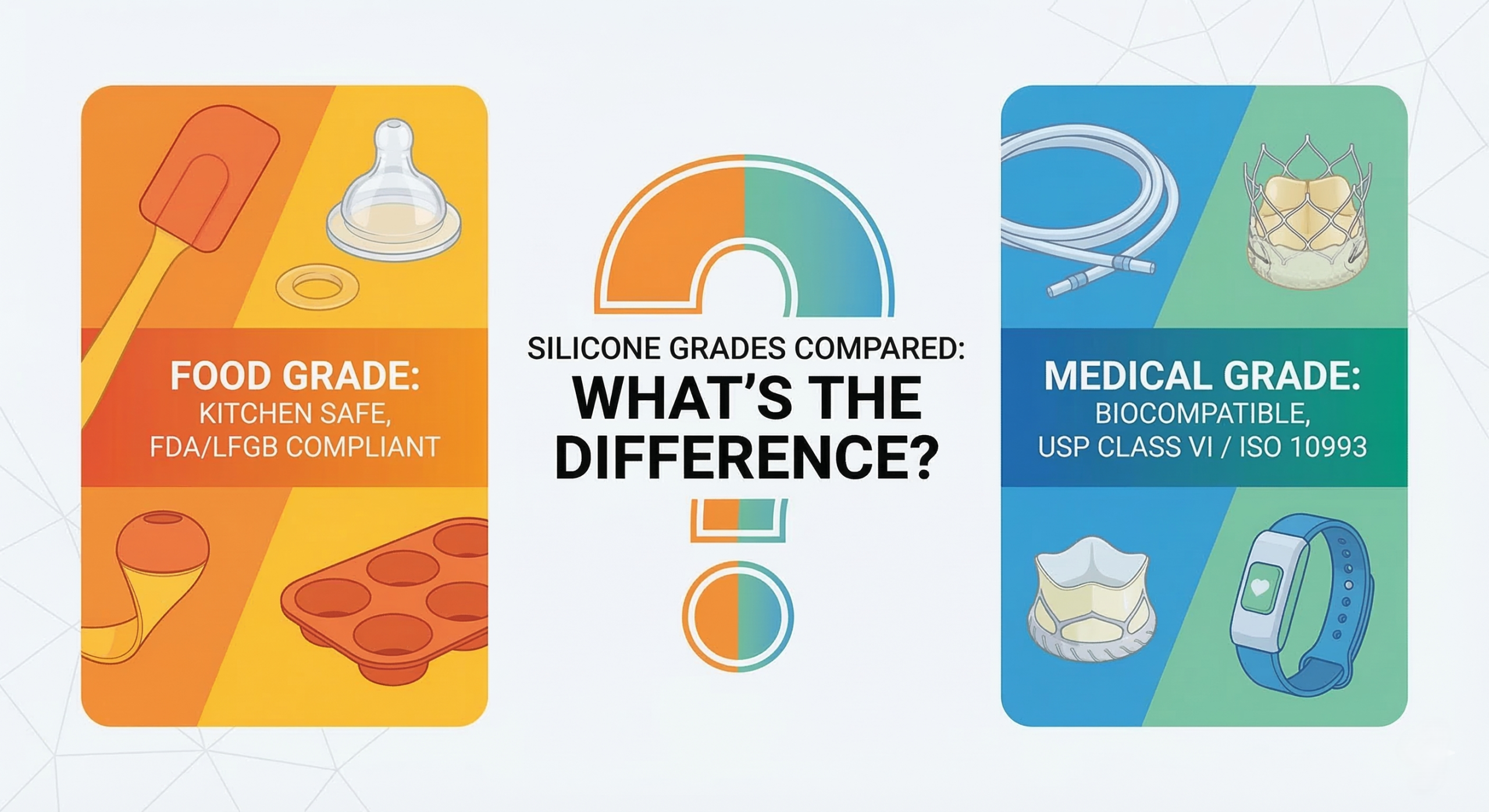
When manufacturing products, understanding the difference between Food Grade vs Medical Grade Silicone is critical.No, medical grade silicone is not the same as food grade silicone, as the former requires significantly higher purity and biocompatibility standards for human contact. Selecting the wrong material for your product can lead to catastrophic compliance failures, skin irritation, or chemical leaching that compromises user safety. By understanding the critical distinctions, you can ensure your project meets regulatory requirements while optimizing performance. You must determine is medical grade silicone the same as food grade silicone? before starting any production to avoid costly redesigns and manufacturing delays.
Why is silicone used for food and medical products?
Silicone is chosen for these sensitive applications because it is chemically inert, temperature-resistant, and highly durable. When evaluating materials, you might wonder is medical grade silicone the same as food grade silicone? or if one can substitute for the other. Its ability to remain stable under extreme heat or cold without releasing toxic fumes makes it a gold standard in both kitchens and hospitals.
The Benefits of Chemical Inertness
Silicone does not react with food, water, or bodily fluids, which ensures that it remains safe over long-term use.
- Heat resistance up to 230°C.
- Odorless and tasteless properties.
- Resistance to bacterial growth.
Here is why: the molecular structure of silicone prevents it from breaking down into harmful micro-materials.
Key Takeaway: Silicone’s inherent stability provides a safe foundation for products requiring strict hygiene and long-term durability.
| Property | Benefit for Food | Benefit for Medical |
|---|---|---|
| Thermal Stability | Oven-safe performance | Autoclave sterilization |
| Chemical Inertness | No flavor transfer | No tissue reaction |
| Flexibility | Easy-release molds | Comfortable wearable parts |
Understanding the baseline benefits of silicone helps you appreciate why specialized grades are necessary for high-stakes environments.
What defines high-quality food-grade silicone?
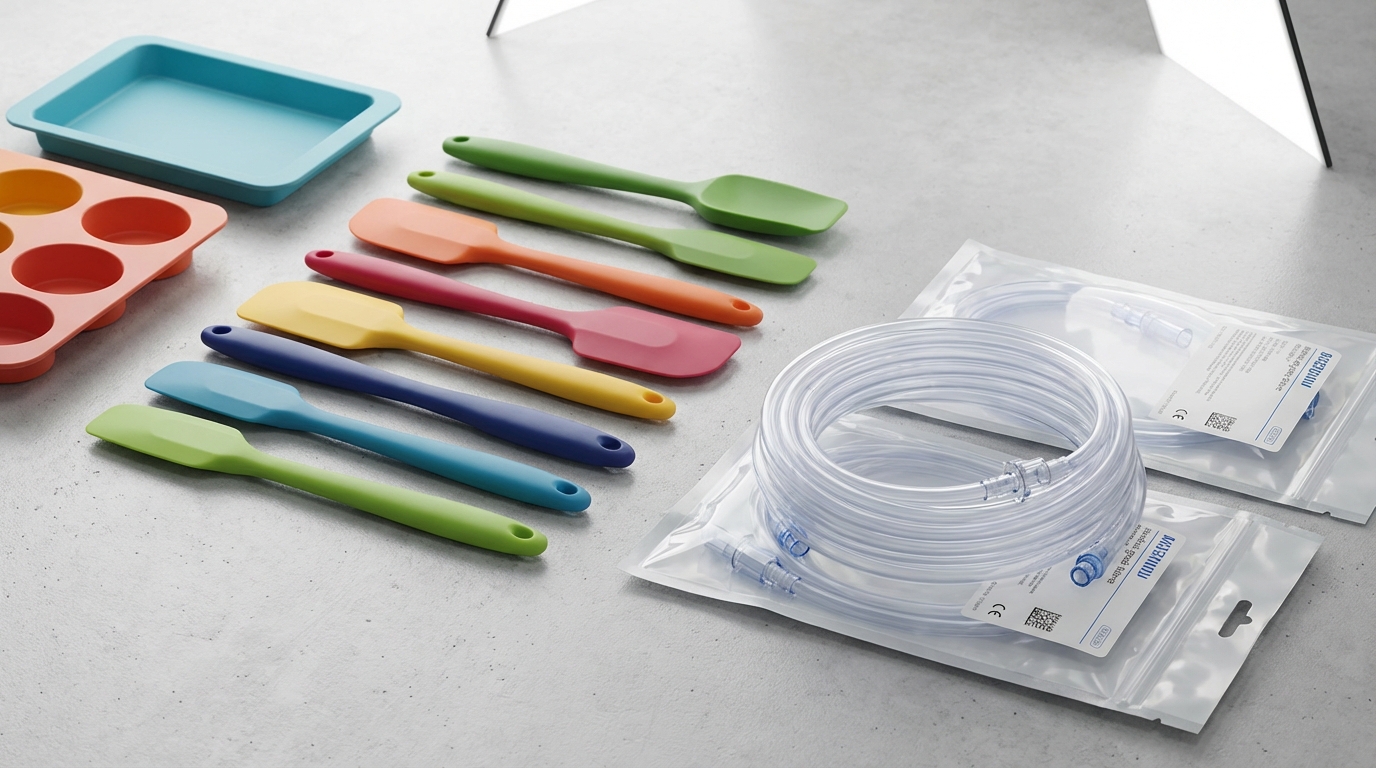
Food-grade silicone is specifically formulated to be non-toxic and safe for direct contact with consumables. Many manufacturers ask is medical grade silicone the same as food grade silicone? when trying to simplify their supply chain for kitchen products. To qualify, the material must pass rigorous extraction tests to ensure no harmful substances migrate into food during heating or freezing.
Regulatory Compliance and Testing
Food-grade materials must adhere to FDA (USA) or LFGB (Europe) standards to be legally sold in most markets.
- FDA compliance for basic safety.
- LFGB compliance for stricter European markets.
- BPA-free and phthalate-free certifications.
But wait, there’s more: high-quality food-grade silicone also features superior tear strength for repetitive use in kitchen gadgets.
Key Takeaway: Food-grade silicone focuses on preventing chemical migration into consumables, ensuring safety for daily kitchen and baby care items.
| Standard | Region | Primary Focus |
|---|---|---|
| FDA 21 CFR | USA | General food safety and migration |
| LFGB | Germany/EU | Strict sensory and extraction limits |
| RoHS | Global | Restriction of hazardous substances |
Selecting a material that matches your regional regulatory requirements is the first step toward a successful consumer product launch.
Is medical grade silicone the same as food grade silicone?
No, medical-grade silicone undergoes more intensive purification and testing to ensure it is biocompatible with human tissue and blood. When you ask is medical grade silicone the same as food grade silicone?, you must consider that medical grades are often processed in cleanroom environments to prevent contamination. While food grade is safe for digestion, medical grade is designed for long-term skin contact or even internal implantation.
Distinctions in Purity and Processing
Medical-grade silicone utilizes platinum-cure catalysts to minimize byproducts and ensure a higher level of material purity.
- Platinum-cured for low volatiles.
- Tested for skin sensitization.
- Sterilization-ready for hospital use.
Here is the deal: the manufacturing overhead for medical silicone is much higher due to the required environmental controls.
Key Takeaway: The primary difference lies in the level of purity and the specific biocompatibility tests required for medical applications.
| Feature | Food Grade | Medical Grade |
|---|---|---|
| Cure System | Peroxide or Platinum | Predominantly Platinum |
| Purity | High | Ultra-High |
| Biocompatibility | Not required | ISO 10993 Compliance |
Distinguishing between these grades is vital for maintaining compliance in regulated healthcare and infant care industries.
What are the core properties of medical silicone?
Medical-grade silicone is characterized by its exceptional biocompatibility and resistance to the harsh sterilization processes used in healthcare. You must analyze is medical grade silicone the same as food grade silicone? to determine if your part needs the enhanced resilience found in medical variants. These materials are engineered to be non-reactive when they touch skin, mucous membranes, or internal tissues.
Resilience and Sterilization
Medical parts must withstand repeated cycles in an autoclave or exposure to gamma radiation without losing their physical shape.
- High elongation and tear strength.
- Excellent dielectric properties.
- Hydrophobic surface to repel fluids.
Check this out: medical silicone maintains its elasticity even after hundreds of cleaning cycles.
Key Takeaway: Medical silicone’s value lies in its ability to remain functionally intact and biologically safe under extreme hospital conditions.
| Property | Technical Detail | User Value |
|---|---|---|
| Biocompatibility | ISO 10993 certified | No allergic skin reactions |
| Sterilizability | Heat/Radiation resistant | Long-term device reuse |
| Surface Finish | Low friction/Antimicrobial | Increased patient comfort |
Investing in medical-grade properties ensures the longevity and safety of devices used in critical healthcare settings.
How do certification standards differ between grades?
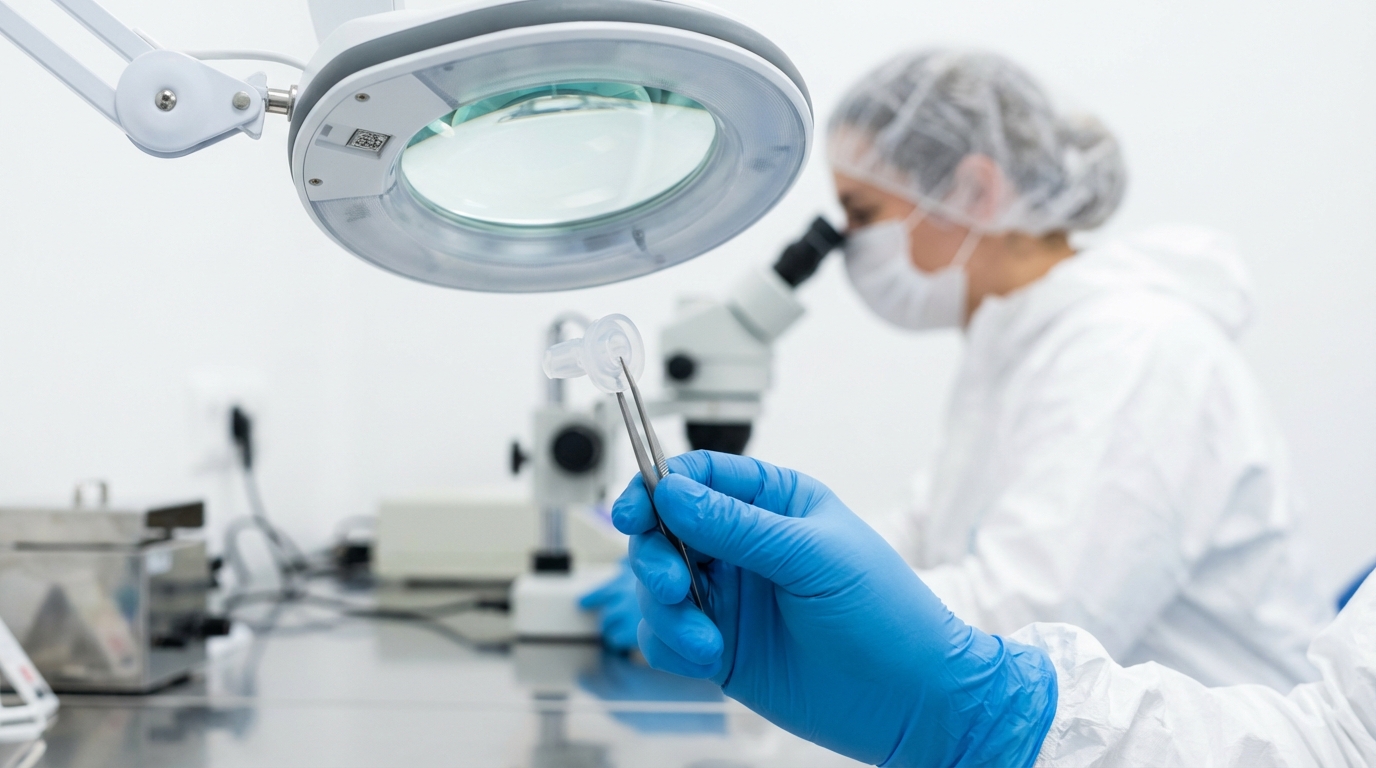
Certification for food-grade silicone focuses on ingestion safety, while medical-grade certification centers on biological interaction. If you are developing medical grade silicone parts, you need to know is medical grade silicone the same as food grade silicone? regarding the documentation required. Medical grades must often meet USP Class VI or ISO 10993 standards, which are far more demanding than standard FDA food contact rules.
Understanding USP Class VI and ISO 10993
These certifications involve living tissue tests to confirm the material does not cause toxicity or inflammation.
- Intracutaneous reactivity tests.
- Systemic toxicity evaluations.
- Cytotoxicity (cell death) testing.
The best part is: having these certifications simplifies the approval process for your final medical device.
Key Takeaway: Medical certifications provide a higher level of legal and safety assurance for products that interact with the human body.
| Certification | Application | Level of Rigor |
|---|---|---|
| FDA Food Grade | Kitchenware | Moderate |
| USP Class VI | Medical Devices | High |
| ISO 10993 | Implants/Surgical | Ultra-High |
Proper certification alignment is the only way to guarantee your product passes international health audits.
Which industries require medical-grade silicone parts?
Industries such as healthcare, smart wearables, and advanced baby care rely heavily on medical-grade materials for user safety. When designing a product, you should ask is medical grade silicone the same as food grade silicone? to ensure the material matches the specific risks of the industry. Wearable technology, for instance, requires medical-grade silicone to prevent skin rashes during 24/7 contact.
Applications in Modern Technology
From surgical tools to smartwatch bands, the demand for biocompatible materials is expanding into consumer electronics.
- Surgical tubing and catheters.
- Smartwatch straps and fitness trackers.
- Infant pacifiers and nipple shields.
But wait, there’s more: acoustic components in hearing aids also require medical-grade purity for internal ear placement.
Key Takeaway: Any industry involving prolonged human contact or sterilization needs medical-grade silicone to ensure safety and performance.
| Industry | Specific Use | Grade Requirement |
|---|---|---|
| Healthcare | Respiratory masks | Medical Grade |
| Electronics | Smartwatch bands | Medical Grade (Skin-safe) |
| Infant Care | Feeding nipples | Food/Medical Grade |
Expanding your material knowledge allows you to serve high-end markets that demand verified biocompatibility.
Can you use food-grade silicone for medical devices?
Generally, you cannot use food-grade silicone for medical devices that require biocompatibility or internal contact. You may wonder is medical grade silicone the same as food grade silicone? when trying to reduce costs, but the lack of medical certifications makes food grade illegal for many healthcare applications. Using a lower grade for a medical device can lead to product recalls and significant legal liability.
The Risks of Material Substitution
Substituting grades can cause the material to leach chemicals into the body, leading to inflammatory responses.
- Failure of biocompatibility audits.
- Increased risk of bacterial adhesion.
- Potential for material degradation in-vivo.
Here is why: food-grade silicone may contain fillers or catalysts that are safe for the stomach but harmful to the bloodstream.
Key Takeaway: While you can often use medical grade for food, you should never use food grade for medical applications.
| Comparison | Medical for Food | Food for Medical |
|---|---|---|
| Safety | Over-qualified (Safe) | Under-qualified (Risky) |
| Cost | Higher | Lower |
| Compliance | Exceeds standards | Fails standards |
Always prioritize the higher safety standard when a product’s application falls between two regulatory categories.
Why is biocompatibility essential for medical grades?
Biocompatibility ensures that the silicone part performs its function without causing any adverse local or systemic effects in the host. In your search to understand is medical grade silicone the same as food grade silicone?, biocompatibility stands out as the ultimate technical barrier. Without this property, a silicone part could trigger an immune response, causing the body to reject a device or develop a chronic allergy.
Components of Biocompatibility
A material is considered biocompatible only after it passes specific biological tests defined by international standards.
- Non-irritating to skin and tissue.
- Non-hemolytic (does not break down blood cells).
- Non-pyrogenic (does not cause fever).
Think about this: biocompatibility is what allows silicone implants to stay in the body for decades.
Key Takeaway: Biocompatibility is the fundamental requirement for any material that comes into direct contact with the human biological system.
| Test Type | Objective | Critical for |
|---|---|---|
| Cytotoxicity | Check for cell damage | All medical parts |
| Sensitization | Check for allergic reaction | Wearables/Skin contact |
| Implantation | Check for long-term reaction | Surgical inserts |
Verifying biocompatibility at the start of production protects your users and your brand’s reputation.
How does cleanroom manufacturing impact silicone safety?
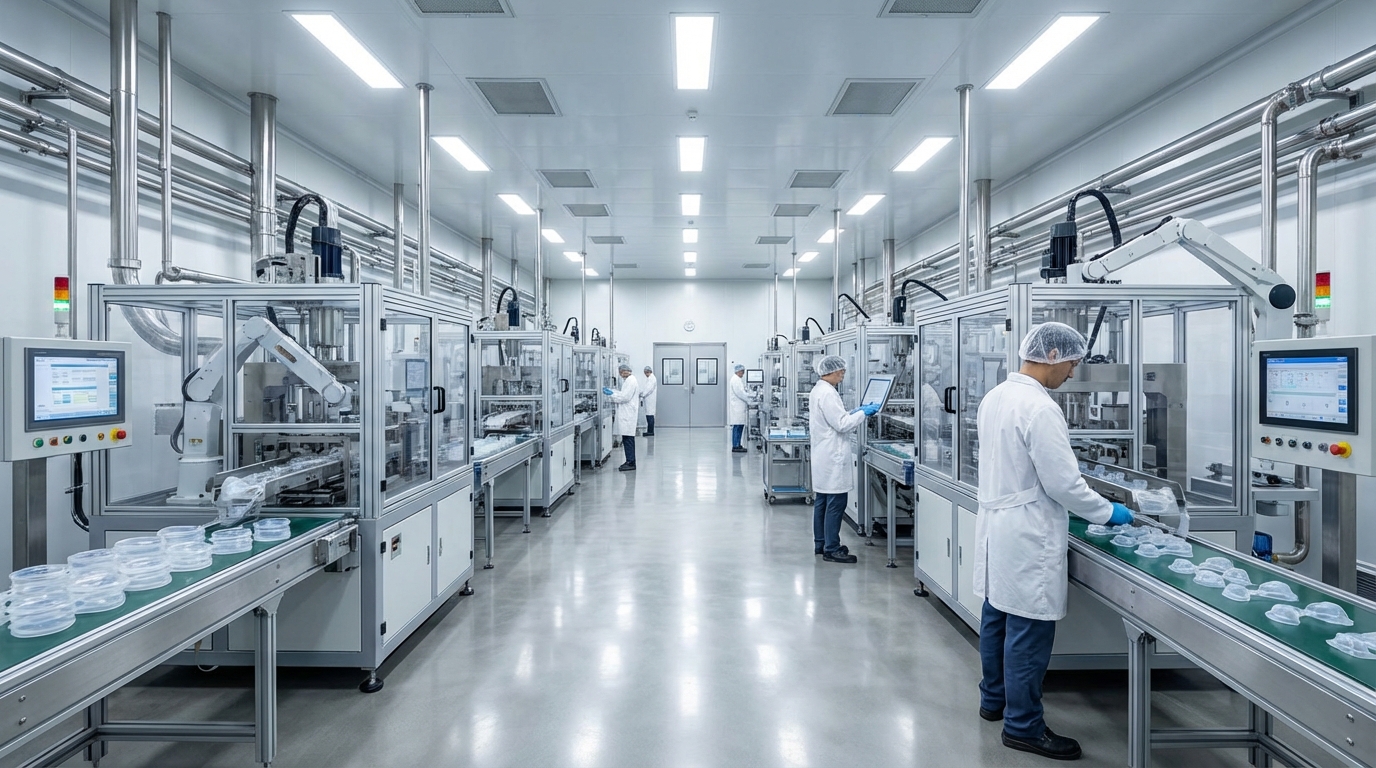
Manufacturing medical-grade parts in a Class 10,000 or 100,000 cleanroom prevents environmental contaminants like dust or oils from entering the material. When you ask is medical grade silicone the same as food grade silicone?, the production environment is a major differentiator. While food-grade parts are made in clean factories, medical-grade parts require strictly controlled air filtration and staff protocols to ensure sterility.
Liquid Silicone Rubber (LSR) and Precision
LSR molding is the preferred method for medical parts because it is a closed-loop system that reduces human contact.
- Automated feeding systems.
- Elimination of airborne particles.
- Consistent part weight and dimensions.
Here is the best part: LSR molding allows for high-volume production with nearly zero defect rates.
Key Takeaway: Cleanroom environments and LSR processes are essential for meeting the strict purity requirements of the medical industry.
| Environment | Control Level | Typical Product |
|---|---|---|
| Standard Factory | General cleanliness | Consumer spatulas |
| ISO 7 Cleanroom | High air filtration | Surgical catheters |
| ISO 8 Cleanroom | Moderate air filtration | Wearable straps |
Controlled manufacturing environments are the invisible backbone of high-quality, medical-grade silicone production.
How do you choose the right grade for your project?
Choosing the right grade requires a deep understanding of your product’s end-use and the regulatory landscape of your target market. You must finally answer is medical grade silicone the same as food grade silicone? based on whether your user is eating from the part or wearing it against their skin. Consulting with a manufacturing expert can help you balance cost-effectiveness with necessary safety certifications.
Criteria for Material Selection
Start by defining the duration of contact and the environment where the part will be used.
- Duration of contact (short-term vs. long-term).
- Cleaning requirements (dishwasher vs. autoclave).
- Target market certifications (FDA, ISO, USP).
Here is a pro tip: always choose a grade that slightly exceeds your minimum requirements to ensure a safety margin.
Key Takeaway: The right grade balances compliance, cost, and functional durability to create a sustainable and safe product.
| Decision Factor | Choose Food Grade | Choose Medical Grade |
|---|---|---|
| Interaction | Mouth/Consumables | Skin/Blood/Tissue |
| Sterilization | Hot water/Steam | Autoclave/Chemicals |
| Budget | Cost-sensitive | Quality-driven |
Material selection is a strategic decision that impacts every stage of your product’s lifecycle from tooling to delivery.
Conclusion
Understanding the nuances between food and medical grade silicone is the key to building a compliant and successful B2B product line. HuaLin Silicone solves the complexity of material selection by providing expert DFM reviews and ISO-certified manufacturing. Whether you need high-purity medical keypads or durable baby care products, our in-house mold making and LSR expertise ensure your parts are stable from prototype to mass production. We envision a world where every custom silicone component is engineered for maximum safety and efficiency. To start your next high-performance silicone project, contact us today for a comprehensive consultation.
FAQ
Can I use medical grade silicone for baking molds?
Yes, you can. While medical grade is more expensive, its extreme purity and high temperature resistance make it even safer than standard food-grade options for baking.
What’s the best way to verify silicone grade?
Yes, you must request material certifications. Always ask your supplier for FDA, LFGB, or ISO 10993 test reports to verify that the raw material matches your requirements.
How do I know if my silicone is BPA-free?
Yes, standard food and medical grades are naturally BPA-free. Silicone is not a plastic, so it does not contain bisphenol A or other harmful plasticizers found in traditional resins.
Can I sterilize food-grade silicone in an autoclave?
No, it is not recommended. Food-grade silicone may not be formulated to withstand the repeated, high-pressure steam of an autoclave as effectively as medical-grade variants.
Is medical grade silicone safer for sensitive skin?
Yes, it is. Because it is tested for skin sensitization and biocompatibility, it is the only recommended grade for wearables or devices that touch sensitive skin.